
To protect your footwear from Singapore’s intense rain and high humidity, an outdoor shoe cabinet must be selected based on specific material durability, ventilation features, and robust hardware. Placing a shoe cabinet on an open balcony, patio, or along a common corridor exposes it to extreme tropical weather conditions. Without the right protective features, standard furniture will quickly succumb to mold, warping, and structural failure.
Selecting the right outdoor storage unit requires moving beyond generic product names and closely examining manufacturer specifications. By focusing on verified weather-resistant materials, smart physical design elements, and proper installation planning, you can ensure your outdoor shoe cabinet remains functional and keeps your footwear dry and mold-free.
Understanding the Climate Challenges for Outdoor Storage
Singapore’s tropical climate presents a unique set of challenges for any outdoor furniture. Torrential downpours can occur suddenly, blowing rainwater directly onto balconies and corridors. If a shoe cabinet lacks adequate water resistance, this direct exposure can cause immediate water ingress, pooling on shelves and ruining stored footwear.
Products mentioned in this guide
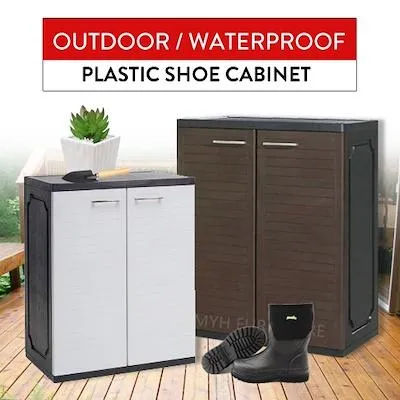
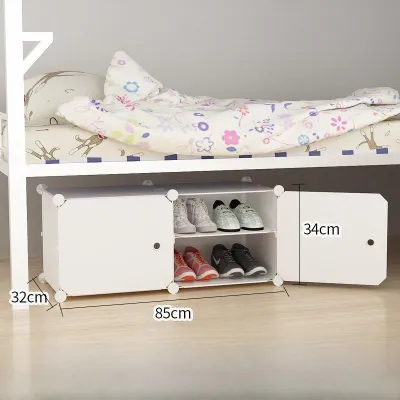
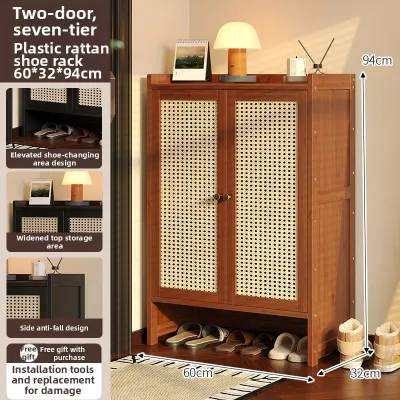
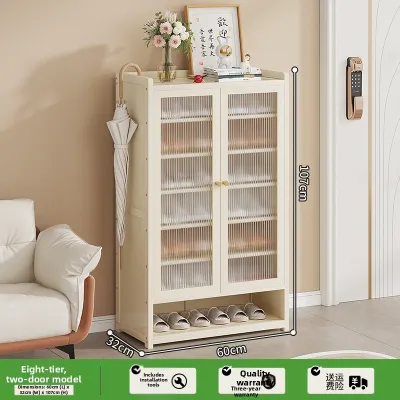
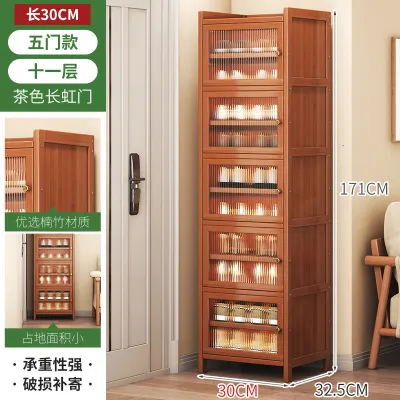
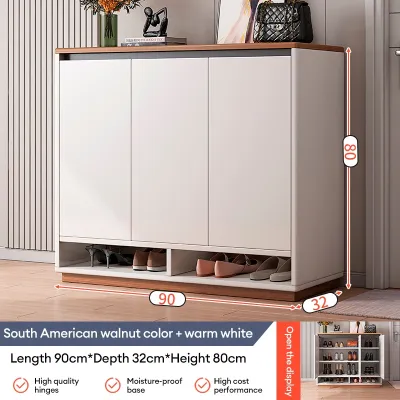
Prices are valid at publication and may change. Please refer to the product page for the latest price.
Even when protected from direct rain, the ambient relative humidity in Singapore consistently hovers above 80 percent. This persistent moisture in the air creates an ideal breeding ground for mold and mildew, which can destroy leather, canvas, and fabric shoes within weeks. High humidity also accelerates the oxidation of metal components and causes untreated wood fibers to swell, warp, and split.
Furthermore, intense ultraviolet (UV) radiation from the tropical sun degrades unprotected materials over time. UV rays break down the chemical bonds in standard plastics, making them brittle and prone to cracking, while also causing paint and protective coatings to peel and fade. Understanding these environmental stressors is the first step in identifying a cabinet built to survive the elements.
Evaluating Water-Resistant Materials for the Cabinet Body
When shopping for an outdoor shoe cabinet, you should always verify the material specifications rather than relying on generic product descriptions. Look for manufacturer labels that explicitly state the unit is rated for outdoor use or features marine-grade classifications. These ratings indicate that the materials have been tested or treated to withstand prolonged exposure to moisture and sunlight.

High-density polyethylene (HDPE) and specialized polypropylene are excellent plastic options for outdoor storage. When evaluating plastic cabinets, check the product specifications to confirm the material includes UV stabilizers, which prevent the plastic from becoming brittle under direct sunlight. These materials are completely impervious to water, making them highly resistant to rot and rust, though they may lack the structural weight of metal or wood.
If you prefer metal, look for cabinets constructed from powder-coated aluminum or hot-dip galvanized steel. Aluminum is naturally resistant to rust, and a high-quality powder coating adds an extra layer of protection against scratches and moisture. Galvanized steel also offers strong corrosion resistance, but you must verify that all surfaces, including interior shelves and corners, are fully coated to prevent rust from starting in hidden areas.
For those who prefer the look of wood, natural teak is a traditional choice due to its high natural oil content, which naturally repels water and insects. However, you must check if the wood has been treated with a marine-grade sealant or an outdoor-rated protective finish. Avoid standard engineered woods like particleboard or medium-density fiberboard (MDF), as these materials absorb moisture rapidly from the air, causing them to swell, sag, and disintegrate.
Critical Design Features for Moisture and Heat Management
Physical design features are just as important as materials when it comes to managing moisture and heat inside an outdoor shoe cabinet. Proper ventilation is essential to prevent stagnant, humid air from trapping moisture inside the unit. Look for cabinets with louvered doors, slatted shelves, or built-in ventilation gaps at the back to facilitate continuous airflow.
Air circulation helps dry out any residual moisture on your shoes and reduces the risk of mold growth. Without adequate ventilation, a sealed cabinet sitting in the sun can act like a greenhouse, trapping heat and humidity inside and creating an environment that damages shoe adhesives and materials.
The cabinet’s exterior shape also plays a critical role in shedding water. A sloped roof or a significant roof overhang helps direct rainwater away from the doors and seams, preventing water from pooling on top of the unit. Additionally, ensure the cabinet features raised feet or legs to elevate the base off the ground, protecting it from standing water during heavy rain or corridor cleaning.
Finally, check for protective barriers against incidental water entry. High-quality outdoor cabinets often feature weather stripping or rubber seals around the door frames to block wind-driven rain. Some models also include small drainage holes in the bottom panels, allowing any water that does manage to get inside to drain out quickly rather than pooling around your shoes.
Verifying Hardware and Connection Points
The longevity of an outdoor shoe cabinet often depends on its smallest components. Hinges, screws, handles, and brackets are highly susceptible to rust and corrosion when exposed to Singapore’s humid air. When reviewing product specifications, look for hardware made from stainless steel or galvanized metal, which offer superior resistance to oxidation.
Examine how the cabinet joints and edges are sealed. Moisture can easily seep into the core of a material through exposed screw holes or poorly sealed edge banding. Look for cabinets that utilize capped fasteners, sealed joints, or protective edge seals to prevent water from penetrating the structural panels.
It is also wise to assess the accessibility and sizing of the hardware before purchasing. Over time, even high-quality hardware may require replacement due to wear and tear. Choosing a cabinet that uses standard-sized hinges and screws ensures you can easily find replacement parts at local hardware stores if corrosion eventually occurs.
Space Planning and Installation Checks
Before purchasing an outdoor shoe cabinet, careful space planning is required to ensure a safe and proper fit. Measure the designated area accurately, keeping in mind the clearance needed to fully open the doors and pull out any drawers. You must also leave a small gap between the cabinet and the wall to allow for proper ventilation and prevent moisture from getting trapped against the building’s exterior.
In Singapore, if you plan to place the cabinet along a common corridor, you must comply with local regulations. These guidelines typically require maintaining a minimum clear escape passage of 1.2 meters to ensure safe evacuation during emergencies. Always measure your corridor width to confirm the cabinet’s depth will not obstruct this pathway.
Floor levelness is another critical factor, as many outdoor balconies and corridors are sloped to facilitate water drainage. Look for cabinets with adjustable leveling feet to ensure the unit remains stable and upright on uneven surfaces. If you are installing a tall or top-heavy cabinet in an exposed, windy area, plan to anchor it securely to the wall using outdoor-rated masonry anchors to prevent tip-over hazards.
Lastly, consider the logistics of delivery and assembly. Verify the dimensions of your building’s lift, stairwells, and doorways to ensure the delivery team can transport the cabinet to your home. If the unit arrives fully assembled, these measurements are crucial to avoid delivery failures and potential damage to your property.
Routine Maintenance and Care for Longevity
Regular maintenance is essential to extend the lifespan of your outdoor shoe cabinet and protect your investment. Establish a routine cleaning schedule to wipe down the exterior and interior surfaces with a soft cloth and mild, soapy water. This removes accumulated dust, dirt, and salt residue, which can trap moisture and accelerate material degradation.
Avoid using abrasive cleaners, steel wool, or harsh chemical solvents, as these can scratch the surface and strip away protective coatings or UV-resistant finishes. After cleaning, ensure the cabinet is completely dry before placing shoes back inside.
Periodically inspect the cabinet’s hardware, seals, and protective coatings for early signs of wear. Check for loose screws, stiff hinges, peeling paint, or cracked rubber seals. Applying a light lubricant to metal hinges can help maintain smooth operation and prevent rust from taking hold.
If you notice significant structural damage, deep cracks in the material, or issues covered under the manufacturer’s warranty, halt any DIY repair attempts. In these situations, consult the manufacturer or a qualified professional to assess the damage and determine the safest course of action.
Frequently Asked Questions (FAQ)
Can I use an indoor shoe cabinet outside if I apply a waterproof sealant?
Using an indoor shoe cabinet outdoors is generally not recommended, even if you apply a waterproof sealant. Standard indoor furniture is constructed with materials like MDF or particleboard, which absorb moisture from the air and swell from the inside out, regardless of surface coatings. Furthermore, indoor cabinets utilize standard steel hardware that will quickly rust, and surface sealants do not protect internal joints or prevent warping caused by high ambient humidity. Modifying an indoor cabinet for outdoor use will also void any manufacturer warranties.
How do I prevent mold from growing on shoes inside an outdoor cabinet?
To prevent mold growth, always ensure your shoes are completely dry before placing them inside the cabinet. You can place replaceable moisture-absorbing tubs or activated charcoal bags on the shelves to help control internal humidity levels. Additionally, regularly check that the cabinet’s ventilation slats or grilles remain clean and unobstructed to maintain optimal airflow throughout the unit.

Community discussion
Share your experience or ask a question. Comments are reviewed before publication.