
Managing a compact Singapore HDB living room requires smart spatial planning and efficient storage solutions. With limited surface area on coffee tables and TV consoles, small items like remote controls can quickly accumulate and create visual clutter. Transitioning these devices from horizontal surfaces to vertical planes is an effective way to maintain a clean, minimalist aesthetic while keeping essential controls within arm’s reach.
Selecting the right wall-mounted remote holder involves evaluating physical dimensions, material durability, and wall compatibility. By choosing a holder that complements your interior design and meets your specific installation constraints, you can optimize your living space without causing damage to your walls. This guide outlines the key factors to consider when choosing a vertical remote organizer for your home.
Why Wall-Mounted Holders Maximize Space in Compact Rooms
In a small HDB living room, visual clutter can quickly make a space feel cramped and disorganized. When remote controls for the television, air conditioner, soundbar, and ceiling fan are scattered across a coffee table, they disrupt the visual flow of the room. Moving these devices to the wall immediately frees up surface space, allowing the TV console or coffee table to remain clear or be used for decorative elements that enhance the room’s ambiance.
Products mentioned in this guide
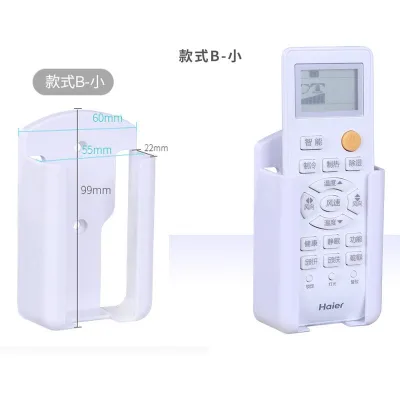
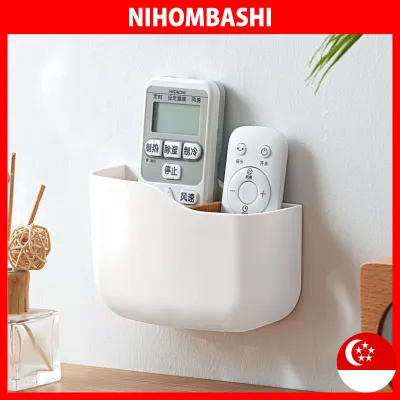
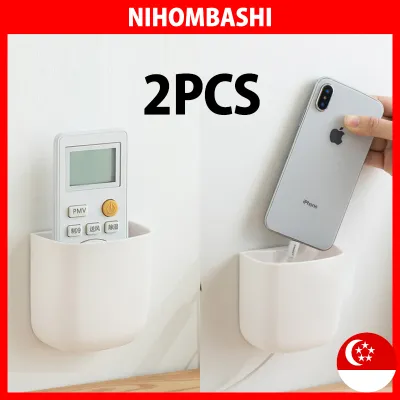

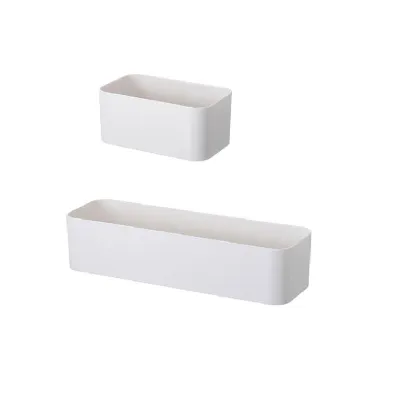
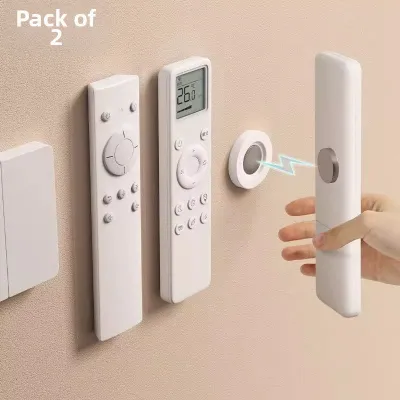
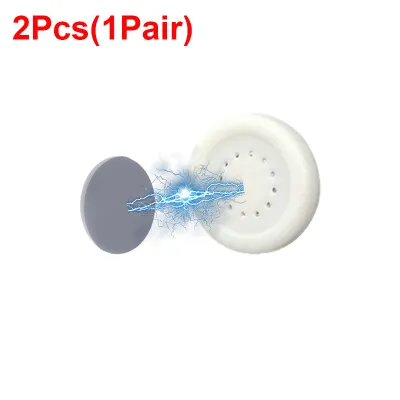
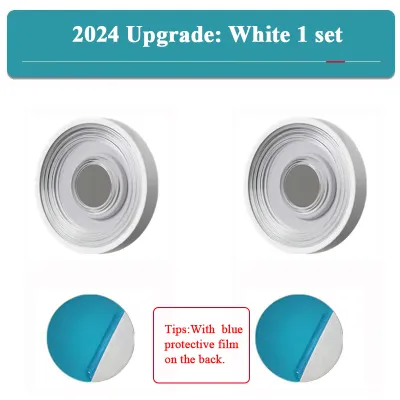
Prices are valid at publication and may change. Please refer to the product page for the latest price.
Beyond aesthetics, vertical storage introduces a practical organizational system. Instead of searching under sofa cushions or behind books, household members always know exactly where each remote is located. This centralized storage is particularly beneficial in multi-functional living spaces where different family members use various media devices throughout the day.
Safety and protection are additional advantages of wall-mounted storage. Elevating remotes keeps them out of reach of curious toddlers and pets, reducing the risk of accidental drops, battery compartment tampering, or liquid spills. By placing the holder at an appropriate height, you protect sensitive electronic components from common household hazards while maintaining easy access for adults.
Key Dimensions and Features to Evaluate
Selecting the right holder requires a careful assessment of physical dimensions to ensure compatibility with both your devices and your wall space. The first factor to evaluate is the capacity-to-footprint ratio. A holder must accommodate your specific collection of remotes without consuming excessive wall space. Measure the width, thickness, and height of your largest remotes—such as long TV controllers or bulky air conditioner remotes—and compare these with the internal compartment dimensions specified by the manufacturer.

Protrusion depth is a critical consideration in narrow HDB walkways. If the holder is mounted near a doorway, corridor, or beside a sofa where people frequently walk, a deep holder can become a bumping hazard. Look for slim-profile designs that protrude minimally from the wall surface. Ideally, the depth should not exceed the thickness of your thickest remote by more than a few millimeters, keeping the overall profile sleek and unobtrusive.
You must also choose between open and enclosed designs. Open-top holders allow you to slide remotes in and out quickly, making them highly convenient for daily use. However, they expose the devices to airborne dust. Enclosed or lidded designs offer dust protection but require an extra step to access the remote. For most living rooms, an open-top pocket design with divided compartments provides a practical balance of accessibility and organization, preventing remotes from leaning against each other and causing scratches.
Aesthetic and Material Choices for HDB Interiors
The visual weight of a wall-mounted accessory can influence how spacious a small room feels. To prevent a compact wall from looking crowded, select a holder that blends with your existing interior design. Neutral colors like matte white, charcoal gray, or clear acrylic are excellent choices for modern HDB interiors. A clear acrylic holder virtually disappears against the wall, while a matte finish matching your wall paint color minimizes visual contrast.
Material selection must go beyond aesthetics to address durability and maintenance. Common options include ABS plastic, acrylic, wood, and faux leather. When evaluating these materials, check the manufacturer’s specifications regarding surface finishes and scratch resistance. ABS plastic and acrylic are highly durable and resistant to daily wear, whereas wood or leather options may require specialized care to prevent staining or scuffing over time.
Singapore’s humid tropical climate is another crucial factor to consider. High humidity levels can affect certain materials and finishes. For instance, untreated wood can warp or harbor mold, while low-quality metals may rust. Opt for moisture-resistant materials like high-grade plastics or treated composites that remain stable in humid indoor conditions. Ensure the holder’s joints and seams are securely bonded or molded as a single piece to prevent structural failure over years of use.
Installation Methods and Wall Compatibility Checks
How you mount the holder depends on your wall type, housing status, and the weight of the items you plan to store. The two primary installation methods are adhesive mounting and screw mounting. Adhesive options are highly popular because they do not require drilling, making them ideal for renters or those who prefer a quick setup. However, adhesive bonds have strict weight limits and are generally best suited for lightweight plastic holders containing only one or two remotes.
Before applying any adhesive, you must verify wall compatibility. Double-sided mounting tapes perform well on smooth, non-porous surfaces like glass, tile, or sealed wood. However, they can fail on textured plaster, wallpaper, or matte painted walls. On painted drywall or concrete, strong adhesives can tear away the paint layer or plaster when removed, leading to unsightly damage. Always check the adhesive manufacturer’s instructions to confirm compatibility with your specific wall finish.
For heavy-duty storage or concrete walls common in HDB flats, screw mounting provides a permanent and highly stable solution. This method requires drilling holes and using wall plugs suitable for masonry or concrete. While screw mounting offers the highest weight capacity and eliminates the risk of the holder falling, it does require structural modification.
Before drilling, review your HDB renovation guidelines or tenancy agreement. If you are renting, drilling may require written permission from the landlord. Even if you own the flat, ensure you use the correct drill bit size and avoid drilling near electrical conduits or water pipes hidden within the walls. If you choose an adhesive mount to avoid drilling, select a high-quality, damage-free removable tape designed specifically for painted walls, and strictly follow the curing time before placing any weight in the holder.
Building Your Final Shortlist Before Buying
Before making a final purchase on an online marketplace or at a local home goods store, compile a checklist to verify that your chosen holder meets all practical requirements. Begin by measuring the exact wall clearance where you plan to install the holder. Ensure there is enough vertical space above the holder to slide the longest remote in and out without hitting shelves, light fixtures, or the bottom of a wall-mounted television.
Next, cross-reference the physical dimensions of your remotes with the internal compartment sizes of the holder. Do not rely solely on product photos, which can sometimes make compartments look larger than they are. If you have a smart remote with a curved back or a thick protective silicone sleeve, ensure the compartment width and depth can accommodate these non-standard shapes without jamming.
Review the retailer’s return policy before finalizing your order. Since physical compatibility can be difficult to judge online, having the option to return or exchange an unused holder provides peace of mind if the product does not fit your space or devices as expected.
Finally, watch out for common red flags in product listings. Avoid products that lack clear specifications regarding weight capacity, material composition, or mounting hardware. If a listing does not specify the type of adhesive included or fails to provide detailed internal dimensions, it is safer to look for an alternative that offers transparent, comprehensive product information.
Frequently Asked Questions (FAQ)
Can I mount a remote holder on a glass TV console or mirror?
Yes, you can mount a remote holder on glass or mirrored surfaces, provided you use a compatible adhesive. Check the adhesive manufacturer’s specifications to ensure it is rated for non-porous glass surfaces. Keep in mind that glass is fragile; avoid applying excessive downward pressure when inserting or removing remotes. To minimize the risk of glass breakage or surface damage during future removal, avoid permanent epoxy glues and instead opt for high-quality, removable adhesive strips designed for clean release. If your TV console features tempered or treated glass, consult the furniture manufacturer’s guidelines before applying any strong adhesives.
How do I clean a wall-mounted holder without taking it down?
To clean your installed remote holder safely, use a dry or slightly damp microfiber cloth to wipe away dust and fingerprints. Avoid using soaking wet cloths, as excess moisture can seep behind the holder and degrade the adhesive bond or cause water spots on the wall. Never use harsh chemical cleaners, abrasive scrubbing pads, or solvent-based sprays, as these can scratch plastic surfaces, cloud acrylic, or weaken mounting tape. Before applying any wiping pressure, gently support the base of the holder with one hand to check for any loose mounting or structural stress, ensuring you do not accidentally pull the holder off the wall.
Community discussion
Share your experience or ask a question. Comments are reviewed before publication.