
To find a trusted tatami bed frame brand for a child’s room in Singapore, parents must look beyond aesthetic appeal and focus on structural safety, material transparency, and climate suitability. A high-quality tatami bed frame offers an excellent low-profile sleeping solution that encourages independence while maximizing space in compact bedrooms. However, because Singapore’s tropical climate presents unique challenges like high humidity and mold risk, selecting a reliable brand requires verifying specific manufacturing standards, safety mechanisms, and local after-sales support.
Evaluating brands in the local market involves understanding how a low-profile bed interacts with your child’s environment. By focusing on physical build quality, non-toxic finishes, and precise room measurements, you can secure a bed frame that is both safe for your child and durable enough to withstand years of use. This guide outlines the essential criteria for assessing local furniture brands, identifying critical safety features, and preparing for a seamless delivery and installation process.
Understanding the Unique Needs of Kids' Tatami Beds
Modern tatami bed frames designed for children’s rooms adapt the traditional Japanese floor-mat concept into highly functional, low-profile wooden platforms. In contemporary Singaporean homes, these frames typically feature a low-slung wooden base that sits close to or directly on the floor, often integrating under-bed drawers, open cubbies, or modular storage steps. This design maximizes vertical space, making it highly popular for compact HDB flats and condominium bedrooms where floor area is at a premium.
Products mentioned in this guide
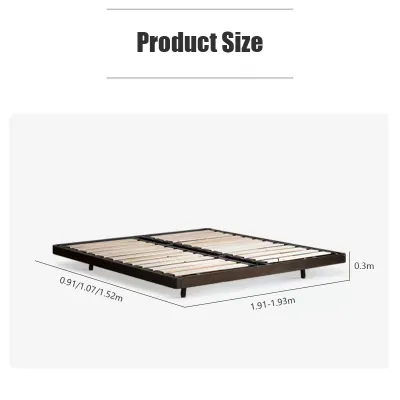
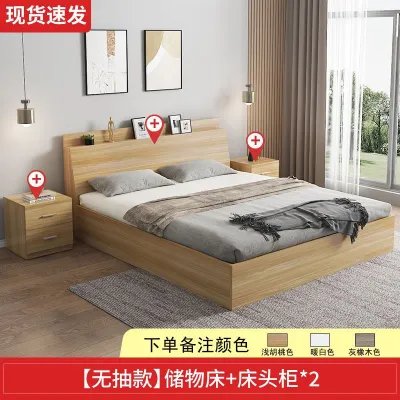
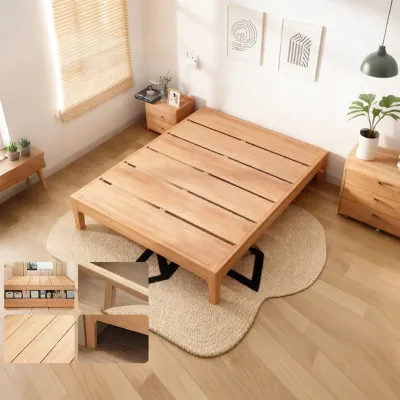
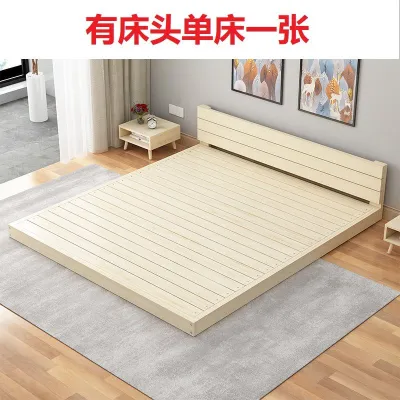
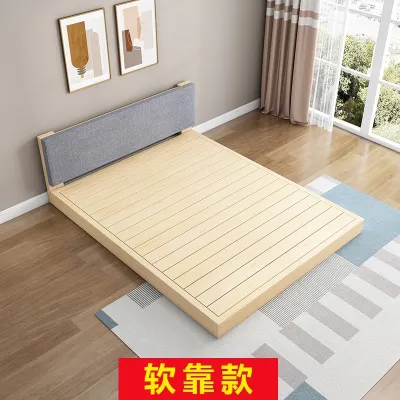
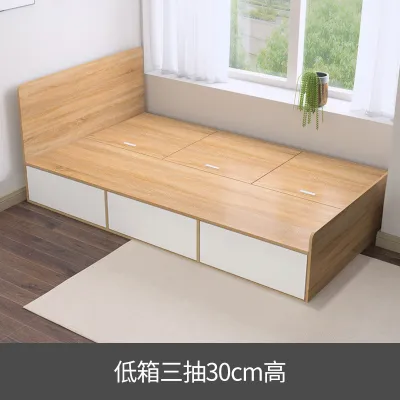

Prices are valid at publication and may change. Please refer to the product page for the latest price.
From a developmental perspective, floor-level beds offer significant practical benefits for growing children. By eliminating the height of standard bed frames, they drastically minimize the risk of severe fall injuries, providing peace of mind for parents transitioning toddlers from a crib. Additionally, the low-profile design fosters a child’s physical independence, allowing them to climb in and out of bed safely without adult assistance, which supports their daily confidence and motor skill development.
However, the proximity of a tatami bed frame to the floor introduces specific environmental and physical risks that parents must actively monitor. Because the mattress sits close to the ground, it is more exposed to dust, pet dander, and floor-level allergens, which can accumulate rapidly in enclosed, air-conditioned rooms. Furthermore, the lack of substantial under-bed clearance restricts natural airflow, creating a microclimate prone to moisture retention. Parents must also carefully inspect any integrated storage compartments to ensure there are no entrapment hazards or heavy, unsecured lids that could pose a risk to curious toddlers.
How to Evaluate and Choose Trusted Local Brands
When searching for a reliable tatami bed frame brand in Singapore, relying solely on online product listings can be risky. Visiting a physical showroom in local furniture hubs like Ubi, Toh Guan, or Joo Chiat is highly recommended to inspect the build quality firsthand. In a showroom, you can physically test the rigidity of the frame, check the smoothness of the edge finishing, and assess whether the joints squeak or wobble under pressure. This hands-on evaluation ensures you purchase a structurally sound piece of furniture rather than relying on polished digital marketing images.

Warranty terms and local after-sales support are critical indicators of a brand’s reliability and confidence in its products. A trusted brand should offer a clear, written warranty covering structural defects, joint failures, or hardware malfunctions for at least one to three years. Before purchasing, verify the brand’s customer service responsiveness and check whether they have a dedicated local service team in Singapore to handle repairs, part replacements, or adjustments quickly if issues arise after installation.
Material transparency is another hallmark of a reputable manufacturer. Avoid brands that use vague marketing terms like “eco-wood” or “premium composite” without specifying the actual materials. Trusted brands will openly disclose the exact wood species used, the grade of engineered wood (such as E1 or E0 low-formaldehyde boards), and the specific types of adhesives and topcoats applied. This level of detail allows you to make an informed decision regarding the durability and chemical safety of the furniture entering your child’s sleeping environment.
Finally, evaluate the brand’s delivery and assembly services to ensure they can navigate local residential constraints. Singapore’s high-rise living means furniture must be transported through HDB or condominium lifts, narrow corridors, and standard door frames. A reliable brand will provide professional, in-house delivery and assembly teams who are experienced in leveling platform beds on slightly uneven floors and securing modular components safely. Always review the brand’s return and exchange policies in case the delivered frame exhibits manufacturing defects or does not fit the designated space.
Essential Safety and Design Features to Look For
To ensure a tatami bed frame is entirely safe for a child’s room, parents must examine several key structural and mechanical design features.
- Structural stability: The bed frame must have a robust, wide base that distributes weight evenly across the floor. It should not shift, slide, or tip over when a child jumps, leans, or plays on the edge. Look for frames with non-slip rubber pads on the underside or those heavy enough to remain firmly anchored in place.
- Edge and corner treatments: Children's furniture must be free of sharp, 90-degree edges that can cause painful impact injuries. Ensure all accessible corners of the platform, headboard, and footboard are smoothly rounded with a generous radius or wrapped in soft, protective padding.
- Storage safety mechanisms: If the tatami frame features integrated storage, the mechanical hardware must be child-safe. Hydraulic lift-up platforms must include safety lock bars to prevent accidental closure, slow-descend dampers, and finger-pinch guards. Drawers should be equipped with soft-close runners and safety stops to prevent them from being pulled completely out of the frame.
- Slat spacing and mattress support: If the frame uses a slatted base rather than a solid platform, the gaps between the slats must meet safety guidelines. Slat spacing should ideally be kept under 5 to 7 centimeters to prevent the mattress from sagging and, more importantly, to eliminate any risk of a child's arm or leg slipping through and becoming trapped.
- Base ventilation: To combat Singapore's high humidity, look for tatami frames designed with built-in ventilation channels, perforated platform panels, or elevated slatted bases. These design elements encourage continuous airflow beneath the mattress, preventing the buildup of condensation and reducing the risk of mold and mildew growth.
Navigating Wood Materials and Finishes for Local Climates
Selecting the right material for a tatami bed frame requires balancing durability, weight, and moisture resistance under Singapore’s specific climate conditions. Solid wood, such as rubberwood, oak, or teak, offers exceptional longevity and natural beauty, but it can be susceptible to minor warping or cracking if exposed to extreme fluctuations in humidity and temperature—such as switching between hot daytime air and cold nighttime air-conditioning. Engineered woods, including high-quality plywood and medium-density fiberboard (MDF), offer excellent dimensional stability and are less likely to warp, but they must be thoroughly sealed on all sides to prevent moisture absorption and swelling.
Beyond the structural material, the finishes and adhesives used during manufacturing directly impact the indoor air quality of your child’s bedroom. Many conventional furniture varnishes and glues emit volatile organic compounds (VOCs) like formaldehyde, which can cause respiratory irritation and exacerbate allergies. When evaluating brands, prioritize those that use certified low-VOC, water-based lacquers, or natural oil finishes. Look for recognized safety certifications, such as the Singapore Green Label or European EN71-3 compliance, which indicate the finish is safe for children’s furniture and toys.
Maintaining a wooden tatami bed frame in a humid, air-conditioned environment requires consistent care to prevent structural damage. If you need to clean or treat the wood, first check the applied product’s label and the treated item’s manufacturer instructions. If instructions conflict, the wood type is unidentified, or the recommended use is not covered, stop and consult the manufacturer or a qualified furniture restoration professional. To preserve the wood’s integrity, wipe down the frame with a dry or slightly damp microfiber cloth, avoid harsh chemical cleaners, and maintain a stable indoor humidity level using a dehumidifier or air conditioner.
Pre-Purchase Measurements and Delivery Checklist
Before finalizing your purchase of a tatami bed frame, taking precise measurements of both the bedroom and the delivery route is essential to avoid costly logistical errors.
- Room dimensions and clearance: Measure the available floor space accurately, keeping in mind that tatami platform frames often have a larger footprint than standard bed frames due to extended ledges or integrated steps. Ensure the bed does not block built-in wardrobe doors, air-conditioning airflow, window sills, electrical outlets, or the natural walking path through the room. Also, verify that the height of the bed, including the mattress, allows safe clearance from low-hanging ceiling fans.
- Delivery access verification: Measure the dimensions of your residential lift door, the interior cabin height and depth, staircase turns, and all doorway widths leading to the bedroom. Large, pre-assembled tatami platform sections or long side rails can be incredibly difficult to maneuver through tight HDB corridors or narrow condominium entryways. Share these measurements with the brand's delivery team beforehand to confirm accessibility.
- Post-assembly inspection: Once the installation team has completed the assembly in your home, perform a thorough physical inspection before signing off on the delivery. Shake the frame gently to ensure there are no structural wobbles or squeaks, run your hands along all edges and joints to check for exposed screws or splinters, test the smooth operation of all drawers and hydraulic lifts, and verify that all structural fittings are securely tightened.
Frequently Asked Questions (FAQ)
Do tatami bed frames require a specific type of mattress?
Yes, tatami bed frames generally perform best with mattresses that are specifically compatible with low-profile, solid, or slatted platform bases. It is crucial to choose a highly breathable mattress, such as one with an open-cell latex or pocketed spring construction, to facilitate airflow and prevent moisture buildup underneath. Additionally, pay close attention to mattress thickness; an overly thick mattress (exceeding 25 to 30 centimeters) can make the bed too high, negating the safety benefits of a low-profile floor bed and potentially blocking integrated storage access or safety guardrails.
How can I prevent mold under a low-profile bed in Singapore?
Preventing mold under a low-profile tatami bed in Singapore’s humid climate requires active environmental management and regular maintenance. Ensure the bedroom is well-ventilated by opening windows during dry days or running a dehumidifier to keep indoor humidity levels between 40% and 60%. Avoid placing the bed frame directly against damp external walls, and leave a small gap for air circulation. Periodically lift the mattress—ideally once every few weeks—to let both the underside of the mattress and the wooden platform air out. If you apply any mold-prevention sprays or cleaning agents to the frame, always check the applied product’s label and the bed frame manufacturer’s care instructions first; if instructions conflict, stop and consult a professional.
Are floor-level beds safe for toddlers transitioning from a crib?
Floor-level tatami beds are highly suitable and safe for toddlers transitioning from a crib, provided the entire bedroom is thoroughly baby-proofed. Because the child can easily get out of bed independently, you must secure heavy furniture (like wardrobes and chests of drawers) to the walls using anti-tip straps, cover all electrical outlets, and ensure there are no loose cords or choking hazards within reach. For younger toddlers who tend to roll during sleep, consider choosing a tatami frame with low, rounded boundary rails or placing a soft rug alongside the bed to cushion any accidental rolls onto the floor.
Community discussion
Share your experience or ask a question. Comments are reviewed before publication.