
Homeowners in Singapore often face the frustrating challenge of solid wood cupboards swelling, sticking, or warping due to the region’s persistent high humidity. To prevent these structural distortions, selecting a wood species cupboard made from naturally stable timber—such as teak, white oak, or mahogany—is crucial, but the ultimate resistance to warping depends equally on structural joinery, proper kiln-drying, and protective surface finishes. While certain species possess natural oils and tight grain structures that slow down moisture absorption, no raw wood is entirely immune to tropical humidity without the support of sound construction techniques and regular maintenance.
Why Does High Humidity Cause Solid Wood to Warp?
Solid wood is a hygroscopic material, meaning it behaves like a natural sponge that constantly exchanges moisture with the surrounding air to reach an equilibrium moisture content. In a tropical climate like Singapore’s, where relative humidity frequently hovers above 80 percent, raw wood fibers absorb airborne water vapor, causing the cellular structure to expand. Conversely, when indoor conditions dry out, the wood releases this moisture and contracts. This continuous cycle of expansion and contraction is the fundamental driver of dimensional instability in wooden furniture.
The primary reason this moisture exchange leads to warping, rather than uniform size changes, lies in the anisotropic nature of wood. Wood does not expand or contract equally in all directions. It experiences different rates of dimensional change along three distinct axes: tangential (parallel to the growth rings), radial (across the growth rings), and longitudinal (along the direction of the grain).
Products mentioned in this guide
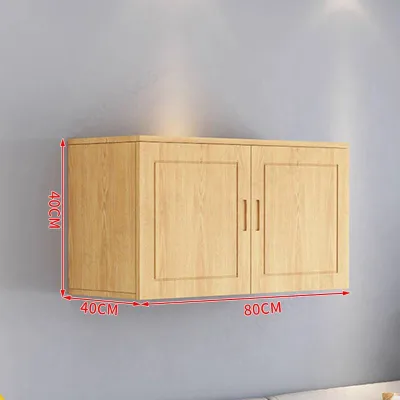
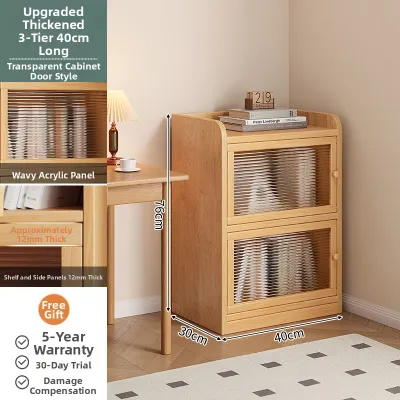
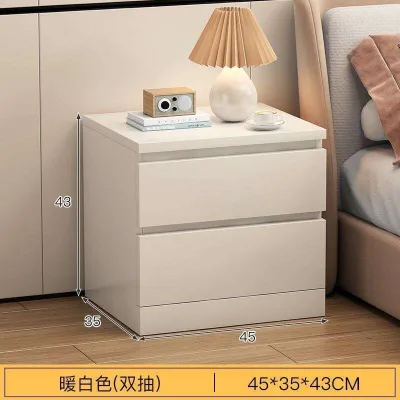
5 Lazada user ratings
I received this five-drawer cabinet. It's not difficult to assemble, and it looks good after assembly. The solid wood color looks very natur…Read full reviewShow less
I received this five-drawer cabinet. It's not difficult to assemble, and it looks good after assembly. The solid wood color looks very natural. The five drawers have enough storage space and can be placed in both the living room and the bedroom. It's stable when placed against the wall, and the drawers slide smoothly. It's very convenient for storing things. I like it very much.
This five-drawer cabinet is pretty good. The solid wood color looks very comfortable, with a modern minimalist style, suitable for both the …Read full reviewShow less
This five-drawer cabinet is pretty good. The solid wood color looks very comfortable, with a modern minimalist style, suitable for both the bedroom and the living room. It doesn't take up much space when placed against the wall. The five drawers can hold quite a lot of things; underwear, socks, sundries, etc., can all be stored separately. It's very practical.
This five-drawer cabinet is nice. The modern minimalist style with solid wood color is very elegant. It fits perfectly against the wall in t…Read full reviewShow less
This five-drawer cabinet is nice. The modern minimalist style with solid wood color is very elegant. It fits perfectly against the wall in the bedroom. The five drawers are designed reasonably, making it convenient to take and put things, and can keep the room neat and tidy. The workmanship looks good, and it's easy to use. I'm quite satisfied.
I bought this five-drawer cabinet for the living room. It's in solid wood color, which looks textured and has a touch of luxury. The five dr…Read full reviewShow less
I bought this five-drawer cabinet for the living room. It's in solid wood color, which looks textured and has a touch of luxury. The five drawers have a large capacity, and all the small items in the house can be stored in them. The tabletop can also hold a vase or something, which is nice and practical, and matches the home decoration well.
The house was short of a storage cabinet, and this five-drawer cabinet is just right. The solid wood color is simple and has a bit of class.…Read full reviewShow less
The house was short of a storage cabinet, and this five-drawer cabinet is just right. The solid wood color is simple and has a bit of class. The five drawers can hold quite a lot of things, storing all the odds and ends, making the house look much cleaner. It doesn't look out of place anywhere. It's a very practical one.
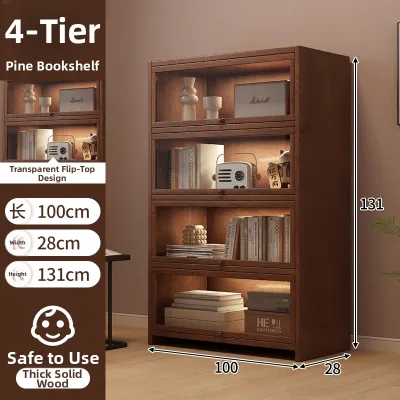
4 Lazada user ratings
It's really good; having cabinet doors makes everything look much neater and cleaner! The color is also very nice.
The cabinet is great, and the installation service was very professional and meticulous.
The bookshelf is really nice. Looking forward to buying from you again.
Design:Product has a decent design
Prices are valid at publication and may change. Please refer to the product page for the latest price.
Tangential movement is typically the greatest, often twice as much as radial movement, while longitudinal movement is minimal. When a wood panel absorbs moisture unevenly, these conflicting rates of expansion create severe internal stresses, forcing the wood to cup, bow, twist, or crook.
This physical stress is severely compounded in modern living spaces that utilize intermittent air conditioning. When the air conditioning is running, the indoor air becomes significantly cooler and drier, forcing the cupboard doors and panels to contract rapidly. Once the system is turned off, the ambient tropical humidity rushes back in, causing the wood to swell again. These rapid, daily fluctuations in temperature and humidity accelerate the internal stress within the timber, making solid wood cupboards particularly vulnerable to warping if the species or construction is not suited to handle these shifts.
What Construction Features Prevent Wood Cupboards from Warping?
While selecting a stable wood species cupboard is an important first step, structural design plays an equally critical role in preventing warping. Large, flat surfaces like cupboard doors and side panels are highly susceptible to bending if they are made from a single, solid slab of wood. To mitigate this risk, high-quality cabinetry relies on frame-and-panel construction, often referred to as cope-and-stick or five-piece door construction.

This design isolates the central panel within a sturdy outer frame, allowing the panel to expand and contract freely within its grooves without forcing the entire door frame out of alignment. For a frame-and-panel system to work effectively, the central panel must not be glued or nailed directly to the surrounding frame. Instead, it must sit loosely within the grooves, supported by small expansion gaps or flexible space balls that absorb dimensional shifts.
Other joinery techniques, such as sliding dovetails, tongue-and-groove joints, and mortise-and-tenon frames, are specifically engineered to guide wood movement along predictable paths. These methods ensure that when the wood inevitably expands during humid periods, it does so without cracking the joints or pushing the cupboard doors out of square.
Before purchasing a solid wood cupboard, buyers should carefully inspect the product specifications, assembly instructions, and manufacturer labels for explicit indications of movement allowance. Look for terms like “floating panel construction” or “integrated expansion joints” in the product description. If you are inspecting a physical piece in a showroom, check whether the central panels have a slight amount of play when gently pressed, and verify that the hinges are adjustable. Adjustable hinges are essential in tropical climates, as they allow you to easily realign doors that experience minor seasonal shifts without damaging the wood itself.
How Do Surface Finishes Affect Moisture Resistance?
No solid wood species cupboard can resist the effects of high humidity indefinitely without an appropriate surface finish. Finishes act as a protective barrier that slows down the rate of moisture exchange between the wood fibers and the surrounding atmosphere. It is important to understand that finishes do not completely block moisture; rather, they retard the absorption process so that the wood can adapt to humidity changes gradually, preventing sudden, uneven swelling.
The level of protection depends heavily on the type of finish applied to the cupboard. Penetrating finishes, such as linseed or tung oil, soak deep into the wood pores to highlight the natural grain, but they offer relatively low resistance to water vapor and require frequent reapplication. Traditional waxes provide a smooth, low-sheen aesthetic but offer minimal protection against high humidity.
For enhanced moisture resistance in tropical climates, film-forming finishes like polyurethane, lacquer, or specialized varnishes are highly effective. These coatings cure into a solid, continuous plastic-like layer over the wood surface, creating a highly resilient barrier against ambient moisture.
When evaluating a wood species cupboard, consumers should check the manufacturer’s care manuals and product labels to identify the specific finish used. Verify whether the finish has been applied evenly to all sides of the furniture, including the interior shelves, back panels, and underside. If only the exterior faces are finished, the unfinished interior surfaces will absorb moisture much faster than the sealed outer surfaces, leading to severe, asymmetrical warping. Additionally, look for manufacturer guidelines regarding the coating thickness and the recommended reapplication schedule to maintain the integrity of the moisture barrier over time.
Particular attention must be paid to the end grain of the wood, which is found at the top and bottom edges of doors, posts, and panels. The end grain consists of open wood pores that act like drinking straws, absorbing moisture up to ten times faster than the face grain. If these vulnerable areas are left unsealed, rapid moisture ingress will quickly cause the wood to split and warp. During a physical product inspection, run your hand along the top and bottom edges of the cupboard doors to visually and physically verify that these end-grain sections have been thoroughly sealed with the same protective coating as the rest of the cabinet.
What Maintenance Steps Protect Wood Cupboards in Tropical Climates?
Maintaining a stable indoor environment is a highly effective way to preserve the longevity of a solid wood cupboard in a tropical climate. Homeowners can monitor indoor relative humidity levels using a simple digital hygrometer placed near the furniture. Most furniture manufacturers specify an optimal indoor relative humidity range of 40 to 60 percent for solid wood items.
If the hygrometer consistently reads above this range, utilizing dehumidifiers, running air conditioning on a dry cycle, or ensuring adequate natural ventilation during dry spells can help stabilize the indoor environment and minimize wood movement.
Cleaning routines must also be adapted to protect the wood’s moisture barrier. Avoid using wet cloths, steam cleaners, or dousing the cupboard with water, as excess liquid can seep into joints and under the finish, triggering localized swelling. Instead, use a dry or slightly damp microfiber cloth to wipe away dust and debris. If a damp cloth is necessary to remove a smudge, immediately follow up with a dry cloth to eliminate any residual surface moisture. Additionally, steer clear of harsh chemical cleaners, ammonia-based sprays, or abrasive polishes, which can degrade the protective polyurethane or lacquer coating over time.
Regularly inspect the cupboard for early, observable warning signs of moisture stress or finish failure. Look for doors that have begun to stick or rub against the frame, hairline cracks in the finish, or slight gaps opening up at the joints. If you notice minor door misalignment, check if the hinges can be adjusted to restore clearance. However, if you observe severe structural warping, deep splitting along the wood grain, or widespread peeling of the protective topcoat, stop attempting DIY adjustments. At this stage, continuing to force doors shut or attempting to sand down warped edges can cause permanent structural damage, and you should consult a qualified furniture repair professional or the original manufacturer for restoration options.

Community discussion
Share your experience or ask a question. Comments are reviewed before publication.