
Finding the ideal children table and chair set for a compact Singapore living room requires balancing child-friendly functionality with the spatial constraints of modern HDB flats. The most effective option is a highly stable, visually lightweight set with a compact physical footprint—such as a nesting design where chairs tuck completely under the table, or a collapsible set that can be stored out of sight when not in use. By prioritizing multi-functional designs, neutral aesthetics, and accurate clearance measurements, you can create a dedicated developmental zone for your child without compromising the comfort and flow of your shared family living space.
Assessing Your Living Room Space and Clearance Needs
Before browsing online marketplaces or visiting local furniture showrooms, you must accurately measure the physical boundaries of your designated play or study zone. In a typical Singapore HDB layout, the living room serves as a multi-functional hub where family members relax, watch television, and move between bedrooms. To prevent the children table and chair set from turning into a permanent physical obstacle, start by mapping out the available floor area using painter’s tape. This low-risk visualization technique helps you see how much open floor remains once your adult sofas, TV consoles, and coffee tables are accounted for.
Measuring the static dimensions of the furniture is only the first step; you must calculate the active operational footprint. A child does not sit stationary in a tightly tucked chair. To determine the true space required, measure the depth of the table and add the depth of the chairs when fully pulled out. You should also factor in an additional 30 to 40 centimeters of clearance behind the chairs. This extra space allows your child to pull the chair back, sit down, and stand up safely without bumping into walls, adult furniture, or passing family members.
Products mentioned in this guide
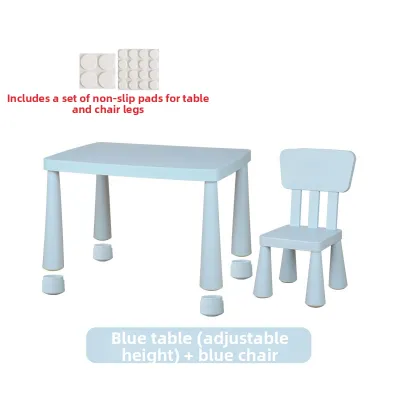
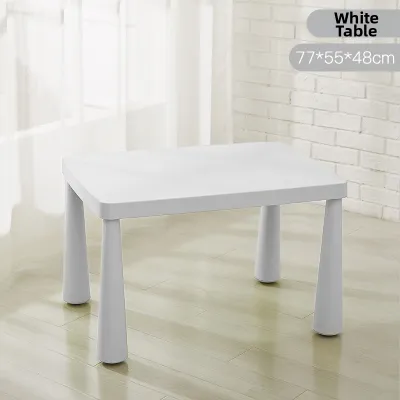
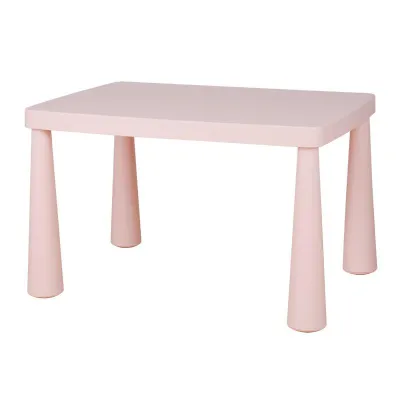
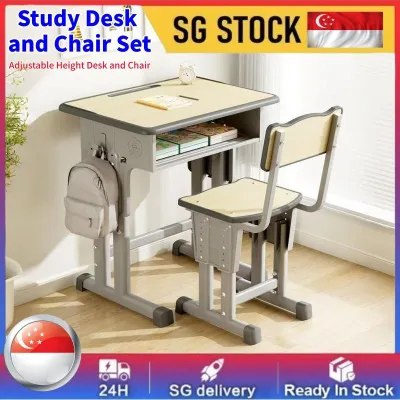
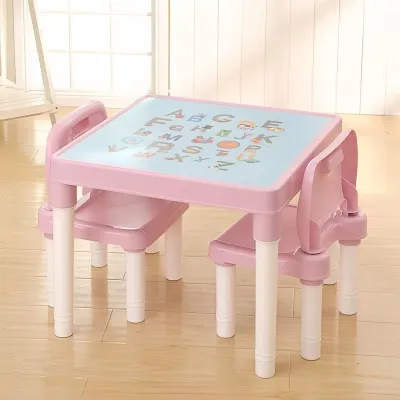
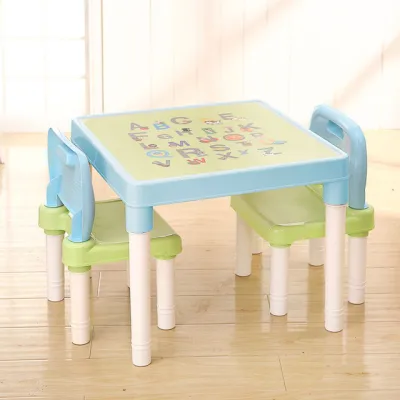
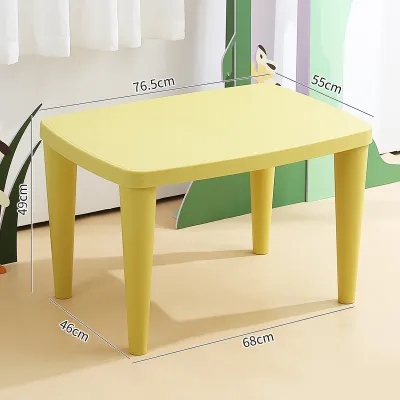
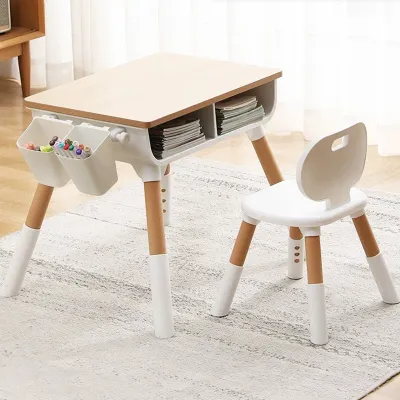
Prices are valid at publication and may change. Please refer to the product page for the latest price.
Maintaining unobstructed pathways is critical for home safety and daily convenience. Ensure that the active footprint of the children’s set does not encroach on primary high-traffic walkways. Walkways leading to the kitchen, bedrooms, main entrance, or balcony must remain completely clear. If your household utilizes strollers, bulky laundry baskets, or wheelchairs, preserve a minimum clearance corridor of 90 centimeters. Keeping these pathways open prevents accidental trips and ensures that your child can focus on their activities in a quiet, undisturbed corner of the room.
Finally, do not forget to verify delivery and access constraints. Before finalizing any furniture purchase, check the finished dimensions against your HDB lift door width, main entrance gate, and internal doorways. Pre-assembled wooden sets can be surprisingly bulky and difficult to maneuver through tight corners. Ensuring the packaged or assembled set can easily pass through these entry points prevents delivery day headaches and potential damage to your walls and door frames.
Space-Saving Designs for Compact Shared Areas
When square footage is limited, standard children’s furniture can quickly make a living room feel cluttered. Selecting a set specifically engineered for compact spaces allows you to reclaim valuable floor area when the furniture is not in use.

Foldable and Collapsible Sets
Foldable children table and chair sets offer the ultimate flexibility for multi-use living rooms, as they can be set up for afternoon activities and packed away before dinner. When evaluating foldable options, safety must be your primary focus. Inspect the folding mechanisms for secure locking hinges, safety pins, or tension bars that prevent the table or chairs from collapsing accidentally if a child leans heavily on one side. The frame must remain rigid and wobble-free when locked into the open position.
Storage convenience is another critical factor. Verify the folded dimensions of both the table and chairs to ensure they can slip easily into a narrow gap, such as the space beside a wardrobe, behind a sofa, or inside a household shelter. Additionally, check the total weight of the set. The materials should be light enough for an adult to carry and set up single-handedly, yet substantial enough to resist tipping over during active play.
Stackable and Nesting Options
Stackable and nesting designs utilize vertical space to minimize the physical footprint of the furniture. Nesting sets are particularly efficient because the chairs are designed to slide completely underneath the table apron when not in use. This turns the entire set into a single, neat block that occupies only the footprint of the tabletop itself. When choosing a nesting set, verify that there are no low-hanging support bars or storage shelves under the table that might prevent the chairs from sliding all the way in.
If you have multiple children and require multiple chairs, stackable chairs are an excellent alternative. Compare the height of the stacked chairs against your available vertical clearance under the table or inside your storage cupboards. Examine the design of the stacking mechanism to ensure there are no tight gaps or scissor-like joints that could pinch little fingers during stacking. The stacked pile must also remain highly stable and resistant to tipping if accidentally bumped by pets or family members.
Multi-functional and Convertible Designs
Multi-functional furniture justifies its permanent presence in your living room by serving more than one purpose. Look for children’s tables featuring built-in storage solutions, such as recessed central bins, under-table drawers, or hanging side pockets. These integrated compartments keep art supplies, building blocks, and picture books organized right at the source, eliminating the need to add extra storage cabinets or toy chests to your living room layout.
Adjustable-height tables and chairs are another smart investment for compact homes. These sets feature legs that can be raised or lowered as your child grows, extending the usable life of the furniture from toddlerhood through early primary school. When the children are not using the set, a beautifully crafted, neutral-toned adjustable table can even double as a low sofa side table or a temporary display console for adult books and decorative items, seamlessly blending back into the adult living space.
Blending Children's Furniture with Adult Living Spaces
One of the biggest design challenges in a small HDB flat is maintaining a cohesive aesthetic. Introducing brightly colored, cartoon-themed plastic furniture can instantly disrupt the design flow of a carefully curated living room, making the space feel visually chaotic and smaller than it actually is. To preserve a sense of harmony, select children’s furniture that complements your existing adult decor.
Opt for neutral color palettes, natural wood tones, or soft matte finishes. Light woods like birch, rubberwood, or beech pair beautifully with Scandinavian, Japandi, or modern minimalist interiors. If you prefer painted finishes, look for muted tones such as warm whites, soft greys, sage greens, or dusty blues. These colors coordinate naturally with typical adult living room elements, such as fabric sofas, textured rugs, and wooden TV consoles, creating a unified family environment.
In addition to color, consider the visual weight of the furniture. Heavy, solid-sided plastic chairs block light and views of the floor, which can make a small room feel incredibly cramped. Instead, choose visually light designs featuring slim, tapered legs, open spindle backrests, or clean frames. Elevating the furniture off the floor on slender legs allows light to pass through and keeps the floor visible, preserving an airy, spacious feel in your shared living area.
Safety and Stability Checks for High-Traffic Zones
Because your child’s play area will share space with daily family traffic, the furniture must be exceptionally safe and stable to prevent accidents in a busy environment.
- Rounded Edges and Corners: Ensure that every corner of the tabletop and chair frame is smoothly rounded with a generous radius. Sharp 90-degree corners pose a significant hazard to both active toddlers and passing adults who might accidentally brush against the furniture in a narrow walkway.
- Anti-Slip and Non-Marking Foot Pads: Check that the legs of both the table and chairs are fitted with high-quality rubber, silicone, or dense felt pads. These pads serve two vital purposes: they prevent the furniture from sliding dangerously when a child leans on it to stand up, and they protect your living room flooring—whether it is vinyl, laminate, or polished homogeneous tiles—from unsightly scratches and scuff marks.
- Low-Profile and Tripping Hazard Prevention: Avoid sets with wide, splayed legs that extend far beyond the perimeter of the tabletop or seat. While splayed legs offer excellent stability, they can easily trip up family members walking past in a compact room. Look for a balanced design where the legs stay relatively flush with the outer edges of the furniture.
- Weight Limits and Tip-Over Stability: Review the manufacturer's specified weight capacities for both the table and the chairs. Children frequently lean, climb, or sit on the edges of tables. The table must have a low center of gravity and a wide, stable base of support so that it will not tip over even if a child applies downward pressure on the very edge of the tabletop.
Common Sizing and Placement Mistakes to Avoid
A common mistake among homeowners is purchasing a children table and chair set based solely on its static dimensions, only to find that the room becomes completely congested during actual use. Always remember to measure and test the room with the chairs fully pulled out. If you cannot comfortably walk past the set while your child is seated, the set is too large for that specific location, or you need to select a more compact model.
Another frequent error is placing the children’s play set too close to potential household hazards. Avoid positioning the table directly under wall-mounted air conditioning units where cold drafts can blow directly onto your child, or directly beneath ceiling fans where rising dust might settle. Keep the set a safe distance away from heavy, unanchored adult furniture—such as tall bookshelves or display cabinets—and away from floor lamps, electrical outlets, and trailing cords that could be pulled down during active play.
Finally, resist the temptation to buy an oversized “grow-with-me” study desk too early. While it may seem economical to buy a large desk that your toddler can use until primary school, these bulky pieces cannot be easily stored or tucked away. They permanently occupy valuable floor space, transforming your relaxing family living room into a cluttered classroom long before it is necessary. Stick to a compact, age-appropriate, and easily manageable set that fits your current HDB layout comfortably.
Frequently Asked Questions (FAQ)
Are wall-mounted fold-down tables safe for toddlers?
Wall-mounted fold-down tables are generally not recommended for toddlers. While they are exceptional space-savers, they require secure anchoring into structural concrete walls or solid wall studs to be safe. In many Singapore HDB flats, internal partition walls are made of lightweight drywall or hollow blocks, which may not support the dynamic load of a child pulling down on the table. Furthermore, toddlers lack the motor skills and coordination to operate drop-leaf mechanisms safely. They are highly likely to pull on the table edges to stand up, which can cause the mechanism to fail or pinch their fingers. These tables are far better suited for older, school-aged children.
How do I measure the true footprint of a chair?
To measure the true footprint of a chair, do not just measure the seat cushion. Instead, measure the maximum distance from the outermost point of the front legs to the furthest projecting point of the backrest. Many children’s chairs feature slightly angled or splayed back legs to improve stability and prevent backward tipping; this angle can add several centimeters to the chair’s actual depth. Once you have this maximum static measurement, add an additional 30 to 40 centimeters of pull-out clearance. This combined figure represents the actual floor space the chair will consume when your child is actively using it.
Community discussion
Share your experience or ask a question. Comments are reviewed before publication.