
Finding a sofa rotating chair that doubles as a guest bed for a compact Singapore apartment—such as a modern HDB flat or a cozy condominium unit—requires a careful balance of spatial planning, mechanical verification, and structural assessment. While these multi-functional pieces offer excellent space-saving utility by combining a swivel armchair and an occasional single bed, they demand more clearance than standard stationary furniture. To make a successful choice, you must evaluate the exact rotational sweep, the fully extended bed footprint, and the specific load-bearing capacities of the conversion mechanisms. Rather than relying on generic marketing claims, a methodical approach based on physical measurements and manufacturer specifications is essential to ensure the piece fits your layout and functions reliably over time.
Key Dimensions and Space Requirements for Compact Layouts
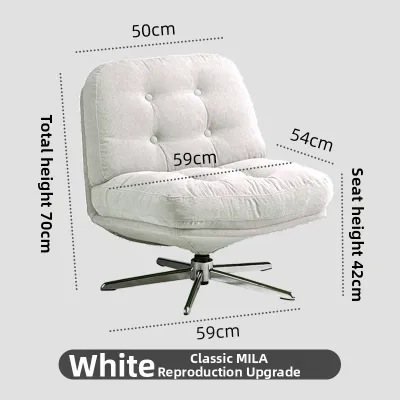
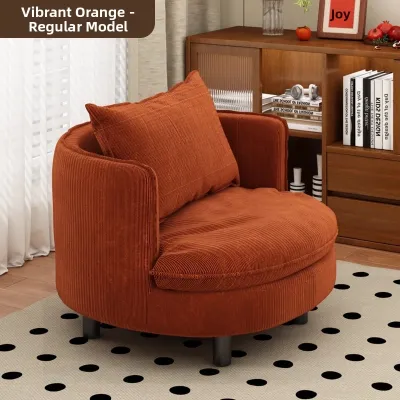
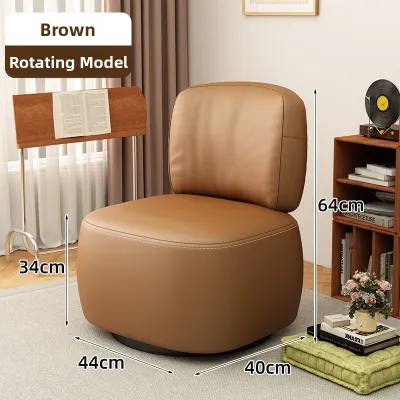
Integrating a dual-purpose rotating chair into a small living room or study requires measuring two distinct footprints: the active rotation zone and the fully extended sleeping layout. The chair needs a clear circular radius to swivel 360 degrees without striking walls, television consoles, or adjacent side tables. To calculate this, measure the distance from the center of the swivel base to the furthest corner of the chair’s backrest or armrest, then add a safety buffer of at least 5 to 10 centimeters to prevent accidental wall scrapes.
When converted into a bed, the chair’s footprint expands significantly, typically extending outward by 180 to 200 centimeters. You must map this extended length onto your floor plan to ensure it does not block primary walkways, household shelter doors, or built-in wardrobe access. A layout that requires moving heavy coffee tables or dining chairs every time a guest stays overnight quickly becomes impractical, so plan for a permanent clear path around the fully deployed bed.
Products mentioned in this guide
![[Free installation] Electric Recliner Sofa Chair | Single Zero Gravity Motorized Lounge Chair | Rotating Lazy Sofa Bed with Warranty](https://img.lazcdn.com/g/p/76a9b5a7220bfea1b826a65095b7fbbc.jpg_400x400q80.jpg_.webp)
Prices are valid at publication and may change. Please refer to the product page for the latest price.
Delivery logistics present another critical spatial constraint in Singapore’s high-rise residential landscape. Before finalizing a purchase, measure the clear entry width of your front door frame, any narrow hallway turns, and the interior dimensions of your estate’s passenger lift. Many HDB main doors provide a clear opening width of approximately 80 to 90 centimeters, which can be tight for fully assembled mechanical chairs. Verifying whether the chair is delivered flat-packed or if the swivel base can be detached during transport is vital to avoid costly delivery failures.
Finally, consider the vertical and horizontal clearance required for the conversion process itself. Some mechanisms require you to pull the frame forward before unfolding, while others fold straight down from the back. If the chair must sit flush against a wall during daily use, you will need enough physical clearance to pull the unit forward easily without damaging your flooring or straining your back.
Evaluating the Rotation and Bed Conversion Mechanisms
The mechanical integrity of a rotating sleeper chair determines both its longevity and its safety during daily use. The swivel base, which typically consists of a heavy-duty steel ring, disc, or star-shaped pedestal, must support the weight of a seated user while rotating smoothly. When evaluating these bases, check the manufacturer’s specifications for the maximum weight capacity, keeping in mind that rotating mechanisms experience dynamic forces that stationary frames do not.

Safety is a paramount concern when transitioning from a swivel chair to a stationary bed. Without a reliable locking mechanism, the bed frame could pivot or swing when a guest rolls over or shifts weight during the night. Look for models that feature automatic gravity locks, manual locking pins, or stabilizing support legs that extend to the floor and lift the swivel base slightly off the ground when the bed is deployed. These design elements isolate the rotating joint, ensuring the sleeping platform remains completely stationary.
Ease of conversion is another factor that varies widely across different mechanical designs. Common configurations include pull-out drawer systems, click-clack backrests, and multi-fold metal frames. Test or research the physical effort required to operate the mechanism; a single user should be able to transition the chair to a bed without excessive lifting or force. High-quality mechanisms often incorporate gas-assist struts or smooth-gliding nylon rollers that minimize friction and prevent the metal tracks from binding over time.
Additionally, inspect the quality of the joints, rivets, and hinge points on the folding frame. Loose connections or thin metal brackets are prone to bending under repeated use, which can misalign the entire mechanism and prevent the chair from folding back into its upright position. Choosing a robust, powder-coated steel frame over lightweight aluminum or plastic-jointed alternatives provides better structural stability for long-term use.
Comfort and Material Checks for Dual-Purpose Use
Achieving comfortable seating and supportive sleeping on the same piece of furniture requires a careful look at cushion construction and upholstery materials. Standard armchairs often use soft, high-loft fiber fill for a plush feel, but a guest bed requires firmer, high-density polyurethane foam to support the spine and prevent the sleeper from feeling the underlying metal frame. Look for dual-density foam cores that offer a supportive base layer topped with a slightly softer comfort layer.
Inspect the sleeping surface for structural gaps, deep seams, or hard frame edges that can cause discomfort. When a rotating chair unfolds, it often relies on three separate cushioned sections—the backrest, the seat, and an extended footrest—to form the mattress. If these sections do not align flush or if the gaps between them are wider than a few millimeters, the sleeper may experience pressure points. Using a thin, breathable mattress topper can help bridge these gaps and protect the upholstery from sweat and wear.
Singapore’s warm and humid climate makes fabric selection and maintenance critical for guest beds. Upholstery labels should be checked for fiber content, breathability, and official cleaning codes. Removable, washable covers are highly advantageous for guest furniture, as they allow you to launder the sleeping surface between visitors. If the cover is fixed, prioritize tightly woven synthetic blends or treated fabrics that allow for easy spot cleaning and resist moisture absorption from the air.
Avoid assuming that a fabric is durable simply because of its name or appearance; instead, look for objective wear ratings such as the Martindale rub count on the product specification sheet. A rating of 15,000 rubs or higher is generally suitable for regular domestic use, ensuring the fabric can withstand both the friction of daily swiveling and the movement of a sleeping guest.
Building Your Shortlist: What to Verify Before Buying
Before committing to a specific sofa rotating chair, compile a targeted checklist to verify with the retailer or official brand store. This step ensures you do not encounter unexpected installation issues or find yourself with a product that does not match your apartment’s layout. Start by requesting the official technical assembly manual and a detailed dimensional diagram showing the chair in both its fully closed and fully extended states.
Confirm the exact terms of the product warranty, paying close attention to what is covered and for how long. Manufacturers often provide different warranty periods for the fabric upholstery, the wooden frame, and the mechanical metal parts. Because a rotating sleeper chair relies heavily on its swivel base and folding hinges, ensure these moving components are covered under a comprehensive warranty of at least one to two years.
Inquire about the delivery and assembly services offered by the retailer. Given the complexity of mechanical swivel bases and folding frames, professional assembly is highly recommended to ensure all safety locks, alignment pins, and tension springs are installed correctly. Ask if the delivery team will handle the unboxing, assembly, and placement in your target room, and verify if there are additional fees for walk-up stairs if your building’s lift is temporarily inaccessible.
Finally, review the retailer’s return and exchange policy regarding mechanical furniture. Since comfort is highly subjective and spatial clearances can be difficult to visualize perfectly, understand the conditions under which you can return or exchange the chair. Some retailers charge restocking fees or require the item to be in its original packaging, which is important to know before making your final investment.
Frequently Asked Questions (FAQ)
Can a rotating chair mechanism support the weight of two people when used as a bed?
Most sofa rotating chairs that convert into beds are designed strictly for single occupancy, with weight capacities typically capped between 100 and 150 kilograms. Because the entire structure pivots on a single central swivel joint, the concentrated load on the base is much higher than that on a standard four-legged stationary bed frame. Exceeding the manufacturer’s specified weight limit can bend the central spindle, damage the ball bearings, or cause the frame to tip over. Always consult the product manual for the exact static and dynamic weight limits before allowing multiple guests to use the bed.
How do I maintain the swivel base and conversion hinges?
Maintaining the moving parts of your rotating sleeper chair requires regular visual inspections and basic cleaning to prevent dust buildup. In Singapore’s humid environment, dust can combine with moisture to form a gritty paste that clogs the ball bearings in the swivel base and stiffens the folding hinges. Vacuum the base ring and tracks regularly using a soft brush attachment to remove lint and hair. If the mechanism begins to squeak or feel stiff, consult the manufacturer’s manual for approved lubricant types; avoid using generic household penetrating oils, which can attract more dirt and degrade plastic bushings.

Community discussion
Share your experience or ask a question. Comments are reviewed before publication.