
To choose a plastic bed cover that successfully prevents mould in Singapore’s tropical climate, you must look beyond basic waterproofing and select a cover engineered with a breathable, semi-permeable membrane. Standard, non-porous plastic sheets trap heat and body moisture, creating a damp micro-climate that encourages mould spores to colonise your mattress. By focusing on advanced materials like thermoplastic polyurethane (TPU), selecting designs that promote lateral airflow, and implementing proper installation and maintenance habits, you can protect your bed from spills without trapping destructive moisture.
Why Standard Plastic Covers Trap Moisture and Cause Mould
Standard plastic covers, typically made from heavy, non-porous vinyl or polyvinyl chloride (PVC), are designed to create an absolute liquid barrier. While this successfully blocks external spills, it also completely seals off the mattress from the surrounding air. During sleep, the human body naturally releases heat and moisture through perspiration and respiration. When this warm, humid air meets the cool, impermeable surface of a standard plastic cover, it cannot escape and instead condenses into liquid water droplets on the underside of the cover or within the top layers of the bedding.
Singapore’s year-round high humidity, which frequently exceeds 80%, combined with daily temperature fluctuations, greatly accelerates this condensation process. For instance, transitioning a bedroom from a warm afternoon to a cool, air-conditioned night causes rapid temperature shifts that draw moisture out of the air and trap it against the mattress. Without adequate ventilation, this trapped moisture has no way to evaporate, creating a stagnant, humid micro-climate.
Products mentioned in this guide
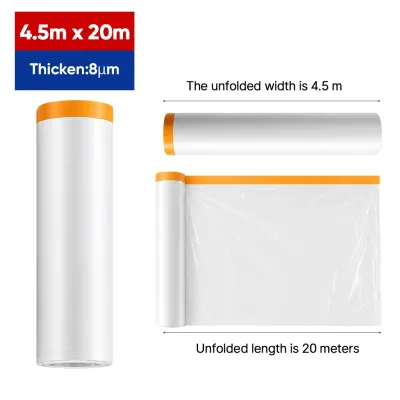
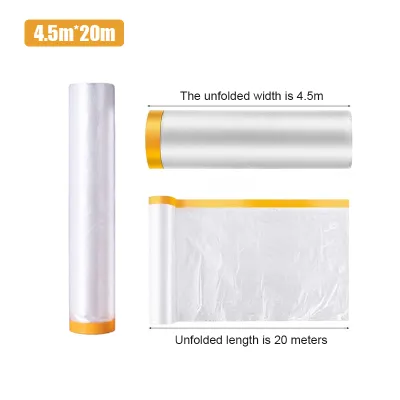
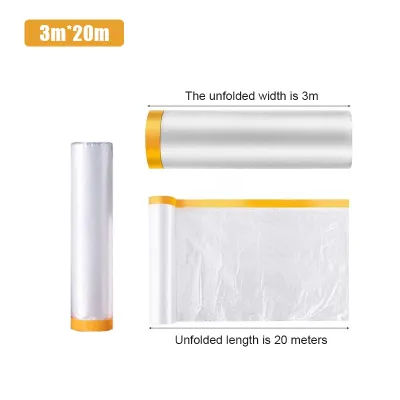
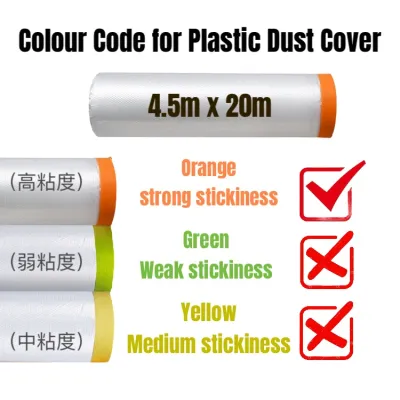
![[2-3 Days Delivery] 4.5m x 20m Plastic Dust Cover Protective Plastic Sheet Disposable Furniture Dustproof Cover Protective Cover Plastic Cover Plastic Film for Home Improvement CNY Gift Present](https://img.lazcdn.com/g/p/37fceab8fc43d4b3b58593d55aae9bcb.jpg_400x400q80.jpg_.webp)
Prices are valid at publication and may change. Please refer to the product page for the latest price.
This damp environment is highly conducive to the growth of mould and mildew. Mould spores are microscopic and naturally present in the air; they only require moisture, oxygen, and an organic food source—such as shed skin cells or mattress fibers—to begin colonising. A fully sealed, non-breathable plastic cover essentially acts as a greenhouse, trapping both the moisture and the ambient warmth needed for these spores to multiply rapidly.
To prevent this, it is crucial to understand the difference between basic waterproofing and active moisture management. Basic waterproofing simply stops liquid from passing through the material. Active moisture management, however, utilizes a semi-permeable barrier that blocks liquid water from entering while allowing microscopic water vapour molecules to escape, keeping the mattress dry and inhospitable to mould.
Design Features That Promote Airflow and Reduce Mould Risk
When selecting a protective cover, look for structural designs that actively mitigate condensation buildup. Many modern protective covers feature a laminated design where a soft, absorbent top fabric is bonded to an ultra-thin, semi-permeable membrane. This membrane contains microscopic pores that are too small for liquid water droplets to penetrate, yet large enough to allow individual water vapour molecules from sweat and humidity to pass through and evaporate.

The closure style of the cover also plays a significant role in air circulation. Fully zippered encasements offer comprehensive protection against spills and allergens on all six sides of the mattress, but they can trap air inside if the entire unit is made of non-breathable material. If you choose a zippered encasement, ensure it features highly breathable side panels or mesh vents that allow air to escape. Alternatively, fitted-sheet style covers protect the top sleeping surface while leaving the sides of the mattress exposed or covered in breathable fabric, allowing the mattress core to ventilate naturally.
When shopping on online marketplaces or at local bedding stores, verify the manufacturer’s labels for specific terms that indicate air permeability. Avoid relying solely on generic “waterproof” claims, which often indicate a completely sealed, non-breathable barrier. Instead, look for terms such as “breathable,” “air-permeable,” “vapor-permeable,” or “ventilated,” which indicate that the material has been designed to allow air exchange while maintaining its liquid-resistant properties.
Evaluating Material Types and Thickness for Tropical Use
Comparing material compositions is essential for balancing protection with thermal comfort in a warm climate. Traditional PVC and vinyl covers are thick, rigid, and highly prone to retaining body heat. They do not allow for any heat dissipation, which often leads to increased sweating during the night, further exacerbating the moisture problem. Additionally, these materials tend to make a loud, crinkling noise with movement, which can disrupt sleep.
Thermoplastic polyurethane (TPU) and polyethylene vinyl acetate (PEVA) are modern, highly flexible alternatives. TPU is particularly well-suited for tropical climates because it can be engineered as an ultra-thin, silent, and semi-permeable membrane. While PEVA is a chlorine-free alternative to PVC, it is generally less breathable than TPU. Therefore, a high-quality TPU laminate bonded to a lightweight fabric face is typically the most effective choice for preventing mould while maintaining a comfortable sleeping temperature.
It is important to remember that a material name alone does not guarantee performance. Always check the manufacturer’s care instructions and product specifications for breathability ratings or fabric composition. Avoid covers that feel excessively stiff or rubbery, as these characteristics usually indicate a low-grade plastic that will trap heat and moisture.
Thickness measurements also affect both the durability and the thermal comfort of the cover. While a thicker plastic layer might offer higher tear resistance, it also increases thermal insulation, making the bed feel warmer. For Singapore’s climate, a lightweight, high-density TPU membrane bonded to a thin jersey, cotton, or bamboo fabric provides the best balance of durability, quietness, and heat dissipation.
Installation Practices to Maximise Protection and Ventilation
Proper installation is key to ensuring your protective cover does not inadvertently trap moisture. Before fitting any plastic cover, ensure your mattress is completely dry and clean. If the mattress has recently been deep-cleaned, or if the room has experienced high humidity, let the mattress air out in a well-ventilated room with a ceiling fan running for several hours. Vacuum the surface thoroughly to remove dust mites and organic debris, which serve as food sources for mould.
When installing the cover, ensure it fits snugly but is not stretched to its absolute limit. Over-stretching the material can compress the mattress’s comfort layers, reducing the internal air pockets that naturally facilitate ventilation. It can also put undue stress on the seams and the waterproof membrane, potentially creating micro-tears that compromise the cover’s integrity and allow moisture to seep through.
To manage surface moisture before it even reaches the protective cover, pair the plastic cover with breathable, moisture-wicking natural fibre bed sheets. Sheets made from long-staple cotton, bamboo, or linen are highly effective at absorbing sweat and allowing it to evaporate quickly into the room air. This prevents perspiration from pooling directly on top of the plastic barrier, keeping your sleeping surface dry and comfortable.
Routine Cleaning and Maintenance in High-Humidity Conditions
Establishing a regular maintenance routine is vital for preserving the integrity of your cover and preventing mould growth. Always follow the manufacturer’s care label for washing temperatures and drying methods. Laminated TPU and PEVA membranes are sensitive to high heat; washing them in excessively hot water or drying them on high heat settings can melt, warp, or crack the plastic layer, permanently destroying its waterproof and breathable properties.
When washing the cover, use a mild, liquid laundry detergent and avoid harsh chemicals, fabric softeners, or undiluted bleach. Strong chemical solvents and bleach can degrade the synthetic polymers and break down the laminated seams, leading to premature peeling and leakage. If sanitisation is required, use a gentle, color-safe disinfectant approved by the manufacturer.
Make it a habit to inspect your mattress cover every time you change your bed sheets. Look closely for any signs of trapped moisture, discoloration, or faint musty odors along the seams and underside. Periodically remove all bedding, including the protective cover, and let the mattress air out under a fan for a few hours to ensure any deep-seated moisture evaporates completely before reassembling the bed.
Frequently Asked Questions (FAQ)
Can I use a standard plastic sheet cover if I run an air conditioner every night?
While running an air conditioner lowers the ambient room temperature and reduces relative humidity, it does not completely eliminate the risk of mould under a standard, non-breathable plastic cover. Your body still generates heat and perspires during sleep, creating localized moisture directly between your body and the non-porous plastic sheet. Because this moisture cannot escape into the air-conditioned room, it remains trapped. Therefore, even in an air-conditioned bedroom, you still require a breathable cover or a high-quality moisture-wicking top sheet to prevent localized condensation and subsequent mould growth.
How do I safely remove early mould spots from a plastic mattress cover?
If you spot early signs of mildew or mould on the surface of your plastic cover, remove it from the mattress immediately to prevent the spores from spreading. Wipe the affected area gently with a clean cloth dampened in a mild solution of warm water and white vinegar, or a manufacturer-approved gentle disinfectant. Avoid using stiff scrub brushes or abrasive scouring pads, as these can scratch the plastic or tear the delicate breathable membrane. Allow the cover to dry completely in a well-ventilated, shaded area before putting it back on the bed. If the mould has penetrated the seams, caused deep, irreversible staining, or returns shortly after cleaning, discard the cover and replace it to protect your health and your mattress.
Community discussion
Share your experience or ask a question. Comments are reviewed before publication.