
To protect outdoor tables, chairs, and sofas from Singapore’s intense tropical climate, a patio furniture cover must feature a high-denier, solution-dyed fabric treated with a water-resistant coating, reinforced by taped seams, and equipped with built-in air vents. Because the local environment combines sudden, heavy monsoon downpours with extreme ultraviolet (UV) radiation and high humidity, standard covers designed for temperate climates often degrade within months. Verifying these specific material properties on the product label ensures your outdoor investments remain dry, mold-free, and structurally sound.
Why Singapore's Climate Demands Specific Cover Materials
Singapore’s equatorial climate presents a relentless, two-pronged challenge for outdoor furniture. Throughout the year, the island experiences high-intensity ultraviolet radiation that can rapidly break down unprotected polymers, causing fabrics to fade, become brittle, and eventually tear under tension. This intense solar exposure is frequently interrupted by sudden, heavy downpours, particularly during the monsoon seasons and afternoon Sumatra squalls, which can drench outdoor spaces in minutes.
When rainwater pools on a cover, the high ambient humidity—often averaging over 80 percent—creates a highly destructive microclimate underneath. If a cover lacks proper ventilation, trapped moisture cannot escape, turning the space beneath into a virtual greenhouse. This warm, damp environment accelerates the growth of mold, mildew, and wood-rotting fungi, which can ruin wooden frames, rust metal joints, and stain cushions permanently. Standard covers designed for milder climates simply lack the heavy-duty coatings and structural breathability required to survive these continuous cycles of extreme wet and dry conditions.
Products mentioned in this guide
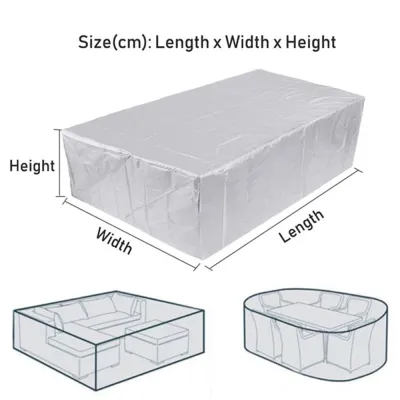
![🇸🇬 [New Product Sale] Heavy Duty Outdoor Furniture Cover Waterproof Rainproof Tear and Fade Resistant](https://img.lazcdn.com/g/p/ff06093c393005e90b10d4599bd3bea1.jpg_400x400q80.jpg_.webp)
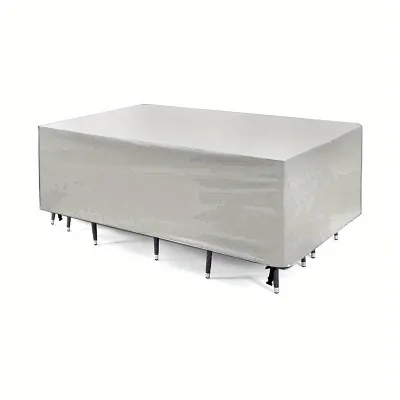
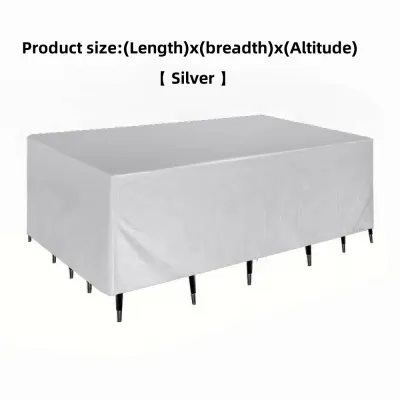
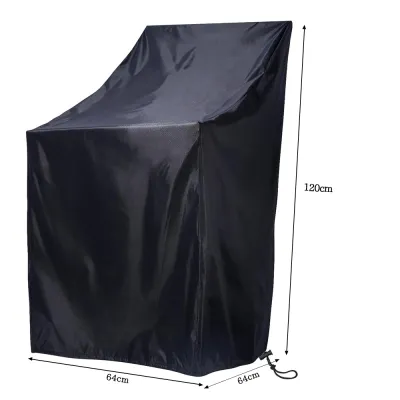
Prices are valid at publication and may change. Please refer to the product page for the latest price.
Key Material Properties to Check on the Label
When shopping for a patio furniture cover, relying solely on marketing terms like “all-weather” or “heavy-duty” can lead to premature product failure. Instead, look for specific technical details on the manufacturer’s label or product specification sheet to verify how the material is constructed. A reliable cover should explicitly state its water resistance rating, UV protection level, and ventilation design.

Evaluating these specifications allows you to match the cover’s capabilities with your specific outdoor setup, whether it is an exposed rooftop terrace or a partially shaded balcony. Checking these details beforehand prevents the common mistake of buying a cover that looks robust but lacks the chemical treatments necessary to withstand tropical weathering.
Water Resistance and Seam Construction
True protection against tropical downpours requires a clear understanding of how a fabric resists water. Do not assume that a material is waterproof just because it is made of polyester or nylon; raw synthetic fabrics will eventually let water seep through. Look for labels indicating a protective backing or coating, such as polyurethane (PU) or polyvinyl chloride (PVC), which blocks water from penetrating the weave.
Equally important is how the cover is put together. Water rarely penetrates the center of a high-quality fabric first; instead, it leaks through the needle holes made during stitching. When evaluating a patio furniture cover, inspect the seams to confirm they are double-stitched for strength and, crucially, sealed or taped on the underside. Taped seams feature a hot-applied waterproof tape over the stitching line, preventing water from dripping through the seams during prolonged monsoonal rains. If a product description only mentions “water-resistant” fabric without specifying seam protection, it is wise to contact the manufacturer to verify if the seams are sealed.
UV Protection and Colorfastness
The tropical sun can be just as damaging as heavy rain, breaking down the chemical bonds of untreated fabrics over time. To prevent your cover from becoming brittle and cracking like paper after a few months of exposure, look for materials treated with UV-inhibitors. High-quality covers often feature a specific UV protection rating or state that the fabric has been treated to resist solar degradation.
Colorfastness is another critical factor to verify. Standard fabrics are often surface-dyed, meaning the color is applied to the outside of the yarn and will quickly bleach under the sun. Instead, look for solution-dyed fabrics, where the pigment is added directly to the liquid polymer before the fibers are extruded and woven. This process ensures the color runs through the entire thickness of the thread, making it highly resistant to fading. Additionally, avoid assuming that darker colors automatically provide better protection; without proper UV-inhibitor treatments, dark fabrics will absorb more heat, accelerating the degradation of both the cover and the furniture underneath.
Breathability and Mold Prevention
While keeping rainwater out is vital, letting internal moisture escape is equally important for preventing mold and mildew. High humidity means that condensation will naturally form on the underside of any outdoor cover as temperatures shift between day and night. If this moisture is trapped, it can ruin teak, warp wicker, and cause metal frames to corrode.
To combat this, look for covers designed with physical ventilation features, such as mesh-lined air vents or built-in air pockets protected by overhanging fabric flaps. These vents allow continuous airflow, letting damp air escape while preventing wind-driven rain from entering. When choosing a cover, balance the need for water runoff with adequate ventilation: solid, non-breathable plastic tarps should be avoided in favor of engineered fabrics that offer a breathable membrane or strategically placed vents that align with the natural airflow of your patio or balcony.
Evaluating Fabric Types and Structural Durability
To ensure your patio furniture cover can withstand both the elements and regular handling, you must evaluate its structural durability. The thickness and strength of outdoor fabrics are typically measured in denier (D), which indicates the weight of the thread used in the weave. For Singapore’s climate, look for covers with a denier count of at least 600D polyester, which provides an excellent balance of tear resistance, weight, and flexibility.
In addition to denier, check the weave pattern of the fabric. A ripstop weave, characterized by a crosshatch pattern of extra-strong threads woven at regular intervals, is highly recommended. This structural feature ensures that if a small puncture or tear occurs—perhaps from a sharp corner on a metal chair—the damage is contained within a small square and will not rip across the entire cover. Finally, do not overlook the hardware; inspect the quality of zippers, buckles, and drawstrings. Opt for heavy-duty, rust-resistant plastic buckles and thick, UV-treated elastic drawstrings, as hardware failure often renders an otherwise intact fabric cover completely useless.
Sizing, Fit, and Securing Mechanisms for High Winds
A cover can only protect your furniture if it stays securely in place during sudden squalls and high winds. Before purchasing, measure your furniture carefully to ensure a proper fit. Measure the finished dimensions of the entire furniture grouping, accounting for protruding armrests, high chair backs, or stacked configurations. The cover should fit snugly over the set but should not be stretched so tight that it puts excessive stress on the seams.
Crucially, the cover should not drag on the ground. A cover that is too long will pool water at the bottom, collect dirt, and block air from entering through the lower hem, while also creating a pathway for pests. Aim for a clearance of about two to five centimeters above the ground. To secure the cover against strong winds, look for robust anchoring systems. Adjustable click-close straps that loop around the legs of your tables or chairs are highly effective, as they prevent the cover from lifting. Elastic hem cords with adjustable toggles allow you to tighten the bottom edge, creating a custom fit that prevents wind from getting underneath and ballooning the fabric.
Routine Maintenance to Extend Cover Life
Even the most durable patio furniture cover requires regular maintenance to preserve its protective coatings and extend its lifespan. Dirt, bird droppings, and organic debris can accumulate on the surface, holding moisture and slowly breaking down the water-repellent finish. Clean the cover periodically by brushing off loose dirt and wiping it down with a soft cloth or sponge dipped in lukewarm water and a mild, non-detergent soap.
Never use harsh chemical cleaners, bleach, or abrasive scrubbing pads, as these can strip away the UV-resistant and waterproof coatings applied by the manufacturer. Avoid machine washing or machine drying the cover, as the agitation and heat can crack the internal waterproof backing. After cleaning, or after a heavy rainstorm, ensure the cover is completely dry before folding and storing it. Storing a damp cover in a dark closet or storage box will inevitably lead to mold growth, which can ruin the fabric and transfer to your furniture during the next use. If you notice significant peeling of the inner coating or widespread seam separation, it is time to replace the cover to ensure your furniture remains fully protected.
Frequently Asked Questions (FAQ)
Can I use a standard tarp instead of a fitted patio furniture cover?
Using a standard utility tarp is generally not recommended for protecting outdoor furniture in a tropical climate. Tarps are typically made of non-breathable polyethylene, which traps humidity underneath and rapidly promotes mold, mildew, and wood rot. Furthermore, because tarps lack a tailored fit and dedicated securing straps, they are highly prone to flapping violently in high winds, which can scratch your furniture’s finish and cause the tarp itself to tear quickly.
How often should I remove the cover to let the furniture breathe?
It is highly recommended to remove the cover at least once every two weeks, especially after a period of prolonged, heavy rain. Removing the cover allows any trapped condensation to evaporate completely and gives you an opportunity to inspect your furniture for early signs of mold, rust, or pest intrusion. Regular inspections ensure that minor issues can be addressed before they cause permanent damage to your outdoor tables and chairs.
Community discussion
Share your experience or ask a question. Comments are reviewed before publication.