
Finding the most suitable kitchen island with wheels for a small Singapore kitchen involves balancing compact dimensions with functional storage, ensuring mobility does not compromise stability, and verifying clearance paths in typical HDB or condo layouts. In space-constrained homes, a mobile kitchen island serves as a versatile workstation that can be rolled into place for meal preparation and tucked away when not in use. The ideal unit must fit within your specific floor plan without obstructing walkways, feature high-quality locking casters to prevent movement during use, and offer a low center of gravity to ensure safety.
Rather than searching for a single universal model, the selection process relies on precise measurements of your kitchen’s physical boundaries, a thorough evaluation of structural components, and a careful review of manufacturer specifications. By focusing on these practical criteria, you can identify a mobile island that enhances your culinary workflow while maintaining a safe, open, and efficient kitchen environment.
Measuring Your Kitchen Layout and Clearance Requirements
To successfully integrate a mobile kitchen island into a compact Singapore kitchen, you must first establish a precise map of your available floor space. Walkway clearance is the most critical dimension to measure. In standard HDB flats and condominiums, a functional kitchen corridor requires a minimum clearance of 90 to 120 centimeters to allow a single person to move comfortably.
Products mentioned in this guide
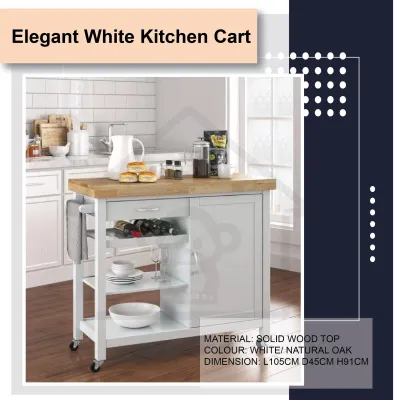
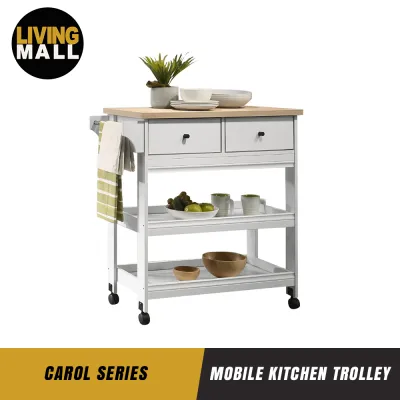
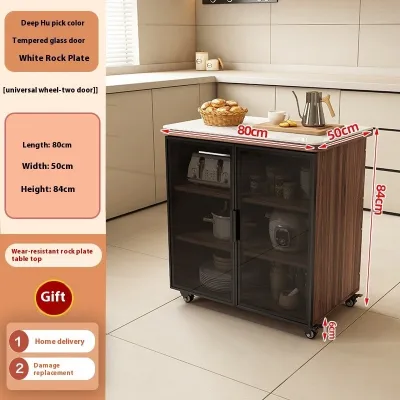
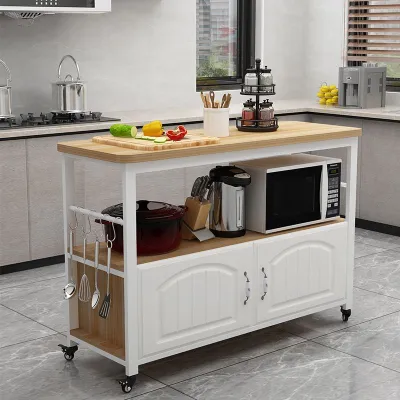
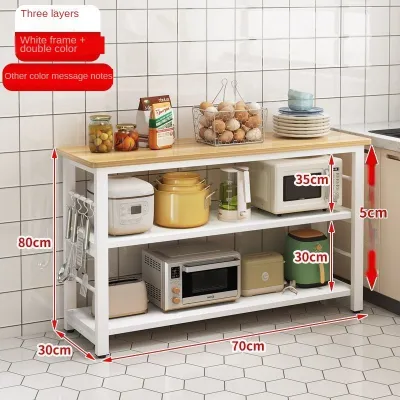
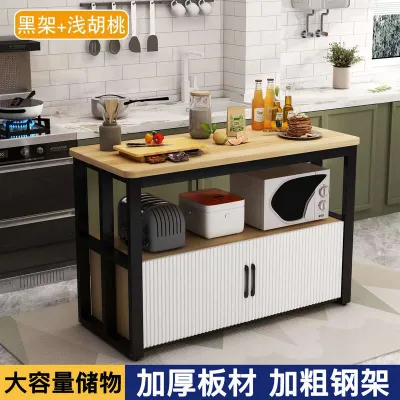

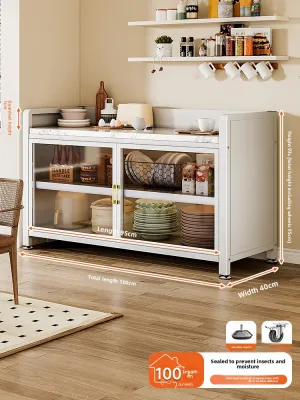
Prices are valid at publication and may change. Please refer to the product page for the latest price.
When planning for a kitchen island with wheels, you must measure the width of your primary walkways both when the island is actively pulled out for food preparation and when it is pushed back into its designated storage position. If the remaining walkway drops below 80 centimeters during use, the space will feel cramped, and moving past the island with hot cookware or sharp utensils can become a safety hazard.
Beyond the daily operational space, you must verify the physical delivery path from the building entrance to your kitchen. Many homeowners purchase furniture only to find that the packaged or fully assembled unit cannot navigate tight corners or fit inside standard elevators. Measure the height and width of your apartment’s main entrance door, the kitchen doorway, and any narrow corridor corners leading into the cooking area.
Additionally, check the interior dimensions of your building’s elevator cabin and the height of the elevator doors. If you live in an older HDB estate with narrow common corridors, these structural bottlenecks can prevent the delivery of pre-assembled or exceptionally long units. Opting for flat-packed models that can be assembled directly inside the kitchen is often the most practical solution for tight entryways.
Finally, map out the exact parking spot where the mobile island will reside when not in use. This storage zone must be evaluated in relation to existing built-in fixtures. Ensure that the parked island does not block the full swing radius of your refrigerator doors, oven doors, dishwasher, or lower kitchen cabinets.
It is equally important to check that drawers can slide open completely without colliding with the island’s frame or wheels. If your kitchen features a galley layout, a mobile island that is too deep may permanently restrict access to one side of your lower cabinetry. Marking the proposed footprint of the island on your kitchen floor using masking tape can provide a helpful visual guide to assess daily clearance before making a purchase.
Evaluating Stability, Mobility, and Storage Features
A mobile kitchen island must offer a stable, reliable surface for food preparation while remaining easy to maneuver. The countertop is the primary workspace, and its dimensions must be chosen carefully to balance utility against the unit’s overall footprint. For small kitchens, a countertop width of 60 to 80 centimeters and a depth of 40 to 50 centimeters generally provides sufficient space for a cutting board and prep bowls without overwhelming the room.

The thickness of the countertop also plays a role in both the aesthetic appeal and the structural integrity of the unit. A thicker countertop adds necessary weight to the top of the island, which must be balanced by a sturdy lower frame to prevent the unit from becoming top-heavy.
The caster wheels are the most critical component governing both mobility and safety. When evaluating a kitchen island with wheels, inspect the manufacturer’s specifications for the casters’ load-bearing capacity and material composition. High-quality wheels made from polyurethane or heavy-duty rubber are preferred for indoor residential use, as they glide smoothly over tiled or vinyl kitchen floors without leaving scuffs or scratches.
Hard plastic or cheap nylon wheels can crack under heavy loads and may slide across smooth tiles even when locked. Crucially, the island must feature reliable locking brakes on at least two, and preferably all four, of its casters. These brakes must be easy to engage and disengage, providing a rigid, immovable foundation when you are chopping vegetables, kneading dough, or using hand mixers.
Storage configuration directly influences the physical stability of a mobile island. To prevent the unit from tipping over during movement, the center of gravity must remain as low as possible. When reviewing internal storage options, look for designs that feature heavy drawer glides or deep cabinets at the bottom of the frame, with lighter open shelving or towel racks near the top.
Placing heavier items, such as cast-iron pans, mixing bowls, or small appliances, on the lowest shelves ensures that the island remains grounded and stable when rolled across floor transitions or grout lines. Avoid units that feature top-heavy drawer configurations or lack a solid base, as these are more prone to wobbling or tipping when pulled quickly.
Checking Material Specifications and Maintenance Requirements
The kitchen is a high-humidity environment subject to frequent spills, heat exposure, and physical wear. Therefore, you must rely on official manufacturer specifications and care guidelines rather than general assumptions about material names. For instance, a countertop labeled as solid wood or butcher block requires specific maintenance routines, including regular oiling with food-safe mineral oil to prevent warping, cracking, and water absorption.
If you prefer a low-maintenance surface, look for engineered materials or stainless steel tops, but always verify their specific heat resistance and scratch-prevention guidelines. Some laminate surfaces can peel or blister if exposed to hot pots directly, requiring the constant use of trivets.
The construction of the island’s frame and its joinery methods are equally important for long-term durability. Examine the product specifications to determine if the frame is constructed from solid timber, powder-coated steel, or engineered wood products like medium-density fibreboard (MDF). In humid climates like Singapore’s, untreated MDF can swell and degrade rapidly if exposed to water spills or high moisture levels near the sink or stove.
Look for frames with moisture-resistant finishes, powder-coated metal parts that resist rust, and robust joinery such as dowels, screws, or metal brackets rather than simple glue joints. To ensure the longevity of your mobile island, avoid inferring durability solely from marketing terms.
Always cross-reference the product labels and official care sheets provided by the retailer. These documents will outline the recommended cleaning agents, maximum temperature limits for the countertop, and whether the unit is rated for heavy daily kitchen use. Following these manufacturer-specified guidelines prevents premature wear and ensures that the mobile island remains a safe, hygienic, and functional addition to your home.
Building Your Shortlist and Verifying Product Specifications
With your kitchen measurements and material preferences established, you can begin building a shortlist of potential mobile islands. Start by utilizing the advanced search and dimension filters on online furniture retailers and brand websites. Input your maximum allowable width, depth, and height to filter out units that exceed your space constraints.
Using specific search terms like compact kitchen island with wheels or narrow mobile utility cart can help target products designed specifically for small-space living. This initial digital filtering saves time and prevents you from falling in love with a model that is physically incompatible with your kitchen layout.
Once you have identified a few candidate models, locate and read their detailed specification sheets. Do not rely on promotional images, which can often make an item appear larger or smaller than it is in reality. Verify the exact length, width, and height of the unit, including any protruding elements such as towel rails, spice racks, or handle grips.
Note the net weight of the island itself, as a heavier unit will be more stable but harder to push, while an exceptionally light unit may wobble during heavy prep work. Most importantly, check the maximum load capacity limits for both the overall unit and individual shelves or drawers to ensure it can safely support your intended kitchen gear.
Finally, analyze buyer reviews and feedback on online marketplaces and furniture forums to identify potential real-world issues. Look for specific comments regarding the complexity of the assembly process, as some flat-packed units require specialized tools or multiple hours to construct.
Pay close attention to reviews discussing the smoothness of the caster wheels, the effectiveness of the locking brakes, and any reports of structural wobbling or joint loosening over time. If multiple buyers report that the wheels fail to lock securely or that the frame shakes during use, it is best to eliminate that model from your shortlist and focus on options with verified structural stability.
Frequently Asked Questions (FAQ)
Do I need to secure a mobile kitchen island to the floor?
Mobile kitchen islands are specifically designed for flexibility and versatility, meaning they do not require or support permanent floor anchoring. Securing a wheeled unit to the floor would defeat its primary purpose of being easily moved to clear walkways or adapt to different kitchen tasks.
However, because they are not anchored, safety during use relies entirely on proper operation. You must always engage all of the wheel locks or caster brakes before applying any downward or lateral pressure, such as when chopping vegetables, kneading dough, or performing heavy food preparation. Operating on an unlocked island can lead to sudden movement, resulting in accidental slips, spills, or injuries.
Can a kitchen island with wheels support heavy appliances?
A mobile kitchen island can support small kitchen appliances, but you must never rely on visual estimates of its strength. Always check the manufacturer’s stated maximum weight capacity for the countertop and individual shelves before placing items like microwave ovens, stand mixers, or coffee machines on the unit.
To maintain safety and prevent the island from tipping over, proper weight distribution is essential. Place your heaviest appliances on the lowest shelves or centrally on the countertop to keep the center of gravity low. Avoid placing heavy, top-heavy items near the edges of the countertop, and always ensure the caster wheels are fully locked before operating any appliance situated on the island.
Community discussion
Share your experience or ask a question. Comments are reviewed before publication.