
For a covered balcony that still gets rain splash, the best type of half rack is one constructed from Grade 304 stainless steel, heavy-duty powder-coated aluminum, or UV-stabilized resin, featuring wire or slatted shelves to prevent water pooling. In Singapore’s humid tropical climate, wind-driven rain easily bypasses balcony covers, making rust resistance and proper drainage the most critical factors for any outdoor shelving unit. Selecting a half rack with these specific material properties and design features ensures long-term durability without the risk of structural warping, corrosion, or mold.
A covered HDB or condo balcony occupies a unique middle ground between fully exposed outdoor areas and climate-controlled indoor spaces. Unlike a rack placed in an open garden, a balcony half rack might not experience direct, heavy downpours daily, but it will frequently contend with mist, wind-blown rain, and indirect sunlight. This partial exposure can actually be more insidious than full exposure. On a fully open patio, rainwater might wash clean over a surface and dry quickly under direct sunlight and wind. On a covered balcony, however, splashed water can pool in corners, underneath shelves, or within joints where air circulation is restricted.
This trapped moisture, combined with relative humidity levels that regularly exceed 80%, creates an ideal environment for rust, mold, and material degradation. The primary risks for any half rack in this setting include localized water pooling, corrosion at structural joints, and UV-induced brittleness. When rain splashes onto solid shelves, water can sit for hours or even days, slowly penetrating any microscopic cracks in the protective finish. At the same time, indirect UV exposure from bright daylight can degrade paint, plastics, and protective sealants, making them brittle and more susceptible to cracking. Once the protective barrier is compromised, moisture quickly attacks the underlying material. Therefore, any half rack destined for a semi-outdoor balcony must meet strict baseline requirements: efficient drainage, high rust resistance, robust joint protection, and surfaces that are easy to clean and dry.
Products mentioned in this guide
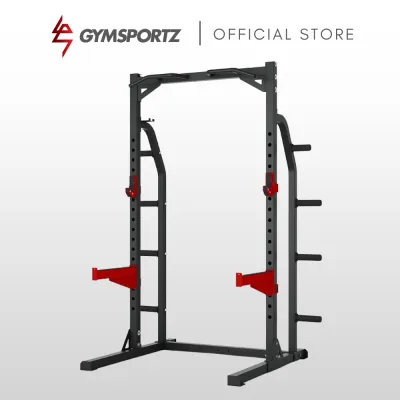
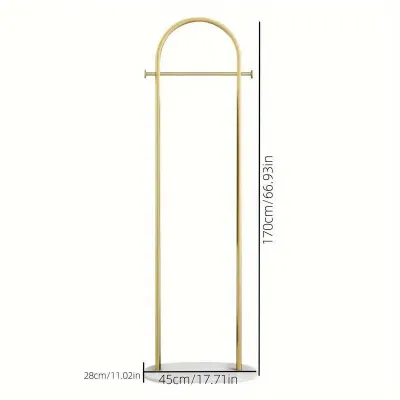
Prices are valid at publication and may change. Please refer to the product page for the latest price.
Evaluating Half Rack Materials for Damp Conditions
To find a half rack that can withstand Singapore’s humid climate and occasional rain splash, you must look beyond generic marketing terms. Labels like “weatherproof” or “outdoor-friendly” are often used loosely. Instead, you need to verify the specific materials, finishes, grades, and manufacturing treatments of the shelving unit. Evaluating these technical details will help you determine whether a half rack can truly handle a damp environment or if it will begin to rust and warp within a few months of installation.
Powder-Coated Steel and Aluminum Frames
Metal is a popular choice for a balcony half rack due to its structural strength and modern aesthetic, but not all metal finishes are created equal. Standard painted steel will quickly succumb to rust when exposed to rain splash. For reliable durability, look for steel frames that feature a high-quality powder coating. Unlike liquid paint, which is sprayed on and dried, powder coating involves applying a dry powder electrostatically and then curing it under heat to form a hard, continuous barrier. This process provides superior resistance to moisture, chipping, and scratching, ensuring that the underlying metal remains completely sealed against damp air and water droplets.
When shopping for a powder-coated steel half rack, it is essential to check the product specifications for coating thickness and coverage. High-quality manufacturers will often specify if the coating is designed for outdoor or industrial use. Inspect the rack closely for any missed spots, particularly around the undersides of shelves, the interior of tube frames, and the areas surrounding pre-drilled screw holes. Any exposed steel in these areas will act as an entry point for moisture, leading to rust that can spread beneath the powder coating.
Aluminum is an excellent alternative to steel because it naturally resists rust. When aluminum is exposed to air, it forms a microscopic oxide layer that prevents further corrosion, making it highly suitable for rain-splashed balconies. However, aluminum is a lighter metal than steel, which means you must carefully verify the structural thickness and load-bearing specifications of the half rack. If you plan to store heavy items, such as large terracotta pots, soil bags, or heavy tools, ensure the aluminum frame is sufficiently thick and reinforced to prevent bowing or tipping under load.
Stainless Steel (Checking the Grade)
For a sleek, industrial look that offers exceptional strength, stainless steel is a premier choice for a balcony half rack. However, the term “stainless steel” covers several different alloys, and choosing the wrong grade can lead to disappointing results in a humid, splash-prone environment. When evaluating stainless steel half racks, always check the product details to verify the specific grade used in construction.
The two most common grades you will encounter are Grade 304 and Grade 201. Grade 304 stainless steel contains a higher percentage of chromium and nickel, which gives it superior corrosion resistance. It is highly recommended for damp and splash zones, as it can withstand frequent exposure to rainwater without developing surface rust. In contrast, Grade 201 stainless steel is more economical but contains less nickel, making it significantly more prone to tea-staining and surface rust when subjected to high humidity and rain splash. If the product description simply states “stainless steel” without specifying the grade, it is wise to contact the manufacturer to confirm its suitability for semi-outdoor use.
Beyond the metal grade, pay close attention to how the half rack is assembled. Welded joints are generally superior to screwed connections for wet environments. Welded seams create a solid, continuous piece of metal, leaving no gaps where water can seep in and pool. If the rack relies on screwed connections, ensure that the joints are tightly fitted and that the assembly instructions do not leave internal frame tubes exposed to the elements. Exposed tube ends should be sealed with tight-fitting plastic or rubber end caps to prevent water from entering the interior of the frame, where it can cause hidden rust.
High-Density Plastics and UV-Resistant Resins
If you want to completely eliminate the risk of rust and corrosion, high-density plastics and engineered resins are highly practical materials for a balcony half rack. Modern resin utility shelves and cabinets are specifically designed to handle wet conditions, making them completely immune to water damage, mold, and rot. They are also lightweight, easy to assemble, and simple to wash down with a hose when they accumulate dust or dirt from the outdoors.
However, the primary challenge for plastic materials on a Singapore balcony is not moisture, but sunlight. Even on a covered balcony, indirect UV radiation can be intense. Over time, UV rays break down the chemical bonds in standard plastics, causing them to fade, become brittle, and eventually crack under weight. To prevent this, always check the product descriptions to ensure the plastic or resin has been treated with UV-stabilizers. These chemical additives absorb or dissipate harmful UV radiation, significantly extending the lifespan of the rack in semi-outdoor settings.
Another important trade-off to consider with plastic and resin half racks is their structural load capacity. While metal racks can easily support heavy loads on thin shelves, plastic shelves are more prone to sagging under concentrated weight. Before purchasing, verify the maximum load capacity per shelf. If you plan to use the rack for heavy potted plants, look for models that feature reinforced shelf supports or metal-insert bars that run along the underside of the plastic panels to provide extra structural stiffness.
Design Features That Prevent Water Damage and Pooling
The longevity of a half rack on a rain-splashed balcony depends as much on its structural design as it does on its material composition. When water splashes onto a balcony, it behaves dynamically, dripping down surfaces, pooling on flat areas, and wicking upward from the floor. Choosing a rack with smart design features can prevent water from accumulating and causing premature wear.

First, examine the design of the shelf surfaces. Solid, flat shelves are highly prone to water pooling. If rain splashes onto a solid shelf, the water has nowhere to go and will sit on the surface, increasing the risk of material degradation and creating unsightly water spots. To avoid this, look for half racks with wire, mesh, or slatted shelves. These designs allow rainwater to drip straight through to the ground, promoting excellent air circulation and ensuring the shelves dry quickly after a storm. If you prefer solid shelves for storing smaller items that might fall through wire mesh, ensure the shelves feature built-in drainage holes or a slightly sloped design that encourages water to run off the edges.
Second, consider the base and feet of the half rack. Balcony floors can remain wet long after a rainstorm has passed, especially if the floor tiles do not drain perfectly. If the metal legs of a rack sit directly on wet tiles, they will continuously wick moisture upward, leading to accelerated rust at the base. To prevent this, choose a half rack equipped with adjustable, non-slip rubber or plastic foot caps. These caps elevate the metal frame slightly above the balcony floor, creating a physical barrier that keeps the metal dry. Adjustable feet are also highly beneficial for leveling the rack on sloped balcony floors, which are designed to direct water toward floor wastes.
Finally, do not overlook the hardware and joints. The main frame of a half rack might be made of high-quality powder-coated steel, but if the included screws, bolts, and washers are made of cheap, untreated iron, they will rust rapidly. As these fasteners corrode, they can transfer rust to the main frame and leave permanent, unsightly orange stains on your balcony tiles. Always check if the product assembly kit includes rust-resistant hardware, such as galvanized steel, stainless steel, or brass fasteners. If the manufacturer does not specify the hardware material, you can easily purchase replacement stainless steel screws from a local hardware store during assembly to ensure long-term durability.
Routine Maintenance to Extend Rack Lifespan
Even the most durable, weather-resistant half rack requires occasional maintenance to stay in top condition on a Singapore balcony. Because the balcony is partially covered, it accumulates a mixture of outdoor dust, pollen, and rain splash. When rainwater evaporates from the rack’s surfaces, it leaves behind dissolved minerals and atmospheric dust, which can form stubborn hard water stains. Over time, these mineral deposits can trap moisture against the surface and slowly degrade the protective coating.
To prevent this, establish a simple routine of wiping down the half rack after heavy rainstorms. Using a soft microfiber cloth to dry the surfaces and remove pooled water will prevent mineral buildup and keep the rack looking clean. If the rack features mesh or wire shelves, make it a habit to clear away fallen leaves, soil particles, and other outdoor debris. Debris can block drainage holes or trap moisture in the corners of mesh grids, creating localized damp zones that encourage rust or mold growth.
When cleaning your half rack, always avoid harsh chemical cleaners, bleach, or abrasive scrubbers. Strong chemicals and rough scrubbing pads can easily scratch or strip away the protective powder coating on metal frames or degrade the UV-resistant outer layer of plastic resins. Once these protective barriers are scratched, moisture can easily penetrate to the core material. Instead, use a mild dishwashing soap diluted in warm water and a soft sponge to gently clean the surfaces, followed by a thorough rinse with clean water and a dry wipe-down.
Frequently Asked Questions (FAQ)
Can I use a wooden or bamboo half rack on a covered balcony?
Using a wooden or bamboo half rack on a balcony that receives rain splash is generally not recommended. Natural materials are highly susceptible to the effects of persistent humidity and moisture. When rain splashes onto wood or bamboo, the fibers absorb water, causing the material to swell. As it dries in the tropical heat, it shrinks, leading to warping, cracking, and split joints. Furthermore, the warm, damp conditions of a Singapore balcony provide the perfect environment for mold, mildew, and wood-rotting fungi to thrive. Unless the wood is specifically rated for marine or heavy outdoor use—such as premium teak or pressure-treated timber—and you are prepared to commit to a strict, regular schedule of applying outdoor sealants or wood oils, it is best to opt for metal or resin alternatives.
How do I fix minor scratches on a powder-coated metal rack?
If your powder-coated metal half rack develops minor scratches from moving pots or tools, it is crucial to address them quickly. Even a small scratch exposes the underlying steel to the humid air, allowing rust to form. Once rust begins, it can spread beneath the surrounding powder coating, causing it to bubble and peel. To fix a scratch, first clean the area thoroughly with a mild solvent or rubbing alcohol to remove any dirt or grease. Once dry, apply a matching outdoor touch-up paint or a clear, rust-inhibiting sealant directly over the scratch using a fine-tipped brush. This reseals the protective barrier, preventing moisture from reaching the metal and preserving the structural integrity of your half rack.
Community discussion
Share your experience or ask a question. Comments are reviewed before publication.