
Selecting an ergonomic chair for a home office or workspace in Singapore requires balancing physical support with thermal comfort. To stay comfortable during long working hours in a tropical climate, the ideal ergonomic chair must prioritize high-tensile mesh materials. A full mesh design, covering both the seat and backrest, provides the highest level of ventilation, making it highly suitable for rooms relying on natural breeze or ceiling fans. Alternatively, a hybrid design featuring a mesh backrest paired with a high-density, cold-cure foam seat wrapped in moisture-wicking fabric offers an optimal balance of breathability and targeted pressure relief for air-conditioned spaces.
Why Singapore's Climate Demands Specific Chair Materials
Singapore experiences year-round high temperatures, often hovering around 31°C, accompanied by relative humidity levels that frequently exceed 80%. Sitting in a chair for eight or more hours a day creates a microclimate between your body and the chair surfaces. If these surfaces lack ventilation, this microclimate traps body heat and perspiration, leading to localized discomfort, skin chafing, and general fatigue.
Non-breathable materials, such as standard polyurethane (PU) leather, bonded leather, or heavy vinyl, act as thermal barriers. They trap sweat against your skin, which cannot evaporate efficiently in Singapore’s already saturated air. Over time, this moisture buildup does more than just cause physical discomfort; it triggers a chemical process known as hydrolysis. Hydrolysis breaks down the synthetic polymers in PU leather, causing the surface to crack, peel, and flake off in unsightly chunks within just a few years of local use.
Products mentioned in this guide
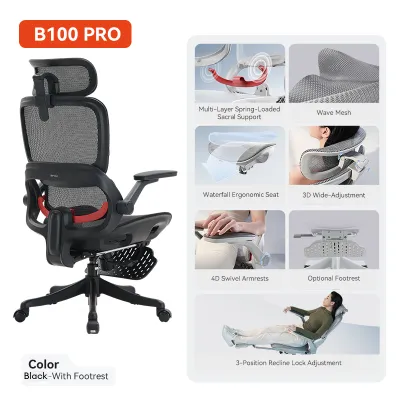
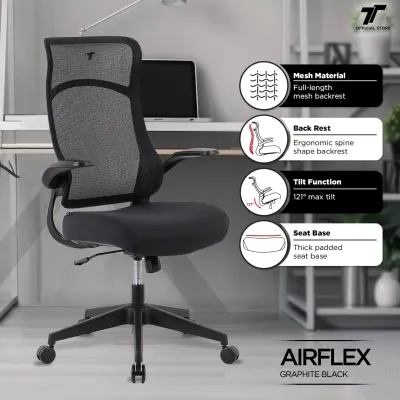
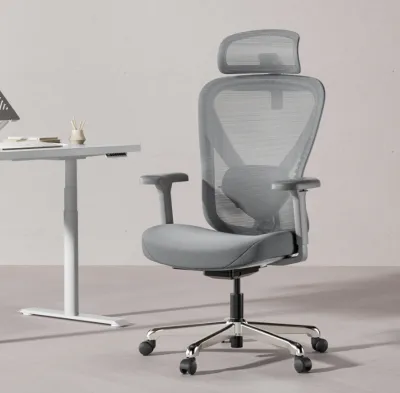
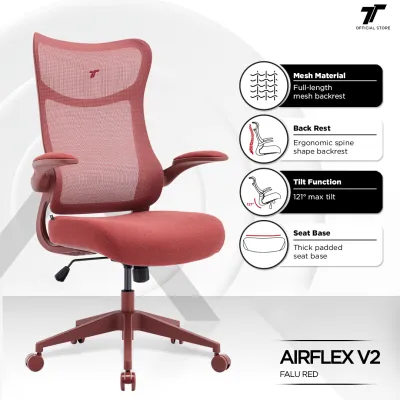
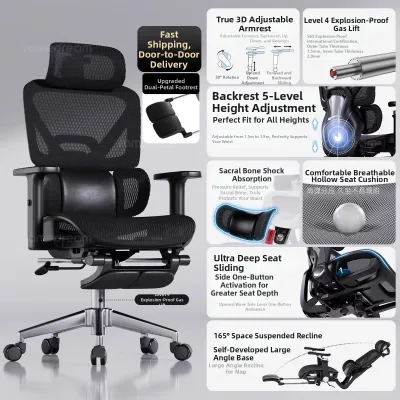
![[NEW LAUNCH] Hinomi Q2 Pro Ergonomic Office Chair Adjustable Lumbar Support Memory Foam Headrest Armrest Legrest](https://img.lazcdn.com/g/p/2511c0cbd726c874804f10dec73624a5.jpg_400x400q80.jpg_.webp)
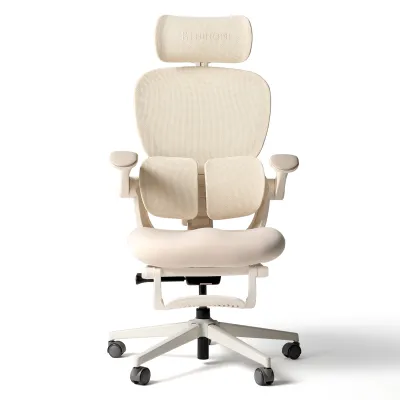
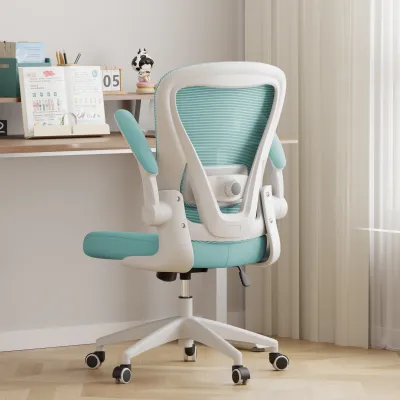
Prices are valid at publication and may change. Please refer to the product page for the latest price.
Furthermore, high ambient humidity can accelerate the degradation of low-density foam cushions and cheap bonding adhesives. When moisture penetrates cheap open-cell foam, it compromises the material’s structural integrity, leading to premature flattening, loss of support, and a musty odor caused by mold or mildew colonization. Selecting a chair made of climate-resilient, breathable materials is therefore essential not only for your daily comfort but also for protecting your financial investment.
Comparing Breathable Materials for Ergonomic Chairs
When shopping for an ergonomic chair, it is important to look past generic marketing terms like “cooling mesh” and instead evaluate the actual physical properties of the materials used. High-quality mesh is typically constructed from a blend of polyester and elastomeric fibers. The elastomer provides the necessary elasticity and memory to bounce back after use, while the polyester adds tensile strength and resistance to abrasive wear.

To assess the breathability and durability of a mesh fabric, examine the weave density. A very dense, tightly packed weave offers excellent structural support and distributes body weight evenly, but it slightly reduces the rate of airflow. Conversely, a loose, wide-open weave maximizes air circulation but may stretch out and sag much faster under constant load. The key is to look for a multi-zone woven mesh, where different areas of the seat and backrest feature varying weave patterns to offer targeted support while maintaining open pathways for air to circulate.
The thickness of the yarn also plays a critical role in how the chair performs. Thicker, rounder yarns create a more tactile, textured surface that keeps your clothing slightly elevated off the mesh, further enhancing passive air circulation. Thinner, flat yarns can feel smoother against the skin but may cling to clothing when damp, reducing the overall cooling effect. Always check the manufacturer’s material specifications to verify if the mesh has been tested for abrasion resistance (often measured in Martindale rubs) to ensure it can withstand daily friction without fraying.
Full Mesh Designs (Seat and Back)
A full mesh ergonomic chair represents the peak of thermal efficiency in tropical environments. By replacing traditional foam cushions with suspended mesh on both the backrest and the seat pan, these chairs allow air to flow freely around your entire body. This configuration is particularly beneficial if you work in a home office without air conditioning, as it allows ceiling fans or natural cross-ventilation to cool your lower back and thighs directly.
However, full mesh designs carry a distinct risk of material stretching or sagging over time, especially when exposed to the continuous warmth and humidity of Singapore. When mesh loses its tension, your body sinks lower into the seat, causing your thighs to press against the hard plastic or metal frame of the seat pan. This can restrict blood circulation and lead to localized numbness or discomfort during long sitting sessions.
To mitigate this risk, carefully inspect the frame tensioning system and check the manufacturer’s weight capacity rating. Look for chairs certified by independent testing bodies like BIFMA (Business and Institutional Furniture Manufacturers Association), which ensures the frame and mesh have undergone rigorous load and fatigue testing. Additionally, read the warranty terms closely; reputable brands often provide extended warranties of five to ten years that explicitly cover mesh sagging and tension loss, giving you long-term peace of mind.
Mesh Backs with Foam or Fabric Seats
For users who prioritize deep cushioning or suffer from specific orthopedic sensitivities, a hybrid chair featuring a mesh backrest and a padded foam seat is a compelling alternative. While a foam seat inevitably retains more body heat than a suspended mesh seat, it excels at distributing pressure across your sit bones, reducing the pressure points that can sometimes occur along the hard outer frame of a full mesh chair.
To ensure a hybrid chair remains comfortable in a humid climate, avoid cheap, low-density cut foams that trap moisture and flatten quickly. Instead, verify that the seat cushion is made of high-density, cold-cure molded foam. Cold-cure foam is produced in a closed mold, creating a dense, skin-like outer layer that resists moisture penetration and retains its shape and supportive elasticity far longer than standard polyurethane foam.
The fabric cover wrapping the foam seat is equally important. Look for moisture-wicking fabrics, such as those blended with nylon or treated polyester, which pull sweat away from the body to accelerate evaporation. For long-term hygiene, prioritize chairs that offer removable, washable seat covers, or consider purchasing a compatible, breathable slipcover that can be easily laundered to prevent the buildup of sweat stains, body oils, and odors.
Key Ergonomic and Structural Features to Verify
Breathability should never come at the expense of proper physical alignment. When evaluating a mesh ergonomic chair, pay close attention to the lumbar support system. Because suspended mesh naturally stretches under pressure, a simple flat mesh backrest may fail to maintain the natural inward curve of your lower spine. Look for chairs with an independent, depth-adjustable lumbar support pad or a dual-back design that actively pushes forward to support your lower back regardless of mesh flexing.
The structural foundation of the chair must also be assessed for stability and safety. In Singapore’s humid environment, moisture can settle on floor surfaces, affecting the traction of your chair’s wheels. Ensure the base is equipped with high-quality polyurethane (PU) casters, which provide a smooth, quiet glide and excellent grip on common local flooring materials like timber parquet, luxury vinyl tiles (LVT), or polished marble, without scratching the finish.
Verify the class of the gas lift mechanism, which is responsible for height adjustments and weight support. A Class 4 gas cylinder is highly recommended for long-term durability, as it features thicker steel walls and better seals to resist internal pressure loss in warm conditions. Because a mesh seat distributes your weight outward toward the perimeter frame rather than absorbing it vertically like a thick foam block, the frame itself must be robust—ideally constructed from glass-fiber reinforced nylon or die-cast aluminum alloy.
Finally, do not forget to measure your physical workspace before making a purchase. Ergonomic chairs with wide, high-back mesh designs and protruding five-star bases can be surprisingly bulky. Check the overall width and depth of the chair against your desk opening to ensure it can slide fully underneath when not in use. Additionally, verify that the packaged dimensions can easily clear your home’s entry doorways, internal hallways, and HDB or condominium lift doors, which often have tight clearance limits.
Maintenance and Care in High-Humidity Environments
Keeping a breathable ergonomic chair in top condition requires regular, targeted maintenance to combat the effects of Singapore’s high humidity. Dust, lint, and microscopic skin cells easily settle into the open pores of a mesh weave. Over time, this accumulation not only looks unsightly but can also act as an abrasive, wearing down the synthetic fibers as you shift in your seat. Use a vacuum cleaner equipped with a soft brush attachment once a week to gently lift debris from the mesh without snagging the weave.
For the plastic and metal structural components, wipe them down periodically with a slightly damp microfiber cloth to remove salt residues from sweat and prevent the growth of mold or mildew in poorly ventilated rooms. Avoid using harsh chemical solvents, bleach, or abrasive scrubbing pads, as these can degrade the polymer coatings on plastic parts and strip away the anti-rust treatments applied to steel and aluminum components.
Periodically inspect the structural integrity of the chair by checking the tightness of all frame screws and joints. The constant micro-movements of sitting can cause fasteners to back out slightly over time, especially if the chair frame flexes under heavy use. Keep a simple hex key handy to tighten the armrest, backrest, and mechanism screws every six months to prevent squeaking, wobbling, and premature wear on the joints.
If your chair features a fabric-covered foam seat, address spills and sweat spots immediately. Blot the area with a clean, dry cloth to absorb excess moisture, then spot-clean with a mild, pH-neutral fabric cleaner diluted in distilled water. Always allow the seat to dry completely in a well-ventilated, shaded indoor area before sitting on it again, as trapping moisture inside the foam core will encourage mold growth and weaken the foam structure.
Frequently Asked Questions (FAQ)
Is a full mesh chair necessary if my office is fully air-conditioned?
While air conditioning significantly reduces ambient room temperature and humidity, a full mesh chair is not strictly necessary but remains highly beneficial. Prolonged sitting still generates localized body heat and moisture at the contact points between your body and the chair. If your office is consistently climate-controlled, a hybrid chair featuring a mesh backrest and a high-density foam seat with a breathable fabric cover will provide excellent comfort. However, if you frequently turn off the air conditioning or experience fluctuating indoor temperatures, a full mesh chair offers superior versatility.
How can I test if a mesh seat will sag over time?
When evaluating a chair in person, sit on the seat and pay close attention to whether your thighs or tailbone make contact with the hard plastic or metal support frame underneath. If you can feel the frame, the mesh tension is either insufficient or has already begun to degrade. When shopping online, look for chairs that feature reinforced mesh edges, dual-layer weaving, or elastomer-infused yarns. Additionally, check the manufacturer’s warranty terms specifically for mesh tension loss, as reputable brands will guarantee their mesh against sagging for several years.
Community discussion
Share your experience or ask a question. Comments are reviewed before publication.