
To protect your mattress from moisture without trapping heat in Singapore’s intense tropical humidity, you should look for a bed cover featuring a breathable Thermoplastic Polyurethane (TPU) membrane bonded to a moisture-wicking fabric surface, such as cotton terry or bamboo-derived viscose. Traditional solid plastic covers made of PVC or PEVA trap body heat and sweat, creating an uncomfortable, damp sleeping environment. A multi-layer composite protector, on the other hand, allows microscopic water vapor to escape while keeping liquid spills and sweat from penetrating the mattress.
The Humid Climate Challenge: Why Solid Plastic Falls Short
Sleeping comfortably in a tropical climate requires a delicate balance of temperature and moisture regulation. When you sleep, your body naturally releases moisture and heat, creating a localized microclimate between your skin and the mattress surface. In a highly humid environment like Singapore, where indoor relative humidity often remains elevated, this moisture struggles to evaporate into the surrounding air.
If your bed is covered with a traditional, non-porous solid plastic protector, this natural moisture release is completely blocked. Materials like polyvinyl chloride (PVC) or polyethylene vinyl acetate (PEVA) act as absolute vapor barriers. While they are highly effective at preventing liquids from reaching the mattress, they also prevent any air or body heat from escaping downward.
Products mentioned in this guide
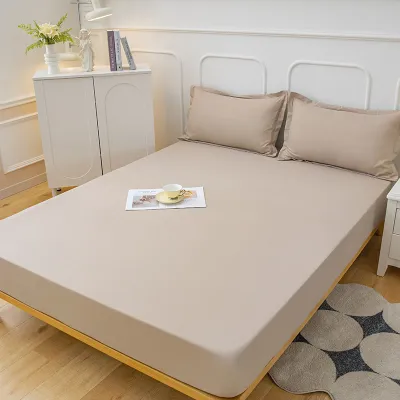
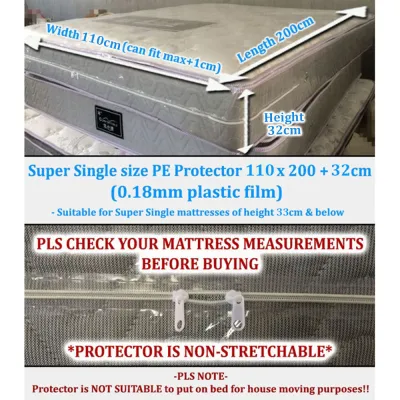
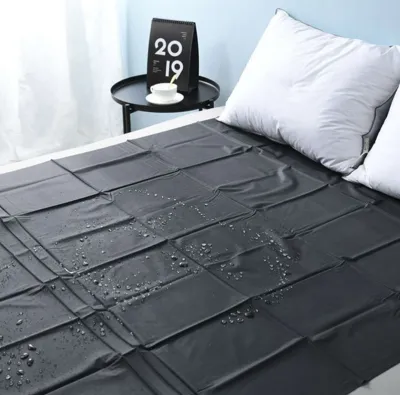
Prices are valid at publication and may change. Please refer to the product page for the latest price.
This lack of ventilation leads to a rapid buildup of heat and humidity directly beneath your body. As sweat pools on the impermeable plastic surface, the bedding becomes damp, clammy, and uncomfortably warm. This heat-trapping effect can disrupt your sleep cycle, causing you to wake up frequently throughout the night.
To overcome this challenge, modern bedding technology has shifted toward multi-layer composite structures. These advanced protectors combine a waterproof barrier with breathable textile layers. The goal is to maintain a dry, cool microclimate by allowing vapor to pass through while keeping liquid spills, sweat, and allergens safely away from the mattress core.
Core Materials and Membrane Structures to Evaluate
When evaluating bed covers, the choice of the waterproof membrane is the most critical factor. Thermoplastic Polyurethane (TPU) has largely replaced older plastics in high-quality bedding accessories. Unlike rigid PVC, TPU is an incredibly thin, flexible, and elastomeric material that can be engineered with microscopic pores.

These micropores are the key to balancing protection and comfort. They are small enough to block liquid water molecules, which tend to cling together due to surface tension, but large enough to allow individual water vapor molecules to pass through. When shopping, you should carefully inspect product packaging or online specifications to verify the presence of a “TPU backing” or “polyurethane membrane” rather than generic plastic.
The surface fabric bonded to this membrane plays an equally vital role in managing humidity. A high-quality top layer acts as the first line of defense, absorbing initial body moisture and distributing it across a wider surface area to speed up evaporation. Natural and semi-synthetic fibers are highly effective for this purpose.
Cotton terry is a popular choice because its looped texture creates a small physical air gap between your body and the waterproof membrane. This gap promotes subtle airflow and prevents the fabric from sticking to your skin. Bamboo-derived viscose is another excellent option for tropical climates, as it is naturally soft, highly breathable, and possesses excellent moisture-wicking properties that help keep the sleeping surface cool.
To verify these material claims, avoid relying solely on broad marketing terms like “cool-tech” or “all-weather protection.” Instead, look for detailed material lists and cross-section diagrams provided by the manufacturer. A reliable product description will explicitly state the fiber content of the top layer (such as 100% cotton or bamboo viscose) and confirm that the waterproof backing is made of polyurethane.
Checking for Heat Dissipation and Noise Reduction
Beyond basic material composition, the physical construction of the bed cover determines how well it dissipates heat and minimizes noise. A common complaint with cheaper plastic covers is the loud, crinkling sound they make whenever you move. This noise is typically caused by thick, stiff plastic sheets that do not conform easily to body movement.
To ensure a quiet night’s sleep, look for covers that advertise a “noiseless” or “quiet” design. This characteristic is achieved by laminating an ultra-thin TPU membrane directly to a soft fabric backing. Because the membrane is bonded to the textile, it moves silently with the mattress fibers, eliminating the friction that causes crinkling sounds.
Heat dissipation is also heavily influenced by the quilting and overall structure of the cover. Quilted protectors feature a layer of fiberfill between the top fabric and the waterproof membrane. This additional layer not only adds plushness but also creates physical channels for air to circulate, preventing your body heat from radiating directly back to you.
When browsing options on online marketplaces or visiting local bedding showrooms, you can use customer feedback as a valuable verification tool. Filter user reviews specifically for terms like “hot,” “sweaty,” “noisy,” or “crinkle.” Pay close attention to reviews written by buyers living in warm, humid regions, as their experiences will give you a realistic indication of how the cover performs without air conditioning.
Fit, Sizing, and Maintenance in High Humidity
A bed cover can only perform effectively if it fits your mattress properly and is maintained correctly. Before purchasing, you must measure the exact dimensions of your mattress, paying close attention to its depth. Many modern mattresses feature thick comfort layers or separate toppers that increase their overall height.
If you select a cover with an insufficient pocket depth, the fabric will be stretched too tightly across the mattress. This excessive tension puts strain on the delicate TPU membrane, making it susceptible to tearing, cracking, or slipping off the corners during the night. Conversely, a cover that is too loose will bunch up, creating uncomfortable ridges and increasing the likelihood of noise.
Proper maintenance is essential to preserve the integrity of the waterproof membrane, especially in a humid climate where mold and mildew can develop quickly. When washing your cover, always refer to the manufacturer’s care label. As a general rule, use cool or warm water and a mild detergent, avoiding harsh chemicals like bleach or fabric softeners, which can degrade the polyurethane layer.
Drying the cover requires extra care, as high heat is the primary enemy of TPU. If you use a dryer, select a low-heat or air-dry cycle to prevent the membrane from melting or peeling away from the fabric. Alternatively, line-drying the cover in a well-ventilated, shaded area is an excellent way to preserve its lifespan while ensuring it dries completely.
In Singapore’s humid environment, preventing trapped moisture is crucial. Before placing the clean cover back onto your bed, ensure that both the mattress surface and the cover itself are entirely dry. Trapping ambient humidity between a damp mattress and a waterproof barrier creates an ideal breeding ground for mold, which can ruin your bedding and compromise indoor air quality.
Frequently Asked Questions (FAQ)
Can I use a standard plastic mattress cover if I add a thick cotton bedsheet on top?
Adding a thick cotton bedsheet over a solid plastic cover will improve the immediate feel of your bed, but it will not solve the underlying heat and moisture issues. Because the solid plastic barrier underneath remains completely impermeable, air cannot circulate, and body heat will still be trapped. Over the course of the night, your sweat will saturate the cotton sheet, leaving you sleeping on a damp, warm surface.
How often should I wash a waterproof bed cover in a humid climate?
In a warm and humid climate, it is generally recommended to wash your waterproof bed cover every two to four weeks, depending on how heavily you sweat and whether you use an additional mattress pad. Regular washing removes accumulated sweat, skin cells, and dust mites. However, avoid washing it more frequently than necessary, as repeated agitation and spinning can gradually wear down the waterproof membrane over time.
Are there specific certifications to look for to ensure the materials are safe for prolonged skin contact?
To ensure the materials in your bed cover are safe for close, prolonged contact, look for recognized textile safety certifications such as OEKO-TEX Standard 100. This independent certification verifies that every component of the product, including the fabric, membrane, and sewing threads, has been tested for harmful substances. You can verify these claims by checking the unique certificate number on the official OEKO-TEX database.
Community discussion
Share your experience or ask a question. Comments are reviewed before publication.