
Selecting the right children bed mattress is a critical decision that directly impacts your child’s physical development and sleep quality. Unlike adults, who typically choose mattresses based on personal comfort preferences, children require specific levels of support that change as they grow. A mattress that is too soft can compromise spinal alignment or even pose safety risks for younger children, while one that is too firm may cause uncomfortable pressure points. Matching mattress firmness to your child’s age, weight, and developmental stage ensures they receive the necessary support for healthy growth.
Why Firmness Matters for Spinal Support and Safety
During childhood, the body undergoes rapid growth spurts, and the skeleton is highly malleable. Proper spinal alignment during sleep is essential to support this development and prevent long-term posture issues. For infants and toddlers, a highly firm sleeping surface is a critical safety requirement to mitigate the risk of suffocation. As children grow older, their safety needs transition into comfort needs, but the fundamental requirement for spinal support remains. Adult firmness scales and comfort preferences do not directly apply to developing bodies, as children have different weight distributions and bone densities that require specialized support.
Decoding Firmness Needs by Age and Developmental Stage
When transitioning a toddler from a crib to their first proper bed, prioritizing a firm mattress is essential. Toddlers still require a stable, supportive surface to assist their developing bones and ensure they do not sink into the material, which can restrict movement. As children enter school age, their mattress needs shift toward a balance of foundational support and surface comfort. During these years, children spend more time in their beds reading, playing, and resting, making a medium-firm mattress an ideal middle ground. By the time they reach their pre-teen and teenage years, their bodies begin to approach adult proportions. Rapid growth and increased body mass mean they require deeper support systems, making high-quality medium to medium-firm mattresses suitable for their changing physical profiles.
Products mentioned in this guide
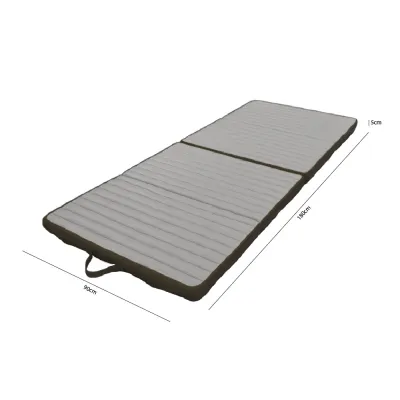

![[OKLIFE. SG]Childrens air mattresses Air mattresses Airplanes high-speed rail travel self-driving childrens sleeping beds](https://img.lazcdn.com/g/p/53965e5c7e2545e7aee5ef36b74d3cd8.jpg_400x400q80.jpg_.webp)
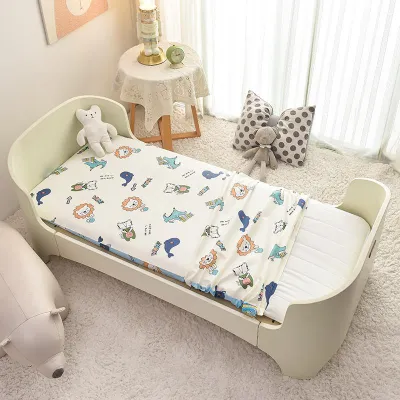
Prices are valid at publication and may change. Please refer to the product page for the latest price.

Adjusting for Body Weight and Sleeping Position
A child’s body weight significantly influences how they experience mattress firmness. Because children are much lighter than adults, they do not compress mattress comfort layers as deeply. A mattress rated as “medium” by an adult might feel exceptionally firm to a lightweight child, causing them to sleep on top of the mattress rather than sinking in slightly for pressure relief. Sleeping position also dictates firmness requirements. Side sleepers generally benefit from a slightly softer surface that cushions the shoulders and hips, keeping the spine straight. Conversely, back and stomach sleepers require a firmer surface to prevent the pelvis from sinking, which can arch the spine unnaturally. Always check the manufacturer’s weight limits and recommended sleep positions printed on the product specification sheet before purchasing.
How to Evaluate Firmness When Shopping
Evaluating mattress firmness requires looking beyond simple numerical ratings, which vary widely between brands. Compare the structural materials used; for instance, high-density foam provides consistent, contouring support, while pocket spring systems offer responsive, zoned support that adapts to movement. If shopping in a physical showroom, perform a hand-press test by applying firm pressure to the center and edges to gauge resistance. Evaluating edge support is particularly important for children, as weak edges can lead to rolling off the bed. When purchasing from online furniture retailers, look for brands that offer sleep trials. Carefully review the return policies, checking for potential restocking fees or return shipping charges that may apply if the mattress is not a perfect fit.
Essential Safety and Fit Checks Beyond Firmness
Beyond firmness, ensuring a proper physical fit within the bed frame is vital for your child’s safety. Measure the inner dimensions of the bed frame precisely to prevent dangerous gaps between the mattress and the frame or headboard, which can pose entrapment hazards. In Singapore, standard single and super single bed dimensions can vary slightly depending on whether the frame follows local, UK, or European sizing standards. Additionally, check the product tag for recognized safety certifications and low-VOC material labels to ensure the mattress does not release harmful chemicals into your child’s bedroom. Finally, verify that the combined height of the mattress and bed frame does not compromise safety rails, especially on bunk beds or loft beds.
Frequently Asked Questions (FAQ)
When should I transition my child from a toddler mattress to a standard children's mattress?
You should consider transitioning your child when they begin to outgrow the physical dimensions of their toddler bed or crib mattress, typically when their head or feet are within a few centimeters of the edges. Other indicators include increased restlessness, complaints of discomfort, or waking up stiff. Always consult the current mattress manufacturer’s guidelines regarding maximum height and weight limits to ensure your child remains safely supported.
Can I use a mattress topper to adjust the firmness of my child's bed?
Using a mattress topper to adjust firmness is not recommended for toddlers or young children due to the risk of creating a soft, uneven surface that poses a suffocation hazard. For older children and pre-teens who require slight pressure relief on an existing firm mattress, a thin, high-density foam topper may be appropriate. However, you should always check the original mattress manufacturer’s care instructions and warranty terms, as adding a topper can sometimes void the product warranty.
Community discussion
Share your experience or ask a question. Comments are reviewed before publication.