
Choosing the right chair slider material is a balance between floor protection, ease of movement, and long-term durability. There is no single universal option that excels on every surface. For instance, soft felt pads provide an exceptionally smooth glide on hard, polished surfaces like marble or parquet, but they easily trap abrasive grit and flatten under heavy loads. Conversely, hard plastic or nylon sliders glide effortlessly across carpets and rugs but can severely scratch or gouge delicate hard floors if debris gets trapped underneath. Elastomers like rubber and silicone offer excellent grip and noise reduction for stationary furniture, yet they can leave unsightly scuff marks or chemically react with certain vinyl and wood finishes. To safeguard your home’s flooring, you must evaluate the specific characteristics of your floor, the weight and usage of your furniture, and the physical properties of each slider material.
Assessing Your Floor Surface and Furniture Needs
Before purchasing any chair sliders, you must evaluate the specific characteristics of your flooring and the physical demands of your furniture. Flooring surfaces vary widely in hardness, texture, and finish. For example, high-gloss marble and polished porcelain tiles are highly susceptible to visible hairline scratches, whereas matte-finished ceramic tiles or textured vinyl planks are slightly more forgiving but still require protection. You must also check the flooring manufacturer’s guidelines, as certain modern materials—particularly luxury vinyl tiles (LVT) or engineered wood—can react negatively to specific adhesives or rubber compounds, leading to permanent discoloration or chemical staining.
Beyond the floor itself, the physical attributes of the furniture play a critical role in your selection. Consider the weight of the chair, the diameter and shape of its legs, and how frequently it is moved. Heavy dining chairs that are dragged multiple times a day exert concentrated pressure on a very small surface area. This high load capacity requirement means that soft, thin felt pads may compress and wear through within weeks, exposing the bare wood or metal leg to the floor. Conversely, lightweight accent chairs that are rarely moved place far less stress on the slider, allowing for more flexible material choices. Measuring the exact dimensions of the chair leg base is essential to ensure a secure fit, whether you choose adhesive pads, slip-on caps, or nail-in glides.
Products mentioned in this guide

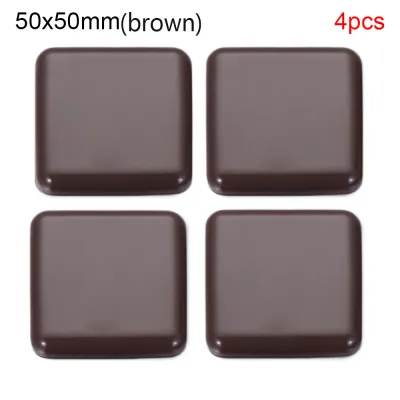
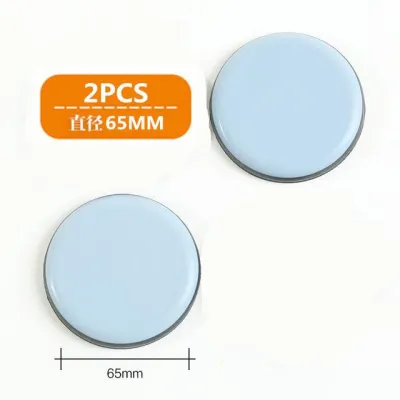
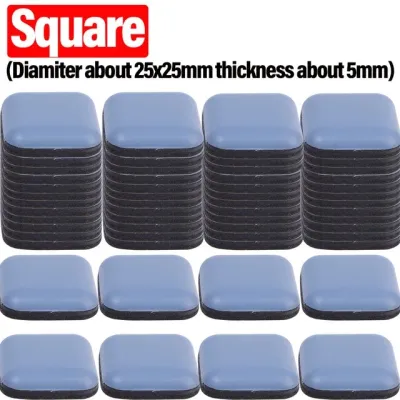
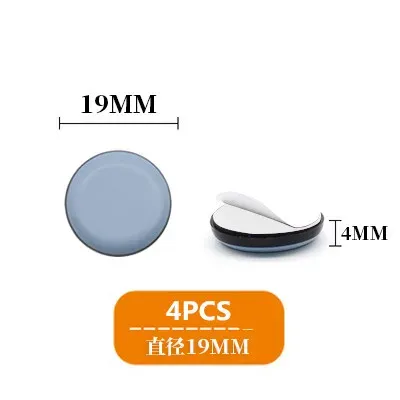
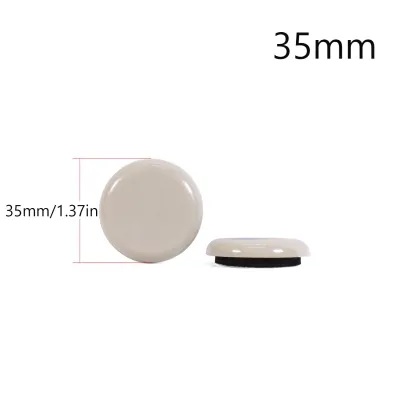
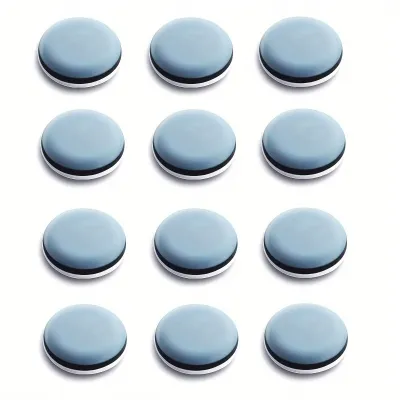
Prices are valid at publication and may change. Please refer to the product page for the latest price.
Comparing Common Chair Slider Materials
To make an informed decision, you must understand the physical properties, advantages, and inherent limitations of the three primary slider categories: felt, rubber/silicone, and plastic/nylon. Each material behaves differently under load and across various surface textures.

Felt and Fabric-Based Sliders
Felt and fabric-based sliders are the traditional choice for protecting hard, smooth indoor floors. These sliders are typically made from compressed wool or synthetic fibers, offering a soft, cushioned barrier that absorbs impact and allows furniture to glide silently. The primary benefit of felt is its low coefficient of friction on polished surfaces, which makes moving heavy chairs virtually effortless.
However, felt sliders require active monitoring and maintenance. Because of their fibrous, porous nature, they act like a magnet for dust, pet hair, and microscopic grit. When sand or small dirt particles become embedded in the felt fibers, the slider effectively transforms into sandpaper. As the chair is dragged across the floor, this trapped debris can grind into the finish, causing fine scratches over time. Additionally, felt is prone to compression. Under heavy, static loads, the fibers eventually flatten and lose their cushioning ability, requiring regular replacement to prevent the chair leg from making direct contact with the floor.
Rubber and Silicone Sliders
Rubber and silicone sliders, often classified as elastomeric glides, serve a fundamentally different purpose than felt or plastic. Instead of promoting effortless sliding, these materials are designed primarily for grip, stability, and vibration dampening. They are highly effective for furniture that you want to keep firmly in place, such as heavy sofas, bed frames, or stationary stools.
Silicone caps that slip over the chair legs often feature a felt pad integrated into the bottom, combining the snug fit of silicone with the glide of felt. However, pure rubber or silicone bases have a high coefficient of friction. If you attempt to drag a chair fitted with pure rubber sliders, it will resist movement, potentially causing the chair to tip or putting excessive stress on the leg joints. Furthermore, some rubber compounds contain plasticizers that can migrate into the floor finish. This chemical transfer can leave permanent dark streaks, yellowing, or sticky residues on sensitive surfaces like luxury vinyl, light-colored parquet, or newly sealed natural stone. Always verify that any rubber or silicone product is labeled as non-marking and safe for your specific flooring type.
Plastic and Nylon Sliders
Plastic and nylon sliders are rigid, durable accessories designed to minimize friction on rough or soft surfaces. They are typically constructed from high-density polyethylene (HDPE), nylon, or polytetrafluoroethylene (PTFE), commonly known as Teflon. These materials are highly resistant to wear and do not compress under heavy loads, making them exceptionally long-lasting.
The primary application for hard plastic or nylon sliders is on carpeted floors or highly textured outdoor surfaces. On carpets, these sliders bridge the gaps between carpet fibers, allowing the chair to slide smoothly without snagging or tearing the pile. However, using rigid plastic sliders on hard, smooth indoor floors carries a high risk. If a hard plastic slider encounters a grain of sand or a small pebble on a hardwood or polished tile floor, it cannot absorb the particle. Instead, the hard plastic presses the grit directly into the floor surface, dragging it along and creating deep, permanent gouges. Additionally, if the plastic edge itself becomes chipped, cracked, or worn unevenly, the sharp plastic edge can scrape the floor directly.
Matching Slider Materials to Specific Floor Types
To ensure optimal protection and functionality, you must match the slider material to the specific flooring installed in your home. Different materials require distinct care strategies.
For polished natural stone like marble, granite, or high-gloss porcelain tiles, thick, high-density felt is generally the safest option. These surfaces are highly sensitive to scratching and chipping. Felt provides the necessary cushioning to glide smoothly over grout lines without catching. You must avoid rigid plastic or nylon sliders on these floors, as any trapped grit under a hard slider will quickly dull the polished finish. If you have textured ceramic or rustic stone tiles with wide, uneven grout joints, felt may wear out rapidly due to the abrasive texture. In such cases, heavy-duty, dome-shaped nylon glides can be used, provided you sweep the floor frequently to keep it free of loose debris.
Parquet, solid hardwood, and engineered wood floors demand soft, non-marking materials. Wood is highly susceptible to pressure dents and surface scratches. High-density felt sliders are the gold standard here, as they distribute the weight evenly and glide softly. When applying felt to wood-legged chairs, ensure the adhesive is strong enough to withstand lateral shear forces. If an adhesive pad slides off center, the exposed glue can attract dirt, while the bare wood or metal leg can gouge the parquet. Avoid using hard rubber sliders on light-colored wood finishes, as they can leave stubborn black scuff marks that are difficult to remove without stripping the wax or polyurethane sealant.
Vinyl and laminate flooring present unique chemical compatibility challenges. Many modern homes feature luxury vinyl planks (LVP) or high-quality laminates. While these materials are highly durable and water-resistant, they are vulnerable to chemical staining from rubber plasticizers. Using cheap black rubber tips or sliders can cause permanent yellow or brown stains on vinyl floors due to a chemical reaction triggered by ambient heat and pressure. For vinyl and laminate, opt for high-density felt or specially formulated, non-staining plastic sliders (such as PTFE-coated glides). Always check the flooring manufacturer’s care guide to confirm which materials are approved for use.
To help synthesize these choices, consider this conditional decision framework:
- If your floor is polished marble, parquet, or glossy tile, choose high-density felt sliders and inspect them monthly for embedded grit.
- If your floor is luxury vinyl or laminate, choose felt or non-staining PTFE sliders; avoid standard black rubber to prevent chemical discoloration.
- If your floor is wall-to-wall carpet or a large area rug, choose hard plastic or nylon dome sliders to prevent snagging and ensure easy movement.
- If you want to keep a heavy, stationary piece of furniture from sliding on a hard floor, choose non-marking silicone or clear rubber cups, ensuring they are certified safe for your floor finish.
Installation Checks and Ongoing Maintenance
Selecting the right material is only half the battle; proper installation and routine maintenance are critical to preventing floor damage. Chair sliders are available in three primary attachment styles: self-adhesive pads, nail-in or screw-in glides, and slip-on flexible caps.
Self-adhesive pads are the easiest to install but require thorough surface preparation. Before applying an adhesive pad, you must clean the bottom of the chair leg thoroughly with rubbing alcohol to remove old wax, dust, and oils. Let it dry completely before pressing the pad firmly into place. Adhesive pads are best suited for lightweight chairs or furniture that is rarely moved. For heavy dining chairs that experience constant movement, nail-in or screw-in glides offer a far more secure attachment. These require drilling a small pilot hole into the center of the wooden leg to prevent splitting, then tapping or screwing the glide in flush. Slip-on caps, often made of flexible silicone with an integrated felt base, are excellent for metal or tubular chair legs where adhesives and nails cannot be used.
Ongoing maintenance is the key to long-term floor protection. You should establish a routine to inspect and clean your chair sliders at least once every few months. For felt sliders, use a stiff brush or the upholstery attachment of your vacuum cleaner to pull out trapped dust, pet hair, and grit. If the felt appears heavily compressed, hardened, or worn thin, peel it off, clean the residue, and apply a fresh pad. For plastic and rubber sliders, wipe them down with a damp cloth and inspect the surface for cracks, embedded debris, or uneven wear. Replacing a worn-out S$5 set of sliders immediately can save you thousands of dollars in professional floor refinishing or tile replacement costs down the road.
Frequently Asked Questions (FAQ)
Can I use the same chair sliders on both carpet and hard floors?
It is generally not recommended to use the same slider material for both carpeted and hard floor surfaces because they have opposing friction requirements. Hard plastic or nylon sliders are ideal for carpets because they glide smoothly over the fibers without snagging, but they can easily scratch and gouge hard wood, tile, or marble floors by trapping grit underneath. Conversely, felt sliders provide excellent protection and a smooth glide on hard floors, but they will snag on carpet loops, collect carpet fibers, and wear out almost immediately if dragged across a carpeted surface. For rooms with mixed flooring, choose sliders specifically optimized for each surface.
How do I remove adhesive residue left by old chair sliders?
To remove sticky adhesive residue without damaging your floor, you must proceed with caution and use the mildest method first. Start by applying a small amount of mineral oil, vegetable oil, or a dedicated mild adhesive remover to a clean microfiber cloth. Rub the residue gently in a circular motion. Before applying any solvent to your floor, always test it in an inconspicuous area—such as inside a closet or under a heavy appliance—to ensure it does not soften, dull, or discolor the floor finish. Once the adhesive softens, scrape it away gently using a plastic scraper or the edge of an old credit card. Wipe the area clean with a damp cloth and a drop of mild dish soap, then dry it thoroughly.
Do heavy dining chairs require special slider types?
Yes, heavy dining chairs that are used daily require more robust slider options than lightweight accent furniture. Standard self-adhesive felt pads often shear off or flatten completely under the combined weight of the chair and the occupant. For heavy dining chairs, it is highly recommended to use nail-in or screw-in sliders, which remain mechanically anchored to the wooden legs. Additionally, select sliders with a larger surface area to distribute the weight more evenly across the floor, reducing the localized pressure and minimizing the risk of deep dents or scratches on soft wood and vinyl surfaces.
Community discussion
Share your experience or ask a question. Comments are reviewed before publication.