
Selecting the right chair leg protector depends entirely on matching the physical properties of the protector material to the specific hardness, texture, and moisture levels of your flooring. For smooth, scratch-prone surfaces like hardwood and laminate, soft felt pads allow chairs to glide effortlessly without scraping the delicate top coat. Conversely, hard, textured surfaces like ceramic or porcelain tiles benefit most from the high-friction grip and moisture resistance of silicone or rubber caps, which keep chairs stable and dampen hollow scraping noises. For heavy, stationary furniture or carpeted areas, rigid plastic or nylon glides distribute weight effectively without tearing. Choosing the wrong combination can lead to permanent floor damage, meaning a careful assessment of your home’s surfaces is the essential first step.
Understanding Your Floor Type and Chair Usage
Before purchasing any protectors, you must evaluate the specific characteristics of your flooring and how your furniture is used daily. Different floors feature distinct wear layers and finishes that dictate their vulnerability to scratches, scuffs, and pressure marks. For instance, solid or engineered hardwood floors are typically sealed with polyurethane, wax, or oil finishes. While these sealants protect the wood from moisture, they remain highly susceptible to fine scratches from trapped grit dragged across the surface under the weight of a chair.
Laminate flooring, on the other hand, features a synthetic wear layer designed to resist impact, but once this top layer is deeply scratched or worn through, it cannot be easily sanded and refinished like real wood. Tile floors, particularly glazed ceramic or porcelain, are highly durable but feature grout lines that create uneven surfaces. Sliding chairs across these joints can chip the tile edges or cause structural stress to the chair legs if they catch.
Products mentioned in this guide
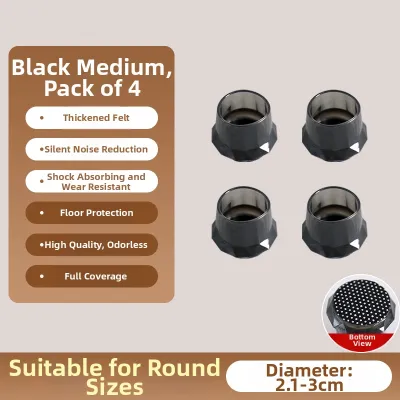
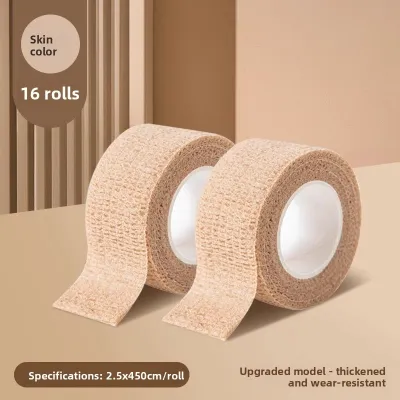
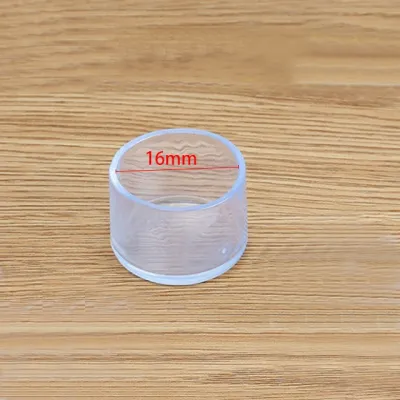
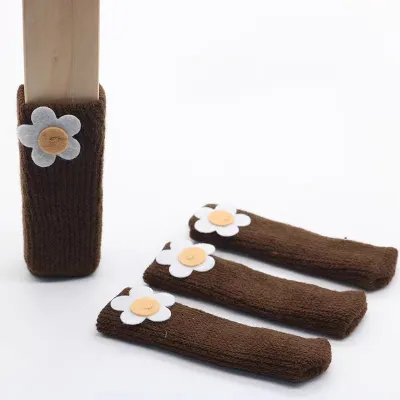
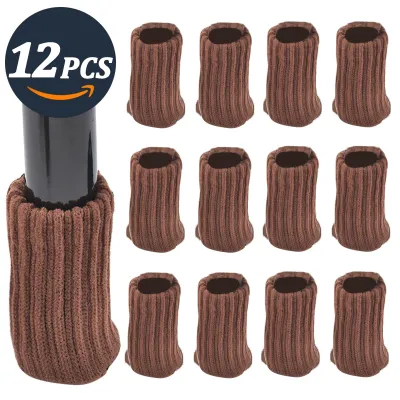
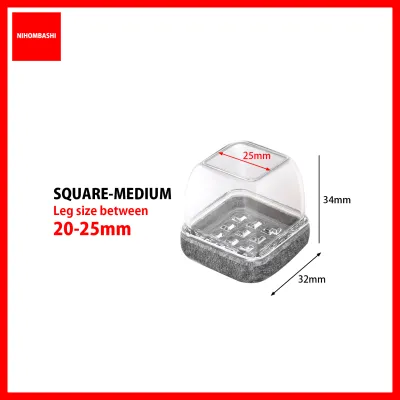
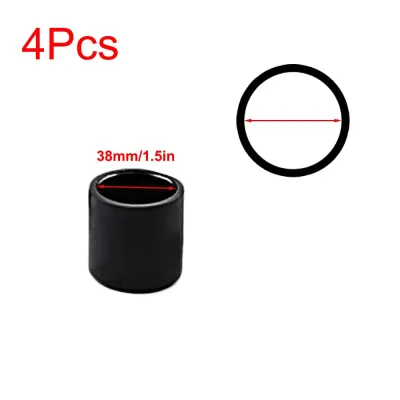
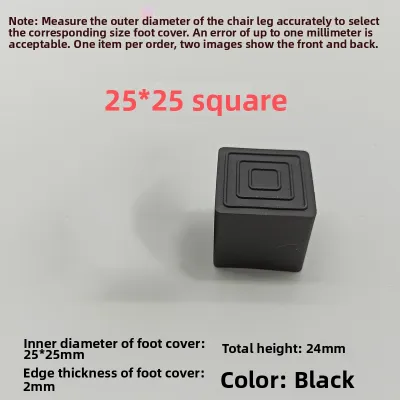
Prices are valid at publication and may change. Please refer to the product page for the latest price.
Beyond the floor material, consider the movement patterns of your furniture. Dining chairs are pulled out and pushed in multiple times a day, requiring a material that promotes smooth sliding. Heavy armchairs, sofas, or sideboards remain mostly stationary, meaning they require protectors that distribute heavy point loads to prevent deep indentations, especially on softer wood species or vinyl.
Finally, always review your flooring manufacturer’s warranty guidelines before applying any protectors. Some warranties explicitly warn against using specific adhesive backings, rubber compounds, or plasticizers that can chemically react with the floor’s finish, leading to permanent cloudiness or discoloration. Knowing these constraints beforehand prevents costly mistakes and preserves your floor’s long-term appearance.
Comparing Chair Leg Protector Materials
Each protector material offers a unique balance of friction, durability, and surface compatibility. Understanding these physical profiles allows you to select a protector that matches your specific household needs.

Felt Pads
Felt pads are the traditional choice for protecting smooth, dry indoor surfaces. Made from compressed wool or synthetic fibers, these pads provide a soft, cushioned barrier that allows chair legs to slide silently and effortlessly across hardwood, engineered wood, and laminate floors. Because felt has low surface friction, it minimizes the lateral stress placed on chair joints during movement, making it highly suitable for daily-use dining chairs.
However, felt has distinct physical limitations that require careful monitoring. Over time, the constant pressure of furniture compresses the fibers, reducing their cushioning ability and eventually exposing the hard adhesive backing or the chair leg itself. Furthermore, felt acts like a magnet for dust, pet hair, and microscopic grit. If these abrasive particles become embedded in the felt, the pad can act like sandpaper, scratching the very floor it was meant to protect. Felt is also highly absorbent, making it entirely unsuitable for wet areas like kitchens or bathrooms, where spilled liquids can cause the pad to rot, peel off, or trap moisture against the wood.
When choosing felt protectors, check the thickness and density of the material; thicker, heavy-duty wool felt generally resists compression longer than thin synthetic options. Additionally, verify the quality of the adhesive backing or consider nail-on or screw-on felt glides for a more permanent mechanical attachment, provided your chair legs can accommodate them without splitting.
Silicone and Rubber Caps
Silicone and rubber caps offer a flexible, sleeve-like design that stretches over the bottom of the chair leg. These materials are highly valued for their exceptional grip, noise dampening, and moisture resistance, making them the ideal choice for high-humidity environments or tiled areas. Unlike felt, silicone and rubber do not absorb water, meaning they remain stable and hygienic in kitchens, dining spaces, or semi-outdoor areas.
The primary limitation of these materials is their high coefficient of friction. If you attempt to slide a chair fitted with rubber caps across a smooth floor, the material will grip the surface rather than glide, which can cause the chair to tip or place severe leverage stress on the leg joints. On certain delicate finishes, this high friction can also leave dark scuff marks or cloudy streaks that are difficult to buff out. Additionally, while flexible caps stretch, they can be difficult to fit securely on highly tapered, angled, or non-standard geometric chair legs.
To ensure a proper fit, measure the exact diameter or width of your chair legs and check the manufacturer’s sizing chart. Look for caps with reinforced bottoms to prevent the sharp edges of metal or wooden legs from cutting through the flexible material over time. If you are installing them on light-colored tile or stone, monitor the contact points periodically to ensure the rubber does not leach oils or pigments that could stain the grout or tile surface.
Hard Plastic and Nylon Glides
Hard plastic and nylon glides are rigid protectors designed primarily for heavy, stationary furniture or carpeted surfaces. These glides typically nail, screw, or tap directly into the wooden leg, providing a highly secure attachment that will not peel off under heavy loads. On carpet, the smooth, hard surface of nylon allows heavy furniture to be moved without snagging or tearing the carpet fibers, while also distributing the weight to minimize deep, permanent carpet divots.
However, rigid plastic and nylon pose a significant hazard if used on smooth hard floors like hardwood or laminate. Because the material is completely unyielding, any tiny grain of sand or grit trapped beneath the glide will be pressed into the floor with immense force, resulting in deep, permanent gouges. Additionally, if the edges of the plastic glide are molded poorly or become chipped, the sharp plastic itself can slice through floor finishes.
Before installing rigid glides, run your finger over the contact surface to verify that the edges are perfectly smooth and free of manufacturing burrs. Ensure the glide is installed perfectly flat and perpendicular to the floor; an angled glide will concentrate all the furniture’s weight onto a sharp edge, rapidly damaging both the floor and the protector.
Material-to-Floor Matching Matrix
To simplify your selection process, use the following decision framework to match common flooring types with the most compatible protector materials based on observable household conditions.
| Floor Type | Recommended Material | Primary Benefit | Key Risk | Pre-Installation Check |
|---|---|---|---|---|
| Hardwood | Felt (Heavy-Duty) | Smooth sliding; prevents fine scratches on polyurethane finishes. | Traps grit; compresses over time, exposing adhesive. | Clean floor thoroughly; check pad thickness and density. |
| Laminate | Felt (Heavy-Duty) | Low friction; prevents wear-through of the synthetic top layer. | Embedded debris can cause deep, non-repairable scratches. | Inspect pads weekly for trapped pet hair and dirt. |
| Tile (Ceramic/Stone) | Silicone or Rubber Caps | High grip; dampens hollow scraping sounds; moisture-resistant. | High friction can cause tipping; may leave scuff marks. | Measure leg dimensions accurately; check for reinforced bottoms. |
| Carpet / Rugs | Hard Plastic or Nylon Glides | Smooth movement over fibers; prevents snagging and tearing. | Unsuitable for hard floors; can concentrate heavy point loads. | Verify glide edges are completely smooth and free of burrs. |
Note: This matrix serves as a general guide. Always verify the specific recommendations and installation instructions provided by both your flooring manufacturer and the protector manufacturer before application.
Installation, Maintenance, and When to Replace
Even the highest-quality chair leg protector will fail if it is installed incorrectly or neglected over time. Establishing a simple routine for preparation, inspection, and replacement is the most effective way to guarantee your floors remain pristine.
Proper installation begins with thorough surface preparation. Before applying any adhesive pad or slipping on a silicone cap, clean the bottom of the chair leg meticulously. Use a damp cloth with a mild detergent to remove accumulated wax, dust, and old adhesive residue, then allow the wood or metal to dry completely. Any remaining moisture or dust will severely compromise the bond of self-adhesive pads, causing them to slide off center and expose the bare chair leg to the floor.
Once installed, perform routine checks at least once every few months. Run your fingers over the bottom of felt pads to feel for stiffness or embedded grit; if the felt feels hard, compacted, or full of debris, it is time to replace it. For silicone or rubber caps, inspect the material for splitting, cracking, or signs of dry rot, especially in warm or humid environments. If you notice the chair becoming harder to slide, or if it begins making a scraping sound, stop using the chair immediately until you can inspect the protectors.
You must establish clear stop conditions for your furniture protectors. Remove and replace them immediately if you observe any of the following warning signs: the protector has slipped off center, leaving sticky adhesive exposed to the floor; the material has worn thin enough to reveal the screw, nail, or bare wood underneath; or the protector is leaving dark scuff marks or discoloration on your flooring. Taking swift action prevents minor wear from turning into expensive floor refinishing projects.
Frequently Asked Questions (FAQ)
Can I use the same protectors for indoor and outdoor furniture?
Outdoor environments introduce unique challenges, such as direct sunlight, rain, and temperature fluctuations, which rapidly degrade standard indoor protectors. Standard self-adhesive felt pads will quickly lose their bond when exposed to moisture, causing them to fall off, while UV rays can make standard plastics and rubbers brittle or sticky. If you need to protect outdoor surfaces like wooden decking or tiled patios, look specifically for weather-resistant heavy-duty rubber or UV-stabilized plastic glides designed for outdoor use. Always check the product packaging for explicit outdoor ratings, and inspect them regularly for signs of cracking or degradation.
How do I remove adhesive residue left by old felt pads?
Removing sticky residue requires a gentle approach to avoid stripping the protective finish of your floor or damaging the chair leg. Start by using a plastic scraper, an old credit card, or a microfiber cloth to gently rub away the bulk of the softened adhesive. If residue remains, consult your flooring manufacturer’s guidelines to identify approved, non-abrasive cleaning solvents. Avoid using harsh steel wool, metal scrapers, or strong chemical solvents like acetone on laminate or sealed hardwood, as these can permanently dull or dissolve the protective wear layer. If the adhesive has bonded deeply or the floor finish appears compromised, consult a professional flooring specialist before proceeding.
Community discussion
Share your experience or ask a question. Comments are reviewed before publication.