
Selecting the right chair leg protectors is a critical step in preserving the appearance and structural integrity of your home’s flooring. The ideal choice depends entirely on matching the physical properties of the protector material to your specific floor type, the weight of your furniture, and how often the chairs are moved. While a soft material cushions a delicate hardwood floor, it may wear down rapidly or trap abrasive debris on a textured tile surface. Conversely, a rigid glide that performs excellently on carpet can cause severe scratching if dragged across polished stone or laminate.
To make an informed decision, you must evaluate how different materials—such as felt, rubber, plastic, and silicone—interact with your flooring under daily use. Rather than relying on universal claims of compatibility, the most reliable approach involves checking manufacturer specifications, assessing your home’s environmental conditions, and performing routine inspections. By understanding the mechanical limits and maintenance requirements of each protector type, you can safeguard your floors from scratches, gouges, and scuffs.
Identifying Your Floor Type and Furniture Needs
Before purchasing any protective accessories, you must analyze the specific characteristics of your flooring and furniture. Hardwood floors, particularly those with soft polyurethane or oil finishes, are highly susceptible to pressure marks and fine scratches. In contrast, glazed ceramic or porcelain tiles are much harder but feature grout lines that can snag thin or rigid protectors. Laminate and luxury vinyl tile (LVT) floors offer moderate scratch resistance but can still suffer from dulling if subjected to constant friction from abrasive materials.
Products mentioned in this guide
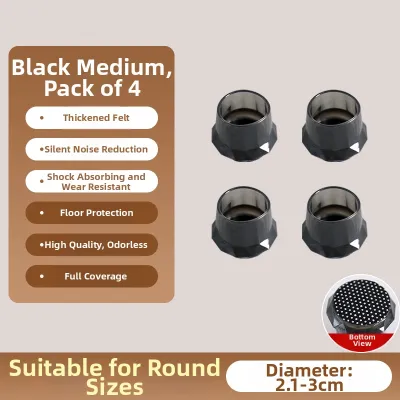
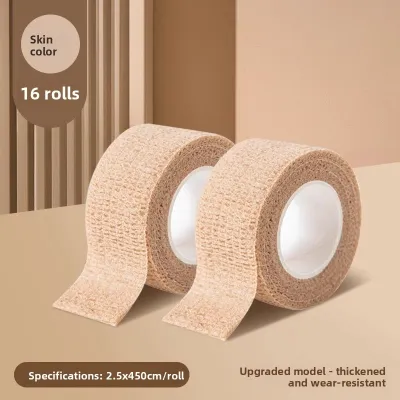
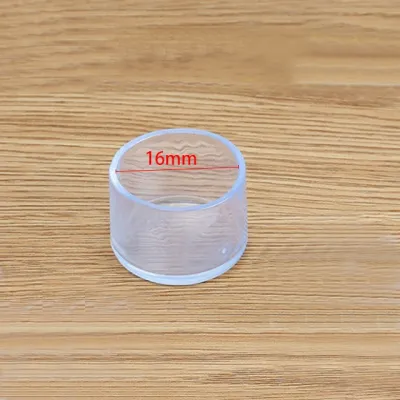
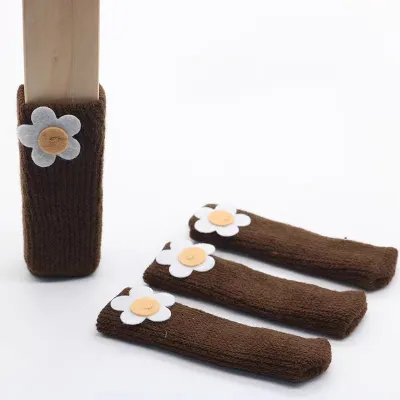
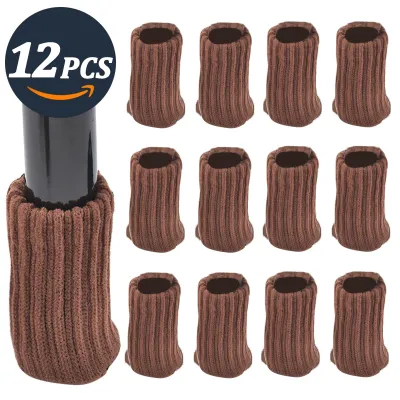
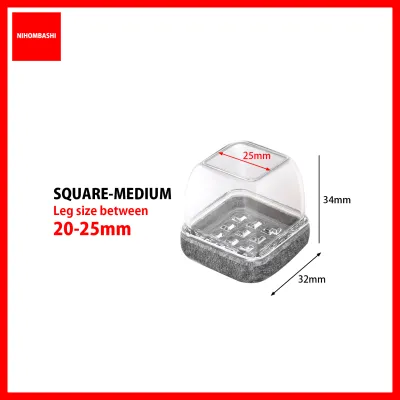
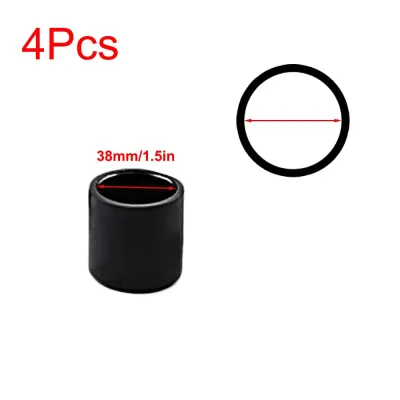
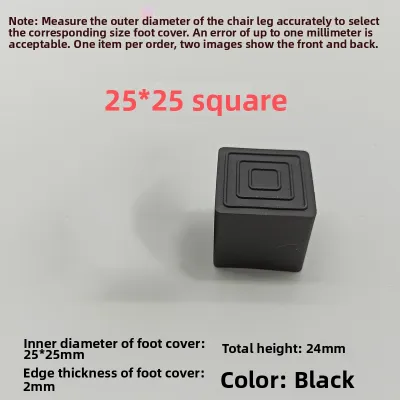
Prices are valid at publication and may change. Please refer to the product page for the latest price.
The physical profile of your chairs also dictates the type of protection required. Heavy dining chairs or solid wood armchairs exert significantly more downward pressure than lightweight metal folding chairs, requiring thicker, more durable barrier materials. You should measure the exact dimensions of the chair leg bases, noting whether they are flat, angled, round, or square. An angled chair leg concentrates weight on a single edge, which can cause standard flat adhesive pads to slide off or wear through unevenly.
Environmental factors, particularly indoor humidity levels, play a major role in how well certain protectors perform. In humid climates, high moisture levels in the air can weaken the adhesives used on peel-and-stick pads, causing them to slip out of place. If your home relies on natural ventilation rather than continuous air conditioning, you must select protectors with mechanical fastening systems, such as slip-on sleeves or screw-in glides, or verify that the adhesive used is rated for high-humidity environments.
Felt Pads: Evaluating Suitability for Smooth Surfaces
Felt pads are a traditional choice for smooth, hard surfaces such as sealed hardwood, engineered wood, and laminate. The soft, compressed fibers of felt allow chairs to glide silently and smoothly across the floor, minimizing friction and preventing surface scratches. When shopping for felt protectors, look for manufacturer compatibility labels that explicitly state suitability for your specific floor finish. Heavy-duty, high-density felt is generally preferable to thin, soft craft felt, as it resists compression under heavy loads.

However, felt has distinct limitations that you must manage to prevent accidental floor damage. Felt is highly absorbent, meaning it should never be used in areas prone to moisture exposure, such as kitchens, bathrooms, or dining spaces where frequent liquid spills occur. Wet felt can trap moisture against wood floors, leading to discoloration, warping, or finish degradation. Additionally, heavy dragging of heavily loaded chairs can shear adhesive felt pads right off the leg bases, leaving the bare wood or metal exposed to the floor.
The most critical maintenance requirement for felt pads is regular cleaning and inspection. Because felt is fibrous, it acts like a magnet for dust, pet hair, and outdoor grit carried inside on shoes. Over time, tiny particles of sand or dirt become deeply embedded in the felt fibers. If left uncleaned, this trapped grit transforms the soft pad into a coarse abrasive, scratching the very floor it was meant to protect. You must regularly vacuum the pads or run a stiff brush over them to remove accumulated debris.
Rubber Caps: Checking Grip and Noise Reduction on Tiles
Rubber caps and tips are highly effective for heavy-duty applications, particularly on hard, durable surfaces like ceramic, porcelain, or natural stone tiles. Unlike felt, which encourages sliding, rubber provides high friction and grip. This makes rubber caps ideal for chairs that need to remain securely in place, such as bar stools, heavy dining chairs, or kitchen island seating. The natural elasticity of rubber also provides excellent noise dampening, absorbing the harsh clatter of metal or wooden legs scraping against hard tile.
When selecting rubber caps, you must verify how the material interacts with your specific tile finish. On highly polished or glazed tiles, some rubber compounds can leave dark, stubborn scuff marks that are difficult to buff out. To prevent this, look for non-marking rubber caps, which are often lighter in color (such as grey, white, or clear) and formulated specifically to avoid leaving residue. Always check the product packaging for floor-safe certifications or manufacturer guarantees regarding non-marking properties.
Additionally, you must ensure that the rubber caps fit snugly over the chair legs. A loose cap can easily slip off during movement, exposing the hard edge of the chair leg to the floor. Because rubber does not stretch as easily as silicone, you must measure the outer diameter of your chair legs precisely before purchasing. If your tiles have wide or deep grout lines, ensure the rubber cap has a thick, flat base that will not catch or sink into the recesses, which can cause the chair to wobble or tip.
Plastic Glides: Assessing Heavy-Duty and Carpeted Applications
Plastic glides, often featuring a smooth polyethylene or nylon base, are designed primarily to facilitate movement on soft surfaces like carpets and large area rugs. The low-friction plastic allows heavy furniture to slide effortlessly across carpet fibers without snagging or causing tears. These glides are typically secured to the chair legs using small screws, nails, or heavy-duty metal prongs, ensuring they remain firmly attached even under significant lateral force and heavy weight loads.
While plastic glides excel on carpets, using them on bare hard floors carries substantial risks. If a plastic glide is dragged across a hardwood, laminate, or vinyl floor, any small piece of grit or sand trapped beneath the plastic base will be pressed into the floor under the weight of the chair. Because plastic is rigid and does not absorb debris like felt does, the trapped particle is dragged across the surface, creating deep, permanent scratches. Therefore, you should avoid using hard plastic glides on bare hard floors unless the manufacturer explicitly rates them for such surfaces.
Before installing plastic glides, inspect the base design to ensure it is completely smooth and free of manufacturing defects, such as sharp plastic seams or exposed metal screws. You must also check the manufacturer’s weight capacity limits to ensure the glides can support the intended furniture. If you are retrofitting older chairs, verify that the wood or metal of the chair leg is structurally sound enough to accept a screw-in or nail-in glide without splitting.
Silicone Sleeves: Verifying Fit and Multi-Surface Versatility
Silicone sleeves have gained popularity as a versatile, modern solution for protecting various flooring types. These protectors consist of a flexible, stretchable silicone body that slips over the chair leg, often combined with a felt or padded felt base fused to the bottom. This hybrid design offers the smooth sliding benefits of felt alongside the secure, tool-free installation of a slip-on sleeve. They are particularly useful for homes with mixed flooring, such as transition zones between tile and hardwood.
The primary advantage of silicone is its elasticity, allowing a single sleeve size to stretch and conform to different leg profiles, including round, square, or slightly irregular shapes. However, you must still measure your chair legs to ensure you select the correct size range. If a silicone sleeve is stretched too tightly, the material is placed under excessive tension, making it highly vulnerable to tearing against sharp chair edges or during sudden movements. Conversely, a sleeve that is too loose will slide down, bunch up, or fall off entirely.
Aesthetic preferences also play a role in this choice. Many silicone sleeves are transparent, allowing the natural wood grain or metal finish of the chair leg to remain visible. Over time, however, clear silicone can yellow due to UV exposure or accumulate dust along its upper rim. You should check the thickness of the silicone walls and look for reinforced bottoms to ensure the material can withstand daily friction without splitting or wearing through at the corners.
Material and Flooring Compatibility Matrix
To help you finalize your selection, the following matrix summarizes how each protector material performs across different flooring types, along with key verification checks you should perform before purchasing.
| Protector Type | Compatible Floor Types | Chair Weight Suitability | Primary Benefits | Essential Pre-Purchase Verification Checks |
|---|---|---|---|---|
| Felt Pads | Hardwood, Laminate, Vinyl | Light to Medium | Silent sliding, scratch prevention | Check adhesive humidity rating; verify high-density felt quality. |
| Rubber Caps | Tile, Stone, Concrete | Medium to Heavy | High grip, excellent noise dampening | Verify non-marking label; measure exact leg diameter for snug fit. |
| Plastic Glides | Carpet, Rugs | Heavy | Effortless sliding on soft fibers | Check for smooth base finish; verify weight capacity limits. |
| Silicone Sleeves | Hardwood, Tile, Laminate | Light to Medium | Stretch-to-fit, low visibility | Measure leg dimensions; check for reinforced bottom to prevent tears. |
Always cross-reference this matrix with the specific care instructions provided by your flooring manufacturer, as some custom floor finishes may have unique requirements or restrictions regarding protective accessories.
Installation, Inspection, and Maintenance Rules
Proper installation is just as important as selecting the right material. For adhesive-backed protectors, you must prepare the bottom of the chair leg thoroughly. Clean the surface with a mild solvent, such as rubbing alcohol, to remove old adhesive residue, wax, dust, and oils. Allow the wood or metal to dry completely before applying the new pad. Once applied, press the pad firmly for at least thirty seconds, and allow the adhesive to cure fully—typically 24 hours—before sliding the chair or applying full weight.
For screw-in or nail-in protectors, always drill a small pilot hole first to prevent the wood chair leg from splitting. Ensure the screw head is recessed completely below the sliding surface of the glide; an exposed metal screw head will gouge your flooring instantly. If you are using slip-on silicone or rubber caps, ensure the inside of the cap is clean and dry to prevent trapped moisture from damaging the chair leg finish over time.
Establish a routine inspection schedule, checking the condition of your chair leg protectors at least once every three to six months. Look for signs of flattening, uneven wear, peeling adhesives, or split silicone. If you notice any embedded grit, pet hair, or debris, clean the protectors immediately or replace them if the debris cannot be safely removed. Promptly replacing worn protectors is the simplest way to avoid costly floor repairs or refinishing projects.
Frequently Asked Questions (FAQ)
How often should I replace chair leg protectors?
You should inspect your chair leg protectors every three to six months and replace them at the first sign of wear. For high-use furniture like dining chairs in active households, adhesive felt pads typically require replacement every six to twelve months, as the felt flattens and the adhesive can degrade. Protectors on infrequently used furniture may last significantly longer. Always replace any protector immediately if you observe peeling adhesive, split silicone, worn-through rubber, or deeply embedded grit that cannot be cleaned.
Can I use the same protectors for indoor and outdoor furniture?
No, indoor and outdoor environments require different materials and fastening methods. Indoor protectors, especially those relying on standard adhesives or soft felt, will quickly fail when exposed to outdoor humidity, rain, temperature fluctuations, and UV light. Outdoor furniture requires heavy-duty, weather-resistant materials like UV-stabilized plastics or rust-resistant screw-in glides. Always check the product packaging to confirm whether a protector is rated for outdoor use before installing it on patio or balcony furniture.

Community discussion
Share your experience or ask a question. Comments are reviewed before publication.