
Quick Answer: Which Material Works Best?
Selecting the right leg protectors chair requires understanding the interaction between the protector material and your floor surface. There is no single universal material that excels on every floor. For parquet and hardwood, heavy-duty felt is the gold standard because it allows smooth sliding without scratching delicate wood finishes. For ceramic, homogeneous, or stone tiles, silicone or rubber protectors are superior because they absorb impact, damp noise, and provide grip over grout lines. For luxury vinyl tiles (LVT) or linoleum, smooth, non-staining felt or manufacturer-approved wide-base plastic glides are ideal, as standard rubber can cause permanent chemical yellowing. By matching the protector’s physical properties to your flooring’s specific vulnerabilities, you can prevent expensive floor restoration bills and keep your furniture moving quietly.
Matching Protector Materials to Your Floor Type
Every flooring material possesses unique physical properties—such as hardness, texture, elasticity, and chemical composition—that dictate how it responds to friction and pressure. When a chair is occupied, the downward force concentrates entirely on four small contact points at the bottom of the legs. Dragging a chair multiplies this force horizontally, creating shear stress that can shear off finishes, chip hard surfaces, or leave deep indentations. In Singapore’s humid climate, dust and fine grit particles settle quickly on floors, acting as an abrasive grit under furniture legs. Choosing the wrong protector material can trap this grit or chemically react with the floor, turning a simple protective measure into a source of damage.

Tiles and Stone Floors
Ceramic, homogeneous, and natural stone tiles are highly durable and water-resistant, but they are vulnerable to impact chipping, grout line catching, and loud scraping noises. When heavy chairs slide across tiled floors, the legs repeatedly drop into and climb out of grout joints. This constant vertical impact can chip the edges of the tiles or gradually crack the grout lines, leading to structural weakness and unsightly gaps. To mitigate this, protectors must offer excellent shock absorption and a wide enough base to bridge grout lines smoothly. Thick rubber or silicone covers work exceptionally well here because their elastomeric properties absorb the impact energy of sitting down. Conversely, hard, narrow plastic glides should be avoided on tiles; they lack shock absorption and can crack under heavy impact, while also generating a high-pitched, disruptive scraping noise.
Products mentioned in this guide
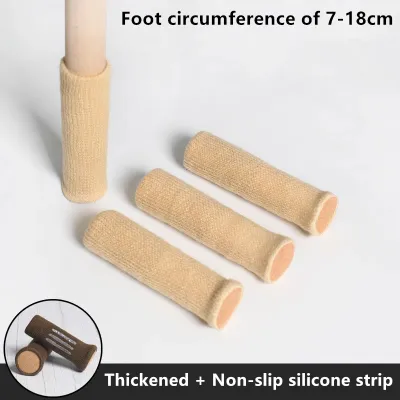
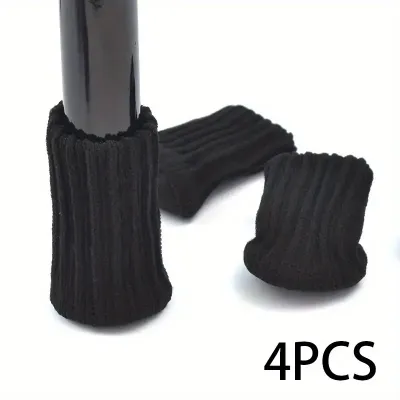

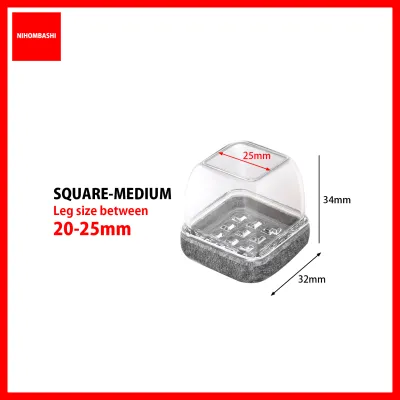
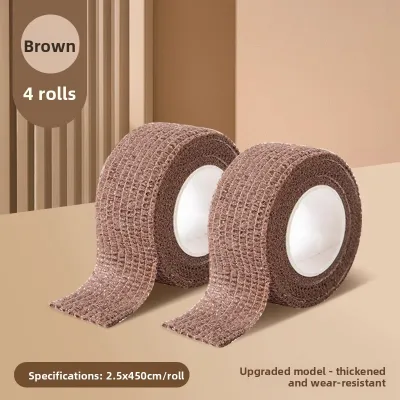
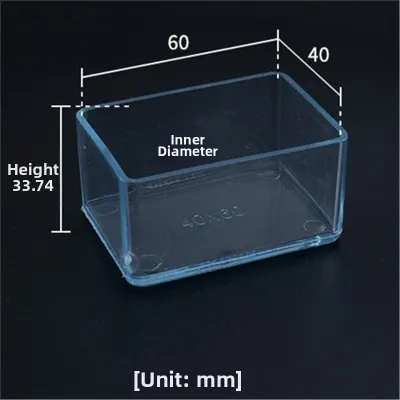
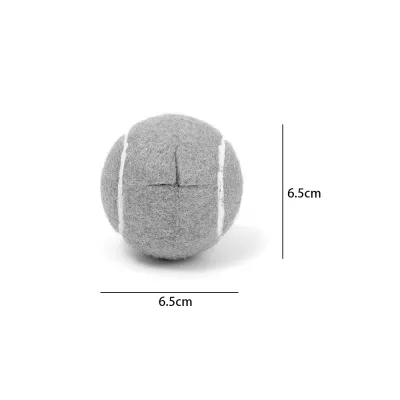
Prices are valid at publication and may change. Please refer to the product page for the latest price.
Vinyl and Linoleum Floors
Resilient flooring options like luxury vinyl plank (LVP), luxury vinyl tile (LVT), and sheet vinyl are popular for their soft underfoot feel and water resistance, but they are highly sensitive to chemical staining and localized pressure. Standard rubber contains chemical compounds, such as antioxidants, that can migrate into the vinyl’s wear layer over time. This chemical reaction causes permanent, unsightly yellow or brown staining that cannot be cleaned or buffed out. Furthermore, because vinyl is relatively soft, heavy chairs left stationary for long periods can cause permanent compression indentations if the weight is not distributed across a wide surface area. To protect vinyl, you must use non-staining materials. High-density felt pads or wide-base, smooth plastic glides that distribute weight evenly are the safest choices. Always check your vinyl flooring manufacturer’s warranty and care guidelines, as many explicitly void coverage if rubber or latex-backed accessories are used.
Parquet and Hardwood Floors
Timber flooring, whether solid parquet, engineered wood, or bamboo, features a delicate polyurethane, lacquer, or oil finish that is highly susceptible to scratching, gouging, and scuffing. Wood is a natural, relatively soft material, meaning any hard particle trapped beneath a moving chair leg will act like a diamond-tipped cutting tool, carving deep scratches into the protective finish and wood fibers. Once the finish is breached, moisture can penetrate the wood, causing localized warping, discoloration, or rot—a particularly common issue in high-humidity environments. Felt pads are the undisputed standard for timber floors because their soft, fibrous texture absorbs microscopic dust and grit particles, burying them deep within the felt fibers rather than dragging them across the wood surface. Hard plastic glides must be avoided on parquet, as they can easily scratch the finish, while standard rubber protectors can leave stubborn scuff marks that require aggressive chemical cleaners to remove, risking further damage to the wood finish.
Material Breakdown: Felt, Rubber, Silicone, and Plastic
To select the absolute best protector for your home, it is essential to understand the physical trade-offs of each material. No single option provides maximum grip, maximum glide, perfect noise reduction, and infinite durability simultaneously.
| Material | Glide Smoothness | Grip Level | Noise Reduction | Ideal Floor Types | Primary Drawback |
|---|---|---|---|---|---|
| Felt | Excellent | Very Low | Excellent | Parquet, Hardwood, Vinyl | Traps grit and pet hair; wears down |
| Rubber | Poor (High Friction) | Excellent | Good | Tiles, Stone, Concrete | Can scuff wood; stains vinyl |
| Silicone | Moderate | Moderate | Excellent | Tiles, Stone, Laminate | Attracts external dust; can tear |
| Plastic / Nylon | Good (on carpet/hard) | Low | Poor | Carpets, Rugs, Specific Tiles | Can scratch wood and vinyl |
Felt Pads
Felt is a fibrous, non-woven material typically made from compressed synthetic fibers (like polyester) or natural wool. Its primary engineering advantage is a very low coefficient of kinetic friction, which allows chairs to glide effortlessly and silently across hard surfaces. This makes felt pads the ideal choice for dining room chairs that are moved multiple times a day. Additionally, the porous nature of felt allows it to absorb tiny particles of dirt and dust, preventing them from being dragged across the floor. However, this absorption is also felt’s greatest weakness. Over time, felt pads collect pet hair, dust, and grit, eventually becoming abrasive and compressed. Once a felt pad becomes hard and thin, it loses its protective qualities and must be replaced. High-density, heavy-duty felt pads are far superior to thin, cheap alternatives, as they resist compression much longer.
Rubber Caps and Grips
Rubber protectors are designed for stability, high friction, and heavy impact absorption. If you have a heavy armchair, a sofa, or a dining table that you want to keep firmly in place on smooth tiles, rubber is the ideal material. It grips the floor surface tenaciously, preventing accidental sliding that could lead to falls or structural strain on the furniture joints. Rubber also excels at dampening low-frequency vibrations and heavy impact noises. However, this high friction makes rubber highly unsuitable for chairs that need to slide frequently, such as desk chairs or dining chairs. Dragging a rubber-booted chair leg across a floor can cause a loud, shuddering noise and high shear stress on the chair joints. Furthermore, standard black rubber can leave dark, stubborn scuff marks on light-colored parquet or tiles, and its chemical composition makes it a severe staining hazard for vinyl floors.
Silicone Covers
Silicone chair leg protectors have gained significant popularity due to their flexibility, aesthetic neutrality, and ease of installation. Unlike rigid plastic or rubber caps, silicone is highly elastic, allowing a single cover size to stretch and conform securely to various leg shapes, including round, square, rectangular, or even splayed legs. This elasticity prevents the protector from slipping off during daily use. Most silicone protectors feature a translucent body that blends in with the natural wood or metal finish of the chair leg, preserving the furniture’s design. On tile and stone floors, silicone provides excellent noise reduction and moderate glide. However, pure silicone can exhibit high friction on very smooth surfaces, making sliding difficult. To solve this, many modern silicone covers feature an integrated felt bottom, combining the secure fit of silicone with the smooth glide of felt. Keep in mind that silicone can tear if exposed to sharp metal edges on chair legs, and the sticky exterior of pure silicone can attract dust and pet hair over time.
Plastic Glides and Rollers
Hard plastic, polyethylene, and nylon glides are engineered for high durability and heavy-duty commercial or residential applications. They are highly resistant to wear, compression, and moisture, making them long-lasting options. Plastic glides are exceptionally well-suited for carpeted floors, as they slide easily through carpet fibers without snagging or pulling. They are also useful on flat, non-glossy outdoor tiles or concrete patios where softer materials like felt would shred instantly. However, hard plastic is generally unsuitable for delicate indoor hard floors like parquet, polished hardwood, or soft vinyl. Because plastic does not compress or absorb grit, any tiny sand particle trapped between the plastic glide and a wood floor will be pressed into the wood with immense force, causing deep, permanent gouges. If you must use plastic on hard floors, ensure the product features a wide, smooth, floor-safe base designed specifically to distribute weight and prevent scratching.
Crucial Selection Factors Beyond Floor Type
While matching the protector material to your floor is the most critical step, several secondary factors must guide your final purchase decision to ensure long-term performance and protect your furniture.
First, consider the weight of the chair and its frequency of use. Heavy dining chairs, bar stools, or solid wood armchairs exert significant downward pressure. For these heavy-use items, simple peel-and-stick adhesive pads often fail quickly; the shear force of sliding the chair causes the adhesive to slide off the center of the leg, leaving a sticky residue on your floor. For heavy furniture, mechanical attachment methods—such as nail-on or screw-on felt pads—are far more reliable, provided the chair legs are solid wood and can accept screws without splitting. For metal or hollow plastic legs, slip-on silicone sleeves or wrap-around felt straps with hook-and-loop fasteners are excellent alternatives.
Second, analyze the shape and angle of the chair legs. Vertical legs distribute weight straight down, making standard flat adhesive pads or slip-on caps highly effective. However, many mid-century modern or contemporary chairs feature splayed (angled) legs. If you apply a flat, rigid protector to an angled leg, only the outer edge of the protector will make contact with the floor. This concentrated pressure causes rapid, uneven wear and can scratch the floor. For splayed legs, look for articulated or swiveling glides that adjust to the angle of the floor, or flexible silicone covers that can stretch and conform to the angled footprint.
Finally, always verify your furniture and flooring manufacturer’s care instructions before installing any protectors. Some high-end furniture brands specify particular glide types to maintain their warranty, while luxury vinyl and hardwood flooring manufacturers often provide strict guidelines on acceptable materials (such as banning rubber or specifying minimum contact surface areas). If instructions conflict, or if you are unsure of your flooring material, consult a flooring professional to avoid accidentally voiding your home warranties.
Installation, Maintenance, and Replacement Signals
Proper installation and regular maintenance are essential to ensure your chair leg protectors function correctly and do not inadvertently damage your floors.
To install adhesive felt or rubber pads, you must prepare the surface meticulously. First, turn the chair upside down and clean the bottom of each leg thoroughly. Use a clean cloth dampened with rubbing alcohol (isopropyl alcohol) to remove any accumulated dust, old adhesive residue, wax, or factory finishes. Allow the wood or metal to dry completely—usually about five to ten minutes in Singapore’s humid climate. Once dry, peel off the backing of the adhesive pad, place it precisely in the center of the leg base, and press down firmly for at least 30 seconds. For optimal adhesion, let the adhesive cure by leaving the chair upside down or unused for several hours, preferably overnight, before sitting on it.
Even the highest-quality protectors do not last forever. Establish a routine visual check of your furniture legs every three to six months. Look for key replacement signals:
- Felt pads: Replace them immediately if they have compressed to less than half their original thickness, feel hard to the touch, or have accumulated visible dirt, pet hair, or grit.
- Silicone covers: Check for tearing around the edges, stretching that causes the cover to slip off, or separation of the integrated felt base.
- Rubber caps: Look for cracking, hardening, or leaving dark scuffs on the floor.
- Adhesive failure: If a pad has shifted off-center, remove it, clean the residue with a mild adhesive remover, and apply a fresh pad.
Frequently Asked Questions (FAQ)
Can I use rubber chair leg protectors on vinyl flooring?
No, it is highly recommended to avoid standard rubber protectors on vinyl floors. Rubber contains chemicals and antioxidants that react with the plasticizers in vinyl, leading to permanent yellow or brown chemical staining (known as plasticizer migration or antioxidant staining) that cannot be cleaned. Instead, select non-staining felt pads or wide-base, manufacturer-approved plastic glides.
How do I keep felt pads from falling off chair legs?
To prevent adhesive felt pads from falling off, ensure the bottom of the chair leg is thoroughly cleaned with rubbing alcohol and completely dry before application to remove all oils and dust. For heavy chairs or splayed legs, switch from adhesive pads to mechanical alternatives, such as screw-on or nail-on felt glides, which remain permanently secured to solid wood legs.
Community discussion
Share your experience or ask a question. Comments are reviewed before publication.