
Quick Answer: Finding the Best Balance of Quality and Design
Finding the perfect center table in Singapore requires balancing aesthetic appeal with structural durability, especially given local space constraints and high humidity. The ideal choice depends on your budget, design preferences, and how long you expect the piece to last. Modern direct-to-consumer brands offer curated, contemporary designs at mid-range prices; heritage solid wood specialists provide heirloom-quality craftsmanship that withstands atmospheric changes; and mass-market retailers offer budget-friendly, trend-driven styles. To secure the best value, look beyond brand names to verify material labels, joint construction, and practical dimensions.
Core Criteria for Evaluating Center Tables
Assessing Build Quality and Material Durability
Evaluating physical construction is essential to ensure a center table survives daily use without warping or wobbling. In Singapore’s humid climate, material selection is the primary determinant of longevity. Solid hardwoods like teak, oak, or walnut naturally adapt to moisture fluctuations when properly sealed. Low-grade engineered woods like standard particleboard can swell and delaminate if exposed to spills or high humidity. If you choose a table with wood veneers, look for high-quality MDF or multi-layer plywood cores, and check that the edge banding is seamlessly applied to prevent moisture ingress.

Beyond materials, inspect the joinery and overall structural integrity. High-quality tables utilize traditional mechanical joints, such as mortise-and-tenon or dovetail connections, which distribute weight and stress evenly across the frame. Avoid tables held together solely by basic staples, nails, or excessive glue, as these connections easily loosen over time under lateral pressure. Additionally, verify the table’s weight capacity and base stability, especially if you have young children or pets who might lean on or climb the furniture. A wide, heavy base or reinforced steel legs offer superior tip-resistance compared to thin, top-heavy structures. Finally, check the surface finish; polyurethane, lacquer, or specialized oil treatments protect natural surfaces from water rings, heat marks, and scratches, reducing the need for constant maintenance.
Products mentioned in this guide
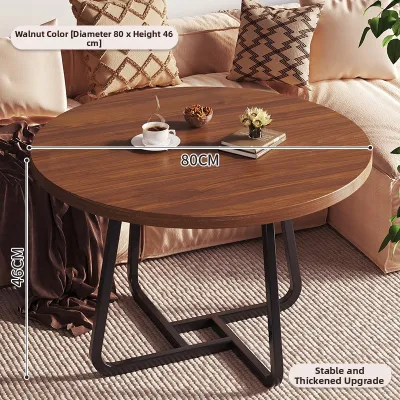
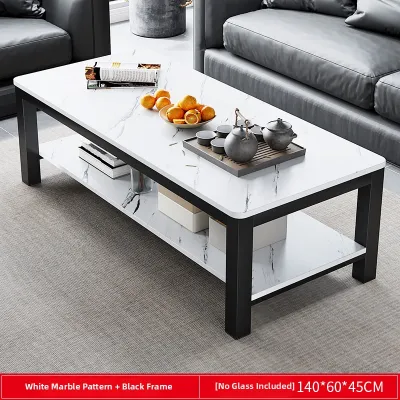
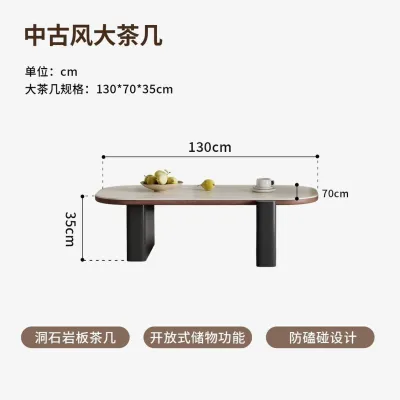
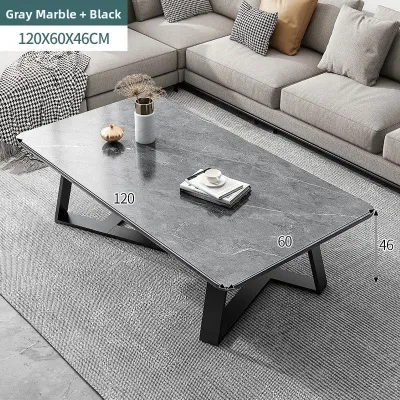
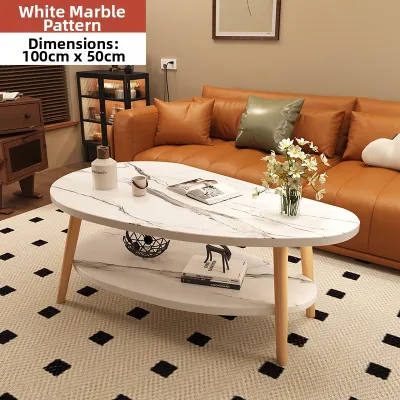
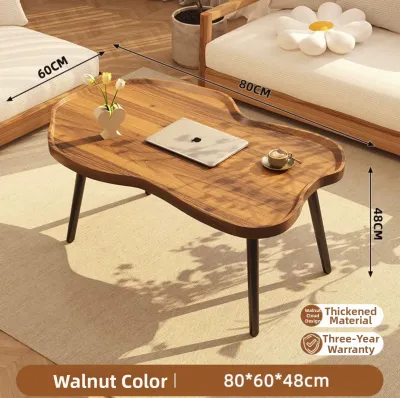
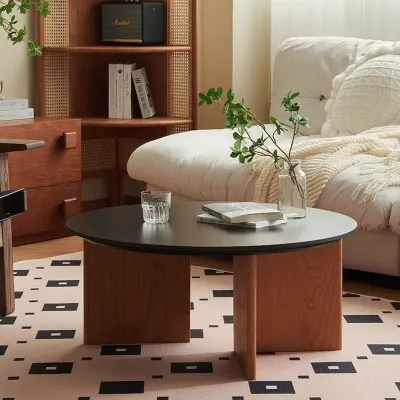
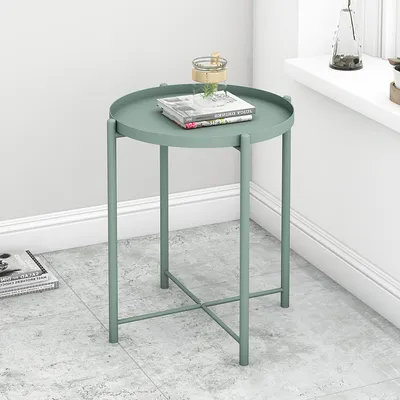
Prices are valid at publication and may change. Please refer to the product page for the latest price.
Aligning Design Aesthetics with Your Living Space
A center table must harmonize with your existing living room layout, acting as a functional anchor rather than an obstacle. To achieve visual balance, apply standard interior design proportion rules when measuring your space. The table’s height should sit level with or up to five centimeters below your sofa’s seat cushions, allowing for an easy reach when placing drinks or books. For length, select a table that spans approximately one-half to two-thirds of your sofa’s total seating width; anything larger will overwhelm the seating area, while a smaller table will look disconnected.
The shape of the table should directly correspond to your room’s traffic flow and seating configuration. Round or oval center tables are highly recommended for compact HDB flats and high-traffic pathways, as their lack of sharp corners prevents painful bumps and facilitates smoother movement. Rectangular or square tables pair exceptionally well with large L-shaped sectionals, filling the central void efficiently and providing equal access from all seats. Consider also the visual weight of the materials used. Transparent materials like tempered glass or acrylic reflect light and make a small living room feel more spacious, whereas solid wood, concrete, or marble tables add a grounding, substantial presence that anchors large, open-concept spaces.
Comparing Center Table Brand Categories in Singapore
Contemporary and Direct-to-Consumer Brands
Contemporary direct-to-consumer (DTC) brands have gained significant popularity in Singapore by offering designer aesthetics without traditional retail markups. These brands focus on curated, modern design languages, frequently blending contrasting materials such as sintered stone, marble, or terrazzo tops with matte metal or fluted timber bases. This category appeals strongly to homeowners seeking a stylish, cohesive look that aligns with current mid-century modern, Scandinavian, or Japandi interior design trends. Brands like Castlery and Commune exemplify this segment, providing well-designed furniture lines that are scaled appropriately for modern Singaporean apartments.
While these brands excel at presentation and style, buyers should carefully scrutinize the material compositions to ensure long-term value. Many DTC tables utilize high-quality wood veneers over engineered wood cores rather than solid timber throughout, which keeps the furniture lightweight and affordable but limits its ability to be sanded down and refinished in the future. When evaluating these pieces, inspect the thickness of the tabletop, the stability of the metal legs, and the scratch resistance of the surface finish. Sintered stone and high-grade quartz tops offer excellent resistance to heat and stains, making them highly practical for busy households, whereas natural marble requires regular sealing to prevent permanent staining from acidic spills.
Heritage and Solid Wood Specialists
For homeowners who prioritize natural materials, traditional craftsmanship, and heirloom-grade longevity, heritage and solid wood specialists represent the gold standard. These retailers focus almost exclusively on premium hardwoods like teak, oak, walnut, and mahogany, which are prized for their rich grain patterns, structural strength, and ability to age beautifully over decades. In Singapore, brands such as Scanteak and Grey and Sanders are prominent representatives of this tier. Scanteak is widely recognized for its minimalist, Scandinavian-inspired teak designs that naturally resist rot and pests, while Grey and Sanders specializes in customizable solid wood slab tables that showcase the raw, organic beauty of the timber.
Investing in a solid wood center table means paying a premium for raw materials and skilled joinery. These pieces often feature robust mortise-and-tenon joints and are finished with natural oils or protective varnishes that highlight the wood’s organic texture rather than hiding it under thick laminates. Because solid wood is a living material that expands and contracts with changes in humidity, high-quality construction must incorporate design elements that allow for natural movement without cracking. When shopping in this category, look for sustainable sourcing certifications, such as FSC (Forest Stewardship Council) labels, to ensure the timber is harvested responsibly. Although the initial cost is higher, the ability to sand, repair, and refinish solid wood ensures these tables can last a lifetime.
Mass-Market and Value-Focused Retailers
Mass-market and value-focused retailers cater to budget-conscious buyers, renters, and those who enjoy updating their home decor frequently to match shifting trends. These brands rely heavily on engineered woods, paper or melamine laminates, lightweight hollow-core construction, and flat-pack assembly systems. This category is widely accessible through large-format international furniture stores and various online marketplaces, offering immediate availability, straightforward home delivery, and highly competitive entry-level pricing. For temporary living arrangements or first-time homeowners waiting for a permanent renovation, these budget-friendly options provide immediate utility without a major financial commitment.
However, choosing mass-market furniture involves clear trade-offs in terms of durability and structural resilience. Engineered wood products like particleboard are highly susceptible to moisture damage; if water penetrates the thin outer laminate layer, the underlying fibers will swell, warp, and crumble, a common issue in humid tropical environments. The weight capacity of flat-pack tables is generally lower, and the joints can loosen over time, especially if the table is dragged across the floor rather than lifted. To maximize the lifespan of a budget center table, always use coasters to prevent standing water, avoid placing heavy objects on unsupported spans, and double-check all screws and cam locks during assembly to ensure the frame is as rigid as possible.
Evaluating Price, Value, and Delivery Considerations
When purchasing a center table in Singapore, the true cost often extends beyond the price tag displayed in the showroom or online store. Buyers must account for potential delivery charges, assembly fees, and return policies, which can vary significantly between retailers. Some brands offer free delivery and professional on-site installation for orders above a specific dollar threshold, while others charge flat rates or variable fees based on your location and the weight of the item. Always read the fine print regarding warranty coverage, particularly concerning structural defects, wood splitting, or joint failure, to protect your investment.
Logistics are another critical consideration, especially for residents of high-rise HDB flats and condominiums. Before purchasing a heavy, non-modular center table—such as a single-slab solid wood piece or a solid marble table—you must measure the dimensions of your building’s passenger lift, entry doorways, and corridor widths. If a table cannot fit inside the lift, delivery teams may have to carry it up the stairwell, which typically incurs substantial manual handling charges per floor and increases the risk of accidental damage. Additionally, extremely heavy tables require proper floor protection; consider applying heavy-duty felt pads to the bottom of the table legs to prevent scratching delicate vinyl, laminate, or polished marble flooring when the table is moved for cleaning.
Decision Framework: Which Brand Category Fits Your Needs?
To select the right center table brand category for your Singapore home, align your choice with your budget, lifestyle, and spatial constraints.
- Choose Contemporary DTC Brands if: You want a stylish, curated living room with modern aesthetics, appreciate mixed-material designs like sintered stone and metal, and prefer mid-range pricing with professional delivery services.
- Choose Heritage Wood Specialists if: You view furniture as a long-term investment, prefer the warmth and unique grain of solid hardwoods like teak or walnut, and want an heirloom-quality piece that can be refinished and repaired over time.
- Choose Mass-Market Retailers if: You are on a strict budget, furnishing a rental property, need a temporary solution, or enjoy changing your interior style every few years without a large financial loss.
- Verify First if: Your household includes young children or pets, you have tight access corridors or small HDB lifts, or your living room flooring is highly susceptible to scratching from heavy furniture bases.
Frequently Asked Questions (FAQ)
What is the ideal height for a center table compared to the sofa?
The standard rule of thumb in interior design is that a center table should sit level with or slightly below the top of your sofa’s seat cushions, typically by about two to five centimeters. For most standard sofas, this translates to a table height of approximately 40 to 45 centimeters. Keeping the table at this height ensures that reaching for drinks, snacks, or remote controls remains comfortable and natural while seated. It also maintains an unobstructed line of sight across your living room, keeping the space feeling open and uncluttered.
Are glass center tables safe for homes with young children?
Standard glass center tables can pose safety risks in active households due to sharp corners and the potential for shattering upon heavy impact. If you prefer the light, airy look of glass, ensure the table is constructed from thick, tempered safety glass, which is designed to crumble into small, blunt pieces rather than sharp shards if broken. Additionally, choose round or oval shapes with smoothly polished, rounded edges to eliminate sharp corners. For maximum safety, consider alternatives like solid wood tables with rounded edges, or soft, upholstered storage ottomans that double as coffee tables.
Community discussion
Share your experience or ask a question. Comments are reviewed before publication.