
Quick Answer: Which Leg Rest Setup is Right for You?
Choosing between an office chair with an integrated leg rest and a separate ottoman depends on your workspace footprint, daily workflow, and flexibility needs. An integrated, retractable leg rest is ideal for tight home offices where floor space is limited, allowing you to transition into a reclined position quickly without moving extra furniture. A separate ottoman is highly suitable if you want a multi-functional accessory that can double as guest seating, offer flexible placement angles, and make floor cleaning much easier. Before finalizing your decision, always verify the chair’s weight capacity, the durability of its folding mechanisms, and the clearance under your desk to ensure a seamless fit.
Space and Layout Constraints
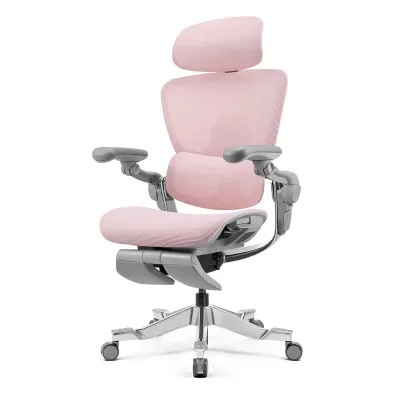
Built-in leg rest mechanisms are designed to fold completely under the seat pan when not in use, preserving the immediate floor area around your desk. This self-contained footprint is highly advantageous for compact home offices or study corners where every square meter counts. Because the rest retracts into the chair’s frame, you do not have to worry about storing an extra piece of furniture when it is time to focus on active typing tasks.

Separate ottomans require dedicated floor space even when you are not actively resting your legs. While you can sometimes push a standalone footrest under the desk, it often competes for space with the chair’s five-star wheel base, computer towers, or waste bins. This can restrict your legroom and force you into awkward seating postures during the workday.
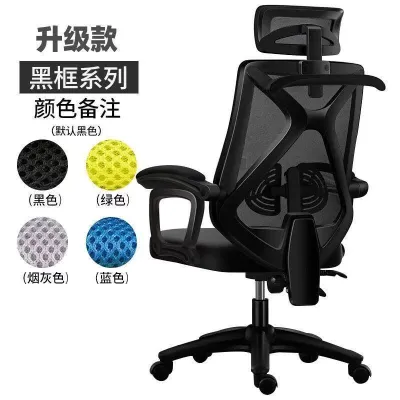
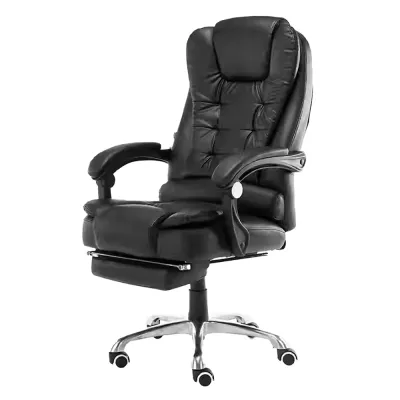
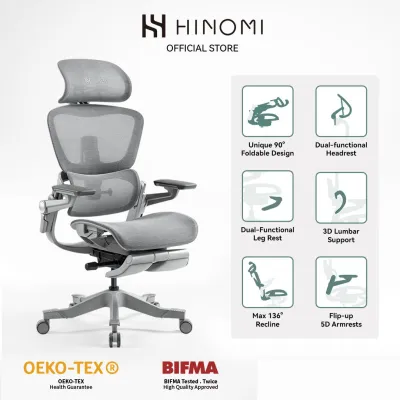
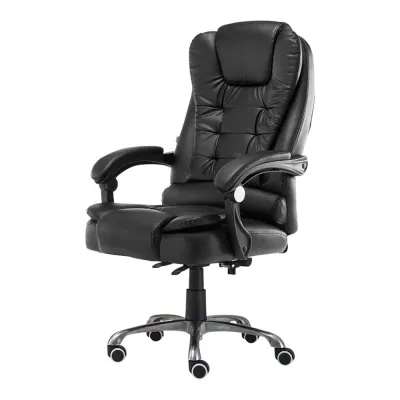
Products mentioned in this guide
![[NEW LAUNCH] Hinomi Q2 Pro Ergonomic Office Chair Adjustable Lumbar Support Memory Foam Headrest Armrest Legrest](https://img.lazcdn.com/g/p/0b7241fcc12b459ca71f9ff200c641b3.jpg_400x400q80.jpg_.webp)
![Home Office Chair Boss Manager with Leg Rest Wheel Metal frame Ergonomic Mesh Staff Swivel Roller Study Hip Support SGS Certified Computer Rotatable Adjustable Height [Free Installation][SG ready stock] Bulky](https://img.lazcdn.com/g/p/a8680669d074b4d0f8004413a886883a.jpg_400x400q80.jpg_.webp)
Prices are valid at publication and may change. Please refer to the product page for the latest price.
Under-desk clearance is a critical measurement to check before purchasing any footrest accessory. You must measure the height from the floor to the underside of your desk drawer or tabletop, ensuring that a separate ottoman can slide underneath without blocking your primary seating position. If your desk has a low hanging drawer or a crossbar, a built-in retractable rest might be the only viable option to avoid clutter.
Room navigation and traffic flow are also affected by your choice of leg support. An extended built-in leg rest or a misplaced ottoman can easily block walkways in a small room. If your desk is positioned in a high-traffic hallway or a shared bedroom, a retractable built-in rest ensures you can clear the path instantly with a simple slide-and-fold motion.
When ordering furniture online, verify the finished dimensions of both the chair and any accompanying ottoman. Ensure they can easily pass through standard apartment doorways and lift openings without requiring complex disassembly. Checking these physical constraints beforehand prevents delivery day complications and ensures the furniture fits your layout.
Ergonomics and Daily Workflow
Built-in leg rests typically operate on a fixed pivot system, extending outward at a predetermined angle and distance. While this provides a highly stable and predictable resting angle, it may not accommodate users of all heights equally. It is vital to check the maximum extension length against your leg measurements to ensure your calves and ankles are supported comfortably.
Separate ottomans offer unmatched placement flexibility for daily ergonomic adjustments. You can position a standalone footrest at any distance, angle, or offset position to support your calves, ankles, or heels exactly where it feels most comfortable. This freedom allows you to shift your posture throughout the day, which helps reduce physical fatigue during long working hours.
The ease of switching from a focused typing posture to a relaxed reading or resting state varies between the two setups. A built-in rest can be deployed in seconds using an under-seat lever or pull-out track, allowing you to take quick micro-breaks without leaving your seat. This seamless transition encourages regular rest intervals during intense work sessions.
Moving a separate ottoman into place requires physical effort, as you must pull or slide the unit over your flooring. If the ottoman is heavy or lacks smooth glides, you might find yourself skipping the leg elevation altogether during busy workdays. This extra step can make the separate setup less practical for quick, spontaneous breaks.
Always inspect the manufacturer’s specifications for weight capacity and support distribution. Built-in rests are cantilevered structures that put significant stress on the chair’s central cylinder and frame; exceeding the recommended weight limit can compromise stability or cause the chair to tip forward. Separate ottomans rest directly on the floor, offering a highly stable base that easily supports the full weight of your lower limbs without straining your main office chair.
Aesthetics, Cleaning, and Longevity
Vacuuming and mopping around your desk is significantly easier with a separate ottoman that can be lifted and moved out of the room entirely. Built-in leg rests, with their intricate metal tracks, hinges, and folding joints, tend to collect dust, hair, and debris that can be difficult to reach and clean. Over time, this accumulation can affect the smooth operation of the sliding mechanism.
In terms of visual cohesion, a standalone ottoman can be selected in fabrics, leathers, or colors that match your existing living room or bedroom furniture, softening the corporate look of a home office. Integrated chairs with built-in rests often maintain a highly utilitarian, mechanical appearance that may clash with a cozy residential aesthetic. If you want your workspace to blend seamlessly into a shared living area, a stylish separate ottoman is often easier to integrate.
The moving parts of an integrated leg rest represent potential points of mechanical wear over years of daily use. If a hinge bends, a spring loses tension, or a slide rail jams, repairing the built-in mechanism can be challenging and may require replacing the entire chair frame. You must inspect the quality of these joints and look for robust metal construction rather than thin plastic components.
Standalone ottomans feature simple, non-mechanical structures with fewer points of failure. If the upholstery wears out or a leg becomes unstable, you can easily repair, reupholster, or replace the ottoman without affecting your primary office chair. This independence makes the separate setup a highly durable long-term investment for your home office.
Decision Framework: How to Choose Your Setup
To make the right choice, evaluate your daily habits and physical environment systematically. Opt for a built-in leg rest if your home office has strict floor space limits, you prefer a unified and self-contained furniture piece, and your primary goal is taking quick, fully reclined power naps or reading breaks directly at your desk.
Choose a separate ottoman if you value multi-functional furniture that can serve as extra guest seating, require the freedom to adjust your leg support angle dynamically, or prioritize easy floor cleaning and vacuuming access. This setup is also ideal if you already own a high-quality ergonomic chair and do not want to replace it entirely.
Before finalizing any purchase, perform three essential checks. First, measure your desk’s under-clearance to ensure the ottoman or folded chair fits comfortably. Second, review the manufacturer’s warranty terms, paying close attention to the coverage duration for mechanical joints versus the main chair frame. Finally, verify the return policy of the online marketplace or local showroom to protect your investment if the ergonomic fit is not ideal for your body type.
Frequently Asked Questions (FAQ)
Can I add a built-in leg rest to my existing office chair?
Built-in leg rests are engineered as structural components of the chair’s seat pan and base frame during the manufacturing process. Attempting to retrofit an aftermarket folding mechanism onto a standard office chair is highly discouraged, as standard frames lack the pre-drilled mounting points and reinforced balancing required to support extended weight. DIY modifications can compromise the chair’s center of gravity, leading to sudden tipping hazards, and will almost certainly void any existing manufacturer warranties. If you want an integrated experience, it is best to purchase a purpose-built chair with a leg rest; otherwise, a separate ottoman provides a safe, non-destructive way to elevate your feet.
Are separate ottomans better for circulation than built-in rests?
The impact on lower-body circulation depends entirely on achieving the correct ergonomic height and angle, rather than the specific style of the footrest. To promote healthy blood flow, your feet should be supported in a way that avoids pressure points behind your knees and prevents your thighs from being pinched against the front edge of the seat pan. A separate ottoman allows you to adjust the distance and height dynamically to find this optimal position, whereas a built-in rest relies on a fixed angle that may not suit every body type. For specific circulation concerns or medical conditions, always consult a qualified healthcare professional or physical therapist to design an ergonomic seating plan.
Do chairs with built-in leg rests cost more than buying a chair and ottoman separately?
The total cost of your seating setup varies widely based on material quality, brand reputation, and ergonomic features rather than the configuration alone. A mid-tier office chair with an integrated, pull-out leg rest is often more budget-friendly than purchasing a high-end ergonomic task chair and a matching designer ottoman separately. However, when evaluating long-term value, consider the potential replacement costs associated with mechanical wear. A premium standalone chair paired with a simple, durable ottoman may offer better longevity and lower maintenance costs over time, as there are fewer complex moving parts prone to wear and tear.
Community discussion
Share your experience or ask a question. Comments are reviewed before publication.