
When evaluating massage chairs for body shaping, it is essential to separate marketing terms from physiological realities. Many brands highlight “slimming” or “lymphatic drainage” benefits, but these features do not directly burn fat or eliminate adipose tissue. Instead, they rely on mechanical compression, roller tracks, and heat therapy to stimulate blood flow, encourage lymphatic circulation, and temporarily reduce water retention. For homeowners looking to invest in a wellness chair, understanding how Breo, OSIM, and Ogawa approach these mechanisms is key to making an informed decision.
Breo is recognized for its compact, targeted massagers and space-saving chairs that focus on practical, localized relief. OSIM, a premium household name, emphasizes advanced wellness technology, proprietary massage programs, and smart app integration. Ogawa focuses heavily on robust mechanical engineering, offering deep-tissue roller systems and comprehensive airbag coverage designed for physical recovery. Comparing these brands requires looking closely at their technical specifications, physical footprints, and how their specific features align with your personal wellness goals.
Decoding "Slimming" and "Lymphatic Drainage" in Massage Chairs
To understand how a massage chair can assist with body shaping, you must first look at how the lymphatic system functions. Unlike the circulatory system, which relies on the heart to pump blood, the lymphatic system depends on muscle movement and external pressure to transport lymph fluid. When you sit for long periods, fluid can pool in your lower limbs, leading to temporary swelling and a heavier appearance. Massage chairs attempt to mimic manual lymphatic drainage by applying sequential pressure from the extremities toward the core of the body.
Products mentioned in this guide
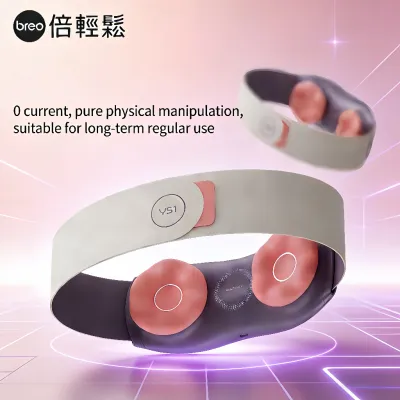
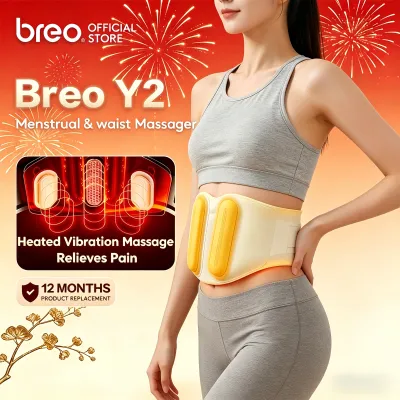
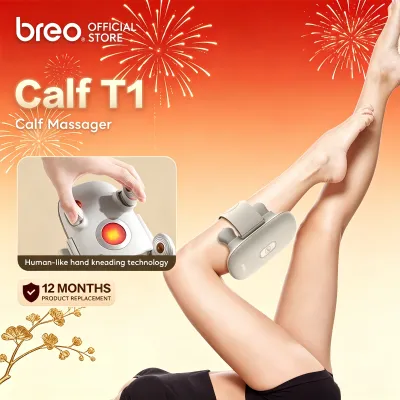
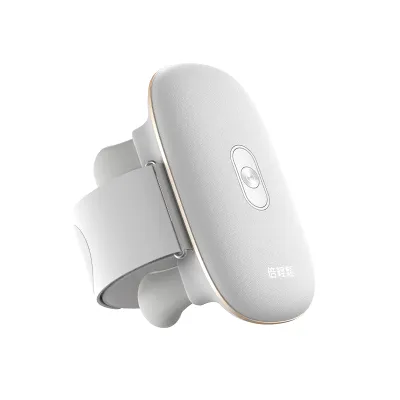
Prices are valid at publication and may change. Please refer to the product page for the latest price.
Airbag compression is the primary mechanism used to simulate this drainage process. By inflating and deflating in a specific sequence, the airbags squeeze the calves, feet, and arms, helping to push pooled fluids back into circulation. This process can lead to a temporary reduction in water weight and localized swelling, which is often perceived as a “slimming” effect. However, this is a transient change in fluid distribution rather than a permanent reduction in body fat.
Zero-gravity positioning and integrated heat therapy further support this circulatory process. Elevating your legs above your heart level reduces the gravitational pull on your lower limbs, making it easier for fluid to drain naturally. When combined with mild heat therapy, which dilates blood vessels and improves localized blood flow, the body can process and eliminate excess fluids more efficiently. This combination is highly effective for post-workout recovery and relieving tired, heavy legs.
Despite these benefits, massage chairs have clear mechanical limits. They cannot replicate the active energy expenditure required to burn calories or target visceral fat. To verify any claims regarding circulation or recovery, you should check the product’s technical specifications for adjustable pressure levels, multi-zone airbag configurations, and dedicated lower-body programs. Relying on verified mechanical specifications rather than broad marketing terms ensures you select a chair that delivers genuine physiological relief.
Core Technology Comparison: Breo vs OSIM vs Ogawa
Each of these three brands approaches lower-body circulation and muscle recovery with a distinct design philosophy. Breo focuses on streamlined, space-saving designs that integrate essential compression features without overwhelming a room. Their chairs are often built for users who want targeted relief in a compact form factor, making them highly suitable for smaller apartments or study rooms.

OSIM takes a technology-driven approach, incorporating proprietary massage programs that can be updated via mobile applications. Their systems are designed to deliver a highly customized experience, often combining sensory elements with precise mechanical movements. For circulation, OSIM focuses on synchronized programs that coordinate roller movements with airbag inflation to guide fluid movement systematically.
Ogawa emphasizes traditional massage techniques translated into robust mechanical systems. Their chairs often feature heavy-duty roller tracks and extensive airbag networks that deliver deep-tissue kneading. This approach is particularly beneficial for users who prefer a stronger, more intense massage that targets deep muscle knots in the glutes, hamstrings, and lower back. When comparing these brands, you must evaluate specific hardware categories like airbag density, roller track design, and program customization.
Airbag Compression and Circulation Mechanisms
To evaluate how effectively a chair can assist with lymphatic drainage, you must examine the airbag configuration. Check the manufacturer’s specifications for the number of airbag chambers and their specific placement. High-quality circulation chairs feature multi-chamber airbags in the calves and feet that inflate sequentially from the bottom up, pushing fluid toward the torso.
OSIM chairs frequently utilize specialized compression wraps or high-coverage leg units that apply consistent pressure across the lower limbs. These systems are often adjustable, allowing you to select different intensity levels depending on your sensitivity. Ogawa models typically feature a high volume of individual airbags distributed throughout the chair, providing a comprehensive squeeze that covers the shoulders, arms, hips, calves, and feet simultaneously.
Breo’s compact models generally feature a more streamlined airbag setup, focusing compression on key areas like the calves and hips. While they may have fewer total airbags than premium, full-sized models, they are designed to deliver targeted pressure where fluid retention is most common. When testing these systems, verify whether the chair allows you to adjust the compression intensity independently of the roller speed, as strong compression is vital for effective fluid mobilization.
Roller Tracks and Deep Tissue Relief
The roller track is the backbone of any massage chair, determining how far the mechanical rollers can travel along your body. For body shaping and muscle toning support, look for an L-track or an SL-track system. An SL-track follows the natural curvature of your spine and extends down past the lower back to massage the glutes and upper hamstrings, which is crucial for relieving tension in the lower body.
Ogawa is highly regarded for its long, robust roller tracks that provide deep-tissue relief to the lower muscle groups. Their rollers are designed to mimic the hands of a professional masseuse, offering deep kneading that can help break up muscle tension and improve localized blood flow after exercise. This deep stimulation supports muscle recovery, helping muscles recover their natural tone and flexibility.
OSIM integrates advanced roller technologies, such as 3D or 4D rollers, which can adjust their depth and width automatically based on a body scan. This allows the rollers to target specific pressure points along the lower back and glutes with high precision. Breo’s compact chairs often use fixed or simplified roller tracks that provide reliable, localized kneading. While they may not offer the extensive coverage of an SL-track, they provide effective relief for the lower back and lumbar region within a much smaller physical footprint.
Evaluating Value, Space, and Daily Usability
Investing in a massage chair requires balancing your wellness goals with practical household constraints. In residential spaces where floor area is limited, the physical footprint of the chair is a critical consideration. Full-sized massage chairs from OSIM and Ogawa can require significant floor space and a wide clearance from the wall to recline into zero-gravity positions. You must measure your designated space carefully, keeping in mind that some models require up to 50 cm of rear clearance, while others feature space-saving slide-forward mechanisms that require only a few centimeters.
Doorway and lift access are equally important during delivery. Many premium chairs are delivered fully assembled or in large sub-assemblies that may not fit through standard residential doorways. Before purchasing, verify the minimum doorway clearance required by the manufacturer. Breo’s compact models often have a distinct advantage here, as their smaller dimensions make them much easier to maneuver through tight hallways and doorways without requiring complex disassembly.
Pricing and warranty coverage also vary significantly across these brands. Entry-level compact models, often found in Breo’s lineup, generally range from S$1,000 to S$2,500, offering an accessible entry point for basic compression and kneading. Mid-range to premium models from OSIM and Ogawa typically range from S$3,000 to over S$8,000, reflecting their advanced roller technologies, extensive airbag networks, and smart features. Standard warranties usually cover parts and labor for one to two years, but you should check if extended warranty options are available to protect your investment over the long term.
The user interface and daily usability can greatly affect how often you use the chair. OSIM chairs often feature intuitive touchscreen controllers or mobile app integration, making it easy to download new programs and customize your session. Ogawa models typically use comprehensive remote controls with detailed visual displays, allowing you to adjust specific mechanical settings manually. Breo focuses on simple, straightforward controls that are easy to operate without a steep learning curve, which is highly convenient for quick, daily recovery sessions.
Pre-Purchase Verification and Selection Checklist
Before committing to a purchase, it is highly recommended to test the chairs in person to evaluate their comfort and mechanical performance. When visiting a showroom, follow a structured testing protocol to ensure the chair meets your specific circulation and recovery needs. Pay close attention to how the airbags fit your body; they should provide a firm, comfortable squeeze without causing pain or pinching.
Begin your in-store test by selecting a dedicated circulation or recovery program. Focus on the transition between airbag inflation cycles to ensure the pressure moves sequentially upward rather than squeezing all areas at once. Sit in the chair for at least 15 minutes to evaluate how the rollers feel on your lower back and glutes. The pressure should be firm enough to relieve tension but should not feel sharp or uncomfortable against your spine.
Next, verify the physical specifications and safety guidelines provided by the manufacturer. Check the maximum weight capacity, recommended user height range, and power consumption. Read the safety warnings regarding contraindications, especially if you have pre-existing circulatory conditions. A high-quality manufacturer will clearly state the limits of their compression systems and provide guidance on safe usage.
To guide your final decision, apply this conditional framework based on your primary needs:
- Choose Breo if you have limited floor space, prefer a compact design, and want targeted compression and kneading at an accessible price point.
- Choose OSIM if you want a premium, tech-forward experience with customizable smart programs, app connectivity, and strong local retail and customer support.
- Choose Ogawa if your primary goal is deep-tissue muscle recovery, and you require a robust mechanical roller system with extensive lower-body coverage.
- Reconsider purchasing a standard home massage chair if you require medical-grade lymphatic drainage or have severe circulatory issues; in these cases, consult a healthcare professional for specialized clinical therapies.
Frequently Asked Questions (FAQ)
Can a massage chair actually reduce belly fat or slim the thighs?
No, a massage chair cannot directly reduce belly fat or slim your thighs. Fat loss requires a caloric deficit achieved through a combination of a balanced diet and regular physical exercise. While the airbag compression and roller systems in a massage chair can stimulate blood flow and help move lymphatic fluid, this only reduces temporary water retention and localized swelling. Any visible change in the contour of your legs or body after a massage session is temporary and is due to fluid redistribution rather than a reduction in adipose tissue.
Are there any health risks associated with intense airbag compression?
Yes, intense airbag compression can pose health risks for individuals with certain pre-existing medical conditions. If you suffer from deep vein thrombosis (DVT), severe varicose veins, active blood clots, or have recently undergone surgery, the strong squeezing action of a massage chair can potentially dislodge a clot or damage fragile blood vessels. Additionally, individuals with severe osteoporosis, advanced diabetes, or sensory neuropathies should exercise caution. It is critical to read the manufacturer’s safety warnings and consult a qualified healthcare professional before using high-intensity compression programs if you have any underlying health concerns.

Community discussion
Share your experience or ask a question. Comments are reviewed before publication.