
Selecting a bookshelf with wheels for a compact Singapore apartment requires balancing immediate mobility with long-term structural stability. In tight HDB flats and condominium layouts, every square meter of floor space must be utilized efficiently. A mobile shelving unit allows you to reconfigure your living room, study, or bedroom on demand, serving as a temporary room divider, a flexible workspace companion, or an easily stowed storage solution. However, because these units are designed to move, they introduce unique physical challenges—such as tipping risks, floor wear, and structural wobble—that standard stationary furniture does not face. Finding the right balance involves evaluating precise dimensions, caster specifications, load capacities, and structural designs to ensure the unit remains safe and functional in your home.
To make an informed decision, you must look for a unit with a compact footprint that fits your narrow corridors, soft polyurethane casters to protect delicate flooring, a total-lock mechanism to prevent swiveling, and a low center of gravity with verified load capacities. By focusing on these technical specifications rather than aesthetic appeal alone, you can find a mobile shelving unit that enhances your home’s organization without compromising safety or damaging your property.
Assessing Dimensions and Space Clearance
Before browsing online marketplaces or visiting local showrooms, you must establish the exact physical boundaries of your apartment’s layout. Start by measuring the designated parked location of the bookshelf. When doing this, do not simply measure from wall to wall; you must account for the thickness of your baseboards or skirting boards. Skirting boards can prevent a flat-backed bookshelf from sitting flush against the wall, creating a gap that might cause the unit to jut out into active walkways. Measure the depth of the unit carefully to ensure it does not obstruct the swing path of doors, built-in wardrobe panels, or household shelter doors.
Products mentioned in this guide
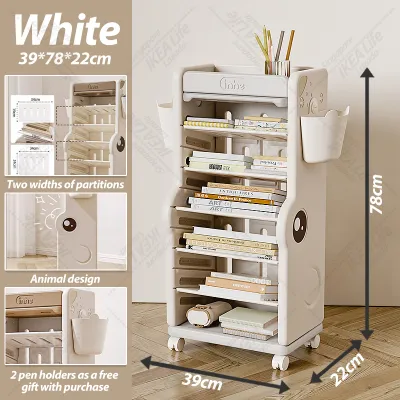
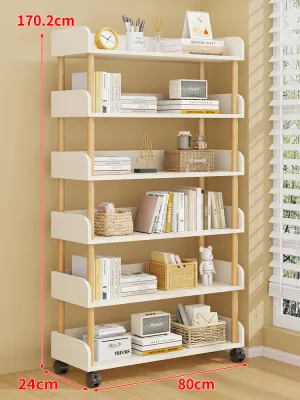
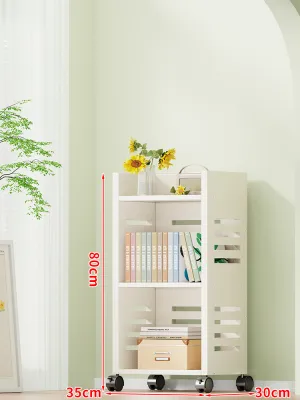

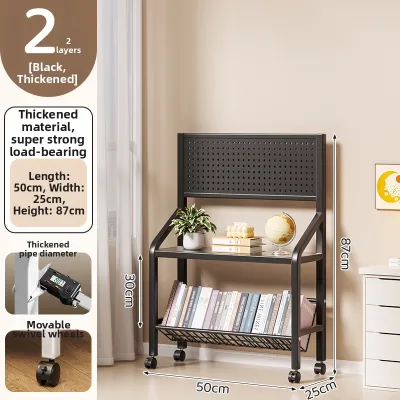
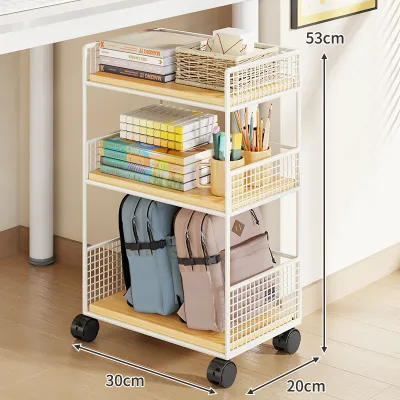
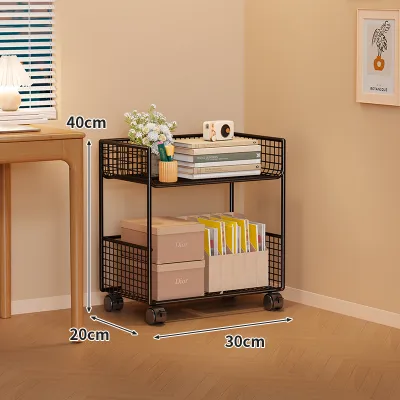
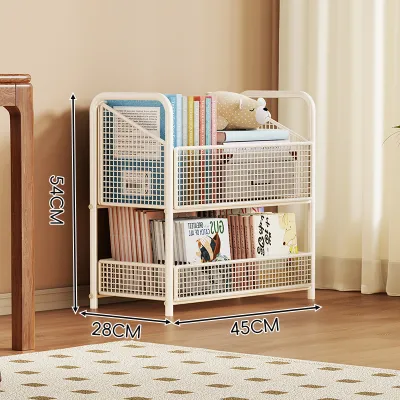
Prices are valid at publication and may change. Please refer to the product page for the latest price.
Next, map out the transit pathways the bookshelf will take when moved. In Singapore, residential corridors, doorway frames, and elevator entrances have strict dimensional limits. Measure the clear width of your doorways—accounting for the space lost to the door leaf when fully open—to verify that the bookshelf can transition between rooms without scraping the frames. If you live in an apartment with tight corridor turns, ensure the diagonal length of the bookshelf allows enough clearance to navigate these corners. Additionally, if you plan to transport the unit yourself during delivery, check the internal dimensions and weight limits of your building’s passenger lift to avoid logistical bottlenecks.
Finally, consider the visual weight and physical depth of the shelves. In compact rooms, a deep, solid-backed bookshelf can block natural light and make the space feel claustrophobic. Opting for a unit with a shallower depth (typically between 30 to 40 centimeters) and an open-backed or ladder-style design can maintain a sense of openness. This visual lightness is particularly beneficial in open-plan layouts where the mobile bookshelf might be positioned in the middle of a room to define separate living and dining zones.
Evaluating Wheel Types and Locking Mechanisms
The performance and safety of a mobile bookshelf depend heavily on its casters. Because Singapore apartments feature a variety of flooring materials, matching the wheel material to your specific floor is critical to prevent permanent damage. If your home has parquet, engineered timber, or luxury vinyl tiles, hard plastic or nylon wheels can easily scratch, dent, or leave unsightly track marks over time. For these softer surfaces, look for casters made of soft polyurethane or thermoplastic rubber, which cushion the load and roll quietly. Conversely, if your flooring consists of hard homogeneous tiles or polished marble, harder nylon wheels are acceptable, though soft-tread wheels are still preferred to minimize the rattling noise when crossing grout lines.

Equally important is the locking mechanism of the wheels. A mobile bookshelf holding heavy books can become a hazard if it rolls unexpectedly when bumped. Standard wheel brakes only stop the wheel from rotating, which may still allow the caster to swivel and slide across smooth floors. For maximum stability, look for casters equipped with a total-lock or dual-lock mechanism. This system locks both the wheel rotation and the swivel direction simultaneously, effectively turning the mobile unit into a rigid, stationary fixture when parked. Ideally, at least two of the four casters—preferably the front two—should feature these heavy-duty locks for easy access.
Additionally, examine how the casters are mounted to the frame. Stem casters screw directly into a threaded insert in the bookshelf’s legs, which is common in lighter metal wire shelving. Plate casters, which use a flat metal plate secured by multiple screws, offer a broader base of connection and are generally more stable for heavier wooden or steel frames. Before purchasing, verify whether the casters are standard sizes and can be easily unscrewed. This ensures that if a wheel wears out or breaks in the future, you can easily source a replacement from local hardware suppliers rather than discarding the entire piece of furniture.
Checking Load Capacity and Structural Stability
A bookshelf filled with novels, textbooks, and decorative items carries a substantial amount of weight. When that weight is placed on wheels, the center of gravity shifts, making structural stability a primary safety concern. Rather than assuming a bookshelf is sturdy based on its material name alone, you must locate and verify the manufacturer’s official load ratings. Look for two distinct specifications: the maximum weight capacity per individual shelf and the total weight capacity for the entire unit when in motion.
To prevent tipping hazards, look for specific structural design features. A bookshelf with a wider base than its top shelves naturally has a lower center of gravity, making it much more stable when rolled. Some mobile units feature a slightly flared bottom frame or recessed casters that sit wider than the shelving body. If you plan to park the bookshelf in one location for extended periods, check if the manufacturer provides optional wall-anchoring kits. While anchoring a mobile unit seems counterintuitive, some systems use quick-release straps or brackets that secure the unit to the wall when stationary but can be easily unlatched when you need to move it.
Your loading strategy also plays a vital role in maintaining stability. Always plan to distribute weight using a bottom-heavy approach. Place your heaviest items—such as large encyclopedias, photo albums, or storage boxes—on the lowest shelves. Keep lighter paperbacks, decorative items, and stationery on the upper levels. This simple practice keeps the center of gravity low, drastically reducing the risk of the unit tipping forward if it hits a minor obstruction, such as a rug edge or a floor transition strip, while being moved.
Comparing Modular and Fixed Shelving Configurations
When choosing a bookshelf with wheels, you must decide between a modular system and a fixed-frame design. Modular shelving offers the flexibility to adjust shelf heights using pre-drilled pin holes, or even expand the unit vertically or horizontally with add-on components. This adaptability is highly valuable in small apartments where storage needs change over time. For instance, you can adjust the shelf spacing to accommodate tall files today and reconfigure it for smaller novels next year.
However, modularity often comes with a trade-off in structural rigidity. Every adjustable joint, pin, or bolt-together connection introduces a potential point of movement. When a modular unit is rolled across the floor, the lateral forces can cause the frame to sway or wobble, especially if the connections have loosened over time. In contrast, a fixed-frame bookshelf—where the shelves are welded, glued, or securely doweled into the side panels—offers superior structural integrity. The fixed shelves act as permanent horizontal braces, preventing the frame from racking or twisting during movement.
If you opt for a modular or adjustable design, carefully inspect the quality of the shelf support pins and joints. Look for metal threaded inserts and locking cam screws rather than simple plastic push-in pins, which can slip under heavy loads. If you prioritize maximum rigidity and plan to move the bookshelf frequently, a fixed-frame design is generally the more reliable and cost-effective choice. If you choose a modular system, commit to checking and tightening all structural bolts and connectors every few months to maintain its stability.
Creating Your Shortlist: A Pre-Purchase Checklist
To help you filter through the options available on online marketplaces and in local furniture stores, use the following structured comparison matrix to evaluate your top candidates:
| Evaluation Dimension | What to Verify | Target Specification for Singapore Apartments |
|---|---|---|
| Total Depth | Measure footprint against skirting boards and walkways. | 30 to 40 cm to maintain clear pathways. |
| Transit Clearance | Compare unit dimensions with doorways and lift doors. | Must be at least 5 cm narrower than the tightest opening. |
| Caster Material | Check wheel composition on product labels. | Polyurethane or thermoplastic rubber for vinyl/parquet; nylon for tiles. |
| Locking System | Verify the lock type on the casters. | Dual-lock or total-lock mechanisms on at least two wheels. |
| Load Capacity | Locate the official weight ratings in the manual. | Verified weight capacity that exceeds your estimated book load. |
| Frame Joints | Inspect the assembly instructions or joint types. | Welded metal, solid dowels, or heavy-duty locking cams. |
When purchasing furniture online, always review the retailer’s return policies and warranty terms. Some warranties are voided if you modify the unit, such as replacing the original wheels with aftermarket casters. Additionally, check the assembly requirements; flat-pack units require careful assembly to ensure the frame is perfectly square, as an out-of-square frame will cause uneven weight distribution on the wheels, leading to poor rolling performance and premature wear. If a seller cannot provide clear specifications regarding load limits, wheel materials, or exact dimensions, it is safest to skip that product and choose a manufacturer that offers transparent technical details.
Frequently Asked Questions (FAQ)
Can I add wheels to a standard bookshelf myself?
Retrofitting casters to a standard, non-mobile bookshelf is possible, but it requires careful structural evaluation. First, check the thickness and material of the bottom panel; thin particleboard or MDF may crack or tear under the concentrated stress of a caster mount. You must ensure a flat, solid wood or reinforced metal mounting surface to attach plate casters securely. Additionally, adding wheels raises the overall height of the bookshelf, which shifts its center of gravity upward and increases the risk of tipping. Be aware that drilling into the frame to add aftermarket casters will almost certainly void the manufacturer’s warranty.
How do I clean and maintain the caster wheels?
To keep your mobile bookshelf rolling smoothly and to protect your floors from scratches, regular caster maintenance is essential. Over time, dust, hair, and fiber debris can wrap around the wheel axles, causing them to drag rather than roll. Periodically inspect the wheels and use a pair of tweezers or a small utility knife to carefully clear away any trapped debris. Check the wheel treads for flat spots, cracks, or embedded grit that could scratch your flooring. When cleaning the wheels, wipe them down with a damp microfiber cloth; avoid using harsh chemical solvents or oil-based lubricants, which can degrade polyurethane wheels or leave slippery residues on your apartment floors.
Community discussion
Share your experience or ask a question. Comments are reviewed before publication.