
Quick Answer: Matching Rattan Styles to Your Decor
Selecting the ideal rattan table for your living room depends on aligning the weave density, frame structure, and finish with your existing design theme. Rattan is an incredibly versatile natural material, but its visual impact changes dramatically depending on how it is shaped and finished.
To find your match immediately, consider these four primary design directions:
- Boho: Features intricate, organic weaves and warm, natural, or dark-stained finishes. It is ideal for eclectic, heavily layered spaces filled with textiles and plants.
- Scandinavian: Showcases clean geometric lines, pale natural rattan, and light wood frames. It is best suited for minimalist, airy, and functional interiors.
- Coastal: Emphasizes open, breezy weaves and whitewashed or pale finishes. It perfectly complements relaxed, sunlit rooms with linen upholstery.
- Mid-Century Modern: Incorporates tight, uniform cane webbing, tapered legs, and structured wood frames. It is designed for retro, tailored, and sophisticated spaces.
The primary decision factor when choosing between these styles is your room’s current visual weight. A heavily woven, solid-base rattan table anchors a large, open room, while an open-weave table with slender legs preserves the sense of space in smaller layouts.
Products mentioned in this guide

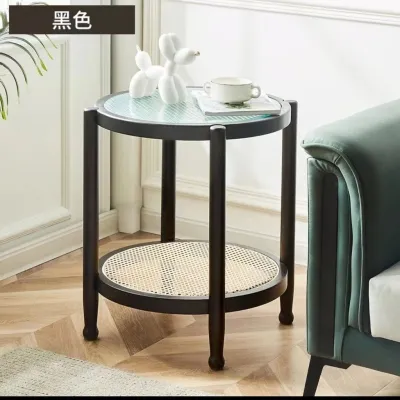
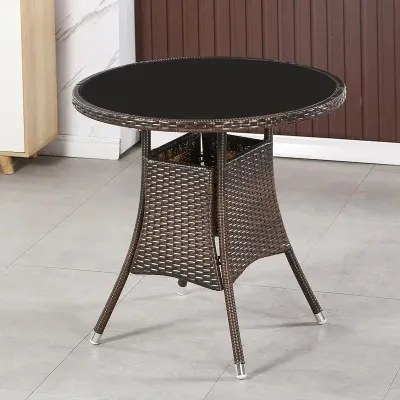
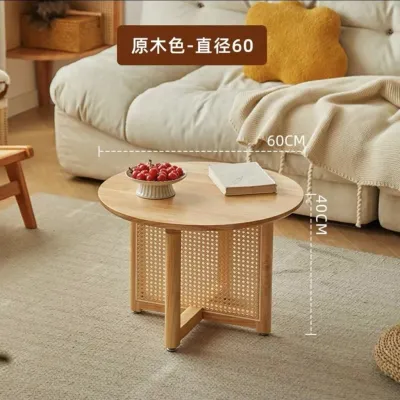
Prices are valid at publication and may change. Please refer to the product page for the latest price.
Assessing Your Space and Existing Decor
Before focusing on a specific aesthetic, you must evaluate the physical constraints of your living room. A coffee table must serve as a functional hub, meaning it needs to fit comfortably within your layout without obstructing daily movement.

Start by measuring your available floor space and mapping out the footprint of the potential table. For comfortable movement, aim to leave a clearance of 30 to 45 centimeters between the coffee table and your sofa. If your living room features a central rug, the table should sit comfortably within its borders, leaving at least 30 centimeters of rug visible on all sides to maintain balanced proportions.
Next, measure the height of your sofa cushions. To ensure comfortable reach for drinks, books, or remote controls, the height of your rattan table should be equal to or slightly lower than your sofa seat cushions, ideally within a range of 2 to 5 centimeters. A table that is too tall will disrupt the visual flow of the room, while one that is too low can be awkward to use.
In high-density urban environments, such as apartments in Singapore, you must also consider delivery logistics. Before purchasing, verify the finished dimensions of the table against your doorway, hallway, and lift dimensions. Because many high-quality rattan tables feature fully assembled, non-demountable frames, ensuring they can clear tight corners and lift doors is a crucial pre-purchase step.
Finally, take note of the dominant colors and textures already present in your room. If your space features cool tones and sleek surfaces, a warm, natural-toned rattan table can introduce much-needed organic warmth. Conversely, if your room is already rich in wood grain, a painted or whitewashed rattan frame can prevent the space from feeling overly dark or visually crowded.
Boho Rattan Coffee Tables: Eclectic and Textured
Boho rattan coffee tables are celebrated for their artistic, free-spirited character. This style embraces the natural imperfections of the material, showcasing complex hand-woven patterns that draw the eye. Common design elements include swirling peacock patterns, sunburst motifs, and fully wrapped cylindrical or hourglass silhouettes that eliminate sharp corners.
These tables often feature warm honey tones, deep ambers, or even dark charcoal stains. The rich coloration highlights the natural texture of the vine, making the table a distinct focal point. Because boho designs often utilize dense, continuous weaving, they carry significant visual weight, making them excellent for grounding large seating areas.
To style a boho rattan table, embrace a layered approach to your decor. Pair the table with plush, textured textiles such as woven tufted rugs, macrame throws, and linen floor cushions. Introducing mixed-material accents on the tabletop—such as handmade ceramic trays, brass candle holders, and matte terracotta vases—complements the organic feel of the rattan.
Lighting plays a vital role in showcasing the intricate patterns of a boho table. Placing the table in a room with warm, ambient lighting or near a window with filtered sunlight allows the shadows cast by the weave to add depth and texture to the surrounding floor space. Incorporating lush indoor plants, like a trailing pothos or a structural monstera, further enhances the natural, bohemian atmosphere.
Scandinavian Rattan Coffee Tables: Minimalist and Light
Scandinavian design prioritizes simplicity, functionality, and a deep connection to nature. A Scandinavian rattan table reflects these principles through clean geometric shapes, slender profiles, and a light, airy aesthetic. Rather than complex, swirling patterns, these tables utilize straightforward, parallel weaving or simple grid patterns.
Typically, Scandinavian styles combine natural, pale rattan with light-colored wood frames, such as ash, beech, or oak. The finishes are kept as close to the raw, natural state of the wood as possible, often using clear matte protective coatings rather than heavy stains. This preserves the pale, light-reflecting qualities of the materials, helping to keep the living room looking bright and spacious.
To maintain the minimalist appeal of this style, avoid cluttering the tabletop. Style the table with a single, low-profile ceramic vase holding a few dried branches, a simple glass carafe, or a couple of neatly stacked art books. The goal is to let the clean lines of the furniture and the natural texture of the rattan remain the primary focus.
This style of table pairs exceptionally well with low-profile, modern seating upholstered in neutral, solid fabrics like oatmeal wool, light grey boucle, or soft cream linen. By keeping the surrounding color palette monochromatic or muted, you allow the subtle warmth of the pale rattan to stand out without overwhelming the senses.
Coastal Rattan Coffee Tables: Breezy and Relaxed
Coastal rattan coffee tables are designed to evoke the relaxed, sun-drenched atmosphere of a seaside retreat. This style is characterized by open, loose weaves that allow light and air to pass through easily. The silhouettes are often unstructured and casual, featuring soft curves, drum shapes, or simple rectangular frames with open lower shelves.
Color palettes for coastal rattan lean heavily toward whitewashed, pale grey, or weathered finishes that mimic the appearance of driftwood. These lighter tones help to bounce natural light around the room, contributing to a bright, breezy ambiance. The open-weave construction ensures that even a large coffee table does not make a small living room feel cramped.
When styling a coastal rattan table, focus on materials that reflect the natural elements of the coast. Pair the table with slipcovered sofas in crisp white or soft blue linen. On the tabletop, use light-reflecting surfaces such as clear glass vases, sea-glass beads, or a simple white wooden tray to organize smaller items.
Because coastal styles are often placed in bright, highly ventilated rooms or near open balconies, environmental factors are an important consideration. In humid tropical climates, such as Singapore, natural materials can be sensitive to moisture. Always check the manufacturer’s care guidelines to ensure the table’s finish is rated for high-humidity environments, and avoid placing natural rattan in areas where it might be exposed to direct rain or heavy condensation.
Mid-Century Modern Rattan Coffee Tables: Sleek and Retro
Mid-century modern rattan coffee tables offer a sophisticated blend of retro charm and structured design. Unlike the organic, free-form shapes of boho styles, mid-century modern pieces rely on precise geometry, clean angles, and tailored proportions. A common design feature is the use of tight, uniform cane webbing inset into solid wood frames.
These tables frequently showcase rich, warm wood tones such as walnut, teak, or medium oak. The structural frames often feature iconic mid-century elements, including tapered dowel legs, splayed feet, and gently curved organic oval or surfboard-shaped tops. The combination of structured wood and woven cane creates a beautiful contrast between smooth and textured surfaces.
To complement a mid-century modern rattan table, pair it with tailored, low-slung furniture. A classic leather sofa in cognac or dark brown, or a structured fabric sofa with clean tufting, provides an excellent backdrop. Incorporate other retro elements into the room, such as a brass floor lamp, a geometric wool rug, and walnut sideboards.
When selecting a mid-century modern design, pay close attention to the structural joints and frame stability. Because these tables often feature slender, tapered legs and minimalist frames, high-quality joinery is essential to prevent wobbling. Inspect the connection points where the legs meet the tabletop frame to ensure they are reinforced with sturdy hardware or traditional wood joinery that can withstand daily use.
Pre-Purchase Checklist: Sizing, Clearance, and Care
To ensure your chosen rattan coffee table is a successful, long-term addition to your home, use this practical checklist before finalizing your purchase:
- Verify Dimensions: Double-check the table's height, width, and length against your measured living room layout. Ensure there is at least 30 to 45 centimeters of walking space between the table and all surrounding furniture.
- Confirm Access Routes: Measure your front door, hallway widths, and lift clearance. If the table arrives fully assembled, ensure it can navigate these tight spaces easily.
- Assess Weight Capacity: Check the manufacturer's specifications for load limits. While rattan is remarkably strong, lightweight designs may not be suited for supporting heavy decorative objects, books, or acting as an occasional footrest.
- Evaluate Stability: If you have active children or pets, look for tables with a lower center of gravity, a wider base, or a heavier solid wood frame to prevent accidental tipping.
- Review Care Requirements: Read the manufacturer's cleaning instructions. Ensure you are comfortable with the maintenance required to keep the weave free of dust and protected from environmental wear.
- Check Environmental Suitability: Confirm whether the table is rated strictly for indoor use or if it can tolerate semi-outdoor spaces like covered balconies. Avoid placing indoor natural rattan in areas exposed to direct sunlight or high moisture.
Frequently Asked Questions (FAQ)
How do I clean and maintain a natural rattan coffee table?
To keep a natural rattan coffee table looking its best, dust it regularly using a soft-bristled brush or a vacuum cleaner equipped with a soft brush attachment. This prevents dust and debris from accumulating within the crevices of the weave. If a spill occurs, wipe it up immediately with a slightly damp microfiber cloth, taking care not to saturate the fibers. Allow the table to dry completely in a well-ventilated area to prevent mold or mildew growth. Always consult the manufacturer’s care label before applying any commercial wood cleaners, oils, or polishes, as some chemical formulas can degrade the natural protective outer layer of the rattan.
Can I use a natural rattan coffee table outdoors?
Natural indoor rattan coffee tables are not recommended for unprotected outdoor use. Natural rattan is highly sensitive to environmental elements; prolonged exposure to direct sunlight can dry out the fibers, leading to cracking and fading, while rain and high humidity can cause the material to rot, warp, or develop mold. Before placing any rattan table on a balcony, patio, or veranda, verify the manufacturer’s specifications for UV and moisture resistance. If you require a table for an outdoor setting, look for furniture constructed from synthetic polyethylene (PE) rattan, which is specifically engineered to withstand outdoor weather conditions while mimicking the appearance of natural weave.
Community discussion
Share your experience or ask a question. Comments are reviewed before publication.