
Replacing a worn-out bifold door roller is a highly effective way to restore smooth, effortless operation to a sticky or sagging door. However, purchasing a replacement part without verifying its physical dimensions first frequently leads to installation failure. To secure a compatible replacement, you must measure the wheel diameter, the track’s internal channel width, the mounting hole dimensions, and the door’s thickness. Identifying the correct mounting style—whether it is a spring-loaded top guide, a fixed bottom pivot, or a surface-mounted bracket—is equally crucial. Taking these precise measurements ensures your door folds smoothly without scraping the floor or slipping out of its track.
Why Exact Measurements Prevent Bifold Door Failure
Bifold doors operate on a delicate balance of tension and alignment. Unlike standard swing doors that rely solely on side hinges, a bifold system distributes its weight across a top track and a bottom pivot point. The panels must fold together cleanly while sliding along a fixed path. If any component of the bifold door roller assembly is even a few millimeters off, the entire system loses its balance.
When you install an incorrect roller size, several common issues arise. The door may drag along the floor tiles, damaging your flooring and putting excessive stress on the remaining hinges. Alternatively, the roller might constantly jump out of the track, making the door frustrating or unsafe to operate. In many cases, an ill-fitting roller prevents the door panels from closing completely flush, leaving gaps that compromise privacy and acoustics. While many replacement parts are marketed as “universal,” true compatibility depends entirely on matching the physical dimensions of your existing track and door setup.
Products mentioned in this guide
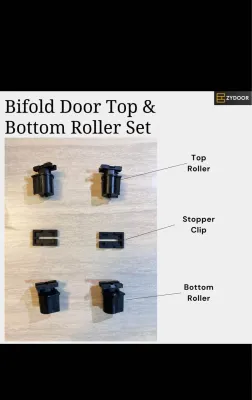
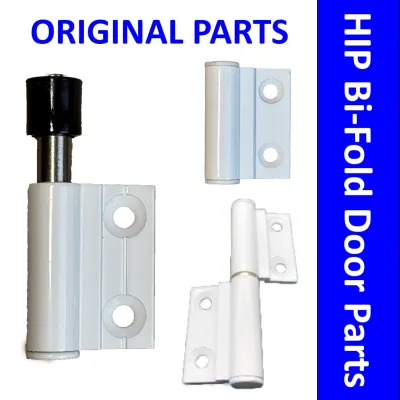
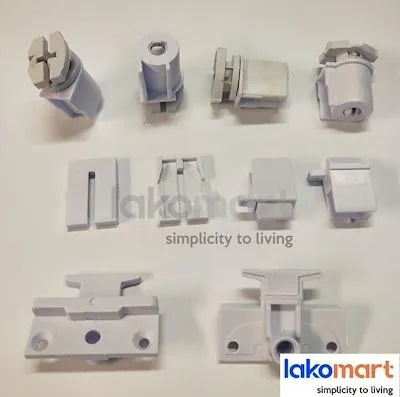

Prices are valid at publication and may change. Please refer to the product page for the latest price.
Critical Door and Track Measurements for a Bifold Door Roller
Before browsing for a replacement bifold door roller, grab a tape measure or a digital caliper to record the exact dimensions of your current hardware and door structure. Replacement kits are highly affordable, typically ranging from S$5 to S$25 at local hardware shops or online marketplaces, but getting the wrong size will waste both time and effort.

Door Thickness and Weight
Start by measuring the thickness of the door panel itself. In Singapore, interior timber bifold doors—often used to partition kitchens or study areas—typically measure between 35mm and 40mm in thickness. Thinner PVC, acrylic, or aluminium bifold doors, which are common in HDB toilet and bathroom renovations, may measure between 20mm and 30mm. You also need to estimate the weight of the door panels. Heavy solid-core timber doors require heavy-duty rollers with higher load capacities, whereas lightweight hollow-core or acrylic panels can use standard-duty rollers. Always check the manufacturer’s specified weight limit on the replacement hardware package to ensure it can support your door.
Track Internal Width and Depth
The roller wheels must glide freely inside the overhead track channel without binding or rubbing against the metal walls. Slide your tape measure inside the track to measure the internal width (the distance between the inner walls) and the internal depth (the height from the bottom lip to the top ceiling of the track). If the replacement roller wheel is too wide, it will jam inside the channel. If it is too narrow, the wheel will wobble, causing the door to shake or derail during operation.
Hole Diameter and Depth
Many traditional bifold doors use insert-style or “plug-in” rollers that sit inside pre-drilled holes along the top edge of the door panel. For these systems, you must measure the diameter of the existing hole. Common sizes include 7/8-inch (approximately 22mm) or 1-inch (approximately 25mm) diameters. Additionally, measure the depth of the hole to ensure the plastic or metal housing sleeve of the replacement roller can sit completely flush with the top edge of the door without bottoming out.
Matching the Mounting and Bracket Type to Your Door
Bifold door hardware is highly specialized, meaning you cannot simply swap a top roller with a bottom pivot. Understanding how your door is mounted is key to selecting the right replacement parts.
Spring-Loaded vs. Fixed Mechanisms
Top rollers and guides are almost always spring-loaded. This internal spring allows you to push the roller downward during installation, providing the clearance needed to slip the guide wheel into the top track before letting it snap upward into place. Conversely, the bottom hardware is usually a fixed pivot or guide pin that sits in a floor-mounted jamb bracket. Ensure you are purchasing a spring-loaded assembly for the top track and a compatible fixed pin for the bottom.
Bracket Styles
Look closely at how the roller housing attaches to the door panel.
- Plug-in Inserts: These feature a cylindrical nylon or metal sleeve that slides directly into a pre-drilled hole on the top edge of the door.
- Surface-Mounted Brackets: These consist of a metal plate that screws directly onto the flat face or the top edge of the door panel, making them ideal for doors without pre-drilled holes.
- Clip-on Designs: These utilize a track-mounted slide that clips onto a pre-installed bracket on the door, often found in modern premium folding door systems.
Top vs. Bottom Hardware Roles
Determine whether you are replacing the weight-bearing roller, the guide roller, or the bottom pivot. In many residential setups, the top roller bears the brunt of the door’s weight, while the bottom guide simply keeps the panels aligned. Because their structural roles and physical shapes differ entirely, verify which part of the system has failed before purchasing.
Wheel Diameter and Material: What Actually Affects Performance
The wheel is the only part of the roller assembly that makes direct contact with the track, making its specifications vital for long-term performance.
Wheel Diameter
Measure the outer diameter of the existing roller wheel. Even a tiny variance of 1mm to 2mm can alter the height of the door, causing it to scrape against the floor or preventing the top guide from seating securely in the track.
Material Choices
The material of the wheel directly influences how smoothly and quietly the door operates.
- Nylon and Plastic: Nylon wheels are highly popular for interior residential doors because they glide quietly and do not rust in humid environments, such as Singapore's bathrooms. They are best suited for lightweight hollow-core or acrylic doors.
- Steel and Ball-Bearing: For heavy solid timber or glass-paneled bifold doors, steel wheels or wheels with integrated ball bearings provide the structural strength needed to prevent flat-spotting under constant load.
Verification
Do not rely solely on a material’s name to guarantee durability or weight support. Instead, check the manufacturer’s packaging for certified load ratings, and inspect the wheel’s joints and finish to ensure there are no rough seams that could cause friction inside the track.
Specifications You Can Safely Ignore
While precision is crucial for structural dimensions, you can safely ignore certain cosmetic and branding details during your search.
Brand-Specific Part Numbers
Unless you are dealing with a proprietary, high-end architectural door system, you do not need to find an exact OEM (Original Equipment Manufacturer) part number. Many third-party hardware brands manufacture replacements that match the physical dimensions and mounting styles of older or discontinued door systems perfectly.
Housing Color
The color of the plastic sleeve or metal bracket housing does not affect how the door slides. Whether the nylon housing is white, black, or beige is irrelevant, as these components remain completely hidden inside the door or track once installed. Focus on physical dimensions rather than visual coordination.
Frequently Asked Questions (FAQ)
Can I use a standard sliding door roller for a bifold door?
No, standard sliding door rollers are designed for straight-line, continuous contact and typically mount on the bottom or top of a single sliding panel. Bifold doors require specialized rollers that pivot and fold. They also rely on spring-loaded guide pins to allow the panels to fold inward and outward smoothly while maintaining alignment within the track channel.
What if my bifold door track is damaged along with the roller?
If your metal track is bent, dented, or has rough burrs, installing a new roller will not solve the problem. A damaged track will quickly scratch, chip, or jam a brand-new nylon or steel wheel, leading to premature hardware failure. Always run a clean cloth along the inside of the track to check for obstructions, and replace the track if it is warped or structurally compromised.
Community discussion
Share your experience or ask a question. Comments are reviewed before publication.