
Selecting the ideal furniture for a compact HDB flat or condominium requires balancing utility with physical footprint. A multi-functional wooden bench that integrates hidden storage offers an elegant solution to this spatial puzzle, serving as both comfortable seating and a concealed repository for household items. By serving two distinct purposes, these versatile pieces help you reclaim valuable floor space while maintaining a clean, uncluttered aesthetic.
To find the best option for your home, you must look beyond mere aesthetics. The right choice depends on the specific zone of your home, the physical clearance available, and how the piece handles Singapore’s humid tropical climate. Evaluating these factors systematically ensures your furniture remains highly functional and structurally sound for years to come.
How to Evaluate a Wooden Bench for Compact Floor Plans
Before purchasing a wooden bench with integrated storage, you must define its primary daily use case. If you intend to use the bench for daily seating—such as at a dining table or in a busy entryway—prioritize structural stability, seat height, and durable finishes. Conversely, if the bench will primarily store seasonal items or extra bedding, you can prioritize maximum internal volume and deep storage cavities over quick-access features.
Products mentioned in this guide
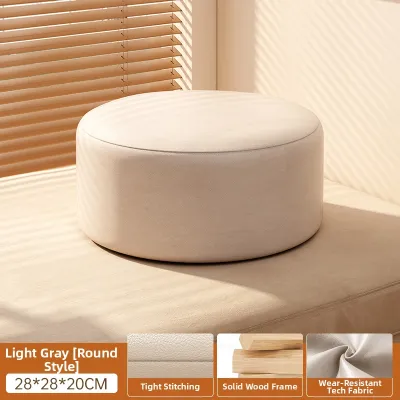
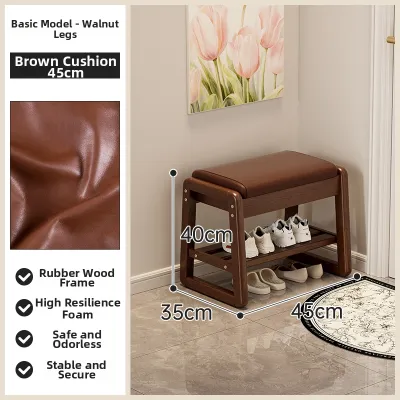
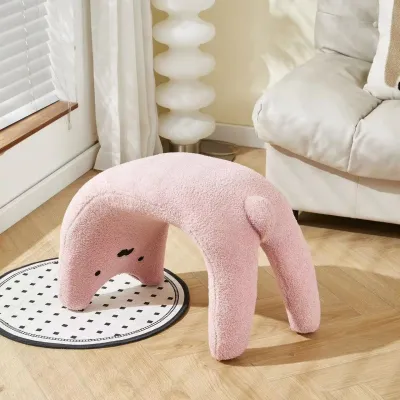
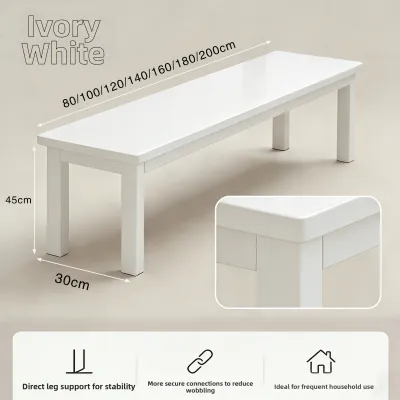
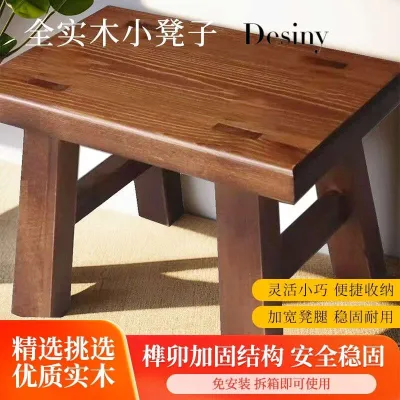
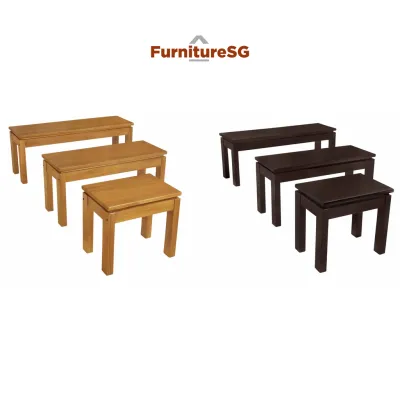
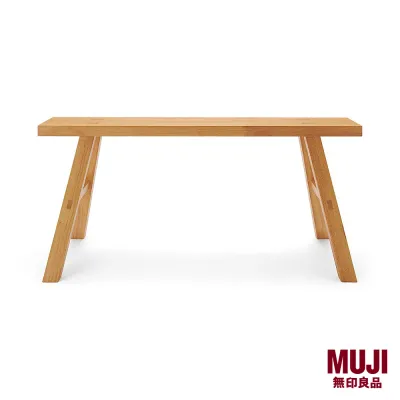
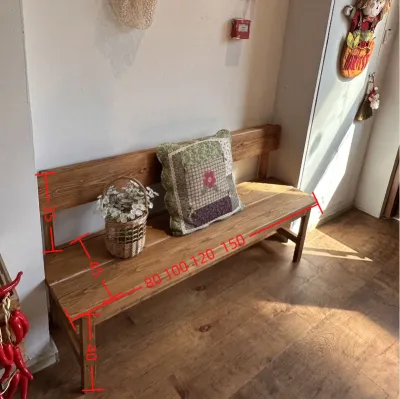
Prices are valid at publication and may change. Please refer to the product page for the latest price.
The footprint-to-storage-volume ratio is a critical metric for small floor plans. A bench that occupies a large amount of floor space but offers minimal storage due to excessively thick walls or inefficient internal dividers fails to justify its presence in a compact room. Look for designs that maximize internal depth and height while maintaining a streamlined outer profile.
Lid and door mechanisms directly dictate how much clearance the bench requires to operate. Hinged lids that lift upward require vertical clearance and work well when the top of the bench is kept clear. Hydraulic lift-top mechanisms provide safety by preventing the heavy lid from slamming down on fingers, making them excellent for households with children.
For tight spaces where vertical clearance is limited or the bench top is used to display decor, front-access options are far more practical. Sliding doors, open cubbies, or pull-out drawers allow you to access stored items without disturbing objects resting on top of the bench. However, you must ensure there is sufficient floor space in front of the bench for drawers to extend fully.
Finally, always inspect the structural indicators of the bench before committing to a purchase. High-quality joinery, such as mortise-and-tenon or dovetail joints, provides significantly more stability than simple wood screws or glue. Check the manufacturer’s specified weight capacity to ensure the bench can safely support multiple seated adults without bowing or wobbling.
For instance, a bench constructed with reinforced corner blocks and solid wood legs will withstand the lateral forces of people sitting down and standing up much better than a basic flat-pack unit made of thin particleboard. Look for heavy-duty hardware, such as metal drawer runners and robust hinges, which are less likely to sag or fail over time under the weight of stored items.
Best Multi-Functional Bench Designs for Different Home Zones
Different areas of a Singapore home present unique spatial challenges and storage needs. Tailoring the design of your wooden bench to the specific zone where it will reside ensures that it enhances your daily routines rather than creating physical bottlenecks.

Entryway Shoe Storage Benches
The entryway of a typical HDB flat or condo is often a narrow corridor where space is exceptionally tight. A wooden storage bench placed here must have a shallow profile to avoid blocking the main walkway. An ideal depth for an entryway bench is between 30 and 40 centimeters, which provides sufficient room for sitting while leaving the corridor clear. The standard height should range from 40 to 45 centimeters, allowing you to sit comfortably while putting on or removing shoes.
Proper ventilation is non-negotiable for entryway shoe storage. Enclosed, unventilated spaces trap moisture and sweat from worn footwear, leading to unpleasant odors and mold growth in Singapore’s humid climate. Look for benches featuring slatted doors, louvered panels, or open wire-mesh shelving. These designs facilitate continuous airflow, keeping your shoes dry and fresh.
Clearance is another major factor in narrow foyers. Swing-out doors can easily block the entire corridor or collide with the front door. To avoid this issue, opt for open cubbies, sliding doors, or pull-out drawers that require minimal clearance. A bench with a lower open shelf for daily-wear shoes and a closed compartment for less frequent footwear offers the perfect balance of convenience and tidiness.
Living Room Console and Seating Benches
In the living room, a wooden storage bench can serve multiple roles, acting as a coffee table, a low media console, or extra seating for guests. When choosing a bench for this central zone, prioritize designs with sliding doors or deep drawers. These configurations prevent swing-out clearance issues, allowing you to place the bench close to sofas, armchairs, or coffee tables without restricting access to your stored items.
The flat top of a sturdy wooden bench provides an excellent surface for displaying decorative items, holding books, or placing a tray for drinks. If you plan to use the bench as a low media console, ensure it features cable management cutouts at the back to keep wires organized and hidden. This multi-functional approach eliminates the need for separate, bulky console tables and seating stools, freeing up valuable floor space.
To maintain visual harmony in your living room, select a wood finish and grain pattern that complements your existing furniture. If your space features mid-century modern decor, a warm teak or walnut veneer bench with tapered legs will blend seamlessly. For contemporary or Scandinavian-themed living rooms, light oak or rubberwood benches with clean lines and minimalist hardware help maintain a bright, airy feel.
Bedroom End-of-Bed Storage Benches
Placing a wooden storage bench at the foot of your bed is an excellent way to utilize an underused area of the bedroom. This setup is ideal for storing bulky items that take up too much wardrobe space, such as seasonal winter wear, extra bed linens, heavy blankets, or travel luggage. When sizing the bench, ensure its length is slightly shorter than the width of your bed frame to maintain a balanced look.
You must also measure the remaining walkway space between the bench and the bedroom door, wardrobe, or adjacent walls. A minimum clearance of 60 centimeters is recommended to allow for comfortable movement around the room. If your wardrobe has hinged doors, ensure they can open fully without hitting the bench.
For bedroom storage, you must choose between lift-top and drawer configurations. Lift-top benches provide a single, massive compartment that easily accommodates large, bulky items, but you must remove any decorative cushions or items from the top before opening it. If you prefer quick access without clearing the seat, a bench with deep front-facing drawers is a more practical option. Consider an upholstered wooden bench with a padded seat for added comfort when sitting to dress or pack.
Space Planning and Clearance Checks for HDBs and Condos
To avoid purchasing a wooden bench that is either too large for your room or impossible to deliver, you must conduct thorough space planning and clearance checks. Start by measuring the physical footprint of the area where you intend to place the bench. Use painter’s tape to outline the exact dimensions of the bench on the floor; this visual aid helps you assess whether the piece will obstruct natural foot traffic or make the room feel cramped.
Next, calculate the necessary clearance for opening the bench’s doors, drawers, or lid. For a hinged lift-top bench, measure the vertical clearance to ensure the lid does not strike low-hanging wall decor, floating shelves, or wall-mounted light fixtures when fully opened. For benches with drawers or swing-out doors, measure the horizontal swing radius. Ensure there is at least 50 to 60 centimeters of open space in front of the bench so you can stand comfortably while opening the compartments.
Identify any physical obstructions along the wall where the bench will sit. Check for power outlets, light switches, internet ports, and telephone jacks that the bench might block. Note the height of your skirting boards; some benches are designed with a recess at the back to sit flush against the wall despite the skirting, while others will be pushed forward, leaving a small gap. Also, look out for air-conditioning trunking, low-hanging windows, or built-in wardrobe doors that could restrict the height or placement of your bench.
Finally, do not overlook the logistics of delivery. Many high-quality wooden benches are delivered fully assembled to ensure structural integrity. You must verify that the packaged bench can physically fit through your HDB corridor, navigate tight turns in the lift lobby, and fit inside the passenger elevator. Measure the height and width of your main entrance door, as well as any narrow hallways inside your home, to guarantee a smooth and damage-free delivery process. If your building’s lift is particularly small, you may need to coordinate with the retailer to confirm if the bench can be delivered in flat-pack form and assembled on-site.
For older HDB estates, lift landings may occasionally be located on mid-floors, requiring delivery staff to carry the furniture up or down stairs. If your block has such structural layouts, check with your delivery provider beforehand about potential stair-carrying fees and ensure the stairwell width allows for a safe turning radius.
Evaluating Wood Materials and Finishes for Humid Climates
Singapore’s tropical climate, characterized by high humidity and consistent warmth, poses unique challenges for wooden furniture. Understanding the differences between wood materials is crucial for selecting a bench that will not warp, swell, or split over time. Solid wood, such as teak, oak, or mahogany, is highly prized for its natural beauty and exceptional longevity. Teak, in particular, contains natural oils that make it highly resistant to moisture and pests, making it an excellent choice for Singaporean homes. However, solid wood naturally expands and contracts with humidity fluctuations, requiring high-quality joinery to accommodate this movement.
Engineered wood, such as Medium-Density Fibreboard (MDF) or particleboard, is a budget-friendly alternative often used in flat-pack furniture. While engineered wood is highly stable and less prone to warping than solid wood, it is highly susceptible to moisture damage. If water penetrates the outer laminate or veneer layer, the underlying wood fibers will absorb the moisture, swell, and crumble, irreparably damaging the bench. Plywood is another engineered option that offers superior moisture resistance and structural strength compared to MDF, as it is constructed from cross-laminated layers of wood veneer.
When browsing product labels, pay close attention to the surface treatments and finishes applied to the wood. A high-quality protective seal is essential for shielding the wood from humidity and spills. Look for benches finished with polyurethane, lacquer, or specialized wood oils. Polyurethane provides a hard, plastic-like barrier that is highly water-resistant and easy to clean, making it ideal for high-use entryway benches. Lacquer offers a beautiful, smooth sheen but may require more care. Ensure that all surfaces—including the underside and the interior of the storage compartments—are properly sealed to prevent uneven moisture absorption.
To keep your wooden bench in pristine condition, establish a simple routine maintenance schedule. Dust the bench regularly with a dry, soft microfiber cloth to prevent dirt buildup. Avoid using harsh chemical cleaners or excessively wet cloths, which can strip the protective finish and seep into the wood joints. If a spill occurs, wipe it up immediately to prevent staining or warping.
Lastly, be mindful of where you position your wooden storage bench. Avoid placing it in high-moisture zones, such as directly outside a bathroom door, near a damp external wall prone to condensation, or in areas exposed to direct rain on a balcony. Prolonged exposure to excessive moisture in these zones will inevitably lead to wood rot, warping, and mold growth, regardless of the wood type or finish.
Frequently Asked Questions (FAQ)
How much weight can a typical wooden storage bench hold?
You should always check the manufacturer’s specifications and product labels to confirm the exact weight capacity of a wooden storage bench, as capacities vary widely. On average, a well-constructed solid wood storage bench can support between 150 to 250 kilograms, easily accommodating two to three seated adults. Benches made from engineered wood or lightweight plywood typically have lower weight limits, often ranging from 100 to 150 kilograms.
Several structural factors influence this capacity. Benches with solid wood legs, thick top panels (at least 2 centimeters thick), and reinforced internal support brackets offer the highest weight capacities. The quality of the joinery also plays a critical role; mortise-and-tenon joints distribute weight much more effectively than simple dowels or screws. For safety, never exceed the stated weight limit, and avoid using the bench as a step stool to reach high shelves, as concentrated point loads can cause the lid or structural joints to crack.
Are hydraulic lift benches safer than hinged lid benches?
Yes, hydraulic lift benches are generally much safer and more user-friendly than benches with standard hinged lids, particularly in homes with young children or elderly family members. Hydraulic struts or soft-close hinges slow down the descent of the heavy wooden lid, preventing it from slamming shut. This mechanism significantly reduces the risk of trapped fingers and accidental injuries. Additionally, hydraulic struts hold the lid open hands-free, allowing you to use both hands to organize or retrieve items from the storage compartment.
However, hydraulic mechanisms do require occasional inspection and have potential failure points. Over years of heavy use, the gas struts can lose pressure, causing the lid to sag or fail to stay open. Standard hinged lids equipped with manual safety stays or friction hinges are simpler, highly durable, and often easier to repair or replace. For heavy daily use where longevity is your primary concern, a simple hinged lid with a robust mechanical safety stay may offer a longer lifespan, while hydraulics remain the superior choice for child safety.
Community discussion
Share your experience or ask a question. Comments are reviewed before publication.