
Finding the right storage solutions for Singapore apartments requires a careful balance of spatial efficiency, aesthetic appeal, and material durability. The best wooden modular shelving units for Singapore homes are highly adaptable systems—such as stackable cubes, wall-mounted standards, or freestanding tiered frames—crafted from moisture-resistant materials like teak, treated oak, or high-grade laminated plywood. These systems allow you to maximize vertical space, navigate tight HDB or condominium layouts, and easily reconfigure your storage as your household needs evolve over time.
Unlike traditional fixed carpentry, modular furniture offers a dynamic way to organize your living space without committing to a permanent layout. In a property market characterized by compact footprints and multi-functional rooms, the ability to scale your shelving up, down, or sideways is invaluable. By choosing wood, you also introduce organic textures and warmth into your home, softening the clean lines of modern urban architecture.
Why Modular Wooden Shelving Works for Singapore Apartments
Singapore’s residential landscape is dominated by high-density housing, where every square meter must be utilized strategically. Newer HDB Build-To-Order (BTO) flats and compact condominium units frequently feature structural columns, recessed walls, or awkward corners near household shelters that resist standard, off-the-shelf furniture. Modular wooden shelving solves this problem by allowing you to assemble custom configurations that fit precisely into these irregular spaces, turning otherwise wasted nooks into highly functional storage zones.
Products mentioned in this guide
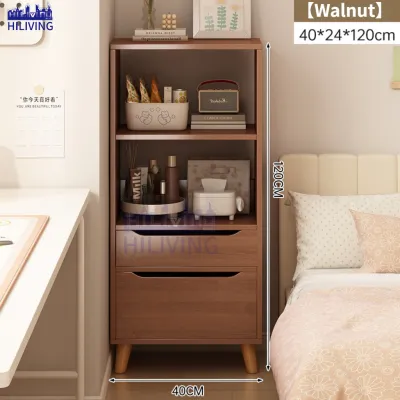
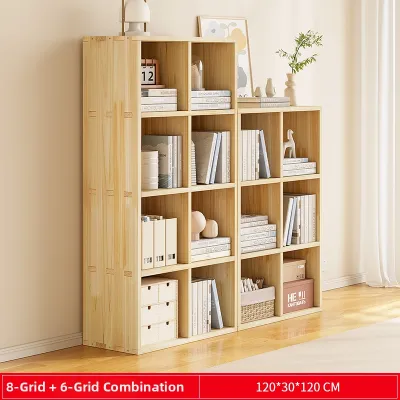
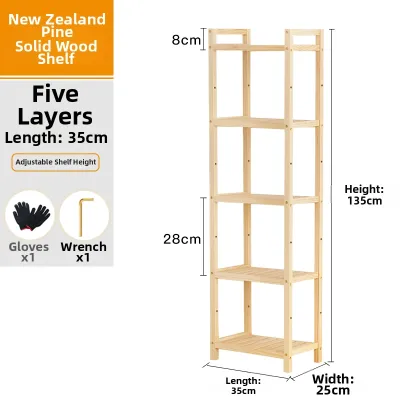
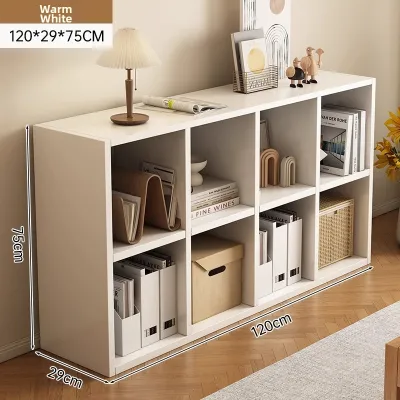
Prices are valid at publication and may change. Please refer to the product page for the latest price.
The visual impact of your furniture choices also plays a significant role in how spacious your home feels. Modern interior design trends in Singapore often favor minimalist, Scandinavian, or Japandi aesthetics, which rely heavily on natural materials to create a calm, inviting atmosphere. Solid wood and high-quality wood veneers introduce grain patterns and warm tones that break up the monotony of plastered concrete walls, adding depth and character to your living areas without overwhelming the room.
Furthermore, household dynamics change over the years. A spare bedroom may start as a home office, transition into a nursery, and later become a study room for growing children. Fixed carpentry is costly to install and even more expensive to demolish when your spatial needs change. Modular shelving systems provide a sustainable, long-term alternative; you can easily add extra shelves, swap open compartments for drawers, or completely dismantle and reassemble the entire system in a different room or a new home.
Evaluating Wood Types and Finishes for High Humidity
Singapore’s tropical climate presents a unique challenge for wooden furniture, with relative humidity levels frequently hovering above 80 percent. High moisture levels can cause low-quality wood products to warp, swell, or develop mold. Understanding the characteristics of different wood types and surface finishes is essential to ensuring your modular shelving remains structurally sound and visually appealing for years to come.

When selecting materials, it is helpful to compare the performance of solid wood, engineered wood, and bamboo under humid conditions:
- Solid Wood: Premium hardwoods such as teak and white oak are highly favored for their strength and longevity. Teak contains natural oils that provide inherent resistance to moisture and pests, making it an exceptional choice for tropical environments. Oak is incredibly dense and durable but must be sealed properly to prevent moisture absorption. While solid wood is a significant investment, it offers unmatched durability and can be sanded down and refinished if it sustains surface damage.
- Engineered Wood: Plywood and Medium-Density Fibreboard (MDF) are common substrates for modular shelving. High-quality plywood features cross-laminated layers that offer excellent dimensional stability, making it highly resistant to warping caused by humidity fluctuations. MDF is more budget-friendly and provides a perfectly smooth surface, but it is highly susceptible to moisture damage if left exposed. If choosing MDF, ensure it is completely encased in a high-pressure laminate or melamine face with robust edge banding.
- Bamboo: As a dense, fast-growing grass, bamboo is a highly sustainable material that naturally resists minor moisture changes. It is structurally stable and offers a distinct, modern aesthetic, though it still requires a protective polyurethane or lacquer topcoat to prevent mold growth in poorly ventilated areas.
Regardless of the core material, the longevity of your shelving depends heavily on its protective finish and construction details. Look for units that feature industrial-grade moisture-resistant sealants, polyurethane coatings, or thick edge banding. Edge banding is particularly critical for engineered wood, as unsealed edges act as entry points for atmospheric moisture, leading to localized swelling and delamination. Additionally, ensuring your shelving is designed with small gaps or slatted backs can promote airflow, preventing humid air from becoming trapped against your walls.
Recommended Modular Configurations for Common Layouts
To get the most out of your modular wooden shelving, match the structural design of the system to the specific functional requirements of your room layout.
Stackable Cube Units for Utility Rooms and Study Nooks
Stackable wooden cubes are highly effective for organizing high-density, enclosed spaces such as household shelters, utility rooms, or compact study corners. These systems consist of individual square or rectangular compartments that can be stacked vertically to utilize high ceilings or aligned horizontally to sit beneath low windows and structural beams.
Standard cube units typically feature depths ranging from 30cm to 40cm, which are ideal dimensions for accommodating standard fabric, rattan, or plastic storage bins. To maintain a clean and uncluttered appearance in a small room, consider a mix of open cubes to display decorative items and closed cubes with insert boxes to conceal loose household items. When assembling stackable units, always place your heaviest items—such as books, document files, or small appliances—in the bottom row of cubes to maintain a low center of gravity and ensure overall stability.
Wall-Mounted Floating Modules for Compact Living Areas
When floor space is limited, wall-mounted modular shelves offer an elegant way to draw the eye upward and keep your walkways clear. These systems utilize vertical wall space in dining zones, entryways, or behind sofas, providing storage without adding physical bulk to the room’s footprint.
Before purchasing a wall-mounted system, it is crucial to verify the construction of your wall. HDB structural walls are made of solid, reinforced concrete, which can support substantial weight when paired with appropriate masonry plugs and heavy-duty brackets. Conversely, internal partition walls in newer apartments are often constructed of drywall or hollow blocks, which have much lower weight capacities and require specialized anchors. Always check the manufacturer’s specified load-bearing limits for both the shelves and the brackets, and ensure you use a reliable mounting system, such as a sturdy French cleat, to distribute the weight evenly.
Freestanding Tiered Systems for Open-Concept Zoning
For larger condominium layouts or open-concept HDB flats, freestanding tiered modular shelves can double as functional room dividers. These systems allow you to partition a large room into distinct zones—such as separating a living room from a dining space or a home office—without building permanent drywall partitions.
To maintain a bright, spacious feel, choose double-sided, open-backed shelving units. These structures allow natural light to filter through from your windows while keeping both sides of the shelf accessible. Staggered height configurations can also add visual interest while preserving sightlines across the room. Because these units stand freely in high-traffic areas, they pose a potential safety hazard if bumped. It is absolutely essential to secure freestanding modular units to an adjacent wall using anti-tip anchoring kits, particularly in households with young children or active pets.
Pre-Purchase Measurements and Safety Verifications
To avoid delivery delays or installation issues, perform a thorough physical assessment of your home before finalizing your modular shelving purchase.
- Account for Architectural Obstacles: Do not rely solely on wall-to-wall measurements. Measure the height and depth of your skirting boards, as they can prevent flat-backed shelving units from sitting flush against the wall. Note the locations of wall-mounted power outlets, light switches, and data ports to ensure your shelves do not block access to essential utilities. Additionally, check for surface-mounted air-conditioning trunking, water pipes, and the sweep radius of ceiling fans to prevent physical interference.
- Verify Delivery Clearance: Modular furniture is often delivered flat-packed, but long upright supports, large side panels, or pre-assembled frames can still be difficult to transport. Measure the height, width, and diagonal clearance of your apartment building's lift cabin, as well as the width of your front doorway, corridor turns, and staircase landings. Ensuring the delivery team can safely navigate these spaces prevents costly returns or accidental damage to your walls and the furniture.
- Assess Wall and Floor Stability: Ensure your floor surface is perfectly level, as even minor slopes can cause tall modular units to lean, putting stress on the joints. If your floor is uneven, look for modular systems equipped with adjustable leveling feet. Finally, check that the shelving system includes high-quality wall-anchoring hardware. If your home has plasterboard or hollow block walls, you will need to purchase specialized anchors separately, as standard plastic wall plugs are only suitable for solid concrete walls.
Routine Care to Prevent Warping and Mold
Maintaining the structural integrity and appearance of wooden modular shelving in a humid climate requires consistent, low-risk care routines. By protecting the wood from environmental extremes and moisture buildup, you can prevent warping, finish degradation, and mold growth.
Keep your shelves clean by dusting them regularly with a dry, soft microfiber cloth. Avoid using harsh chemical cleaners, bleach, or abrasive scrubbing pads, as these can strip away protective polyurethane, wax, or lacquer finishes, leaving the raw wood vulnerable to moisture absorption. If a spill occurs, wipe it up immediately with a dry cloth; never allow standing water to pool on wooden surfaces, especially near joints or laminate seams.
Your placement of the furniture also affects its lifespan. Avoid positioning wooden shelving directly in the path of continuous, cold drafts from air-conditioning units, as rapid temperature and humidity shifts can cause the wood to dry out unevenly, leading to cracking or warping. Similarly, shield your shelves from prolonged, direct afternoon sunlight to prevent the wood from fading, drying, or splitting.
During the wet monsoon seasons, when indoor humidity levels rise significantly, take proactive steps to control moisture. Place disposable moisture-absorbing tubs inside closed cabinet modules or drawers to keep the micro-environment dry. Running a home dehumidifier in your main living areas during high-humidity periods will also help protect your wooden furniture while improving overall indoor air quality.
Frequently Asked Questions (FAQ)
What wall anchors should I use for HDB hollow block walls?
Standard plastic wall plugs are designed for solid concrete and will not hold securely in hollow blocks or drywall partition walls. For HDB hollow block walls, you should use specialized heavy-duty hollow wall anchors, toggle bolts, or spring toggles. These anchors expand behind the hollow cavity of the block, distributing the load across a wider surface area. If you plan to store heavy books or equipment on your wall-mounted shelves, it is highly recommended to consult a qualified local handyman to ensure the installation is safe and secure.
Is solid wood always better than engineered wood for modular shelving?
Solid wood is not universally better; both materials have distinct trade-offs depending on your budget and needs. Solid wood offers exceptional longevity, premium aesthetics, and the ability to be sanded down and refinished, but it is heavy, expensive, and can expand or contract with humidity changes. High-quality engineered wood, such as plywood finished with a high-pressure laminate, is highly stable in humid environments, lighter, and more cost-effective. However, engineered wood cannot be easily repaired if the protective surface layer chips or peels.
Community discussion
Share your experience or ask a question. Comments are reviewed before publication.