
Selecting the ideal white bar stool for your home involves aligning the seat height with your counter dimensions, choosing materials that resist stains, and matching the frame silhouette to your overall interior decor. In Singapore’s diverse housing landscape, from compact HDB flats to spacious condominiums, a white stool serves as a versatile design anchor. It reflects natural light, making open-plan kitchen-living areas feel more spacious and cohesive. However, finding the right balance between aesthetic appeal, physical comfort, and daily durability requires a clear understanding of sizing, materials, and structural design.
By evaluating your specific space constraints, understanding how different materials perform under daily wear, and choosing a style that complements your existing furniture, you can select a seating solution that is both highly functional and visually striking. This guide breaks down the essential selection criteria, explores popular design pairings, and outlines practical maintenance steps to keep your white surfaces pristine.
Sizing and Ergonomics: Choosing the Right White Bar Stool
Before browsing design styles, you must determine the precise dimensions required for your seating area. The most common mistake is confusing counter-height stools with bar-height stools. In Singapore, standard kitchen islands and breakfast counters typically stand at 85 to 90 cm from the floor, which requires counter-height stools with a seat height of 60 to 65 cm. True bar counters, which are often raised ledges or commercial-style home bars, stand at 100 to 105 cm and require bar-height stools with a seat height of 70 to 75 cm. Measuring from the floor to the underside of your counter surface is the critical first step to ensure comfortable seating.
Products mentioned in this guide
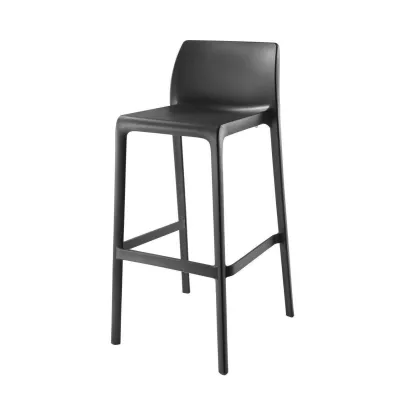
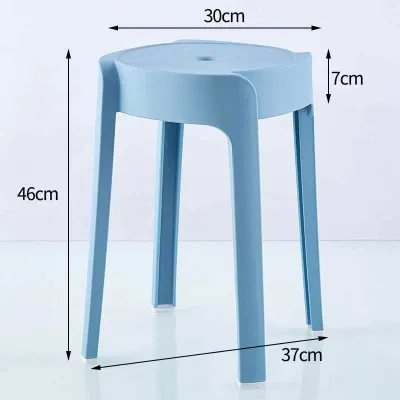
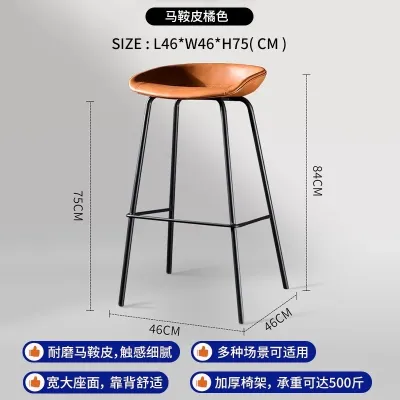
Prices are valid at publication and may change. Please refer to the product page for the latest price.
Legroom and clearance are equally vital for daily comfort. To allow users to sit comfortably without their knees pressing against the underside of the counter, aim for a clearance of 25 to 30 cm between the top of the stool seat and the bottom of the counter apron. If your counter has a thick support beam or a deep under-counter drawer, measure from the lowest point of that structure rather than the countertop itself. Additionally, ensure the counter overhang is deep enough—ideally at least 25 cm—to allow knees to tuck in naturally.
Spatial footprints must be carefully managed in compact HDB and condo layouts where floor space is at a premium. If your kitchen island sits in a narrow walkway, consider choosing backless white stools. These can be pushed completely underneath the counter when not in use, keeping the corridor clear and maintaining unobstructed sightlines across the room. For stools with backs, low-profile designs that sit flush with or slightly below the counter height help preserve a clean, uncluttered visual flow throughout an open-concept living space.
Ergonomic support should not be sacrificed for a minimalist look. A well-designed footrest is essential for high-level seating, as it relieves pressure on the back of the thighs and prevents leg fatigue during longer sitting sessions. When evaluating base stability, look for stools with a wide, weighted base. This is particularly important for single-pedestal, gas-lift models, which can feel top-heavy if the base diameter is too narrow. A broader footprint ensures the stool remains stable when users climb on or off, reducing the risk of tipping.
Curated White Bar Stool Picks by Interior Style
Matching the design language of your white stool to your home’s interior style creates a harmonious look that elevates the entire room. Different styles rely on distinct materials, frame shapes, and textures to achieve their signature aesthetics.

Minimalist and Scandinavian Spaces
Minimalist and Scandinavian interiors thrive on simplicity, light-toned elements, and functional design. For these spaces, look for white stools featuring matte finishes, molded polypropylene seats, or light-toned wooden legs—such as ash, beech, or oak—paired with clean white seat shells. These designs emphasize organic curves and unornamented surfaces, allowing them to blend seamlessly into light-filled, clutter-free environments.
The visual weight of these stools is exceptionally low, which helps small kitchens feel more open and airy. Slender tapered legs and cut-out backrests allow light to pass through, preventing the kitchen island from looking crowded even when multiple stools are lined up side-by-side. This makes them highly suitable for open-plan layouts where the kitchen is visible from the main living area.
From a practical standpoint, molded plastic and finished wood surfaces are incredibly easy to maintain. Smooth, seamless seats have no crevices to trap crumbs or spilled liquids, allowing you to wipe them clean with a quick swipe of a damp cloth. This level of convenience is ideal for busy households and active cooking zones.
However, ultra-minimalist designs often lack thick padding, which can limit comfort during extended sitting sessions. While perfectly suited for quick breakfasts, casual coffee breaks, or short chats, they may not provide the plush support needed for a full day of working from home. If long-term comfort is a priority, look for models with gently contoured seat shells that distribute body weight more evenly, or consider adding a thin, removable felt seat pad.
Industrial and Modern Layouts
Industrial and modern designs embrace structural lines, raw materials, and high-contrast elements. White stools suited for these layouts often combine white powder-coated metal frames with contrasting accents, such as raw timber seats, black hardware, or geometric wire mesh. These materials highlight the architectural construction of the stool, adding an edgy, contemporary feel to the space.
Using white stools against darker industrial backdrops—such as exposed concrete walls, grey screed floors, or dark charcoal countertops—creates a striking visual contrast. The clean white lines of the stool frames soften the heavy, utilitarian feel of industrial elements without compromising the modern, loft-like aesthetic. It provides a bright focal point that draws the eye directly to the kitchen island.
Metal-framed stools offer exceptional structural rigidity and long-term durability. They are highly resistant to the daily knocks, bumps, and scrapes common in active households. The powder-coated finish protects the underlying metal from moisture and humidity, ensuring the frames remain stable and robust over years of regular use.
When introducing metal-framed stools to your home, it is crucial to protect your flooring. Metal legs can easily scratch common Singaporean flooring materials, such as polished porcelain tiles, luxury vinyl tiles (LVT), or engineered timber. Always check that the stools are equipped with integrated, non-marking rubber glides or protective plastic caps on the bottom of the legs to prevent surface damage and reduce noise when sliding the stools.
Classic and Transitional Kitchens
Classic and transitional kitchens focus on warmth, elegance, and timeless details. Stools designed for these environments often feature traditional silhouettes, turned wooden legs painted in soft off-white, and upholstered seats with subtle button tufting or curved backrests. These design details add texture and a sense of luxury to the kitchen, making the island feel like a formal dining destination.
Upholstered white stools bring a high level of comfort and warmth, turning the kitchen island into an inviting social hub where family members and guests can gather comfortably for hours. The padded seats and supportive backrests provide excellent ergonomic support, making these stools highly suitable for long dinners, homework sessions, or casual entertaining.
Because these stools are placed in high-spill zones, the choice of upholstery material is critical. To maintain a clean white appearance, prioritize performance fabrics treated with stain-resistant coatings, or opt for high-quality polyurethane (PU) faux leather, which can be wiped clean easily. Removable and washable slipcovers are another excellent option, allowing you to maintain a pristine look without worrying about permanent stains.
It is important to note that fully upholstered, classic-style stools generally have a larger physical and visual footprint than minimalist metal or plastic options. They require more floor space and may restrict movement if your kitchen walkways are narrow. Ensure you measure the width of your island carefully, leaving at least 15 cm of space between each upholstered stool to allow comfortable arm movement and easy access.
Material and Finish Guide: Maintaining White Surfaces
Keeping white surfaces clean and free of discoloration is a primary concern for many homeowners. Understanding how different materials and finishes behave under daily use will help you choose the right option for your lifestyle and establish an effective care routine.
- Glossy Finishes: Highly reflective glossy paint or polished plastics make spaces feel brighter by bouncing light around the room. They are incredibly easy to wipe clean, as grease and spills cannot easily penetrate the slick surface. However, glossy finishes show oily fingerprints, water spots, and smudges very clearly, requiring frequent wiping to maintain a polished look.
- Matte Finishes: Matte painted wood, powder-coated metal, and matte plastics offer a modern, understated appearance. They excel at hiding fingerprints and minor smudges, making them look cleaner for longer. The trade-off is that textured matte surfaces can sometimes trap fine dust or pigments more easily than glossy surfaces, requiring a bit more effort to scrub clean if a spill dries.
- Solid Plastics: Polypropylene and polycarbonate are highly durable, non-porous, and resistant to moisture. They do not chip like painted wood and are virtually immune to water staining, making them an excellent choice for families with young children.
- White Upholstery: Fabric and faux leather offer superior comfort but require the most care. A major risk for white upholstery is color transfer, where dyes from dark denim or new jeans rub off onto the white seat, leaving a bluish stain. Prompt cleaning is essential to prevent these dyes from setting permanently.
To clean your white bar stools safely, always start with the gentlest method possible. Use a soft microfiber cloth dampened with a solution of mild, pH-neutral dish soap and warm water. This simple routine is highly effective for removing daily dust, grease, and light spills without damaging the material. Avoid using abrasive scrubbing pads, steel wool, or harsh chemical cleaners containing bleach, ammonia, or acetone, as these can strip away protective clear coats, dull glossy finishes, or cause white plastics to yellow prematurely. Always refer to the manufacturer’s specific care instructions before applying any cleaning agents, and perform a spot test on a hidden area of the stool first.
Delivery and Setup: Pre-Purchase Checks for Singapore Homes
Before finalizing your purchase, consider the practical logistics of delivering and assembling your new white bar stools. Ensuring a smooth delivery process prevents unexpected damage to both the furniture and your home’s interior.
First, verify the entry clearance of your building and unit. Measure the height and width of your apartment’s main entrance, lift doors, lift cabin depth, and any tight corridor turns. This is especially important if you are purchasing fully assembled, high-back bar stools, which can be surprisingly bulky and difficult to maneuver through narrow HDB corridors or standard lift doors. If the stools are delivered in large boxes, check those dimensions against your entry points as well.
Next, understand the assembly requirements of your chosen model. Flat-pack stools are easier to transport but require careful assembly to ensure structural integrity. If the stool features a swivel mechanism or a height-adjustable gas cylinder, precise alignment of the components is necessary to prevent squeaking, wobbling, or premature wear. If you do not have the appropriate tools or are uncomfortable with assembly, check if the retailer offers professional assembly services upon delivery.
Upon receiving your stools, perform a thorough physical inspection before the delivery team leaves. Check all structural joints, weld points on metal frames, and the tightness of all screws and fasteners. Sit on each stool to ensure it rests flat on the floor without rocking and that there are no unusual creaks or movement. For adjustable models, test the gas-lift lever several times to confirm the height adjustment operates smoothly.
Finally, review the retailer’s return policy and warranty coverage. Pay close attention to the warranty terms for moving parts, such as gas cylinders, swivel plates, and adjustment levers, as these mechanical components are subject to the most wear and tear over time. A reliable warranty ensures that your investment remains protected and that your white bar stools continue to provide safe, comfortable seating for years to come.
Community discussion
Share your experience or ask a question. Comments are reviewed before publication.