
Selecting the right wall-mounted key holder for your entryway is a practical way to streamline your daily routine and keep your home organized. In Singapore, where entryway configurations vary from compact HDB foyers to spacious landed property hallways, finding a brand that balances aesthetic appeal with structural integrity is essential. A well-chosen key holder does more than store your keys; it serves as a central hub for daily essentials, preventing misplaced items and clutter near the front door.
To make an informed purchase, you must look beyond surface aesthetics. The ideal key holder must withstand local environmental factors, such as high humidity, while remaining securely anchored to your specific wall type. By evaluating material finishes, installation methods, and functional features, you can select a brand that offers long-term durability and matches your home’s interior design.
Evaluating Wall Key Holder Brands for Your Entryway
When assessing different key holder brands, the quality of the material finishes and surface treatments should be your first consideration. In Singapore’s tropical climate, ambient humidity can quickly degrade poorly treated materials. Wooden key holders that lack proper sealing are prone to absorbing moisture, which leads to warping, splitting, or mold growth over time. When evaluating wooden options, look for brands that specify the use of sealed edges, polyurethane topcoats, or water-resistant varnish. For metal key holders, prioritize brands that utilize powder-coated steel, anodized aluminum, or rust-resistant coatings to prevent corrosion caused by humid air and moisture from damp hands.
Products mentioned in this guide
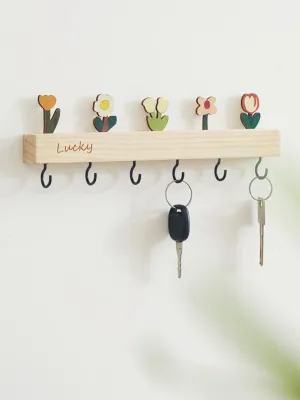
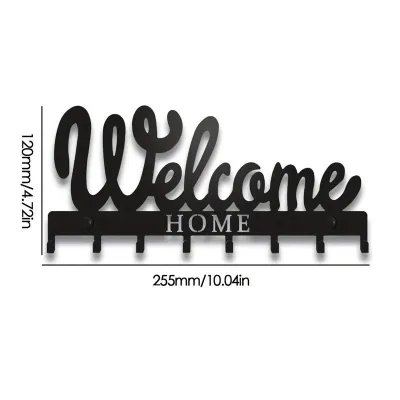
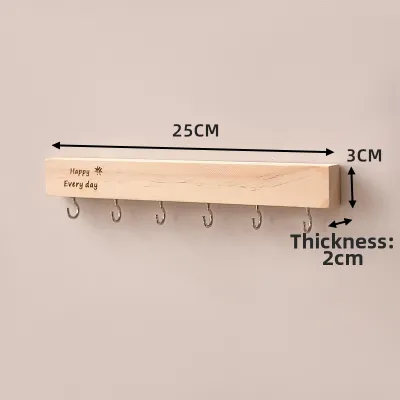
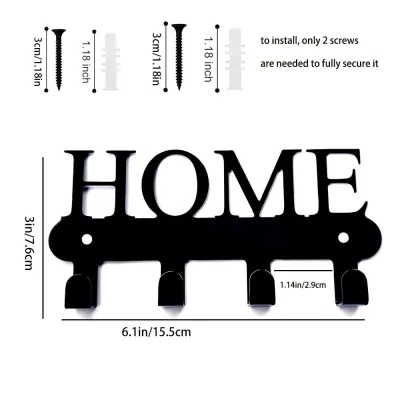
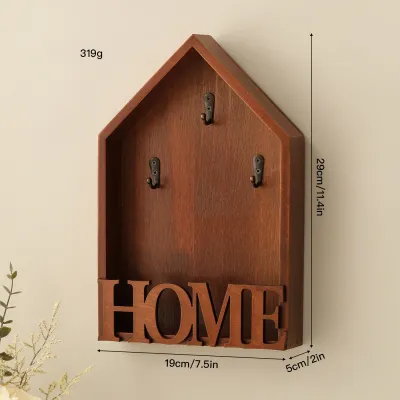
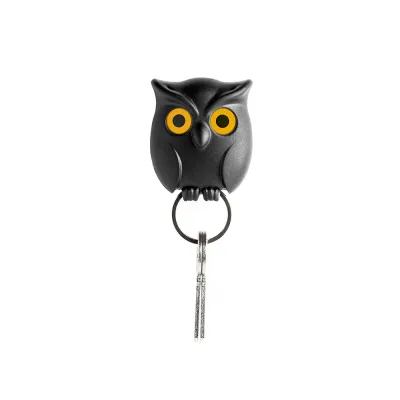
Prices are valid at publication and may change. Please refer to the product page for the latest price.
Installation compatibility is another critical factor that varies significantly across brands. Entryway walls in Singaporean homes are commonly constructed from solid concrete, pre-cast panels, or drywall. Drilled installations utilizing screws and wall plugs offer the highest load capacity and long-term stability, making them ideal for heavy keychains, bags, or mail. Conversely, adhesive-mounted key holders offer a drill-free alternative suitable for rental properties or tiled surfaces. However, adhesive performance depends heavily on the quality of the tape and the smoothness of the wall. When comparing brands, verify whether they provide clear instructions on wall compatibility and specify the maximum weight limits for both adhesive and drilled mounting options.
Spatial dimensions and entryway traffic flow must also guide your brand selection. Entryways are high-traffic zones where space is often limited, particularly in modern apartments. A key holder that protrudes too far from the wall can become an obstruction, catching on clothing, bags, or even interfering with the swing of your front door. Before purchasing, measure your available wall width and compare it against the product’s depth. Brands that offer slim profiles or recessed hooks are highly advantageous for narrow corridors, ensuring that your keys remain organized without compromising the physical clearance of your entryway.
Comparing Design and Functional Features Across Brands
Different brands offer distinct hook structures and load-bearing designs to accommodate various storage needs. Traditional peg hooks are highly reliable for hanging standard key rings, but they require a sufficient upward angle or lip to prevent keys from slipping off. Some modern brands feature hidden or flip-down hooks that retract when not in use, providing a clean, minimalist look that minimizes the risk of accidental snags. Magnetic key holders, which use integrated neodymium magnets behind a wood or metal facade, offer a sleek, hardware-free appearance. When choosing a magnetic option, check the manufacturer’s stated weight capacity to ensure the magnets can support your heaviest keychains without letting them slip.

Supplementary storage features can transform a simple key hook into a multi-functional entryway organizer. Many brands integrate mail slots, catch-all trays, small shelves, or even dedicated slots for sunglasses and access cards. If you frequently receive letters or need a designated spot for outgoing mail, a brand featuring a deep mail slot is highly beneficial. Catch-all trays are excellent for holding loose coins, lip balm, or public transport cards. For homes without a dedicated umbrella stand, some larger wall-mounted organizers even include integrated hooks or loops designed to hold compact folding umbrellas, keeping all your outdoor essentials in one centralized location.
Matching the visual style of the key holder to your existing home decor creates a cohesive and welcoming entryway. Brands generally align with specific design languages, ranging from minimalist metal structures to warm, natural wood aesthetics. If your home features a Scandinavian or Japandi design, look for brands that emphasize light-colored timbers like oak or beech with clean, organic lines. For industrial or modern minimalist interiors, brands utilizing matte black steel, brass accents, or geometric wireframes will complement your space. Assessing how a brand’s design language integrates with your shoe cabinets, console tables, and lighting fixtures ensures a harmonious look.
Sourcing and Verifying Key Holder Brands in Singapore
Navigating online e-commerce platforms and official brand storefronts is a convenient way to explore a wide range of key holder designs. However, online shopping requires careful verification to ensure product quality matches your expectations. When browsing digital listings, pay close attention to user reviews and customer-uploaded photos. These real-world images often reveal the true color, texture, and finish of the product, which may differ from polished promotional graphics. Look for specific feedback regarding the installation process, the quality of the included mounting hardware, and how well the adhesive or screws hold up under daily use over several months.
For a more hands-on evaluation, visiting local furniture showrooms, home decor boutiques, or lifestyle concept stores in Singapore is highly recommended. Physically inspecting a key holder allows you to test the build quality in ways that online listings cannot replicate. You can assess the weight of the unit, check for any play or wobbling in the joints, and feel the texture of the wood or metal finish. Testing the damping of flip-down hooks or the strength of magnetic catches firsthand provides immediate reassurance of the product’s structural integrity and usability.
Before finalizing your purchase, complete a thorough pre-purchase checklist to avoid installation issues. Confirm exactly what mounting hardware is included in the package, as some brands package adhesive strips and screws together, while others require you to purchase them separately. Check the manufacturer’s product manual or specifications sheet for any specific wall requirements, such as minimum tile thickness or paint compatibility. Finally, review the retailer’s return and exchange policies, ensuring you have recourse if the product arrives with manufacturing defects or proves incompatible with your entryway wall.
Installing and Maintaining Your Wall-Mounted Key Holder
Proper wall preparation is the foundation of a secure and lasting installation. Before mounting your key holder, identify the composition of your entryway wall. For concrete or brick walls, you will need a masonry drill bit and appropriate plastic wall plugs to secure the screws. If you are mounting onto drywall, toggle bolts or specialized hollow-wall anchors are necessary to prevent the screws from pulling out. Regardless of the wall type, ensure the surface is completely clean, dry, and free of dust or grease. If you are using an adhesive mount, wiping the area with isopropyl alcohol and allowing it to dry fully will significantly improve the adhesive bond.
Always follow the manufacturer’s installation instructions strictly to prevent damage to your wall or the product. Use a spirit level to ensure the key holder is perfectly horizontal before marking your drill holes or applying adhesive. If you encounter an unknown wall structure, or if the included hardware does not seem compatible with your wall type, stop the installation immediately. Consulting a qualified local handyman or professional installer can prevent costly damage to your walls, utility pipes, or electrical wiring, which are often located near entryway distribution boards.
Routine maintenance will extend the lifespan of your wall-mounted key holder and keep it looking pristine. Periodically dust the unit with a dry microfiber cloth to prevent buildup in hard-to-reach corners or mail slots. For wooden key holders, avoid using excessively wet cloths or harsh chemical cleaners, which can strip the protective sealant and expose the wood to moisture; instead, use a slightly damp cloth and dry the surface immediately. Regularly check the stability of the unit by gently wiggling it; if you notice any play, tighten the mounting screws or inspect the adhesive backing for signs of degradation, replacing the adhesive strips if they begin to peel or lose grip.
Frequently Asked Questions (FAQ)
Can adhesive key holders support heavy keychains on textured walls?
Adhesive-mounted key holders generally struggle to support heavy loads on textured walls. Textured surfaces, such as stucco, textured paint, or concrete with visible grain, significantly reduce the contact surface area available for the adhesive tape to bond with. This reduction in contact area compromises the adhesive’s holding power, increasing the risk of the key holder falling and damaging your wall or keys. For textured walls, it is highly recommended to use a drilled installation with screws and wall plugs. If drilling is not an option, check the product label carefully for maximum weight limits on uneven surfaces, and limit the load to lightweight, single keys rather than heavy keychains.
How do I prevent wooden key holders from warping in humid climates?
To prevent wooden key holders from warping in Singapore’s humid climate, you must ensure the wood is properly protected from moisture. When purchasing, verify that the brand specifies a moisture-resistant finish, such as a polyurethane sealant, lacquer, or specialized wood oil. Maintain good ventilation in your entryway to prevent stagnant, humid air from settling on the wood. When cleaning, never use dripping wet cloths or saturate the wood with water; instead, wipe it down with a dry or minimally damp microfiber cloth. If the entryway is exposed to direct sunlight or outdoor elements near an open corridor, consider choosing alternative materials like powder-coated metal or high-density composites that are naturally impervious to humidity.
Community discussion
Share your experience or ask a question. Comments are reviewed before publication.