
Finding the right home office chair in Singapore is a balancing act between comfort, durability, and cost. With remote and hybrid work arrangements remaining a permanent fixture for many professionals, investing in a supportive seat is a practical necessity for long-term physical well-being. However, navigating the local market can be overwhelming due to the sheer volume of options, ranging from budget online imports to high-end designer models. The true value of an office chair does not lie solely in its price tag, but in how effectively it supports your body over years of daily use while resisting the challenges of a tropical climate.
To make an informed decision, you must look beyond flashy marketing buzzwords and focus on verifiable specifications, material quality, and structural adjustability. A chair that seems comfortable during a brief five-minute showroom trial might cause significant discomfort after an eight-hour workday if it lacks the necessary ergonomic adjustments. By understanding what features to look for at different price points and how to assess a chair’s build quality, you can secure a high-performing seat that fits both your budget and your home workspace.
What Defines "Value" in a Work-From-Home Office Chair?
When evaluating the value of a home office chair, the first step is to distinguish between a basic task chair and a dedicated ergonomic chair. Task chairs are designed for short-term, intermittent sitting, often featuring a fixed backrest, minimal padding, and limited adjustability. They are suitable for quick administrative tasks but generally fail to provide the continuous support needed for full-time remote work. In contrast, a true ergonomic chair is engineered to adapt to your unique body proportions, promoting a neutral posture that minimizes strain on your spine, neck, and shoulders during extended sitting sessions.
Products mentioned in this guide
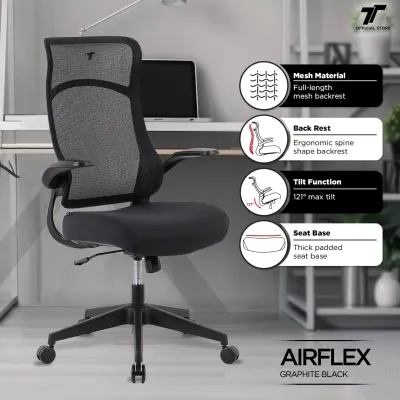
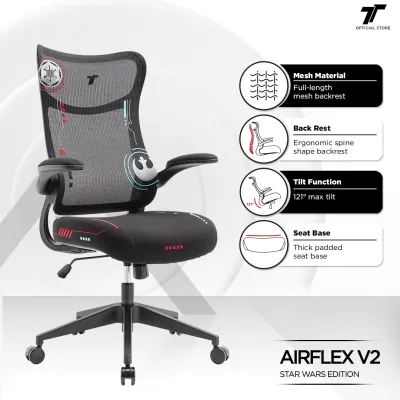
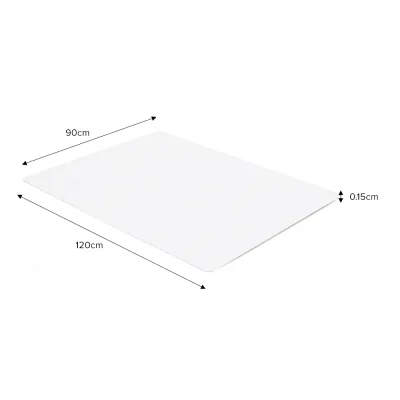
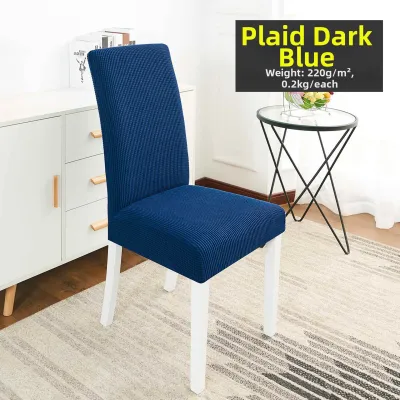
Prices are valid at publication and may change. Please refer to the product page for the latest price.
Material selection is another critical factor that directly impacts both comfort and longevity, especially under local environmental conditions. Singapore’s high humidity and warm temperatures can cause rapid deterioration in certain upholstery types. Synthetic polyurethane (PU) leather, while initially sleek and easy to clean, is highly susceptible to peeling, cracking, and flaking when exposed to sweat and ambient moisture over time. Standard fabric upholstery offers a softer feel but can trap heat and absorb moisture, leading to unpleasant odors if used in non-air-conditioned rooms. High-tension mesh is widely considered the most practical choice for local homes because it allows air to circulate freely, keeping you cool throughout the day. However, the quality of the mesh matters; low-grade mesh can stretch and sag within a few months, destroying the chair’s supportive qualities.
Finally, a manufacturer’s warranty serves as a reliable proxy for a chair’s expected durability. A long warranty period—typically ranging from three to over ten years—demonstrates the manufacturer’s confidence in the structural integrity of their product. When comparing warranties, read the fine print carefully to understand what is actually covered. Some brands offer a lengthy warranty that only applies to the steel frame, while limiting coverage on high-wear components like the gas lift, tilt mechanism, armrests, and mesh to just one or two years. A chair with a slightly higher upfront cost but a comprehensive, long-term warranty often represents far better value than a cheaper alternative that requires frequent replacement.
Comparing Office Chair Tiers and Expected Features
Understanding the local market landscape requires categorizing office chairs into distinct price tiers, each offering a specific level of adjustability, material quality, and mechanical sophistication. By identifying what features are standard within each tier, you can set realistic expectations and avoid overpaying for basic designs.

The entry-level budget tier, typically priced under S$150, consists primarily of basic task chairs and simple mesh models. These chairs generally offer pneumatic height adjustment and a basic tilting function, but lack advanced ergonomic features like adjustable lumbar support, seat depth control, or multi-directional armrests. The materials used are often lightweight nylon and standard foam cushions, making them suitable for light, casual use rather than full-time professional work.
The mid-range ergonomic tier, spanning from S$150 to S$500, is where most remote workers find the best balance of cost and performance. In this segment, you can expect dedicated, height-adjustable lumbar support, 2D or 3D adjustable armrests (which move up, down, forward, backward, and sometimes pivot), and more resilient mesh or high-density foam materials. These chairs are built for full-time daily use and usually come with standard multi-year warranties covering key mechanical parts.
The premium ergonomic tier, priced above S$500 and often reaching well over S$1,000, features advanced engineering and top-tier materials. These chairs utilize sophisticated synchro-tilt mechanisms, where the backrest and seat recline at a synchronized ratio to maintain optimal body support throughout the movement. They also offer highly customizable adjustments, including seat depth, seat tilt angle, and 4D armrests, alongside premium elastomeric mesh that retains its tension for a decade or more.
| Price Tier (S$) | Expected Features | Ideal Daily Usage | Key Verification Points |
|---|---|---|---|
| Under S$150 | Height adjustment, fixed or flip-up armrests, basic foam seat, simple tilt | 1 to 3 hours | Check base material (nylon vs. steel) and caster smoothness on floors. |
| S$150 to S$500 | Adjustable lumbar support, 2D/3D armrests, breathable mesh back, tilt tension | 4 to 8 hours | Verify lumbar height adjustability and mesh tension resilience. |
| Above S$500 | Synchro-tilt, seat depth adjustment, 4D armrests, premium elastomeric mesh | 8+ hours | Confirm comprehensive warranty coverage details for mesh and moving parts. |
Essential Comfort and Durability Checks Before You Buy
Before finalizing your purchase, it is essential to perform several physical or specification-based checks to ensure the chair will suit your body and stand the test of time. If you are visiting a local showroom, take the time to test every adjustment mechanism rather than just sitting statically.
First, verify the seat depth adjustment, which is one of the most overlooked ergonomic features. When sitting with your back fully against the backrest, there should be a gap of about two to three fingers between the front edge of the seat cushion and the back of your knees. If the seat is too deep, it will press against your knees, restricting blood circulation; if it is too shallow, your thighs will not be adequately supported, leading to increased pressure on your hips. Additionally, check that the armrests can be adjusted to a height where your elbows rest comfortably at a 90-degree angle while your shoulders remain completely relaxed.
Next, examine the base and casters of the chair, as these components bear your entire weight and dictate how smoothly you can move around your workspace. A heavy-duty aluminum or reinforced nylon base provides the best stability and prevents tipping when reclining. The casters must be compatible with your home flooring. Standard hard nylon casters are ideal for carpeted areas but can easily scratch and damage delicate parquet, vinyl, or laminate flooring. For hard surfaces, look for soft polyurethane (PU) or rubber-coated casters, which roll quietly and protect your floors from unsightly scuffs.
Finally, always review the manufacturer’s stated weight capacity limits and look for recognized safety certifications. Standards such as BIFMA or TUV indicate that the chair has undergone rigorous mechanical testing for load capacity, tilt cycle durability, and structural safety. Choosing a chair with a certified weight capacity that comfortably exceeds your actual weight ensures that the hydraulic gas lift and structural joints will not fail prematurely under daily stress.
Space, Delivery, and Assembly Checks for Local Homes
Selecting the perfect chair involves more than just ergonomic compatibility; you must also ensure it fits seamlessly into your physical living environment. Singaporean homes, particularly HDB flats and compact condominiums, often feature dedicated study nooks or multi-purpose rooms where space is at a premium.
Start by measuring your desk clearance and the surrounding floor area. Measure the height from the floor to the underside of your desk drawer or tabletop to ensure the chair’s armrests can slide underneath when you tuck the chair away. You should also measure the total footprint of the chair when fully reclined and swiveled to ensure it does not collide with nearby walls, wardrobes, or electrical outlets. A chair that is too bulky for your room can restrict movement and make your workspace feel cramped.
Logistics are another crucial consideration for local deliveries. While many budget chairs are shipped flat-packed, some premium models are delivered fully assembled in large, bulky boxes. Check the dimensions of your home’s main entrance, hallway corridors, and the internal lift cabin of your building to ensure the delivery team can transport the package safely to your unit. If you live in a walk-up apartment without lift access, verify if the delivery service charges additional fees for stair climbing.
Lastly, review the assembly requirements and return policies before purchasing, especially when buying from online marketplaces. If the chair requires self-assembly, check if the package includes all necessary tools, such as hex keys, and clear, step-by-step instructions. Some sellers offer professional assembly services for a small fee, which can save you time and ensure the chair is put together safely. Because comfort is highly subjective, always read the seller’s return policy to see if they allow returns or exchanges if the chair proves uncomfortable after a few days of use.
Decision Framework: Which Chair Tier Fits Your WFH Needs?
To choose the right office chair tier, you must evaluate your specific daily working habits, space constraints, and physical requirements. There is no single “best” chair for everyone, as the ideal choice depends entirely on how you intend to use it.
If you work from home full-time (typically eight or more hours a day) and rely on your desk setup as your primary workspace, investing in a mid-range or premium ergonomic chair is highly recommended. The adjustable lumbar support, seat depth controls, and breathable mesh of these tiers are essential for preventing fatigue and maintaining a healthy posture over long hours. The higher upfront cost is easily justified by the improved comfort and the extended lifespan of the materials.
Conversely, if your home desk is only used for temporary tasks, such as managing household bills, casual gaming, or studying for a few hours a week, an entry-level budget chair is a practical and cost-effective solution. These chairs are also ideal if you have a highly compact workspace that requires a smaller, lightweight chair that can be easily tucked away or moved to another room when not in use.
It is important to note that while ergonomic chairs are designed to support healthy sitting habits, they are not medical devices. If you suffer from chronic back pain, slipped discs, or other specific musculoskeletal conditions, you should verify your needs with a qualified healthcare professional or physical therapist before making a purchase. A professional assessment can help you identify specific support features or custom adjustments required for your condition, ensuring you do not inadvertently worsen your discomfort.
Frequently Asked Questions (FAQ)
How often should I replace my home office chair?
You should consider replacing your home office chair when it begins to show clear physical signs of structural or material degradation. Common indicators include a compressed foam seat cushion that no longer provides cushioning, sagging or torn mesh that fails to support your back, or a hydraulic gas lift that slowly sinks throughout the day. Squeaking joints, loose armrests, or a tilting mechanism that no longer locks securely also signal that the chair’s internal components have reached the end of their functional lifespan. Generally, a budget chair may need replacement after two to three years of daily use, whereas a high-quality mid-range or premium chair can easily last between five to ten years, depending on how well it is maintained and whether it is used within its specified weight limits.
Is a headrest necessary for long-term work-from-home use?
A headrest is not a mandatory requirement for maintaining an ergonomic posture during active working hours. When you are typing, writing, or looking straight at your monitor, your head should naturally align directly over your spine, meaning your neck should not be resting against the back of the chair. The primary function of a headrest is to provide support and reduce neck strain when you recline backward to read documents, watch a presentation, or take a short rest break. If you prefer having a headrest, it is crucial to choose one that offers independent height and angle adjustments. This ensures you can position it to cradle the natural curve of your neck rather than pushing your head uncomfortably forward, which can actually cause neck strain over time.

Community discussion
Share your experience or ask a question. Comments are reviewed before publication.