
Quick Answer: Which Brand Category Offers the Best WFH Value?
Determining the best value home office chair in Singapore depends heavily on your daily sitting hours, budget, and physical comfort requirements. There is no single brand that fits every remote worker perfectly, as value is a calculation of long-term comfort and durability relative to the upfront cost.
To find your ideal match, the market can be divided into three distinct categories. Premium ergonomic brands offer the highest long-term value for full-time remote workers due to their medical-grade support, highly customizable adjustments, and extensive warranties that span up to a decade or more. Mid-range and local ergonomic brands represent the sweet spot for the average user, delivering essential adjustable features, localized customer service, and physical experience centers at a moderate price point. Budget flat-pack options serve as practical, accessible solutions for temporary setups, occasional use, or highly restricted spaces.
To calculate the true value of a home office chair, divide the upfront cost in Singapore Dollars (SGD) by the warranty period or expected lifespan. This cost-per-year perspective often reveals that a higher initial investment in a durable, supportive chair is more economical over time than repeatedly replacing low-cost models that lose their structural integrity within a year or two.
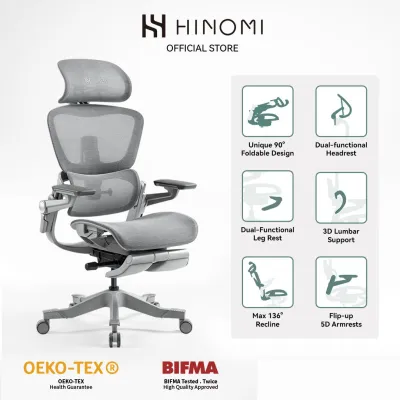
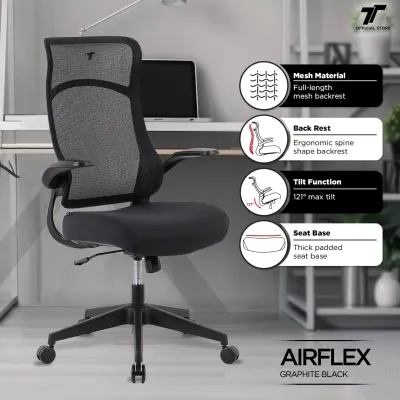
Products mentioned in this guide
![[SG Ready Stock]Ergonomic Office Chair Computer Desk Chairs Mesh Home Office Desk Chairs with Lumbar Support](https://img.lazcdn.com/g/p/585691bae859ee8d697593367d59d085.jpg_400x400q80.jpg_.webp)
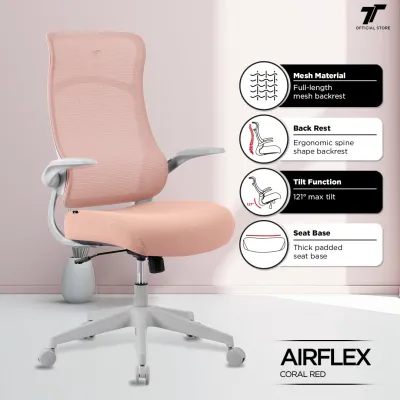
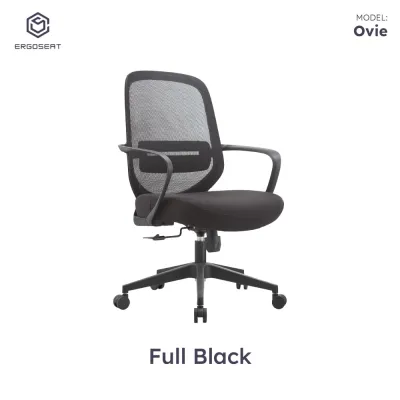
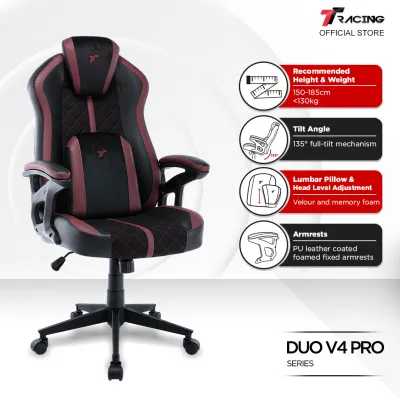
Prices are valid at publication and may change. Please refer to the product page for the latest price.
Defining Value: Ergonomics, Durability, and Price
When shopping for home office chairs, evaluating value requires looking beyond the initial price tag. A cheap chair that causes back strain or requires replacement after twelve months is ultimately a low-value purchase. True value is built on three intersecting pillars: ergonomic adjustability, material durability, and calculated lifetime cost.

Ergonomics
Ergonomics refers to how well a chair adapts to your unique body shape and supports natural movement. A high-value chair must feature adjustable lumbar support, seat depth customization, armrest articulation, and recline tension control. These features are not luxury add-ons; they are essential tools that prevent musculoskeletal fatigue and maintain healthy spinal alignment during long, focused work sessions.
Durability
Durability is determined by the quality of the structural components and upholstery. High-value models utilize robust frame materials such as glass-fiber reinforced nylon or polished aluminum, paired with high-tensile mesh or high-density molded foam. A key indicator of durability is the manufacturer’s warranty. A comprehensive warranty that covers moving parts, gas lifts, and upholstery indicates that the brand has tested the chair to withstand years of daily wear and tear.
Price as an Investment
Framing the purchase price as an investment helps clarify long-term costs. For example, a premium ergonomic chair costing S$1,200 with a 12-year warranty translates to an investment of S$100 per year. Conversely, a basic budget chair costing S$150 with a 1-year warranty costs S$150 per year and carries the added risk of physical discomfort. Calculating this cost-per-year helps you identify which tier aligns best with your financial and physical needs.
Comparing Popular Home Office Chair Brand Categories
Navigating the Singapore market is much easier when you group available brands into logical categories. Each tier targets different usage patterns, space constraints, and budgets.
Premium Ergonomic Brands
Premium ergonomic brands, such as Herman Miller, Steelcase, and Haworth, are defined by decades of scientific research, advanced mechanical engineering, and industry-standard certifications. These brands design chairs that actively support the spine’s natural curve and encourage micro-movements throughout the day, reducing the physical toll of sedentary work.
These manufacturers typically employ proprietary materials, such as elastomeric mesh that distributes weight evenly without stretching out over time, or flexible backrests that twist and bend with your torso. The engineering behind their tilt mechanisms allows for a smooth, balanced recline that keeps your eyes level with your monitor and your feet flat on the floor.
While the upfront cost for these chairs generally ranges from S$1,000 to over S$2,500, they are backed by industry-leading warranties of 10 to 12 years. This long-term coverage makes them an exceptionally low-cost-per-year option for full-time remote professionals who sit for eight or more hours a day.
Before purchasing a premium chair, it is highly recommended to visit official showrooms or authorized dealers in Singapore. Testing the chair in person allows you to verify the fit and ensures your purchase is covered by an official local warranty, which is critical for accessing after-sales support and replacement parts.
Mid-Range and Local Ergonomic Brands
Mid-range and local ergonomic brands have gained immense popularity in Singapore by offering a compelling balance of advanced features and competitive pricing. Brands in this category typically price their chairs between S$300 and S$800, making ergonomic support accessible to a broader range of remote workers.
These brands focus on providing the most critical adjustable features, such as independent lumbar support pads, 3D or 4D armrests, adjustable headrests, and seat depth sliders. Many of these models feature synchro-tilt mechanisms that recline the backrest at a faster rate than the seat pan, keeping your hips at a comfortable, open angle.
One of the primary advantages of local Singaporean brands is their regional presence. They often operate dedicated experience centers where you can test different models, adjust the settings under professional guidance, and ask questions before committing. Furthermore, local operations generally translate to faster delivery times, straightforward assembly options, and accessible customer service for warranty claims.
However, buyers should note the trade-offs in this category. The materials used, such as standard polyester mesh or lower-density polyurethane foam, may show signs of softening or wear earlier than premium-tier polymers. Additionally, warranties in this segment are typically shorter, ranging from 3 to 5 years, though some brands offer paid extensions up to 8 years.
Budget and Flat-Pack Retail Brands
Budget and flat-pack retail brands, such as IKEA or various generic office supply brands found on local e-commerce platforms, offer highly affordable and accessible seating solutions. These chairs generally cost between S$80 and S$250, making them highly attractive for temporary living arrangements, students, or occasional remote work.
These chairs are characterized by simple, clean designs that fit easily into compact Singaporean apartments. They are widely available for immediate self-collection or quick home delivery, and their straightforward assembly processes make them highly convenient for quick setups.
However, budget chairs involve significant trade-offs in long-term comfort and durability. They typically offer limited adjustability, often featuring fixed lumbar support, rigid or height-only adjustable armrests, and basic tilt-lock mechanisms that do not support dynamic sitting. Over extended work sessions, this lack of customization can lead to poor posture and physical fatigue.
Furthermore, the cushioning in budget chairs often consists of low-density cut foam that compresses permanently over months of daily use, reducing support and comfort. Warranties are short, typically spanning 1 to 3 years, and often exclude wear-and-tear on fabrics or mesh.
When purchasing a budget option, it is vital to perform basic safety and stability checks. Ensure the chair features a certified gas lift cylinder (look for BIFMA or SGS certifications) and a wide, stable wheelbase to prevent the chair from tipping when you lean forward or recline.
Key Comparison Dimensions for Daily Remote Work
To make an informed decision, you must evaluate how different brand categories perform across the specific design features that impact your daily work-from-home experience.
Lumbar Support
Effective lumbar support is the foundation of any ergonomic chair. Budget models often rely on fixed plastic bands or basic foam cushions that cannot be adjusted, which may not align with your spine if you are taller or shorter than average. Mid-range brands frequently utilize height-adjustable lumbar pads or spring-loaded dynamic sections that press gently against your lower back. Premium brands integrate advanced, micro-adjustable tension systems or flexible back shells that actively contour to your spine as you shift positions.
Seat and Back Material
Singapore’s warm, humid climate makes material selection a critical comfort factor. Mesh backrests and seats offer excellent breathability, allowing heat to dissipate quickly. However, the quality of the mesh matters; premium elastomeric mesh retains its tension for over a decade, whereas budget mesh can sag, causing your pelvis to tilt backward. High-density molded foam seats offer excellent weight distribution and pressure relief, but they can retain body heat if they are not upholstered in breathable fabrics.
Adjustability
Adjustability allows you to tailor the chair to your specific desk height and body proportions. Key adjustments to look for include:
- Seat Depth Adjustment: A slider that moves the seat pan forward or backward, ensuring your thighs are fully supported without pressing against the back of your knees.
- 4D Armrests: Armrests that adjust for height, width, depth, and angle, allowing you to support your elbows comfortably near your body, reducing shoulder strain.
- Synchro-Tilt: A mechanism where the backrest reclines at a 2:1 or 3:1 ratio relative to the seat, allowing you to stretch your back while keeping your feet flat on the floor.
Warranty Scope
Always read the fine print of a chair’s warranty. A long warranty period is only valuable if it covers the components most likely to fail. Some mid-range and budget brands advertise long warranties but restrict coverage to the steel frame, while excluding the gas lift cylinder, caster wheels, tilt mechanism, or mesh fabric after the first year. Premium brands generally offer comprehensive coverage that includes both parts and labor for the entire duration of the warranty.
| Feature/Dimension | Premium Brands | Mid-Range & Local Brands | Budget & Flat-Pack Brands |
|---|---|---|---|
| Average Price Range | S$1,000 to S$2,500+ | S$300 to S$800 | S$80 to S$250 |
| Warranty Coverage | 10 to 12 years (comprehensive) | 3 to 5 years (up to 8 with extensions) | 1 to 3 years (often limited to frame) |
| Primary Materials | Proprietary elastomeric mesh, cast aluminum | Polyester mesh, high-density foam, nylon | Standard mesh, polyurethane foam, plastics |
| Adjustability Level | High (dynamic lumbar, seat depth, 4D arms) | Moderate to High (adjustable lumbar, 3D/4D arms) | Low (fixed lumbar, 1D or fixed armrests) |
| Climate Suitability | High (highly breathable, durable meshes) | High to Moderate (breathable mesh or foam options) | Moderate to Low (heat-retaining foams) |
Note: Specific model specifications, pricing, and warranty terms vary by manufacturer and must always be verified on the product label or official brand store page before purchase.
Decision Framework: Which Brand Category Fits Your Needs?
To finalize your decision, match your daily usage habits, physical requirements, and budget against the strengths of each brand category.
Choose Premium if:
- You sit for 8+ hours daily: You require maximum spinal support and active pressure relief to prevent long-term fatigue.
- You view the chair as a long-term investment: You prefer to make a single, high-quality purchase backed by a 10-to-12-year warranty rather than dealing with repairs or replacements.
- You have pre-existing back or neck issues: You need highly precise adjustments, such as dynamic lumbar tension and synchronized recline, to manage discomfort.
Choose Mid-Range if:
- You sit for 4 to 8 hours daily: You need reliable ergonomic support but do not want to commit to a premium-tier budget.
- You value local physical support: You want the convenience of visiting a local Singapore showroom to test the chair and enjoy fast, local customer service.
- You want customizable aesthetics: You prefer a wide selection of colors, headrests, and accessories to match your home decor.
Choose Budget if:
- You sit for less than 4 hours daily: Your WFH setup is part-time, temporary, or secondary to an external office.
- You have strict space or budget constraints: You need a compact, lightweight chair that fits a small study corner and costs under S$200.
- You are furnishing a temporary space: You do not require a chair built to last a decade.
Verify first if:
- You have specific physical proportions: Taller, shorter, or heavier users must check the manufacturer's specified dimensions and weight capacities. Ensure the seat height range, seat width, and gas lift class (Class 3 or Class 4 is recommended for safety and durability) are suitable for your body type before purchasing.
Where to Buy and What to Verify Before Checkout
To ensure a smooth purchasing experience and protect your investment, buy directly from official brand stores, authorized physical showrooms, or official online marketplaces. Purchasing from unauthorized third-party sellers or parallel importers often voids the manufacturer’s warranty, leaving you without support if a component fails.
Before placing your order, take precise measurements of your home office setup. Measure the height of your desk (especially if it has a drawer underneath) to ensure the chair’s armrests can slide underneath when not in use. If the chair is delivered fully assembled, check your doorway clearances, hallway widths, and elevator dimensions to ensure the delivery team can safely transport the chair into your home.
Finally, inspect the product specifications for safety certifications. Look for recognized industry standards such as BIFMA (Bifma International) or SGS testing on the gas lift cylinder. These certifications ensure the chair has undergone rigorous testing for stability, structural strength, and safety, providing peace of mind for daily use.
Frequently Asked Questions (FAQ)
Are gaming chairs a good value alternative for daily WFH?
While gaming chairs are popular and visually striking, they are generally designed with a different set of priorities than dedicated ergonomic office chairs. Most gaming chairs feature a racing-style bucket seat design with high, rigid side bolsters. While this design is excellent for lateral support in a racing simulator, it can restrict your natural movement and compress your shoulders over long working hours.
Additionally, gaming chairs often rely on removable head and lumbar pillows rather than integrated, adjustable lumbar support systems. They are also commonly upholstered in polyurethane (PU) leather, which tends to retain body heat and can become uncomfortable in Singapore’s warm, humid climate.
For daily remote work, a dedicated ergonomic office chair is generally a better long-term value. Ergonomic chairs prioritize breathability, active spinal tracking, and a wide range of mechanical adjustments, providing superior posture support and comfort during extended professional tasks.
Community discussion
Share your experience or ask a question. Comments are reviewed before publication.