
Quick Answer: What Defines "Best Value" in a Gaming Chair?
When setting up a home office in Singapore, choosing a gaming chair is one of the most critical furniture decisions you will make. With many professionals working from home for eight or more hours a day, a chair is no longer just a seat; it is an investment in your physical health, productivity, and daily comfort.
In the Singapore market, “best value” is often misunderstood as simply choosing the product with the lowest price tag. True value represents the optimal intersection of ergonomic adjustability, material suitability for a humid tropical climate, and a reliable local warranty framework. A cheap chair that peels, squeaks, or loses its cushioning within a year ultimately costs more in replacements and potential chiropractic bills than a well-made mid-range or premium model.
Your ideal brand depends on your specific budget, body type, and daily usage patterns. Rather than relying on brand marketing or aesthetic appeal, you should evaluate options based on how well their physical specifications align with your personal ergonomic needs. This guide establishes a clear framework to help you compare gaming chair brands, understand what different price tiers offer, and make an informed decision for your Singapore home office.
Products mentioned in this guide
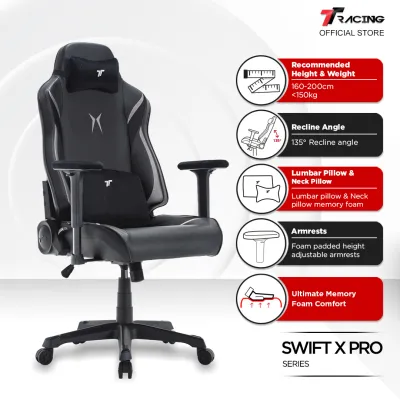
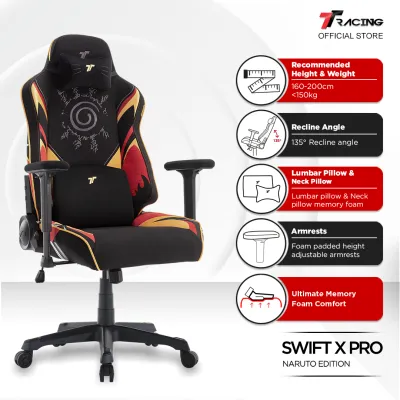
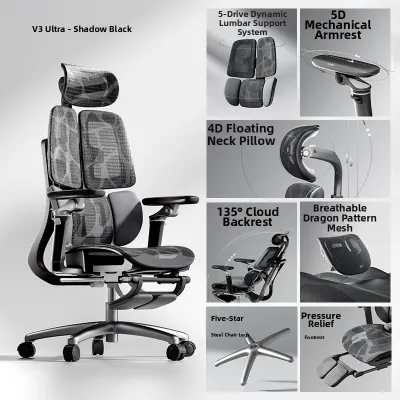
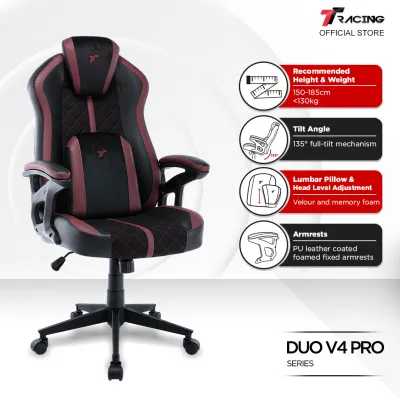
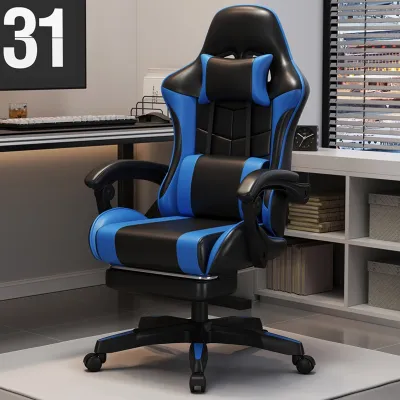
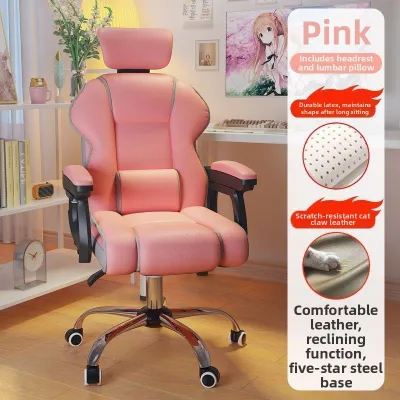
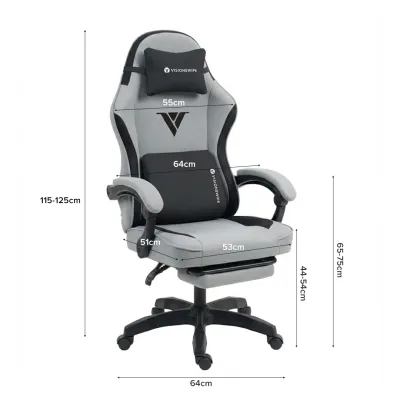
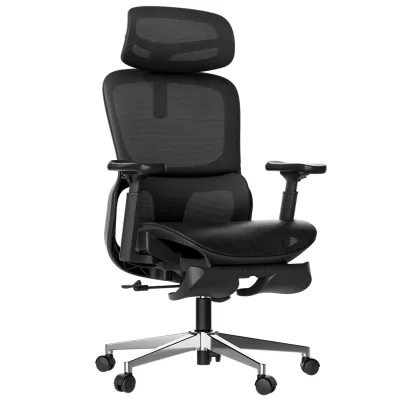
Prices are valid at publication and may change. Please refer to the product page for the latest price.
Key Comparison Dimensions for Daily WFH Comfort
To find a gaming chair that supports you through long working hours, you must look past the racing-style aesthetics and focus on objective engineering specifications. Evaluating these core dimensions will help you identify which brands offer genuine structural quality rather than just visual appeal.

Ergonomics and Adjustability
Proper ergonomics require a chair to adapt to your body, not the other way around. When comparing brands, pay close attention to how they design their lumbar support systems.
Some brands utilize external, removable memory foam pillows held in place by elastic straps. While these pillows offer basic cushioning, they often shift during use and fail to provide targeted support to the lumbar spine. More advanced brands integrate internal, adjustable lumbar mechanisms directly into the backrest. These systems allow you to customize both the depth and height of the lumbar curve using side dials, ensuring the chair matches the natural inward curve of your lower back.
Armrest adjustability is another critical factor for preventing shoulder and neck strain. Look for brands that offer 4D armrests, which adjust in four directions: height, width, depth, and angle. This level of customization allows you to position the armrests so your elbows rest at a 90-degree angle, level with your desk surface, which minimizes tension in your upper body.
Additionally, evaluate the recline and tilt mechanisms. High-quality chairs feature a multi-tilt mechanism that allows the seat pan to tilt independently of the backrest, enabling a natural rocking motion or the ability to lock the seat at a comfortable angle. Cheaper models often use a basic tilt-lock mechanism that only allows the backrest to recline, which can put unnecessary pressure on your thighs when tilted back.
Material and Climate Suitability
Singapore’s high humidity and warm temperatures present a unique challenge for furniture materials. Upholstery that performs well in temperate climates can deteriorate rapidly in tropical conditions.
Traditional PU (polyurethane) leather is popular for its sleek look and spill resistance, but it acts as a heat trap. If you work in a room without continuous air conditioning, standard PU leather can cause significant heat retention and sweating. Over time, exposure to sweat and ambient humidity triggers a chemical reaction known as hydrolysis, causing the PU leather to crack, flake, and peel.
To combat this, look for brands that offer advanced material options. Some manufacturers have developed specialized synthetic leathers with high hydrolysis resistance, designed to withstand humid environments for several years. Alternatively, fabric weaves and mesh materials offer superior breathability. High-performance fabric blends allow air to circulate freely, keeping you cool during warm afternoons. However, fabric is more susceptible to staining and sweat absorption, so you must verify if the material has been treated with a water-resistant or stain-repellent coating.
Durability and Warranty Framework
A gaming chair’s lifespan is determined by its internal components and structural foundation. You should always verify the manufacturer’s technical specifications before purchasing.
Start by checking the gas lift cylinder, which regulates the chair’s height. The industry standard for safety and durability is a Class 4 gas lift, certified by independent testing bodies like TÜV or SGS. Avoid chairs that use Class 3 or unrated cylinders, as they are more prone to gradual sinking over time.
Next, examine the wheelbase material. Premium models feature reinforced aluminum alloy bases, which offer exceptional structural integrity and weight capacity. Budget-friendly models often utilize nylon or plastic wheelbases; while high-quality reinforced nylon can be durable, cheaper plastics are prone to cracking under high stress or sudden movements.
Finally, scrutinize the warranty terms. A brand’s warranty is a direct reflection of its confidence in product durability. Look for brands that offer a comprehensive warranty of at least three to five years. It is vital to check the fine print: some warranties only cover the steel frame and mechanical parts, explicitly excluding the upholstery, armrest pads, and gas lift from long-term coverage. Ensure the brand has a dedicated local customer service presence in Singapore to avoid the hassle of shipping defective parts overseas.
Evaluating Popular Gaming Chair Brand Tiers
The Singapore market features a wide array of gaming chair brands, which can be broadly categorized into two main tiers based on price, material quality, and engineering focus.
Premium and Ergonomic-Focused Brands
Premium brands in the Singapore market typically price their chairs between S$500 and S$900. These manufacturers prioritize advanced ergonomic research, proprietary material development, and robust customer support.
Brands in this tier often collaborate with ergonomic experts or physical therapists to design their seating systems. Instead of standard cut foam, they utilize high-density, cold-cure foam. Cold-cure foam is molded under high pressure, creating a dense, supportive cushion that retains its shape and elasticity even after years of daily eight-hour use. This prevents the “bottoming out” sensation common in cheaper chairs, where the foam compresses permanently, leaving you sitting directly on the metal frame.
Furthermore, premium brands offer highly sophisticated integrated lumbar support systems that adjust dynamically as you shift your posture. They also invest heavily in material science, offering proprietary faux leathers that claim superior durability against humidity, as well as premium heavy-duty fabric weaves.
While the upfront cost of a premium chair is substantial, they often deliver the best long-term value. Their durability means you will not need to replace the chair for five or more years, and their comprehensive warranties provide peace of mind. However, you must still verify the specific specifications of individual models within a premium brand’s lineup, as entry-level or older models may lack the advanced features of their flagship counterparts.
Mid-Range and Budget-Friendly Options
Mid-range and budget brands generally price their chairs between S$200 and S$450. These brands cater to consumers who want the gaming aesthetic and standard adjustability features without a premium price tag.
Many mid-range brands offer excellent initial comfort. They frequently feature thick padding, vibrant color schemes, and standard 3D or 4D adjustability options. For users who only spend a few hours a day in their chair, or those who always work in air-conditioned environments, these options can represent a highly practical choice.
However, budget-friendly options require closer scrutiny before purchase. To maintain lower price points, manufacturers often use standard polyurethane cut foam, which can lose its resilience and sag within twelve to eighteen months of heavy use. The upholstery is also more likely to be standard PU leather, which is highly vulnerable to peeling in Singapore’s humid climate.
When considering a mid-range or budget brand, read verified user reviews specifically focusing on long-term wear and tear. Pay close attention to feedback regarding the stability of the recline mechanism and whether the chair begins to squeak or wobble after a few months. Additionally, confirm whether the brand has a physical showroom in Singapore where you can test the chair’s build quality in person before committing to a purchase.
Practical Checklist: Matching the Chair to Your Space and Body
Even the most expensive, highly rated gaming chair will perform poorly if it does not fit your physical body or your home office environment. Use this checklist to ensure your chosen chair is a perfect match.
Body Fit and Sizing
Most reputable gaming chair brands do not design their chairs as one-size-fits-all products. Instead, they offer different model sizes tailored to specific height and weight ranges.
Before buying, consult the brand’s official size chart and compare it to your measurements:
- Seat Width and Depth: The seat pan must be wide enough to accommodate your hips comfortably without pressing against the side wings. The depth of the seat pan is equally critical; when sitting fully back, there should be a gap of about two to three fingers between the edge of the seat and the back of your knees. If the seat is too deep, it will press against your knees, restricting blood circulation.
- Backrest Height: Ensure the backrest is tall enough to support your entire spine. If the chair includes a neck pillow, the pillow should align naturally with the curve of your neck rather than pushing your head forward or pressing against your shoulder blades.
- Weight Capacity: Always check the recommended and maximum weight capacities of the chair to ensure the gas lift and structural frame can support you safely over time.
Space and Desk Clearance
Gaming chairs tend to have a larger footprint than standard office chairs due to their wide wheelbases and reclining mechanisms. You must measure your study area to ensure a proper fit, especially in compact HDB or condominium rooms.
Follow these spatial measurement steps:
- Wheelbase Diameter: Measure the available floor space around your desk. Most gaming chair wheelbases have a diameter of 70cm to 75cm. Ensure there is enough clearance for the base to rotate freely without colliding with desk legs, drawers, or nearby walls.
- Armrest Height and Desk Clearance: Measure the height from the floor to the underside of your desk. Compare this to the minimum and maximum heights of the chair's armrests. Ideally, the armrests should be able to slide completely under your desk when the chair is not in use, saving valuable floor space in your room.
- Recline Clearance: If you plan to use the chair's recline function for resting, measure the distance from the back of the chair to the wall behind you. Ensure there is sufficient clearance so the headrest does not strike walls, shelves, or wardrobe doors when fully reclined.
Floor Protection and Mobility
Mobility is essential for a functional home office, but the wrong caster wheels can cause permanent damage to your flooring.
Evaluate your flooring type and choose your casters accordingly:
- Parquet and Engineered Wood: These floors scratch easily. Standard hard nylon casters will scuff the surface over time. Look for brands that offer soft polyurethane (PU) caster wheels, which glide smoothly without scratching wood.
- Vinyl and Laminate: While more durable than wood, vinyl can still suffer from friction wear and discoloration from hard wheels. Soft PU casters are highly recommended.
- Homogeneous and Ceramic Tiles: These surfaces are highly durable, but hard casters can create significant rolling noise on the grout lines. Soft casters help dampen this sound.
- Protective Mats: Regardless of your flooring, using a dedicated plastic or fabric floor mat under your gaming chair is an excellent way to prevent wear, reduce noise, and ensure smooth movement.
Purchasing Safely: Where to Buy and What to Verify
Once you have selected a brand and model, the final step is navigating the purchasing process to protect your investment and ensure you receive full warranty support.
Authorized Sales Channels
To avoid counterfeit products and ensure your warranty is valid, always purchase directly from authorized channels.
In Singapore, this includes:
- The brand's official localized website.
- Physical showrooms operated directly by the brand or their official distributors.
- Verified flagship stores on major online marketplaces and ecommerce platforms.
Avoid buying from unauthorized parallel importers or third-party sellers who offer unusually low prices. While the chair may look identical, these sellers often cannot facilitate official warranty claims, leaving you without support if a component fails.
Return and Exchange Policies
Before finalizing your order, read the seller’s return and exchange policy carefully. Sitting in a chair for five minutes in a showroom is very different from sitting in it for an eight-hour workday.
Verify the following details:
- Trial Periods: Does the brand offer a home trial period? Some premium brands allow you to test the chair at home for a limited time.
- Assembly Status: If you decide to return the chair, does the brand require it to be unassembled and packed back into its original box? Returning a fully assembled heavy chair can be incredibly difficult, and many brands charge high restocking fees or return shipping fees for assembled items.
- Defect Reporting: Check the window for reporting transit damage or manufacturing defects. Typically, you must inspect the chair and report any issues within 7 to 14 days of delivery.
Warranty Exclusions and Registration
Do not assume that a five-year warranty covers every single part of your chair under all circumstances.
Understand what is typically excluded from coverage:
- Wear and Tear: Gradual flattening of the seat foam, minor stitching frays, and cosmetic scuffs on the armrests are considered normal wear and tear and are rarely covered.
- Environmental Damage: Peeling caused by high humidity, exposure to direct sunlight, or the use of harsh chemical cleaners is often excluded. Always follow the manufacturer's care instructions, which typically recommend wiping the chair down with a damp microfibre cloth and avoiding abrasive detergents.
- Registration Requirements: Some brands require you to register your product online within a specific timeframe after purchase to activate the full warranty period. Keep your physical invoice or digital receipt in a safe place, as you will need to present it for any future claims.
Frequently Asked Questions (FAQ)
Are gaming chairs actually better than standard office chairs for working from home?
Gaming chairs and standard ergonomic office chairs are designed with different philosophies. Gaming chairs typically feature a high backrest, a bucket-seat design inspired by race cars, and a wide range of recline angles. This makes them excellent for users who want full-back support, enjoy reclining during breaks, and prefer a bold aesthetic.
In contrast, standard ergonomic office chairs often prioritize dynamic lumbar movement and highly breathable mesh backrests. While gaming chairs offer excellent static support and comfort, they can sometimes restrict shoulder movement due to their flared side wings, and standard PU leather models can trap heat. Your choice should depend on whether you prioritize deep reclining and high-back cushioning (gaming chairs) or maximum breathability and active posture correction (ergonomic office chairs).
How long should a good gaming chair last under daily WFH use?
A high-quality gaming chair subjected to daily work-from-home use should last between three to five years, and often longer with proper care. The actual lifespan depends heavily on material quality and maintenance.
Chairs constructed with high-density cold-cure foam and premium, hydrolysis-resistant synthetic leather or heavy-duty fabric will retain their comfort and appearance far longer than budget models using standard cut foam and cheap PU leather. To maximize your chair’s lifespan, keep it out of direct sunlight, wipe down the upholstery regularly to remove sweat and skin oils, and periodically tighten the structural screws to prevent frame wobble. You can generally use the length of the manufacturer’s warranty as a reliable indicator of the chair’s expected durability.
Community discussion
Share your experience or ask a question. Comments are reviewed before publication.