
Maximizing floor space is a constant priority in Singapore’s residential landscape, where the average sizes of modern HDB flats and condominiums require highly efficient spatial planning. One of the most underutilized zones in any bedroom is the void directly beneath the bed frame. Transforming this empty area into an organized storage system requires more than simply sliding random plastic tubs under the mattress. Selecting the best under-bed drawer storage involves analyzing your bed frame’s physical dimensions, understanding how Singapore’s tropical climate affects different materials, and choosing a mobility mechanism that protects your bedroom flooring. By matching the right drawer style to your specific bed clearance and organizational needs, you can unlock significant storage capacity without cluttering your living area.
How to Measure and Choose the Right Under-Bed Drawer
To ensure your under-bed storage drawers function smoothly, precise physical measurements must be taken before purchasing any container. Many homeowners make the mistake of measuring only the height from the floor to the top of the bed frame, forgetting that the side rails, center support beams, or decorative trim often hang lower than the frame itself. To find your true usable clearance height, measure from the floor to the absolute lowest point of the bed frame’s undercarriage. Additionally, measure the horizontal clearance between the bed legs, taking into account both the width (from headboard to footboard) and the depth (from the outer edge to the center support legs) to determine the maximum footprint your drawers can occupy.
Singapore’s tropical climate presents unique challenges for long-term storage due to relative humidity levels that frequently exceed 80% year-round. This high moisture level creates an environment where mold, mildew, and pests like silverfish or booklice can thrive in dark, unventilated spaces. Materials like untreated cardboard, low-grade fiberboard, or raw canvas fabrics absorb ambient moisture rapidly, leading to structural sagging, musty odors, and damaged belongings. Instead, prioritize non-porous materials such as high-density polypropylene, powder-coated steel wire, or solid wood treated with moisture-resistant polyurethane finishes. If you prefer fabric drawers, ensure they are made of synthetic fibers like polyester or nylon with a water-resistant coating, and pair them with inner structural supports that will not degrade in high humidity.
Products mentioned in this guide
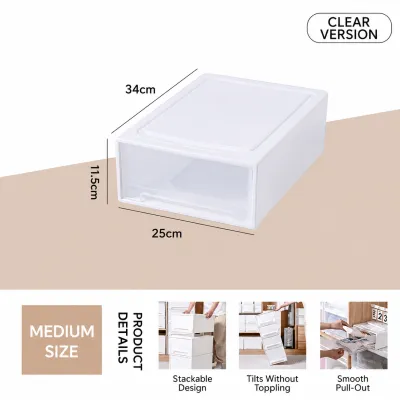
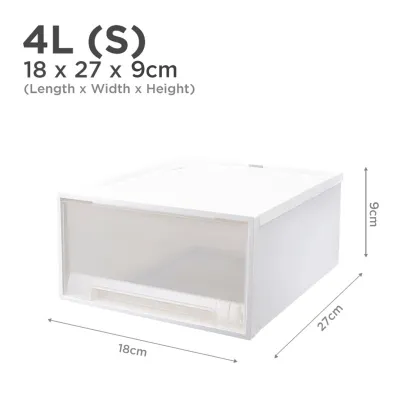
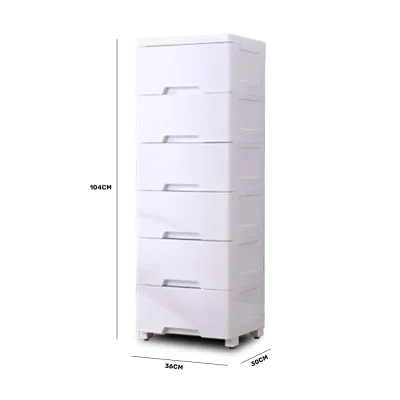
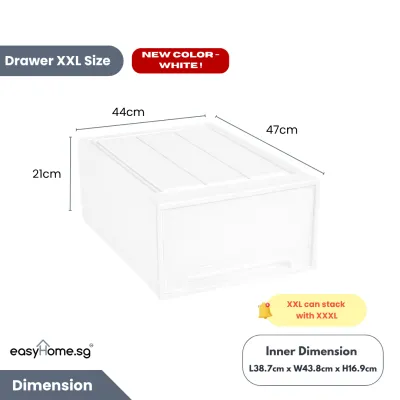
Prices are valid at publication and may change. Please refer to the product page for the latest price.
The choice between rolling casters and smooth glides depends heavily on your bedroom flooring. For hard surfaces common in Singaporean homes, such as ceramic tiles, vinyl planks, or laminate flooring, drawers equipped with soft rubber or polyurethane casters offer the smoothest movement and prevent surface scratching. If your bedroom features delicate natural hardwood parquet, choose drawers with wide, non-marking wheels or high-quality felt pads on flat glides to distribute weight evenly and avoid deep indentations. Avoid cheap, hard plastic wheels that can crack over time and scrape across your floors, leaving permanent scuff marks.
Urban dust accumulation is another critical factor to address when storing items close to the floor. Open-top drawers are highly susceptible to collecting dust, pet dinder, and hair, which requires frequent cleaning of the stored items. To keep your belongings pristine, select under-bed drawers that feature snug-fitting lids, interlocking latches, or integrated fabric dust covers with zipper closures. These protective barriers are especially important for storing textiles, spare bedding, or clothing that will remain undisturbed for months at a time.
Best Under-Bed Drawer Types for Every Bed Height and Need
Low-Profile Drawers for Platform and Low Beds
Modern Scandinavian and minimalist Japanese-style bed frames are highly popular in Singapore, but they often feature minimal floor clearance, typically ranging between 10 cm and 15 cm. Low-profile under-bed drawers are specifically engineered to slide into these restricted spaces, utilizing ultra-slim profiles to capture otherwise wasted square footage. Because of their shallow depth, these drawers have a lower overall volume capacity, making them less suitable for bulky items and far better suited for flat, organized storage. They excel at holding folded t-shirts, summer linens, flat shoes, or important paper documents kept in protective sleeves.

When purchasing low-profile drawers, the margin for error is incredibly small. A drawer that is even a few millimeters too tall will scrape against the bottom of your bed frame, causing damage to both the container and the bed. Verify the exact height of the drawer at its tallest point, which is often the handle, the lid latches, or the wheels rather than the drawer body itself. Ensure that the pull mechanism or handle is recessed or flush with the drawer face, allowing you to slide the unit in and out without any friction against the bed frame’s lower edge.
High-Capacity Drawers for Standard and High Beds
Standard bed frames and elevated wooden or metal beds offer a generous clearance of 20 cm or more, opening up opportunities for high-capacity storage. These deep drawers are designed to maximize vertical space, allowing you to store bulky, infrequently used items such as heavy winter clothing reserved for overseas travel, spare duvets, decorative pillows, or extra bath towels. Because these drawers hold a substantial volume of items, they must be structurally robust to handle the weight without warping or breaking.
To ensure long-term durability, look for high-capacity drawers made from thick, injection-molded plastic with reinforced ribbed bases, or solid wood drawers with sturdy tongue-and-groove joints. Avoid thin-walled plastic bins that bow outward when filled, as this deformation can prevent the lid from sealing properly and cause the drawer to drag on the floor. Before finalizing your purchase, review the manufacturer’s stated weight capacity and verify that the drawer’s structural design can support your intended load without sagging.
Rolling Drawers for Frequent Access and Heavy Loads
For items that you need to retrieve on a daily or weekly basis, rolling drawers equipped with dedicated wheels are the most practical choice. These drawers eliminate the physical strain of lifting or dragging heavy storage containers, allowing you to access your belongings with a gentle pull. They are highly recommended for storing children’s toys, daily footwear, active hobby gear, or extra fitness equipment that would otherwise clutter your bedroom floor or wardrobe space.
The performance of a rolling drawer depends entirely on the quality of its casters. Multi-directional, 360-degree swivel wheels provide the greatest maneuverability, allowing you to pull the drawer out and slide it sideways if your bedside clearance is tight. If your bedroom floor has a slight slope or if you want to keep the drawers perfectly aligned beneath the bed, look for models that feature locking mechanisms on the wheels. Always check that the wheels are designed to be non-marking to preserve the appearance of your vinyl, laminate, or tile flooring.
Divided and Modular Drawers for Small Accessories
Large, open-top storage bins often become disorganized quickly, turning into a jumbled mess where small items are difficult to locate. Divided and modular under-bed drawers solve this problem by incorporating built-in dividers, adjustable compartments, or multiple smaller inserts within a single drawer frame. This structured layout is ideal for organizing smaller personal accessories such as belts, socks, intimate wear, handbags, or seasonal footwear that you want to keep separated and well-preserved.
To make retrieval even more efficient, look for drawers that incorporate visibility features. Transparent or semi-transparent front panels made from acrylic or clear polypropylene allow you to identify the contents of the drawer at a glance without having to pull the entire unit out from under the bed. Some modular designs also feature clear labeling slots on the exterior face, allowing you to categorize your storage systematically and maintain a tidy, organized bedroom environment.
Quick Comparison: Matching Drawer Types to Your Bed
| Drawer Type | Ideal Bed Clearance | Best Used For | Key Feature to Verify |
|---|---|---|---|
| Low-Profile | 10 cm to 15 cm | Folded clothing, thin linens, documents, flat shoes | Recessed handles and exact wheel-to-lid height clearance |
| High-Capacity | 20 cm or more | Winter wear, spare duvets, bulky blankets, pillows | Reinforced ribbed base and manufacturer weight limits |
| Rolling | 15 cm or more | Daily shoes, children's toys, active hobby gear, fitness equipment | Non-marking 360-degree swivel wheels with optional locks |
| Divided / Modular | 12 cm or more | Socks, belts, intimate wear, handbags, small accessories | Adjustable interior dividers and transparent front panels |
How to Prep and Organize Your Under-Bed Space
Step 1: Measure Around Obstructions
Before placing any drawers under your bed, perform a thorough physical inspection of the space beneath your mattress. Many bed frames feature center support legs, horizontal crossbars, or diagonal corner braces that can severely restrict the path of a sliding drawer. Additionally, take note of baseboards along the wall, nearby bedside tables, or low-hanging power outlets that might prevent a drawer from sliding in completely flush. Plan your drawer layout around these fixed obstacles, ensuring you leave at least 2 to 3 cm of breathing room on all sides to prevent the drawers from getting wedged or stuck.
Step 2: Declutter and Compress
To maximize the efficiency of your new under-bed drawers, sort through your belongings and discard or donate items you no longer need. For the items you decide to keep, especially bulky textiles like winter coats, spare comforters, or extra pillows, utilize vacuum-seal storage bags before placing them in the drawers. Vacuum compression can reduce the volume of fabric items by up to 75%, allowing you to fit significantly more into each drawer. Furthermore, these sealed bags provide an airtight barrier that protects your textiles from Singapore’s ambient humidity, dust, and fabric-damaging pests.
Step 3: Strategic Placement
Organize your under-bed drawers based on the frequency of use and physical weight. Place heavier drawers containing items like books, heavy gear, or shoes closer to the bed legs or outer corners where the frame is structurally strongest and easiest to access. Keep items you use daily near the edge of the bed, while seasonal or archival items can be pushed further toward the center or headboard. Finally, apply clear, readable labels to the outward-facing sides of each drawer so every family member can identify the contents instantly without having to pull out and open multiple containers.
Frequently Asked Questions (FAQ)
How do I prevent mold in under-bed storage in Singapore?
To prevent mold growth in Singapore’s humid climate, ensure that every item is completely dry before placing it in storage; even a tiny amount of residual moisture from laundry or sweat can trigger fungal growth in a dark environment. Place high-capacity moisture absorbers, such as silica gel packets or calcium chloride dehumidifier boxes, inside each drawer and replace them every two to three months as they saturate. Avoid using completely airtight plastic bins for natural fibers like wool, cotton, or silk, which require some breathability; instead, use semi-breathable storage containers or air out your under-bed drawers on dry, sunny days with your air conditioner or a fan running to circulate the air.
Can I use under-bed drawers on a bed frame with a center support leg?
Yes, you can successfully use under-bed drawers on a frame with a center support leg by measuring the exact clearance on either side of the leg. Instead of purchasing one wide, full-width drawer that will collide with the center support, opt for two narrower, independent drawers that can slide in parallel on either side of the leg. Alternatively, you can use flexible, fabric-sided storage bins with integrated glides; these soft-sided containers can compress slightly to navigate around central structural supports without damaging the bed frame or the container itself.
Are wheels or glides better for under-bed drawers?
The choice between wheels and glides depends on your flooring material and the weight of your stored items. Wheels, or casters, are highly superior for hard surfaces like ceramic tiles, vinyl, or laminate, as well as for holding heavy loads, because they minimize friction and allow you to roll heavy drawers out with minimal effort. Glides or felt pads are much better suited for carpeted floors, where wheels tend to sink and get stuck, or for highly delicate natural hardwood parquet floors, where wheels can concentrate pressure and leave permanent track marks over time.
Community discussion
Share your experience or ask a question. Comments are reviewed before publication.