
Quick Answer: Which Material Survives High Humidity Best?
Singapore’s tropical climate, characterized by year-round high relative humidity and sudden monsoon downpours, presents a challenging environment for home furnishings. When selecting an umbrella stand for your entryway, your choice of material directly dictates whether the organizer remains a functional asset or becomes a rusty, mold-covered eyesore. No single material holds an absolute monopoly on durability; instead, survival in this climate depends on specific surface treatments, structural designs, and water management features.
To summarize the options: powder-coated or stainless steel metal offers the best balance of structural stability and modern aesthetics, though it remains vulnerable to oxidation if its protective finish is compromised. High-density plastic or resin provides absolute immunity to moisture and rot, making it highly practical, yet it often requires structural reinforcement to prevent tipping under the weight of wet umbrellas. Wood brings a premium, organic warmth to your home but carries the highest risk of warping, splitting, and mold unless it is crafted from specific hardwoods, treated with marine-grade sealants, and paired with an impermeable inner liner.
Understanding these material characteristics is only the first step. To find a stand that survives Singapore’s unique climate, you must evaluate how these materials perform under the daily stress of wet umbrellas and trapped moisture.
Products mentioned in this guide
![[SG] Umbrella holder/ Foldable/ Stand Bucket / Wall-Mounted Umbrella Stand Home Door Umbrella / Storage Household](https://img.lazcdn.com/g/p/43446b82d4f03d70a7546a5d4ad8b3a6.jpg_400x400q80.jpg_.webp)
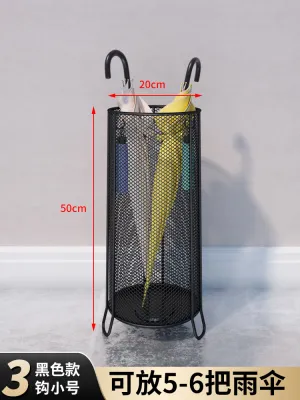
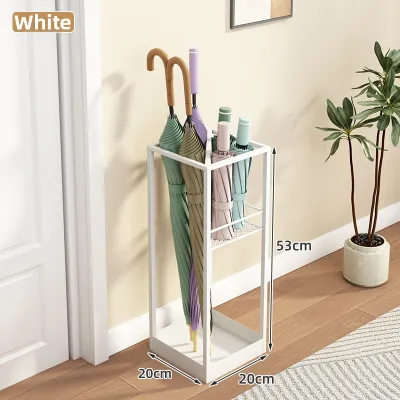
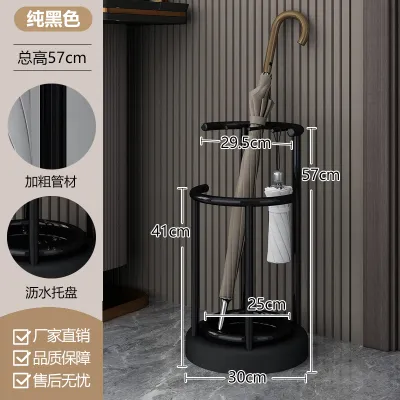
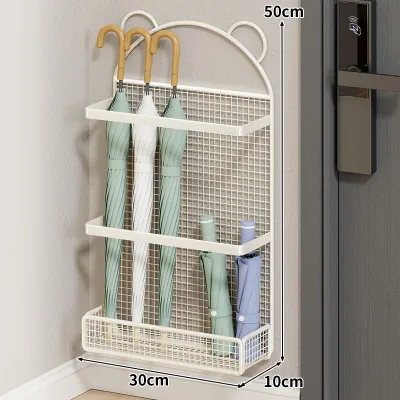
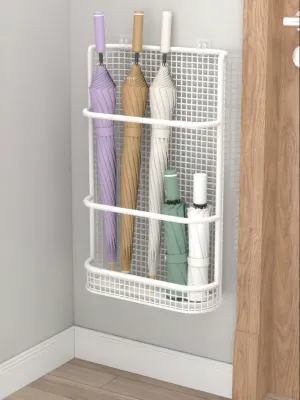
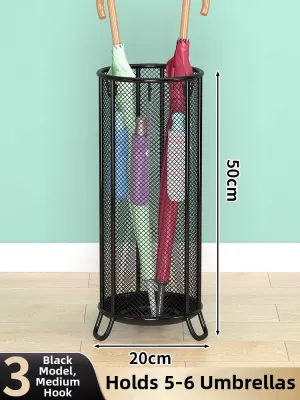
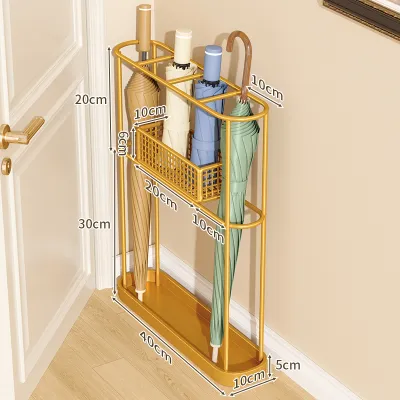
Prices are valid at publication and may change. Please refer to the product page for the latest price.
Critical Features for an Umbrella Stand in Tropical Climates
Before comparing metal, plastic, and wood directly, you must understand the functional design elements that make an umbrella stand viable in a tropical climate. A poorly designed stand, regardless of its material, will quickly fail when subjected to regular moisture.

Drainage and Water Management The primary function of an umbrella stand is to collect water, but storing that water indefinitely is a serious hazard. In Singapore, stagnant water inside an entryway accessory is a serious risk, as it creates a prime breeding ground for Aedes mosquitoes, which transmit dengue fever. To prevent this, look for stands equipped with deep, removable drip trays. A removable tray allows you to easily dump collected rainwater and wash away accumulated grime. If a stand lacks a tray, it must feature a highly accessible, easy-to-wipe base that prevents water from pooling in hidden crevices.
Stability and Tipping Risk A standard long umbrella, especially a heavy golf umbrella, has a high center of gravity. When wet, these umbrellas become top-heavy, posing a constant tipping hazard. This risk is amplified in compact apartment entryways, such as those in Housing & Development Board (HDB) flats or condominiums, where family members or guests frequently brush past the stand. To ensure stability, look for stands with a weighted base or a wide, low-profile footprint. If you prefer a lightweight material like plastic, verify whether the design includes a heavy bottom plate or allows for added ballast to keep the unit upright when loaded.
Ventilation An enclosed, solid-walled cylinder traps moisture inside, creating a microclimate of extremely high humidity that prevents wet umbrellas from drying. This prolonged dampness ruins the umbrella fabric and accelerates the degradation of the stand itself. To facilitate rapid drying, prioritize open-frame designs, geometric cutouts, or mesh walls. These features promote continuous airflow, allowing moisture to evaporate naturally and reducing the localized humidity buildup that fosters mold and rust.
Floor Protection Entryway floors in Singapore are commonly finished with porcelain tiles, polished marble, or luxury vinyl tiles (LVT). Trapped moisture beneath a heavy umbrella stand can cause permanent discoloration, mold growth on grout lines, or stubborn rust stains that are incredibly difficult to remove. Ensure the stand you choose features integrated rubber feet, silicone pads, or a raised base. These protective barriers keep the bottom of the stand slightly elevated off the floor, preventing direct contact with pooled water and protecting your flooring from scratches during movement.
Metal Umbrella Stand Selection: Rust Resistance and Structural Checks
Metal umbrella stands are highly popular due to their sleek profiles, structural rigidity, and weight, which naturally prevents tipping. However, placing wet umbrellas inside a metal container in a humid environment is a severe test of the material’s chemical stability.
Pros and Cons in Humid Conditions The primary advantage of metal is its strength. A metal stand can easily support multiple large golf umbrellas without wobbling or bending. Its heavy weight provides excellent stability, making it ideal for busy entryways. However, the overarching drawback is oxidation. When iron or carbon steel is exposed to water and oxygen, rust is inevitable. Once rust starts, it expands, bubbling the paint, weakening the structure, and leaving orange stains on your umbrellas and floors.
What to Check Before Buying To ensure a metal stand survives, you must look past the basic “metal” label and inspect the specific manufacturing details:
- Surface Treatment: Avoid stands coated in basic decorative paint, which chips easily under the impact of sharp umbrella tips. Instead, look for powder-coated finishes or electroplated coatings. Powder coating involves baking a dry powder onto the metal at high temperatures, creating a thick, flexible, and highly durable barrier that resists scratching and moisture penetration.
- Material Grade: If your budget allows, prioritize stainless steel (specifically grade 304) or aluminum. Aluminum naturally forms a protective oxide layer that prevents deep corrosion, while high-grade stainless steel contains chromium, which resists rust even when scratched. If choosing carbon steel, ensure the product description explicitly states it has been treated with an anti-rust undercoat.
- Weld and Joint Inspection: Examine the joints and welds of the stand. Poorly welded joints often have microscopic gaps or exposed, unpainted metal where moisture can settle. High-quality stands feature smooth, continuous welds that are fully sealed and coated, leaving no raw metal exposed to the air.
- Base Design: Verify that the base of the metal stand does not sit completely flat on the floor. Look for designs with raised legs or rubberized feet that create an air gap, preventing moisture from getting trapped underneath and causing rust to form on the bottom rim.
Plastic and Resin Stands: Moisture Proofing and Stability
For homeowners seeking a low-maintenance, worry-free solution, plastic and synthetic resin umbrella stands offer a highly practical alternative to traditional materials.
Pros and Cons in Humid Conditions The greatest strength of plastic is its absolute immunity to water damage. It cannot rust, rot, warp, or support mold growth, making it an incredibly resilient option for holding soaking-wet umbrellas. It is also exceptionally easy to clean; a quick rinse or wipe-down is usually all that is required. The main drawbacks are structural and aesthetic. Cheap, lightweight plastic stands are highly prone to tipping over when holding heavy umbrellas. Over time, low-grade plastics can also become brittle and fade, especially if exposed to sunlight.
What to Check Before Buying To find a plastic stand that is both durable and functional, verify the following specifications:
- Material Quality: Look for stands made from high-density polyethylene (HDPE), polypropylene (PP), or UV-stabilized engineered resins. These materials offer superior impact resistance and will not degrade, crack, or discolor when placed near a sunlit window, balcony door, or open HDB corridor.
- Weight and Stability: Because plastic is inherently light, you must check how the manufacturer addresses stability. Look for designs that feature a heavily weighted base plate (often made of encased metal or concrete) or a double-walled construction that provides structural rigidity. Some models allow you to fill a bottom compartment with water or sand to act as ballast.
- Cleaning and Mold: While plastic does not rot, its surface can still harbor mold and mildew if left damp in a dark corner. Avoid stands with intricate, deep textures on the interior, as these crevices trap dirt and are difficult to clean. Opt for smooth, non-porous interior walls that can be wiped clean in a single motion.
Wooden Umbrella Stands: Aesthetics vs. Water Damage Risks
Wooden umbrella stands are highly sought after for their warm, organic aesthetic, which complements Scandinavian, Japandi, or traditional interior design styles. However, wood is naturally porous, making it the most vulnerable material in a high-humidity environment.
Pros and Cons in Humid Conditions The primary appeal of wood is its premium visual character and tactile warmth, which metal and plastic cannot replicate. However, when wood absorbs moisture from wet umbrellas and ambient humidity, it expands. As it dries, it contracts. This constant cycle of swelling and shrinking leads to warping, splitting, and joint failure. Furthermore, damp wood in a warm, unventilated entryway provides the perfect environment for mold and mildew, which can ruin the wood’s appearance and release unpleasant odors.
What to Check Before Buying If you are committed to the aesthetic of a wooden stand, you must be highly selective about its construction and materials:
- Wood Type and Treatment: Absolutely avoid medium-density fibreboard (MDF), particleboard, or cheap plywood. These engineered woods use adhesives that dissolve in water, causing the material to swell and disintegrate rapidly. Instead, choose solid, naturally water-resistant hardwoods such as teak, or highly dense, treated bamboo. Teak contains natural oils that repel water and pests, making it the premier choice for humid climates. Ensure the manufacturer specifies that the wood has been treated with a water-resistant sealant, polyurethane varnish, or marine-grade oil.
- Waterproof Liners: A wooden stand must never come into direct contact with wet umbrellas. Verify that the stand includes a removable, leak-proof inner liner made of plastic or rust-resistant metal. This liner acts as a protective barrier, catching all dripping water and keeping the wooden exterior completely dry.
- Joinery and Hardware: Inspect the hardware used to assemble the stand. Cheap iron or steel screws will quickly rust in a humid entryway, leaving unsightly black or orange stains that bleed into the wood grain. Ensure all screws, brackets, and structural hardware are made of stainless steel, solid brass, or bronze.
Quick Comparison: Metal vs. Plastic vs. Wood
To help you synthesize these material characteristics, the following table compares metal, plastic, and wood across the most critical decision factors for a humid climate.
| Material | Moisture & Rust Resistance | Maintenance Level | Stability / Weight | Best Entryway Scenario |
|---|---|---|---|---|
| Metal | Moderate (High if powder-coated or stainless steel) | Low to Moderate (Requires occasional dry wiping) | High (Heavy base resists tipping) | High-traffic entryways; homes with multiple large/golf umbrellas |
| Plastic / Resin | Excellent (100% rust and rot proof) | Very Low (Occasional rinse or wipe) | Low to Moderate (Requires weighted base or ballast) | Compact apartments; damp or semi-outdoor corridors; budget-conscious homes |
| Wood | Low (Vulnerable to warping and mold) | High (Requires regular drying and sealant maintenance) | Moderate to High (Solid wood provides decent stability) | Well-ventilated indoor foyers; Japandi or minimalist interiors; low-moisture zones |
This table represents general material profiles. Individual product performance will vary based on specific design features, such as the quality of the protective coating, the presence of a drip tray, and the inclusion of a waterproof inner liner. Always verify these features on the product label or manufacturer listing before making a purchase. Broadly speaking, budget-friendly models under S$30 are often plastic, mid-range options from S$30 to S$80 are typically coated steel, and premium designs exceeding S$100 feature high-grade stainless steel or treated solid hardwoods.
Final Decision Framework: Which Stand Fits Your Entryway?
Choosing the right umbrella stand requires balancing your aesthetic preferences with the physical realities of your home’s entryway. Use this condition-based framework to guide your purchase:
Choose Metal if:
- You have a busy household that frequently uses large, heavy umbrellas.
- Your entryway is indoors or well-protected from direct rain.
- You can verify the product features a high-quality powder-coated finish, stainless steel construction, and raised feet to protect your floors.
Choose Plastic/Resin if:
- Your stand will be placed in a semi-outdoor area, such as an open HDB corridor or a balcony.
- You want a completely hassle-free, low-maintenance organizer that will never rust or rot.
- You verify that the lightweight stand features a weighted base or a wide, stable footprint to prevent tipping.
Choose Wood if:
- Matching your home's warm, organic interior design is your highest priority.
- Your entryway is indoors, spacious, and well-ventilated to assist with natural drying.
- You verify the stand is made of solid hardwood (like teak) or treated bamboo, includes a removable waterproof inner liner, and uses rust-proof brass or stainless steel hardware.
Verify first if:
- The product listing lacks explicit details about drainage, coatings, or liners. Do not assume a metal stand is rust-proof or a wooden stand is water-resistant based on its appearance alone. If the manufacturer does not clearly state these specifications, seek a different product or contact the seller for clarification.
Daily Maintenance to Prevent Mold and Rust
Regardless of the material you choose, implementing a simple, regular maintenance routine will significantly extend the lifespan of your umbrella stand and keep your entryway clean and hygienic in Singapore’s humid climate.
Emptying Drip Trays Make it a habit to empty and rinse the removable drip tray at least once a week, or immediately after a heavy storm. Allowing water to sit in the tray for extended periods creates a breeding ground for mosquitoes and allows bacteria to grow, leading to unpleasant odors.
Drying and Ventilation After a rainy day, do not leave wet umbrellas bunched up inside the stand indefinitely. Take the umbrellas out to dry completely before storing them away. Occasionally move the empty stand to a well-ventilated area—such as near an open window or fan—and wipe the interior dry with a clean cloth to prevent localized humidity from lingering.
Surface Care Clean the surfaces of your stand using a mild dish soap solution and a soft microfiber cloth. Avoid using harsh chemical cleaners, bleach, or abrasive scrubbing pads, as these can scratch powder coatings, strip protective wood sealants, or dull the finish of plastic resins.
Inspection Every few months, conduct a quick visual inspection of your stand. Look for early signs of rust spots on metal joints, peeling or cracking sealants on wood, or mold buildup in plastic crevices. Catching these issues early allows you to wipe away mold, apply a touch-up sealant, or dry out a damp spot before structural damage occurs.
Community discussion
Share your experience or ask a question. Comments are reviewed before publication.