
In Singapore’s tropical climate, where sudden downpours and high relative humidity are daily realities, an entryway can quickly become a waterlogged hazard. Selecting the right umbrella holder is not merely a matter of aesthetic coordination; it is a critical decision for protecting your home’s flooring and maintaining indoor hygiene. The ideal stand must withstand constant exposure to wet items while resisting the corrosive effects of a humid environment.
To find a holder that holds up best under these conditions, you must look beyond brand names and focus on specific material grades, protective surface treatments, and robust water-containment features. Highly durable options combine marine-grade or powder-coated metals, dense resins, or vacuum-sealed natural woods with deep, easily accessible drip trays. Understanding these technical details ensures your entryway stays dry, clean, and free from structural damage.
How High Humidity and Frequent Rain Affect Umbrella Stands
Singapore experiences significant rainfall throughout the year, punctuated by the intense Northeast and Southwest monsoon seasons. During these periods, wet umbrellas are repeatedly brought indoors, introducing substantial volumes of liquid water directly into your living space. Without a dedicated containment system, this moisture spreads across entryway floors, creating safety hazards and long-term structural issues.
Products mentioned in this guide
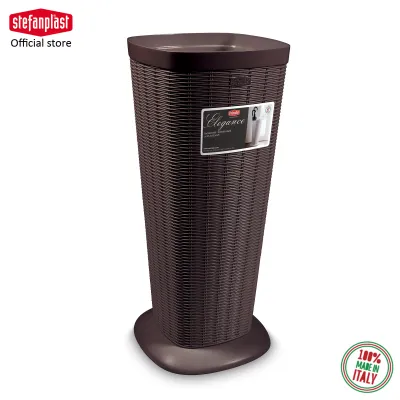
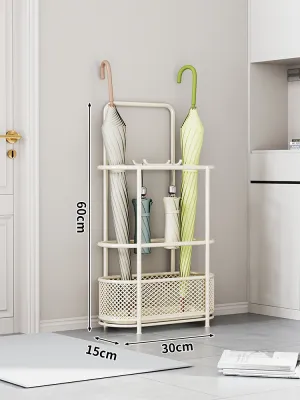
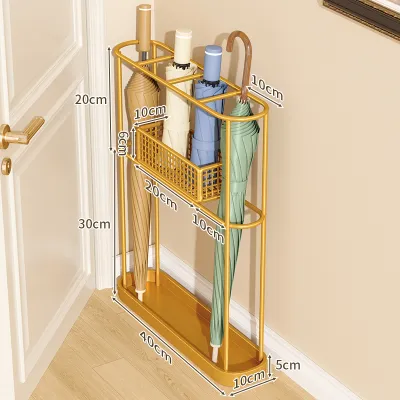
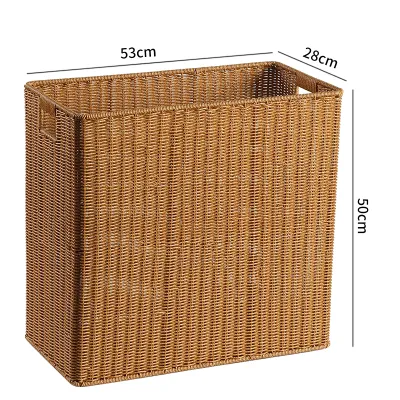
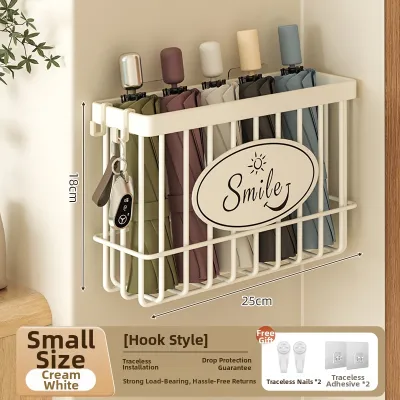
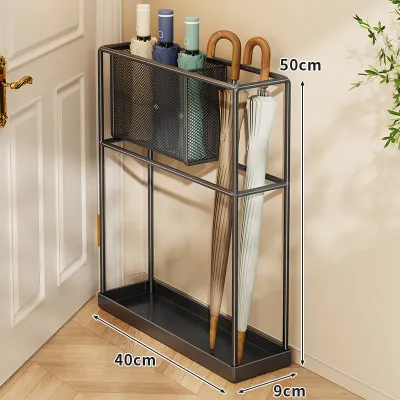
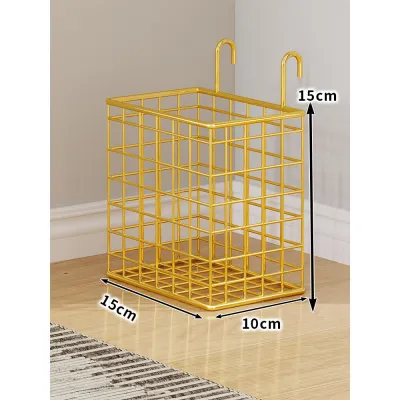
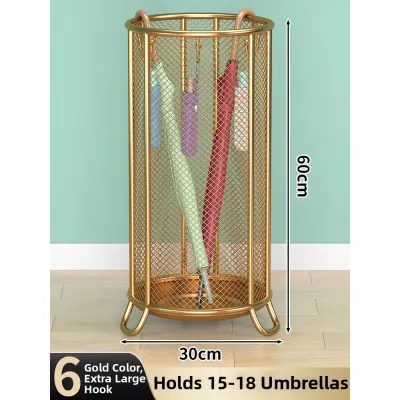
Prices are valid at publication and may change. Please refer to the product page for the latest price.
The challenge is compounded by Singapore’s high ambient humidity, which frequently averages above 80% year-round. This high moisture level in the air severely retards the natural evaporation process. Consequently, both the wet umbrellas and the holder itself remain damp for extended periods, creating a microclimate that accelerates material degradation.
Stagnant water pooled at the base of a stand is the primary catalyst for several household problems. For metal stands, prolonged contact with water triggers oxidation, leading to unsightly rust that can permanently stain tiles or grout. For porous materials like wood or fabric-lined holders, the continuous dampness promotes rapid mold and mildew growth, which releases musty odors and compromises indoor air quality.
Furthermore, water overflowing or seeping from an inadequate stand poses a severe threat to sensitive flooring materials. Hardwood parquet, laminate, and engineered wood flooring are highly susceptible to moisture absorption, which causes warping, buckling, and joint separation. Even polished marble or natural stone tiles can suffer from etching or discoloration when subjected to standing water over time. Investing in a high-quality holder is therefore a protective measure for your property’s long-term value.
Evaluating Rust-Resistant Materials for an Entryway Umbrella Holder
When browsing online marketplaces or local furniture showrooms, you will encounter numerous products labeled simply as “metal” or “stainless steel.” It is vital to recognize that these generic terms do not guarantee rust resistance in a tropical climate. To ensure longevity, you must verify the specific grade of metal and the exact type of protective finish applied during manufacturing.

If you prefer a metallic aesthetic, prioritize stands made from 304-grade stainless steel. This alloy contains higher levels of chromium and nickel, providing superior resistance to corrosion compared to cheaper 201-grade steel, which is prone to pitting when exposed to moisture. If the manufacturer does not explicitly state the steel grade, treat the product as standard indoor-grade metal that requires extra precautions.
For painted or colored metal stands, look for electrostatic powder-coated or epoxy-coated finishes. Powder coating involves applying a dry powder that is cured under heat to form a hard, continuous protective barrier. This finish is significantly more durable than standard liquid paint, resisting scratches, chips, and moisture penetration. Ensure the coating is uniform, particularly around the interior base where water collects.
Alternative materials like high-density plastics, synthetic resins, and heavy-duty polycarbonates offer absolute immunity to rust. These materials are highly practical for wet environments, though you should verify their structural rigidity and weight. Lightweight plastic stands can easily tip over when loaded with multiple large golf umbrellas, so look for designs with weighted bases or wider footprints.
Treated bamboo and water-resistant composites can also serve as stylish, natural alternatives. However, you must check the product specifications to confirm the material has been treated with a marine-grade varnish or UV-stable polyurethane sealant. Unsealed bamboo or wood will quickly absorb ambient humidity, swell, and split.
Before purchasing, perform a close physical or visual inspection of the holder’s construction. Pay close attention to connection points, welded joints, and hidden internal crevices. In poorly manufactured stands, these joints are often left uncoated or have thin paint coverage, allowing water to pool and initiate rust from the inside out. Seamlessly welded or molded designs are inherently more reliable.
Drip Trays and Drainage Designs for Floor Protection
An umbrella holder’s primary defense against floor damage is its water management system. The most common and effective design is the removable drip tray, which sits at the bottom of the frame to catch runoff. This tray should be constructed from a non-corrosive material, such as high-impact plastic or silicone, allowing you to lift it out, empty the accumulated water, and clean it without moving the entire stand.
Some modern stands feature built-in sloped bases with integrated drainage channels. These designs direct water toward a central collection point or a small spout, making it easier to wipe dry. Another emerging option is the use of integrated absorbent mats, often made of natural diatomaceous earth. These mats absorb moisture rapidly and dry quickly through transpiration, though they require periodic sun-drying to maintain their efficacy.
When evaluating a drip tray, consider its physical capacity and depth. A tray that is too shallow (less than 1.5 centimeters deep) can easily overflow after a heavy downpour, especially if multiple family members or guests place large, saturated umbrellas in the holder simultaneously. The tray must also be easy to slide out; a tight-fitting tray that requires force to remove increases the risk of spilling dirty water onto your clean floor.
The design of the stand’s base is equally critical for protecting your flooring from physical wear. Look for holders equipped with non-slip, non-scratching pads made of silicone, rubber, or dense felt. These pads prevent the stand from sliding when heavy umbrellas are inserted, and they protect delicate surfaces like parquet, laminate, or polished ceramic tiles from scratches caused by metal or hard plastic edges.
To choose the right size, match the holder’s water capacity to your household’s typical usage. A small, minimalist stand with a tiny drip tray may suffice for a single professional using compact folding umbrellas. However, a multi-person household or a home that frequently hosts guests will require a heavy-duty stand with a deep, high-capacity reservoir capable of holding several liters of runoff without risk of spilling over.
Space-Saving Coat Racks with Integrated Umbrella Holders
In many Singapore apartments, such as HDB flats and condominiums, entryway space is highly constrained. Multi-functional furniture, such as a coat rack with an integrated umbrella holder, offers an excellent way to maximize vertical space and centralize your outdoor gear. These combination units keep wet weather gear, bags, and outerwear organized in a single, compact footprint.
However, combining these functions introduces specific physical challenges, primarily regarding stability and center of gravity. A standard coat rack is naturally top-heavy when loaded with coats, jackets, or heavy bags. Adding wet, water-heavy umbrellas to the base can stabilize the unit if the base is sufficiently heavy, but an unevenly distributed load can easily cause the entire rack to tip over.
To ensure safety, carefully evaluate the base dimensions and weight. Look for units with wide, heavy cast-iron or weighted resin bases that provide a low center of gravity. For taller coat racks, check if the manufacturer provides wall-anchoring hardware. Anchoring the top of the rack to your entryway wall is highly recommended, especially in households with active pets or young children who might pull on hanging items.
Another critical design consideration is spatial separation. A poorly designed combination rack may place the hanging hooks directly above the umbrella compartment, or fail to provide adequate distance between them. This can result in wet umbrellas splashing moisture onto dry coats, or damp outerwear dripping water onto stored umbrellas, creating a continuous cycle of dampness. Look for designs that offset the hanging pegs from the wet storage zone.
Before making a purchase, verify the maximum weight capacity specified by the manufacturer. This specification should be divided into two categories: the weight limit per hanging hook (typically around 2 to 5 kilograms) and the overall load capacity of the frame. Ensure the materials used in the vertical shaft—such as heavy-gauge steel or solid, sealed hardwood—are robust enough to handle these loads without bending or wobbling over time.
Routine Maintenance to Prevent Mold and Corrosion
Even the most durable, high-end umbrella holder requires regular maintenance to withstand Singapore’s challenging climate. Implementing a simple, consistent care routine will significantly extend the lifespan of your entryway furniture and keep your home smelling fresh.
Establish a weekly routine to empty the drip tray, especially after heavy rain. Do not allow stagnant water to sit in the tray for more than a few days, as this creates a breeding ground for mosquitoes and bacteria. After emptying the tray, wipe down the entire holder—including all metal joints, screws, and the underside of the base—with a dry microfiber cloth to remove residual moisture and salt deposits carried by rainwater.
Adequate airflow is essential for preventing localized humidity buildup. Position your umbrella holder in an area of the entryway that receives natural ventilation, such as near a screen door or under a ceiling fan path. Avoid tucking the stand into tight, unventilated closets or behind heavy curtains, as these stagnant pockets trap moisture, leading to mold growth on both the stand and the adjacent walls.
When cleaning the holder, always consult the manufacturer’s care instructions first. Avoid using harsh chemical cleaners, bleach, descalers, or abrasive scrubbing pads, particularly on powder-coated, painted, or varnished surfaces. These aggressive agents can strip away the protective sealant or create micro-scratches in the paint, exposing the underlying metal to moisture and accelerating rust. Instead, use a mild dish soap diluted in warm water.
Finally, perform a brief visual inspection of your holder every few months. Check the rubber or silicone feet on the base to ensure they are still intact and have not degraded or accumulated abrasive grit. Inspect welded joints and screws for any early signs of orange discoloration. Addressing minor rust spots early with a touch-up of rust-inhibiting paint can prevent widespread structural failure.
Frequently Asked Questions (FAQ)
Can I use a wooden umbrella stand in a humid climate?
Yes, solid wood or bamboo umbrella stands can be used in humid climates, provided they have been specifically treated for moisture resistance. Look for products that feature marine-grade varnishes, polyurethane sealants, or water-resistant oil finishes. It is crucial to verify that the stand includes a plastic or silicone drip tray to prevent wet umbrellas from coming into direct, prolonged contact with the wood base, which can lead to warping, splitting, and mold.
How do I clean a removable drip tray without scratching it?
To clean a removable drip tray safely, use a solution of mild dish soap and warm water applied with a soft sponge or microfiber cloth. Gently wipe away any dirt, dust, or mineral deposits left by evaporating rainwater. Avoid using abrasive scrubbing sponges, steel wool, or harsh chemical descalers, as these can scratch plastic surfaces or strip protective coatings from metal trays, making them more vulnerable to staining and corrosion in the future.
Community discussion
Share your experience or ask a question. Comments are reviewed before publication.