
Living in a compact HDB flat or condominium in Singapore requires a strategic approach to interior design, where every square meter must be optimized for daily utility. As dining areas increasingly merge with living rooms and home offices, traditional, bulky dining sets can quickly overwhelm a floor plan, restricting movement and making the home feel cramped. The solution lies in choosing a versatile, high-quality stackable chair setup that balances daily comfort with space-saving flexibility. By selecting the right designs, homeowners can comfortably host gatherings without sacrificing their everyday living space.
Why Stackable Seating Maximizes Small HDB and Condo Layouts
Singapore’s modern residential landscape is characterized by highly efficient, compact layouts. In standard three-room or four-room BTO flats, as well as modern executive condominiums, the dining zone is rarely a dedicated, isolated room. Instead, it is usually a transitional zone positioned directly between the kitchen entryway and the living room sofa. When permanent, heavy dining chairs occupy this high-traffic thoroughfare, they create physical and visual blockages that disrupt the flow of the home. Stackable seating resolves this issue by introducing temporary, on-demand capacity that can be easily scaled up or down depending on the occasion.
The primary benefit of a stackable chair is its ability to transition between active seating and compact storage. On a typical weekday, a household of two or three might only require two chairs at the dining table, leaving the rest of the space open for easy movement, play, or home workouts. When hosting extended family for Sunday dinner or friends for a weekend gathering, additional hidden chairs can be brought out and set up in minutes. This dual-purpose functionality ensures that your home remains highly functional for daily routines while remaining fully prepared for hospitality.
Products mentioned in this guide
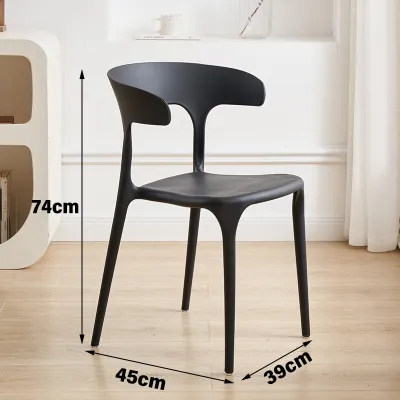
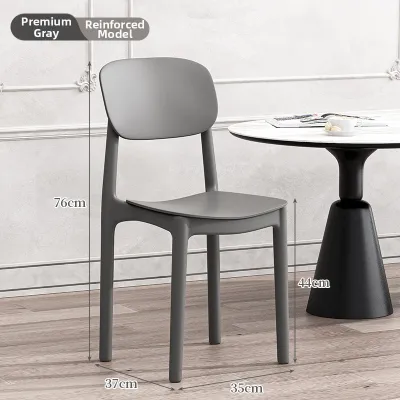
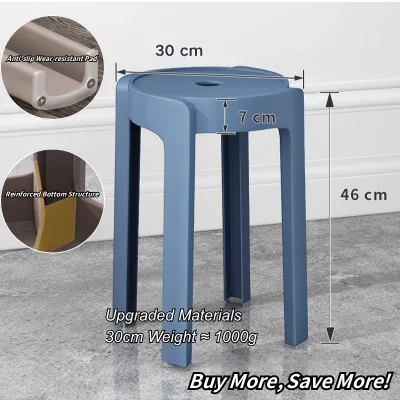
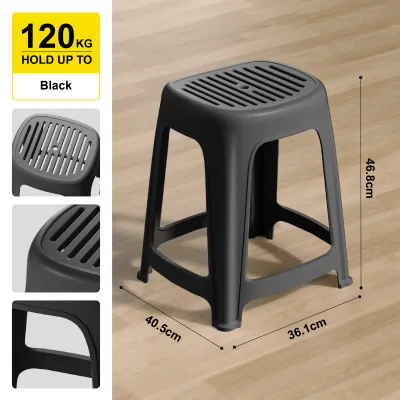
Prices are valid at publication and may change. Please refer to the product page for the latest price.
Furthermore, stackable chairs are engineered with visual lightness in mind. Unlike traditional upholstered armchairs with solid backs and wide bases, stackable designs often feature slender legs, open backrests, and tapered silhouettes that allow light to pass through. This design language is critical in small spaces, as it preserves sightlines across the room, making a compact dining area feel significantly more spacious and airy. By minimizing visual clutter, these chairs help create a serene, organized environment that belies the actual square footage of the apartment.
4 Key Dimensions to Evaluate Before Buying Stackable Chairs
To ensure your stackable chairs are a practical addition rather than a storage headache, you must evaluate several physical and structural dimensions before making a purchase.

- Stacking Footprint and Height: When chairs are stacked, they do not simply nest perfectly within the footprint of a single chair. Due to the angle of the legs and the thickness of the seats, each additional chair added to the stack typically shifts the center of gravity forward and increases the overall width and depth of the stack. You must measure the maximum footprint of a fully stacked set (usually four to six chairs) to ensure it fits comfortably within your designated storage corner, household shelter, or under a console table. Additionally, calculate the vertical height of the stack to ensure it does not block wall-mounted fixtures, light switches, or air conditioning units.
- Individual Chair Weight and Maneuverability: Because stackable chairs are designed to be moved, lifted, and rearranged frequently, their individual weight is a critical factor in daily usability. A chair that is too heavy becomes a chore to stack, increasing the risk of accidental drops, wall dents, or physical strain. Conversely, a chair that is too light may lack structural stability when sat upon. Look for a balanced weight profile—typically between 3 to 5 kilograms—that allows for easy single-handed lifting while maintaining a solid, grounded feel when placed on the floor.
- Seat Depth and Backrest Profile: The space-saving utility of a dining chair is largely determined by how well it tucks under your dining table when not in use. Chairs with deep seats or highly angled, reclined backrests often protrude significantly into surrounding walkways, even when pushed in as far as possible. For small Singapore dining alcoves, prioritize chairs with a shallower seat depth and a relatively vertical backrest profile. This ensures the chairs can be tucked flush against the table edge, reclaiming valuable centimeters of walkway space in tight corridors.
- Structural Joints and Glides: The physical act of stacking and unstacking subjects chairs to unique wear and tear. Metal-on-metal or wood-on-wood contact can quickly lead to chipped paint, scratched finishes, and structural weakening at the joint connections. Examine the quality of the frame joints—such as weld seamlessness in metal frames or mortise-and-tenon precision in wooden options. Crucially, verify the presence of integrated stacking glides or protective rubber bumpers underneath the seat shell. These small components prevent direct contact between the stacked frames, preserving the aesthetic integrity of your chairs over years of frequent use.
Common Stackable Chair Designs and Their Space Trade-offs
Different materials and construction methods offer distinct advantages and drawbacks. Understanding these trade-offs will help you select a design that aligns with your lifestyle and interior aesthetic.
Slim-Profile Metal and Wood Frames
Slim-profile frames, often utilizing tubular steel or molded plywood, are celebrated for their minimalist aesthetic and exceptionally tight stacking tolerances. Classic designs, such as bentwood chairs or steel-framed industrial models, can often be stacked five to eight units high without occupying more floor space than a single chair. The strength of metal frames allows for incredibly thin legs, which maximizes visual openness around the dining table.
However, these materials require careful inspection of their protective elements. Metal frames must feature high-quality powder coating or chrome plating to resist the humid Singapore climate, which can otherwise trigger rust at joint connections. Wood frames, while warm and tactile, must be checked for lacquer durability to prevent splintering or wear at contact points during stacking. Additionally, ensure that all leg tips are fitted with durable nylon or felt glides to prevent scratching your vinyl, laminate, or marble flooring when sliding the chairs.
Molded Polypropylene and Resin Shells
Molded polypropylene and resin chairs represent the pinnacle of modern, low-maintenance dining furniture. Produced as single-piece injections or with minimal joint connections, these chairs are highly durable, lightweight, and completely impervious to spills, stains, and Singapore’s high humidity. This makes them an exceptional choice for busy households with young children or pets, as well as homes where dining chairs occasionally double as balcony or outdoor seating.
The primary trade-off with molded plastic shells lies in their ergonomic profile and thermal comfort. Solid plastic backrests do not breathe, which can lead to discomfort during long, un-airconditioned dinners in warm weather. To mitigate this, look for molded designs that feature perforated backrests or open-weave patterns that promote airflow. Additionally, while these chairs are highly stable, their rigid material lacks the natural flex of wood or the soft cushion of upholstery, meaning you may need to add removable seat pads for extended sitting sessions.
Upholstered Stackable Chairs
Upholstered stackable chairs offer the luxurious comfort and sophisticated aesthetic of traditional dining seating while retaining the ability to stack when necessary. These designs are ideal for homeowners who prioritize long, leisurely dinner parties or frequently use their dining table as a secondary workspace. The padded seat and backrest provide superior pressure relief and support compared to wood or plastic alternatives.
The trade-off, however, is a significantly larger stacking footprint. The thickness of the padded seats means that each stacked chair sits higher than its non-upholstered counterparts, reducing the total number of chairs you can safely stack in a single column (typically limited to three or four). Furthermore, the tropical humidity of Singapore requires careful selection of upholstery fabrics. Prioritize breathable, stain-resistant, and moisture-wicking textiles, such as high-performance polyesters or treated synthetic blends. You must also verify that the internal foam is of high density, ensuring it recovers its shape quickly and does not sustain permanent compression marks from the weight of the chairs stacked above it.
How to Measure Your Dining Area for Stacking and Storage
Before purchasing any stackable chair, taking precise measurements of your dining space and storage zones is essential to avoid spatial conflicts.
Calculating Table Clearance and Tuck-in Space
To ensure your new chairs can be stored neatly under your dining table, start by measuring the clear height from the floor to the underside of the table top. Pay close attention to the table apron—the wooden or metal structural beam that runs directly beneath the tabletop—as this is often several centimeters lower than the surface itself. Your chair’s seat height must allow for at least 25 to 30 centimeters of clearance between the top of the seat cushion and the bottom of the apron to accommodate the user’s thighs comfortably.
Next, measure the distance between the table legs to determine how many chairs can fit side-by-side. If you are considering chairs with armrests or flared, splayed legs, check whether these wider elements will clear the table legs when pushed in. A chair that cannot tuck in fully will permanently block surrounding walkways, reducing the usable floor space in your dining room even when no one is sitting down.
Defining the Stacking Storage Zone
Equally important is planning where the chairs will reside when they are stacked and out of service. Identify a dedicated stacking zone within your apartment—common locations include a corner of the dining room, an alcove, a space behind a storage cabinet, or inside the household shelter. Measure the exact width, depth, and height of this designated area.
When calculating the required space, do not rely solely on the dimensions of a single chair. As chairs stack, the legs often splay outward to accommodate the frame of the chair below, meaning the bottom of the stack will have a wider footprint than an individual chair. Allow for a margin of at least 5 to 10 centimeters of extra clearance around the base of the stack to prevent the legs from scraping against walls, baseboards, or nearby furniture. Finally, ensure the height of the stack does not obstruct access to electrical outlets, light switches, or wall decor.
In-Store and Online Verification Checklist for Local Buyers
Whether you are shopping at a local design showroom, a furniture mall, or browsing an online marketplace, use this practical checklist to verify the quality and suitability of your chosen stackable chairs.
- In-Person Testing: If visiting a physical showroom, do not hesitate to stack and unstack the chairs yourself. Check how smoothly they nest together and listen for any scraping or grinding sounds that indicate poor alignment or inadequate protective buffering. Once stacked, gently push the top of the stack to test its stability; a high-quality stackable chair set should feel solid and secure, without excessive wobble or a tendency to tip.
- Weight Capacity and Warranties: Always review the manufacturer's official specifications for weight capacity and structural warranties. Because stackable chairs are frequently moved and subjected to dynamic forces during stacking, their joints experience higher stress than static chairs. Look for chairs certified for residential or light commercial use, which typically carry a weight rating of at least 110 to 120 kilograms. A reputable brand should offer a clear structural warranty of at least one to two years covering frame integrity and joint welds.
- Delivery and Access Constraints: Before finalizing your purchase, confirm the delivery logistics with the retailer. If the chairs are delivered pre-assembled in stacks, verify that the dimensions of the stack can easily clear your condominium or HDB service lift doors and interior corridors. In Singapore, some older estates have narrower lift entrances or require stair carrying for units not directly serviced by a lift. Confirm whether the delivery team charges additional fees for stair access or assembly, and ensure your home's entryway is clear of obstacles on delivery day.
Frequently Asked Questions (FAQ)
How many stackable chairs can I safely stack at home?
For residential environments, it is generally safest to limit your stack to four or five chairs. While commercial-grade chairs can often be stacked much higher in warehouses, home environments present different safety risks, such as uneven flooring, active pets, or young children who might accidentally pull the stack over. Restricting the stack height keeps the center of gravity low, ensures the stack remains stable, and makes it physically manageable for a single person to lift and unstack the chairs safely without risking injury or damage to the surrounding walls.
Do stackable chairs scratch each other, and how can I prevent it?
Yes, frequent stacking can cause friction scratches, paint chips, or scuffs where the frames contact one another. To prevent this, ensure the chairs you purchase have built-in protective features, such as rubber stacking bumpers under the seat or plastic leg sleeves. If your chairs lack these built-in guards, you can easily apply aftermarket solutions. Placing small, clear adhesive silicone bumpers on the contact points or wrapping high-friction areas of the frame with clear protective tape will safeguard the finish without compromising the chair’s aesthetic.
Are stackable dining chairs comfortable enough for long meals?
Modern stackable dining chairs can be exceptionally comfortable if you select designs with proper ergonomic support. Look for molded chairs that feature contoured seats and flexible, supportive backrests that mimic the natural curve of the spine. If you prefer minimalist wood or metal frames, you can significantly enhance comfort by pairing them with removable, non-slip seat cushions. This approach gives you the best of both worlds: slim, easily stackable chairs for storage, and plush, comfortable seating that keeps your guests relaxed throughout long dinner parties and holiday gatherings.
Community discussion
Share your experience or ask a question. Comments are reviewed before publication.