
The best small sofa beds for compact Singapore homes must balance strict spatial limits with reliable dual-purpose utility. In space-constrained layouts like HDB flats, BTO units, and condominiums, maximizing every square meter is essential. A highly functional small side safa bed (a common search for compact side-room sleeper couches) serves as comfortable daytime seating in study rooms or living room alcoves and transitions into a guest bed at night.
Selecting the right model requires a clear understanding of dimensions, mechanism durability, mattress support, and layout planning. Because Singapore’s humid climate can affect fabric and frame longevity, choosing materials suited to the local environment is just as critical as finding the right fit. By evaluating these factors systematically, you can find a multi-functional piece that enhances both the comfort and usability of your home.
How to Choose the Right Small Sofa Bed for Tight Spaces
To find a sofa bed that fits seamlessly into a compact room, you must evaluate its dimensions in both its folded and fully deployed states. Start by measuring the available wall space where the sofa will sit, noting the overall width and depth. Next, measure the maximum length the bed occupies when fully extended, ensuring there is still enough room to walk around it. For tight side studies or spare rooms, a compact two-seater with an overall width of 120 cm to 150 cm is often the most practical choice, as it provides a sleeping surface equivalent to a super single or small double bed without overwhelming the room.
Products mentioned in this guide
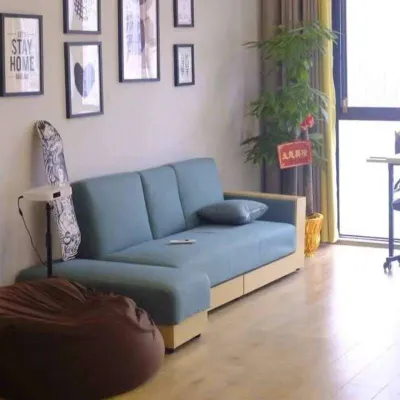
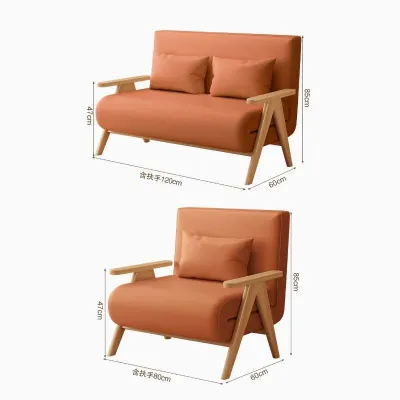
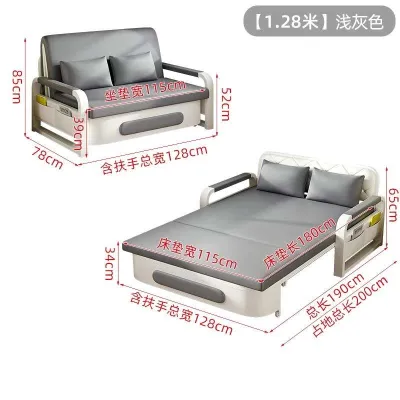
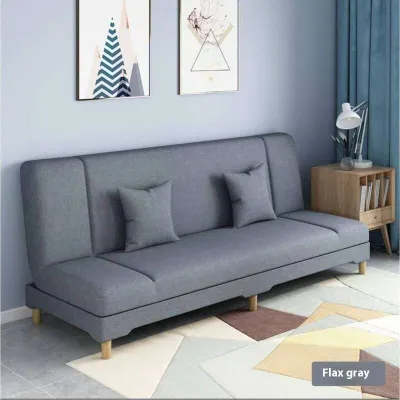
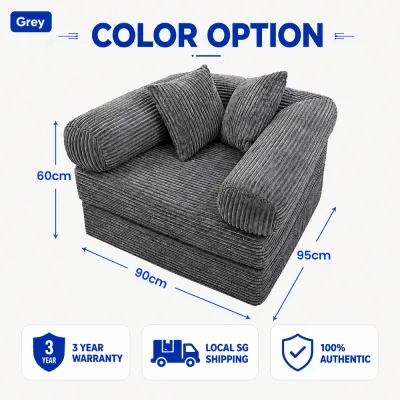
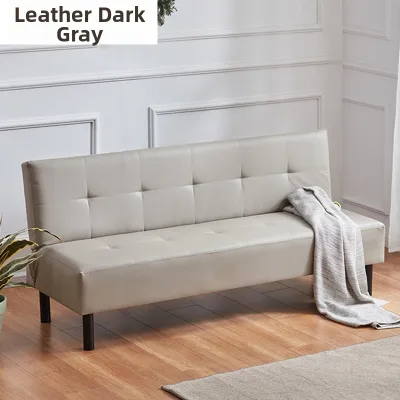
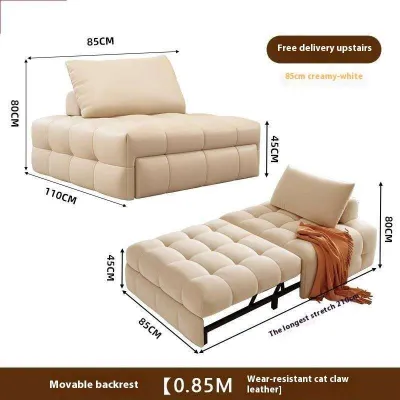
Prices are valid at publication and may change. Please refer to the product page for the latest price.
The folding mechanism is the core of any sofa bed, directly influencing how easy it is to transition between seating and sleeping configurations. A high-quality mechanism should operate smoothly and require minimal physical effort. When shopping, consider the clearance required to open the bed; some designs require you to pull the frame forward, while others fold backward and need a gap between the sofa back and the wall. In Singapore’s humid climate, metal mechanisms should be powder-coated to prevent rust, and wooden frames should be made of kiln-dried hardwood to prevent warping over time.
Mattress comfort is another critical factor, determined largely by thickness and material composition. Most compact sofa bed mattresses range from 8 cm to 12 cm in thickness, which is thinner than a standard bed mattress but sufficient for occasional use. High-density polyurethane foam is a common and supportive choice that holds its shape well, though it can retain heat; look for models with breathable cotton-linen outer covers to improve airflow. Pocket-spring mattresses offer superior contouring and pressure relief, but they tend to make the overall sofa heavier and more difficult to move.
Finally, assess the durability of the frame and fabric to ensure the piece can withstand regular use. A material name alone does not guarantee performance, so you should check the manufacturer’s care instructions and look for fabrics with high rub counts (such as polyester blends designed for heavy domestic use). Inspect the joints of the frame; reinforced corners and sturdy bolts indicate a much more stable structure than frames held together solely by glue and staples. Choosing a robust frame ensures the sofa bed remains stable and safe for both sitting and sleeping over many years.
Top Small Side Safa Bed Designs for Compact Rooms and Side Studies
Click-Clack and Futon Styles
Click-clack sofa beds operate on a simple hinge mechanism where the backrest folds down flat to align with the seat cushion. This design is highly favored for narrow rooms because it opens along the width of the sofa, requiring very little forward clearance when deployed. To operate it, you typically lift the seat upward until you hear a clicking sound, which releases the locking hinge, and then lower the seat back down into a flat bed configuration.

The primary advantages of click-clack models are their simple operation, low profile, and generally affordable price point. Because they have fewer moving parts than complex pull-out frames, there is less risk of mechanical failure over time. However, because you sleep directly on the same cushions you sit on, these models tend to have a firmer sleeping surface. Additionally, they rarely offer under-seat storage, and many models require you to pull the entire sofa away from the wall before folding it down.
When evaluating a click-clack sofa bed, inspect the hinge brackets to ensure they are made of thick, heavy-duty steel. Because the weight of the sleepers is distributed directly through the sofa legs, check that the legs are securely attached to the main frame and feature protective rubber or felt pads. This prevents the legs from shifting and scratching parquet, laminate, or vinyl flooring when weight is applied during transition or sleep.
Pull-Out and Trundle Mechanisms
Pull-out and trundle sofa beds feature a hidden frame tucked beneath the main seat cushions. To convert the sofa, you pull the lower base forward on wheels, and then either unfold a folded mattress over the extended frame or lift a trundle platform to align with the seat height. This design preserves the traditional look and deep, comfortable seating proportions of a standard sofa during the day.
One of the main benefits of a pull-out design is that it often features a separate mattress, allowing for a softer and more traditional sleeping experience. This makes it highly suitable for guests staying multiple nights. The trade-off is that pull-out models require significant forward clearance, often extending up to 220 cm from the wall when fully open, which can crowd smaller HDB study rooms or narrow home offices.
Before purchasing a pull-out model, verify the quality of the wheels and tracks. Look for non-marking polyurethane or rubber wheels rather than hard plastic, which can easily scratch or dent delicate wooden floors during deployment. Test the track system to ensure it slides smoothly without sticking, and check that the frame locks securely into place once fully extended to prevent accidental folding during the night.
Storage-Integrated and Convertible Models
Storage-integrated sofa beds are designed to maximize utility in compact spaces by incorporating hidden compartments beneath the seating area. These models often feature a chaise lounge or a main seat base that lifts up via hydraulic gas struts, revealing a spacious compartment ideal for storing extra pillows, blankets, and bedsheets. This integrated storage helps free up valuable wardrobe space in small guest rooms.
These models offer exceptional multi-functionality, serving as a sofa, a bed, and a storage chest simultaneously. However, they tend to have a larger and heavier footprint than simple click-clack designs, making them harder to rearrange once placed. The hydraulic lift mechanisms must also be of high quality to ensure they can handle the weight of the seating cushion without dropping suddenly.
When choosing a storage-integrated model, verify the internal dimensions of the compartment to ensure it can accommodate your specific bedding items. Check the operation of the hydraulic gas lifts, looking for a smooth dampening action that prevents the seat from slamming shut. Always check the manufacturer’s weight limits for both the storage compartment and the sleeping surface to prevent overloading the frame.
Space Planning and Clearance Checklist for HDB Layouts
Successful space planning for a small sofa bed in an HDB flat begins long before the furniture arrives at your home. Because many sofa beds are delivered fully assembled or in large, heavy sections, you must complete a thorough delivery checklist. Measure the width and height of your HDB lift doors, the interior depth of the elevator, and the width of your corridor, especially if your unit is located near a tight corner. Additionally, measure the clear width of your main entryway and the specific room door to ensure the delivery team can safely maneuver the packaged sofa bed into your home.
Once the sofa bed is inside the room, you must calculate the exact deployment clearance to ensure it can be used comfortably. Use the following step-by-step math guide to plan your layout:
- Total Deployed Length: Find the manufacturer's specification for the fully extended length of the bed.
- Foot-of-Bed Walkway: Add at least 20 cm to 30 cm of clear space at the foot of the extended bed so guests do not feel trapped against the wall.
- Side Clearance: Ensure there is at least 50 cm of clear space on at least one side of the bed to allow the sleeper to get in and out easily without climbing over the armrests.
- Adjacent Furniture: Verify that nearby items, such as study desks or wardrobes, do not overlap with the bed's footprint when open.
When planning the layout of a compact HDB room, avoid placing the sofa bed directly under wall-mounted air-conditioning units, as occasional condensation drips can damage fabric upholstery. Ensure the extended bed does not block the swing path of the bedroom door or built-in wardrobe doors, which can cause inconvenience and safety hazards. If the room has windows, make sure the sofa backrest does not block natural light or interfere with window opening mechanisms.
Finally, check the proximity of power outlets if your chosen sofa bed features built-in USB charging ports or power-reclining functions. The sofa should be positioned close enough to an outlet so that the power cord lies flat against the wall, preventing tripping hazards. Avoid running extension cords across high-traffic walking paths or underneath the sofa frame, where they could become pinched or damaged by the folding mechanism.
Everyday Care and Maintenance for Sofa Bed Mechanisms
Keeping your sofa bed clean and functional requires simple, routine maintenance that protects both the fabric and the mechanical parts. Dust, lint, and hair easily collect in the crevices, hinges, and tracks of folding frames. Use a vacuum cleaner with a crevice tool attachment weekly to thoroughly clean these areas. Removing debris prevents friction in the moving joints, which can otherwise cause the mechanism to grind, stick, or wear out prematurely.
To extend the lifespan of the mattress and seating cushions, rotate them regularly if the design allows. For models with a removable mattress, flip it over and rotate it head-to-toe every three to six months to distribute wear evenly and prevent localized sagging. For non-removable cushions, try to vary where you sit during daily use to avoid creating permanent compressions in a single spot.
Periodically inspect the underside of the sofa bed to check the structural hardware. Metal-on-metal joints can gradually loosen over time with regular folding and unfolding; use a wrench or screwdriver to gently tighten any loose bolts or screws. For fabric care, always consult the manufacturer’s care label before applying any spot-cleaning solutions, and test any cleaner on a small, hidden area of the fabric first to ensure it does not cause discoloration.
If the folding mechanism ever becomes stiff, misaligned, or begins making unusual grinding noises during operation, stop using it immediately. Do not attempt to force the frame open or closed, as forcing a jammed metal mechanism can permanently bend the links or strip the gears. Instead, check for any visible obstructions like trapped blankets or toys, and contact the manufacturer or a qualified furniture repair technician to service the mechanism safely.
Frequently Asked Questions (FAQ)
Can a small sofa bed be used as a primary bed for daily sleeping?
While high-quality sofa beds with premium mattresses can support daily use, most compact models are designed for occasional guest sleeping. For daily use, look for a model with a high-density foam mattress (at least 30 kg/m³) or a dedicated pocket-spring system, and consider adding a supportive 5 cm mattress topper to protect the underlying cushions from premature sagging.
How do I prevent a sofa bed mattress from sagging over time?
To prevent sagging, rotate the mattress or cushions regularly according to the manufacturer’s guidelines. Ensure that the underlying support slats or metal deck are fully deployed and locked into place before lying down, and avoid sitting heavily on the very edges of the bed, which puts concentrated stress on the suspension system.
Community discussion
Share your experience or ask a question. Comments are reviewed before publication.