
Selecting the right living room furniture for a compact Singapore home is an exercise in balancing spatial efficiency with everyday utility. In high-density housing layouts like Housing & Development Board (HDB) flats and modern condominiums, every square meter counts. A small round coffee table serves as a highly functional centerpiece that anchors your seating area without dominating the room’s limited footprint. By choosing a circular silhouette, you optimize the physical flow of your home while maintaining a stylish, welcoming environment for family and guests.
Unlike traditional rectangular or square designs, a circular table lacks rigid corners, allowing for smoother navigation in tight spaces. This structural choice directly addresses the challenges of narrow living room configurations common in local floor plans. Whether you are furnishing a new BTO flat or upgrading a cozy condominium unit, understanding how to select, size, and style a compact round table will help you maximize both comfort and floor space.
Why Small Round Coffee Tables Suit HDB and Condo Layouts
Navigating a compact living room requires furniture that facilitates movement rather than blocking it. The absence of sharp corners on a circular table significantly improves traffic flow in narrow HDB and condo layouts. In a tight walkway, a sharp corner is a constant bump hazard, especially in high-traffic zones between the sofa, television console, and main corridors. A rounded edge allows household members to glide past easily, making the entire room feel more accessible and comfortable.
Products mentioned in this guide
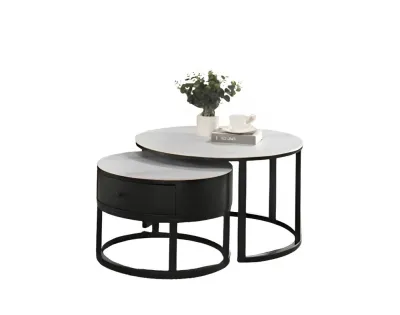
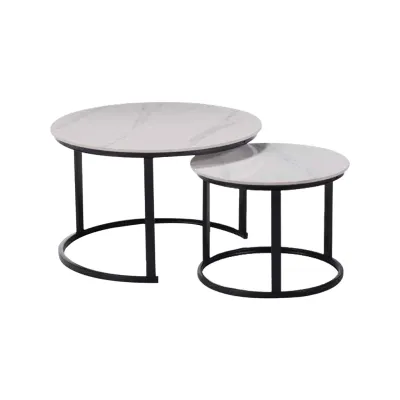
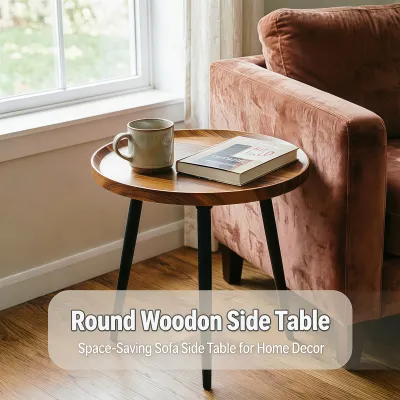
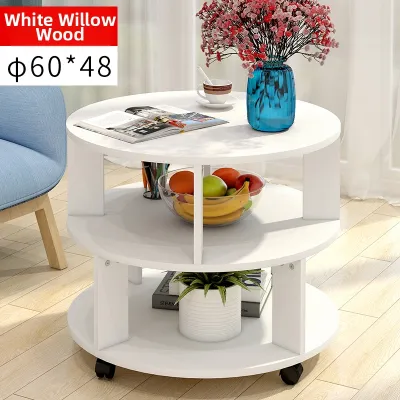
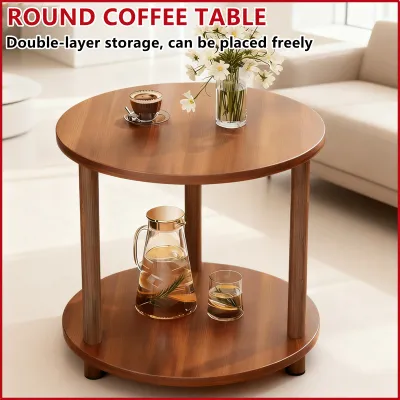
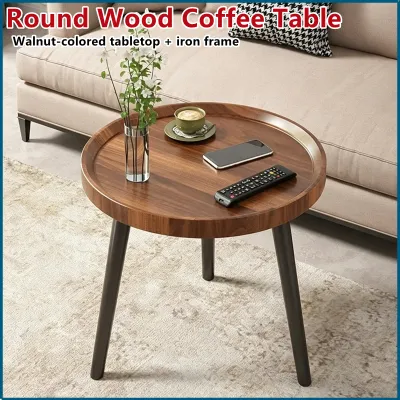
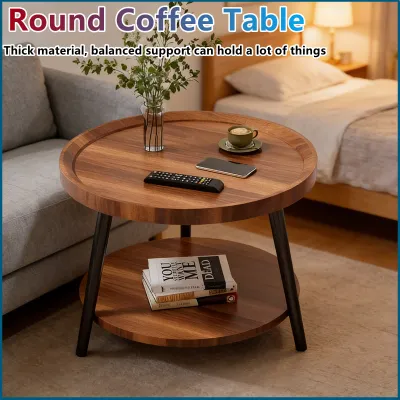
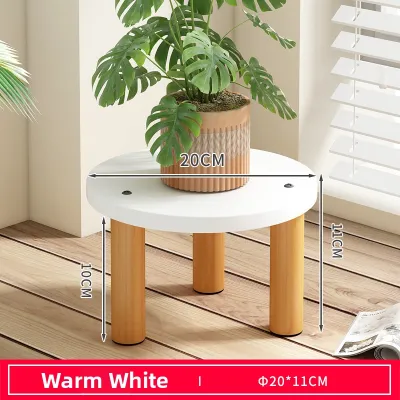
Prices are valid at publication and may change. Please refer to the product page for the latest price.
Visual weight plays a critical role in how spacious a room feels. Large, dark, or rectangular furniture pieces can make the center of a living room feel boxed in and cluttered. A small round coffee table, by contrast, has a smaller physical and visual footprint. Because the corners are carved away, more of the surrounding floor and rug remains visible. This openness tricks the eye into perceiving a larger, more airy environment, preventing the common “crammed” sensation associated with compact urban homes.
Modern Singaporean living rooms frequently feature modular, L-shaped, or chaise-end sofas to maximize seating. Standard rectangular tables often conflict with these configurations, leaving awkward, unreachable corners or blocking the path to the chaise section. Circular tables fit naturally into the negative space created by L-shaped seating. They provide equal access to the tabletop from all angles of the sofa, ensuring that everyone has a convenient spot to place a cup of tea or a book without awkward stretching.
Furthermore, the organic curves of a round table soften the rigid, linear architecture of typical high-rise apartments. Most HDB flats and condos are dominated by straight lines, from the walls and window frames to the built-in cabinetry and television consoles. Introducing a circular element breaks up this geometric repetition, adding visual interest and a sense of balance. This simple design choice helps create a more relaxed, cohesive, and inviting living environment.
Sizing and Proportion Rules for Compact Living Rooms
Before browsing physical showrooms or online catalogs, you must establish the precise physical boundaries of your living room. Buying a table based solely on its aesthetic appeal often leads to spatial frustration. To ensure your table fits comfortably, follow the standard clearance rule: maintain 40 to 45 cm of walkway space between the edge of the sofa cushions and the edge of the coffee table. This distance is wide enough to allow comfortable legroom and easy passage, yet close enough to keep items on the table within arm’s reach.

For main thoroughfares—such as the path leading from the entryway to the balcony, or the walkway between the living room and the bedrooms—you need a wider clearance. Aim for at least 60 cm of unobstructed space in these primary traffic zones. If your living room footprint is exceptionally tight, prioritize this walkway clearance first, even if it means opting for a slightly smaller table diameter. Ensuring unhindered movement through your home is vital for daily comfort.
Height proportion is equally critical for ergonomic comfort and visual harmony. As a general rule, the tabletop should sit level with or slightly lower than your sofa’s seat cushions. A height difference of 2 to 5 cm lower than the cushion is considered ideal. A table that is too tall creates an imposing visual barrier and makes reaching for drinks awkward, while a table that is too low requires uncomfortable bending. Measure your sofa’s compressed seat height (the height when someone is sitting on it) to find the perfect match.
For compact HDB and condo layouts, the sweet spot for table diameter typically ranges between 60 cm and 80 cm. A diameter of 60 cm is highly suited for cozy 2-seater sofas or small 3-room BTO living spaces, while an 80 cm table pairs beautifully with standard 3-seater sofas or small L-shaped configurations. If you plan to use an area rug, ensure the table sits comfortably in the center with at least 15 to 20 cm of rug visible on all sides, anchoring the furniture grouping without overwhelming the textile design.
To avoid costly purchasing mistakes, use painter’s tape or flat cardboard cutouts to map out the table’s exact dimensions on your living room floor. Leave the layout in place for a day or two, walking around it during your normal daily routines. This physical test allows you to experience the spatial flow firsthand, verifying that you can open nearby cabinet doors, access the balcony, and sit comfortably on the sofa without feeling restricted.
Best Styles and Materials for Singapore Interiors
Selecting the right material for your coffee table involves balancing aesthetic preferences with the realities of Singapore’s tropical climate. High humidity, warm temperatures, and frequent air-conditioning usage can cause certain materials to degrade, warp, or rust over time. The ideal material should not only complement your interior design style but also offer long-term durability and ease of maintenance.
By categorizing your choices into three primary design styles, you can easily identify which material properties align with your household’s daily habits and aesthetic goals. Each category offers distinct advantages in terms of visual weight, maintenance requirements, and structural longevity.
Visual Lightness: Glass and Acrylic Designs
For homeowners aiming to maximize the perception of space, transparent materials like tempered glass and high-quality acrylic are excellent choices. These designs allow light to pass through completely, making the floor area beneath the table visible. This transparency creates an illusion of uninterrupted floor space, which instantly makes a small condo or HDB living room feel larger and less cluttered. These materials pair exceptionally well with minimalist, contemporary, or modern luxury interior styles.
However, transparent surfaces require a commitment to regular upkeep. Fingerprints, dust, and water rings from cold drinks show up easily on glass and acrylic, necessitating frequent wiping with a microfiber cloth. When purchasing, always check for safety certifications on tempered glass to ensure it can withstand accidental impacts. For acrylic tables, look for thick, high-grade, scratch-resistant options, as lower-quality acrylic can cloud or scratch easily over time.
Warmth and Texture: Light Woods and Rattan Weaves
If your home leans toward Japandi, Scandinavian, or bohemian design, light-toned woods and natural rattan weaves are ideal. Materials like oak, ash, and rubberwood introduce organic warmth and texture without adding the heavy visual weight associated with dark walnut or mahogany. Rattan accents, often incorporated into the lower shelf or base of the table, add a breezy, tropical feel that aligns beautifully with Singapore’s climate.
Because wood is a natural, porous material, it is sensitive to environmental changes. To prevent warping, splitting, or mold growth in Singapore’s humid climate, verify that the wood has been kiln-dried and treated with a high-quality, moisture-resistant protective lacquer. Avoid placing unsealed natural wood tables directly beneath air-conditioning vents, as rapid temperature fluctuations and dry air can cause the wood to dry out and crack over time.
Modern Durability: Sintered Stone and Metal Frames
For busy households, families with young children, or those who use their coffee table as a multi-functional surface for dining and working, modern engineered materials offer superior durability. Sintered stone tops are highly resistant to heat, scratches, impacts, and stains. This non-porous material mimics the luxurious look of natural marble but requires none of the delicate sealing or maintenance, making it highly practical for daily Singaporean living.
Pairing a sintered stone or high-pressure laminate (HPL) top with a slim, powder-coated steel or aluminum metal frame keeps the table’s profile incredibly light and modern. When shopping for metal-framed tables, always verify that the frame has received an anti-rust treatment. This is particularly important if your living room is located near an open balcony or exposed to humid sea breezes, as untreated metal can corrode quickly in tropical environments.
Navigating Furniture Brands and Showrooms in Singapore
Finding the perfect table involves navigating a diverse local market. Singapore’s furniture landscape can be broadly categorized into three segments, each catering to different budgets, timelines, and design preferences:
- Established Heritage Brands: Known for solid wood craftsmanship and classic designs. These retailers often offer robust warranties and physical showrooms where you can inspect the joints, finishes, and stability of the tables in person.
- Modern Direct-to-Consumer (DTC) Showrooms: These brands focus on trendy, contemporary styles, often bypassing traditional retail markups. They typically feature streamlined online shopping experiences paired with experiential physical showrooms in industrial estates or central shopping districts.
- Custom Carpentry and Bespoke Workshops: If you have highly specific dimensional requirements or a unique layout challenge, local custom workshops can fabricate a table to your exact specifications, allowing you to choose the precise wood species, frame metal, and diameter.
Before finalizing any purchase, run through a comprehensive pre-purchase checklist tailored to the realities of Singaporean apartment living. First, address delivery and access. Do not assume a small table will easily make it into your home. Measure the height, width, and diagonal clearance of your HDB or condominium service lift door, as well as the interior cabin dimensions. Many pre-assembled tables, particularly those with heavy stone tops or welded metal frames, cannot be disassembled. You must ensure the delivery team can safely maneuver the piece through your front door and any tight hallway turns.
Next, confirm lead times explicitly with the retailer. While some DTC brands maintain local warehouse stock for immediate delivery, many custom or imported pieces operate on a made-to-order basis. These can take anywhere from 6 to 12 weeks to arrive in Singapore, especially if shipping lines experience delays. If you are preparing your home for a specific move-in date or holiday gathering, factor these timelines into your planning rather than relying on general estimates.
Additionally, clarify the assembly services provided. Heavy materials like sintered stone or complex geometric metal frames often require professional assembly to ensure structural stability and safety. Confirm whether the delivery fee includes on-site assembly, or if you will be expected to assemble the pieces yourself using basic tools. For safety and peace of mind, professional installation is highly recommended for heavy or multi-tiered designs.
Finally, make it a habit to read verified customer reviews before committing to a purchase. Look specifically for feedback regarding the brand’s after-sales support, how they handle warranty claims for humidity-related damage, and the punctuality of their delivery teams. A reputable brand should be transparent about their materials, weight capacities, and care instructions, giving you the confidence that your investment will withstand the test of time.
Placement and Styling Strategies for Small Spaces
Once you have selected your small round coffee table, proper placement and thoughtful styling will ensure it enhances, rather than hinders, your living room’s functionality. If you frequently host guests but want to keep your floor space open on a daily basis, consider nesting tables. These modular sets consist of two or three round tables of varying heights and diameters designed to overlap. You can tuck the smaller table completely underneath the larger one for daily space-saving, and slide it out to expand your serving surface when friends and family visit.
When styling a circular surface, avoid the temptation to clutter it with decorative items. Because space is limited, apply the interior design “rule of three” to create a balanced, visually pleasing arrangement. Group three items of varying heights and textures together on the tabletop. For example, you might pair a small vase of fresh green foliage (for height), a scented candle (for texture), and a stack of two design books (to act as a base). This approach adds personality without overwhelming the table’s functional surface area.
To keep the tabletop organized and tidy, incorporate a small, low-profile tray. A tray acts as a visual container, corralling loose items like television remote controls, coasters, and keys into one dedicated spot. This simple styling trick prevents clutter from spreading across the entire circular surface, preserving valuable space for your coffee cups or laptops. Choose a tray material that contrasts with your tabletop—such as a wooden tray on a glass table, or a sleek metal tray on a wooden table—to add depth.
Rug selection is another powerful tool for anchoring your coffee table and defining the living area. To complement a round table, you can pair it with a large rectangular rug, ensuring that the front legs of your sofa and any accent chairs rest securely on the rug’s outer edges. This configuration visually frames the seating group, making the room feel cohesive. Alternatively, placing a circular rug beneath a round coffee table creates a stylish, repeating geometric pattern that works exceptionally well in ultra-compact corner layouts.
If your chosen table design features an open base or a raised frame, utilize the empty space underneath for low-profile storage. You can place a shallow, woven storage basket or a felt bin beneath the table to store extra throw blankets, cushions, or children’s toys. This strategy maximizes vertical storage utility in tight HDB and condo layouts, keeping your living room looking clean, organized, and spacious.
Frequently Asked Questions (FAQ)
What is the ideal height for a coffee table relative to the sofa?
The ideal height for a coffee table is level with or up to 5 cm lower than your sofa’s seat cushions. This proportion creates a balanced visual line across your living room and ensures ergonomic comfort. A table within this height range allows you to reach for drinks, books, or remotes naturally without straining. Tables that exceed this height can block sightlines and look visually dominant, while tables that are significantly lower require awkward bending.
Are nesting round tables a good alternative to a single small table?
Yes, nesting round tables are an exceptional alternative for compact HDB and condo living rooms. Their modular design offers unparalleled spatial flexibility, allowing you to stack them together to reclaim valuable floor space during your daily routine. When you host guests, you can easily separate them to distribute surface area around the seating zone. Before purchasing, verify the stability of the smaller nesting tables, ensuring their base designs remain steady when used independently on rugs or hard floors.
How do I protect wooden or stone coffee tables from Singapore's humidity?
To protect natural wood or stone tables from Singapore’s high humidity, maintain a stable indoor environment by avoiding direct exposure to intense afternoon sunlight and air-conditioning drafts. Always use high-quality coasters under cold drinks to prevent condensation water from penetrating the surface and leaving permanent rings. For wooden tables, check that they have a protective polyurethane or lacquer finish, and clean them with a dry or damp microfiber cloth. For porous stone surfaces, wipe up spills immediately and apply a manufacturer-approved sealant periodically.
Community discussion
Share your experience or ask a question. Comments are reviewed before publication.