
Finding the right single foldable mattress in Singapore requires balancing space-saving utility with physical comfort. Whether preparing for overnight guests, setting up a temporary sleeping arrangement in a study, or maximizing space in a compact HDB flat, the firmness of your mattress plays a critical role in sleep quality. Unlike standard mattresses that rely on thick spring systems and deep comfort layers, a single foldable mattress must achieve support within a highly compressed profile. Identifying the best option for your needs comes down to understanding how different firmness levels perform under various sleeping conditions and how local environmental factors influence your choice.
Modern foam technologies have significantly improved the performance of foldable beds, moving them far beyond the flimsy, thin mats of the past. Today’s options feature engineered foam layers, breathable covers, and specialized folding designs that cater to specific sleeping postures. Because these mattresses are often placed directly on the floor, understanding the relationship between mattress thickness, density, and firmness is essential to avoid discomfort and ensure long-term durability.
How to Choose the Right Firmness for a Single Foldable Mattress
A foldable mattress typically ranges from 5 cm to 10 cm in thickness. Because of this thin profile, the physics of support are entirely different from a standard 30 cm pocketed spring mattress. The comfort layers are thinner, and the mattress relies heavily on the underlying floor or bed frame to support weight. Hinge points, where the mattress folds, introduce structural gaps that can alter the perceived firmness. If a mattress is too soft, a sleeper will easily compress the foam entirely, experiencing a hard sensation as they bottom out against the floor.
Products mentioned in this guide
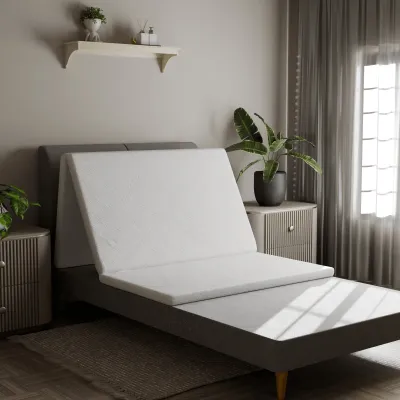
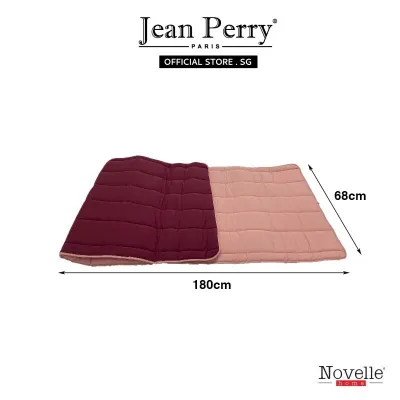
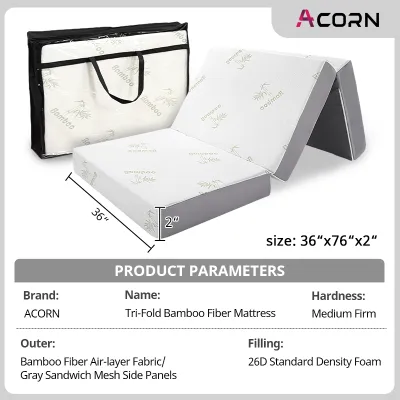
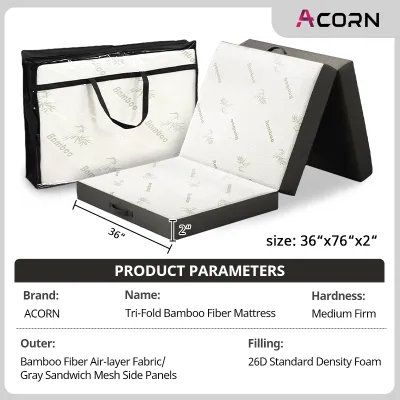
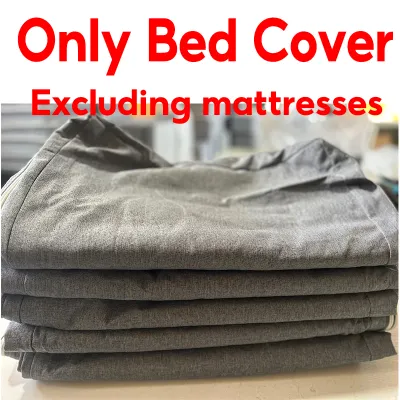
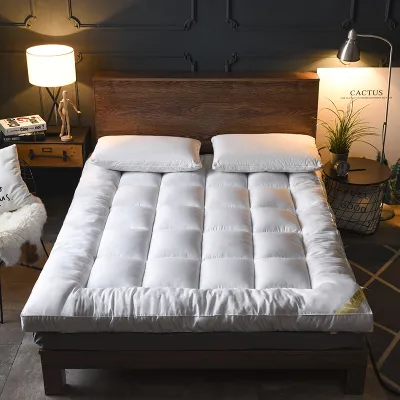
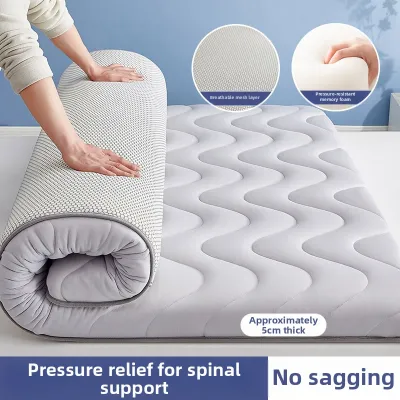
Prices are valid at publication and may change. Please refer to the product page for the latest price.
Your primary sleeping position is the most critical factor when determining the ideal firmness level:
- Side Sleepers: Require a mattress that contours around the shoulders and hips to maintain spinal alignment. A medium-soft to medium-firm profile is generally recommended to prevent joint pain.
- Back Sleepers: Need a more uniform surface that supports the natural curve of the lower back. A medium-firm to firm profile prevents the hips from sinking too deeply, which can strain the lumbar spine.
- Stomach Sleepers: Require a highly supportive, firm surface to keep the pelvis aligned with the shoulders, preventing lower back hyperextension.
The intended usage scenario also dictates the ideal firmness and thickness. For occasional guest use, a versatile medium-firm mattress is the safest choice, accommodating a wide range of body types and sleeping preferences. For daily floor sleeping, a thicker (at least 8 cm to 10 cm) and firmer mattress is essential to ensure long-term durability and prevent bottoming out. For travel or mobile use, a lighter, slightly thinner tri-fold model may be preferred for ease of transport, though this often requires a firmer foam to compensate for the reduced thickness.
Recommended Single Foldable Mattress Profiles by Firmness
When shopping for a single foldable mattress in Singapore, you will encounter various brands offering distinct firmness profiles. Evaluating these options requires looking closely at their construction, materials, and physical specifications.

Firm and Extra-Firm Profiles (For Back Sleepers and Floor Use)
Firm and extra-firm foldable mattresses are designed for individuals who prefer a solid, highly supportive sleeping surface. In Singapore, many households prefer firm mattresses due to the traditional belief in orthopaedic support and the practical benefits of floor sleeping.
These mattresses typically utilize high-density polyurethane (PU) foam cores or bonded foam (often marketed as orthopaedic foam). Look for foam density ratings of 30 kg/m³ or higher. The comfort layer should be minimal—typically no more than 1 cm of light quilting—to ensure the body remains supported by the dense core. This construction prevents the mattress from sagging under heavy loads and maintains its structural integrity over years of folding and unfolding.
However, firm profiles have distinct limitations. Side sleepers may experience numbness or pressure points in their shoulders and hips due to the lack of contouring. Additionally, because firm mattresses do not conform easily to uneven surfaces, they require a perfectly flat, clean, and debris-free floor to prevent instability and uneven wear on the underside of the mattress.
Local brands like Sea Horse are widely recognized in Singapore for their extra-firm foam products. When evaluating these, verify the exact weight, as high-density firm foam can be surprisingly heavy to fold and store daily. Budget options in this category generally range from S$50 to S$120, while premium high-density models can cost between S$150 and S$300.
Medium-Firm Profiles (For Versatile and Combination Sleepers)
Medium-firm profiles strike an ideal balance between support and pressure relief, making them the most versatile option on the market. They are highly recommended for combination sleepers who change positions throughout the night, and for households seeking a reliable guest bed that can comfortably accommodate different visitors.
To achieve this balance, manufacturers often use multi-layered construction. A common high-quality design features a resilient base foam layer (approximately 6 cm to 8 cm) topped with a more responsive, pressure-relieving layer (approximately 2 cm) of latex-blend or high-resilience foam. This combination provides initial contouring for the body’s curves while preventing the “bottoming out” effect common in cheaper, single-layer foam mattresses.
In compact Singaporean apartments, where a single foldable mattress often serves multiple roles—from a child’s play mat to a guest bed—this versatility makes medium-firm the most practical investment. It provides enough support for back sleepers while remaining forgiving enough for side sleepers.
Brands like King Koil and Epitex offer medium-firm foldable options that feature balanced comfort layers. When comparing these, check the zipper construction to ensure the cover can be easily removed for washing after guest use. Prices for medium-firm foldable mattresses typically range from S$100 to S$250, depending on the quality of the comfort layers and cover materials.
Plush and Soft Profiles (For Side Sleepers and Pressure Relief)
Plush and soft foldable mattresses are tailored specifically for side sleepers and lightweight individuals who require significant contouring to prevent pressure buildup on their joints. These models aim to mimic the cloud-like feel of premium standard beds in a portable format.
To achieve a soft profile, manufacturers incorporate memory foam or lower-density polyurethane foam. A plush profile often features a thicker, quilted cover or a dedicated memory foam top layer that responds to body heat and molds to the body’s curves. This allows the shoulders and hips to sink in comfortably, keeping the spine straight.
However, soft foldable mattresses carry a higher risk of heat retention, which can be uncomfortable in Singapore’s humid tropical climate. Furthermore, without a high-density base layer, soft foam can easily collapse under prolonged weight, leading to spinal misalignment. Buyers must verify that the base foam density is sufficient to support the plush top layers.
Premium brands like Getha or specialized memory foam brands offer softer profiles utilizing natural latex or memory foam. Ensure you check the manufacturer’s ventilation specifications, such as open-cell foam structures or breathable cover fabrics, to mitigate heat buildup. Soft and plush profiles, especially those utilizing natural latex or memory foam, are generally priced higher, ranging from S$180 to S$400+.
Key Features to Compare Across Foldable Mattress Brands
Beyond firmness, several critical design elements influence the usability, comfort, and lifespan of a foldable mattress. Comparing these features across brands will help you make an informed decision.
- Folding Mechanism: Tri-fold designs are the most common and practical, folding into three equal sections that stack neatly. This design minimizes the prominence of hinges, though you may still feel the seams depending on the tightness of the cover. Bi-fold designs fold once, resulting in fewer seams but a larger footprint when stored. Roll-up designs offer a seamless sleeping surface but can be bulky, difficult to compress, and prone to curling at the edges over time.
- Cover Materials: Given Singapore’s high relative humidity, cover breathability and hygiene are paramount. Look for covers made from natural fibers like cotton, bamboo-derived rayon, or Tencel, which help wick away moisture. Removable, machine-washable covers are highly recommended to prevent the accumulation of sweat, dust mites, and allergens.
- Thickness and Density: Do not rely solely on marketing terms like "orthopaedic" or "space-age." Instead, evaluate the physical specifications. A thickness of 5 cm is generally suitable only for lightweight children or very short-term use. For adults, a thickness of 8 cm to 10 cm is recommended. Verify the foam density: higher density (measured in kg/m³) indicates more material per cubic meter, translating directly to better support and a longer lifespan.
- Safety and Care Labels: Always check for official safety certifications regarding off-gassing and chemical usage (such as CertiPUR-US or OEKO-TEX). These labels ensure the foam does not release harmful volatile organic compounds (VOCs) in enclosed, air-conditioned rooms. Additionally, check the manufacturer's stated weight limits to ensure the mattress can safely support the intended user without structural degradation.
Buying and Care Checklist for Singapore Homes
To get the most out of your purchase, consider the practicalities of storing, using, and maintaining a foldable mattress in a tropical apartment environment.
- Space Planning: Before purchasing, measure your HDB or apartment floor space carefully. A standard Singapore single mattress measures approximately 91 cm x 190 cm. Ensure you have enough clearance to unfold the mattress without blocking wardrobe doors, main walkways, or air-conditioning airflow. Also, measure your designated storage area—such as a household shelter (bomb shelter), wardrobe, or under-bed storage—to confirm the folded dimensions will fit comfortably.
- Purchasing Channels: Singapore offers a variety of purchasing options. Physical showrooms in industrial estates like Ubi, Toh Guan, or Sungei Kadut allow you to test the firmness in person. Online brand stores and local online marketplaces often offer competitive pricing and home delivery. When buying, always verify the return policy, trial period (if any), and warranty terms. Some brands offer warranties that cover foam sagging, while others may have strict limitations on floor use.
- Climate Care: The tropical climate of Singapore presents unique maintenance challenges. When a mattress is placed directly on a tiled floor, the temperature differential between the warm body and the cold floor can cause condensation to build up underneath, leading to mold. To prevent this, place a thin moisture barrier or mat beneath the mattress. Periodically prop the mattress up in a well-ventilated room or near a sunny window to air it out. Avoid applying harsh chemical cleaners or soaking the foam, as moisture trapped inside can permanently damage the core.
Frequently Asked Questions (FAQ)
Can a single foldable mattress replace a regular bed for daily use?
Generally, foldable mattresses are designed for temporary or occasional use. Over extended periods of daily use, the foam along the hinge lines can degrade faster than a solid mattress, and the thinner profile may not provide sufficient long-term spinal support for all body types. If you plan to use one daily, look for high-density, premium models (at least 10 cm thick) and verify the manufacturer’s warranty conditions. Some brands explicitly void warranties if the product is used as a primary daily bed rather than for occasional guest accommodation.
How do I prevent mold under a foldable mattress used on the floor?
To prevent mold in Singapore’s humid climate, avoid leaving the mattress flat on the floor for weeks at a time. Use a breathable underlay or a moisture barrier mat between the mattress and the floor. Elevate the mattress vertically every few days to allow air to circulate around both sides. Ensure your room is well-ventilated, utilizing a fan or dehumidifier if necessary. Always follow the manufacturer’s specific care instructions, and avoid using unverified liquid chemical treatments, which can trap moisture and accelerate foam deterioration.
Community discussion
Share your experience or ask a question. Comments are reviewed before publication.