
A short clothes rack offers a practical, space-saving solution for managing daily wear, bags, and accessories in compact living environments. In Singapore, where HDB flats and modern apartments often feature tight entryways and limited bedroom square footage, choosing the right organizer is essential. A low-profile rack provides immediate storage access without dominating the room’s visual landscape. By keeping hanging items at a lower height, these racks preserve open sightlines, making tight spaces feel significantly larger and less cluttered.
Why a Low-Profile Rack Works for Compact Homes
Visual weight refers to how much attention an object demands in a room. Tall, bulky furniture pieces, such as full-height wardrobes or high coat trees, draw the eye upward and can make a low-ceilinged room feel enclosed. In contrast, a short clothes rack keeps the upper half of your walls open. This open space allows natural light to bounce freely across the room, enhancing the overall sense of spaciousness.
Furthermore, tall racks present physical challenges in compact layouts. They can easily block light switches, obstruct wall-mounted air conditioning units, or interfere with the sweep of ceiling fans. In narrow HDB corridors or entryways, a tall, heavily loaded rack can feel like a physical barrier, making the space feel cramped.
Products mentioned in this guide
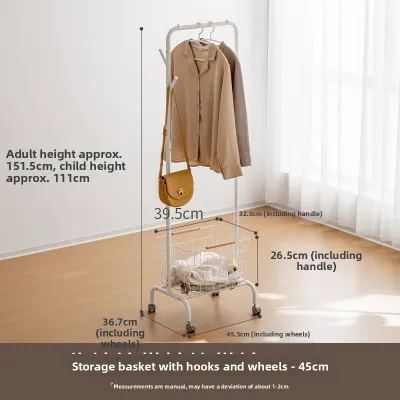
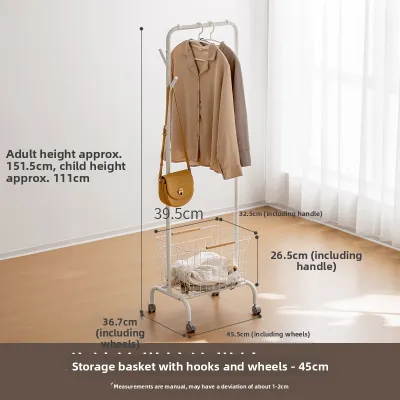
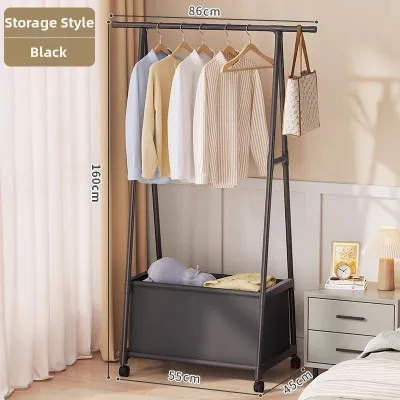
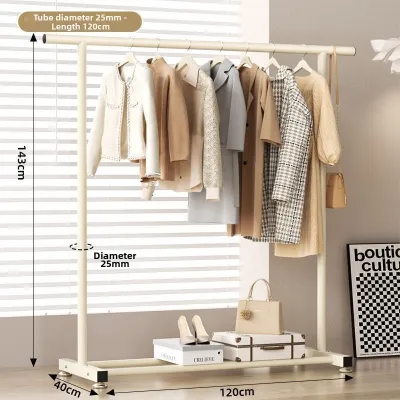
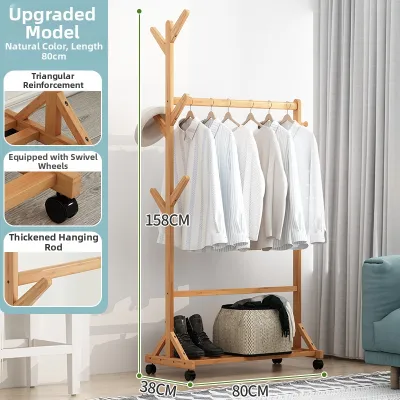
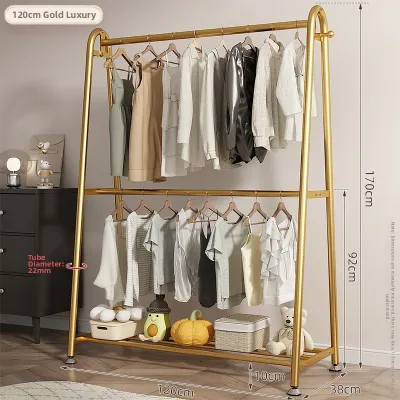
Prices are valid at publication and may change. Please refer to the product page for the latest price.
A short rack, typically standing between 100 to 140 centimeters tall, aligns comfortably below eye level. This height ensures that even when fully draped with bags or jackets, the unit remains unobtrusive and allows for easy, comfortable movement through high-traffic pathways.
Key Dimensions and Stability Features to Check
When shopping for a short clothes rack, precise measurements are your best defense against layout issues. Start by measuring the exact floor area where you plan to place the rack. Do not rely on visual estimates. Remember to account for skirting boards, which can prevent a flat-backed rack from sitting flush against the wall, effectively stealing a few centimeters of floor space.

Additionally, measure the swing radius of nearby doors to ensure that opening a closet or entry door will not collide with the rack or its hanging items. Walkway clearance is another critical factor. In a small home, you need at least 60 to 70 centimeters of clear space in high-traffic zones to walk comfortably without bumping into furniture. If your chosen location is a narrow hallway, ensure the rack’s depth does not reduce the walkway below this threshold.
Because short racks are lower to the ground, their stability depends heavily on their base design. A freestanding rack requires a low center of gravity to remain upright under a heavy load. Look for models featuring a wide, heavy base made of solid wood, cast iron, or weighted composite materials. A lightweight plastic or thin metal base is highly prone to tipping, especially when a heavy backpack is hung on one side.
The design of the hooks and the quality of the materials are equally vital. Opt for racks with smooth, rounded hooks or peg ends. Sharp or poorly finished hooks can easily snag delicate fabrics, ruin bag straps, or stretch out knitwear. Given Singapore’s high relative humidity, which often exceeds 80 percent, the material’s finish must be highly resistant to moisture. Unsealed wood or cheap iron can quickly succumb to mold or rust. Look for powder-coated steel, rust-resistant aluminum, or hardwoods sealed with a moisture-resistant lacquer.
Finally, always refer to the manufacturer’s official weight capacity labels. Do not assume a rack is sturdy simply because its frame looks thick. Check the maximum load limit for both the overall structure and individual hooks. Overloading a rack beyond its certified capacity can warp the frame, loosen the joints, or cause the unit to tip over unexpectedly, posing a safety hazard.
Matching Rack Styles to Your Specific Room Layout
Selecting the right short clothes rack requires matching its design to the specific functional demands of your room’s layout. A rack that works perfectly in a quiet bedroom corner may not perform well in a busy family utility zone.
Narrow Entryways and HDB Foyers
Entryways in HDB flats are notoriously tight, serving as the primary bottleneck for incoming residents and guests. To keep this area organized without creating a physical barrier, look for ultra-slim, linear short racks. These designs are engineered to sit flush against the wall, keeping coats, hats, and daily bags flat against the vertical surface.
Many entryway-specific models incorporate integrated umbrella stands or small lower shelves. This allows you to store wet umbrellas and shoes immediately upon entering, keeping dampness confined to one easily cleanable spot. By keeping the profile slim, you preserve a clear traffic path from the front door into the main living areas.
Bedroom Corners and Valet Stations
In private spaces like bedrooms, a short clothes rack serves a more personal, aesthetic purpose. Here, a low-profile valet stand or a minimalist, branch-style rack is ideal. These pieces are designed to hold just two or three select garments, such as the next day’s outfit or clothes that have been worn once but do not yet need washing.
Rather than cluttering a chair, these garments can hang neatly, allowing them to air out. When selecting a bedroom rack, prioritize visual appeal. A beautifully crafted wooden valet or a sleek, matte-finish metal branch rack can double as a decorative accent. Positioned in a quiet corner or next to a dressing table, it adds functional elegance without overwhelming the room’s decor.
High-Traffic Family Utility Zones
For shared areas where family members of all ages drop their belongings, you need a highly robust, multi-purpose rack. These zones require racks with tiered or multi-directional hooks. Having hooks at various heights is particularly useful if you have children, as it allows them to hang up their own school bags and caps without needing assistance.
Look for models with easy-to-clean bases, such as plastic trays or sealed metal grates, which can handle damp accessories or muddy shoes. The construction of the joints is paramount in high-traffic zones. Frequent, heavy use can quickly wear down weak connections. Choose racks with reinforced screw paths, welded joints, or heavy-duty metal hardware to ensure the frame remains stable over years of daily use.
Smart Placement Tips to Maximize Floor Space
To truly maximize the efficiency of a short clothes rack, you must be strategic about its placement. The goal is to integrate the rack seamlessly into your existing layout so that it feels like a natural extension of the room.
Begin by identifying “dead spaces” within your home. These are underutilized areas that are too small for standard furniture but large enough to accommodate a compact organizer. Common examples include:
- Awkward wall alcoves: Perfect for tucking in a slim-profile rack.
- The gap between a wardrobe and a wall: An ideal spot to hide daily wear out of direct sight.
- The space behind a swinging door: Ensure you install a robust doorstop to prevent the door from colliding with the rack.
Another effective strategy is pairing the rack with existing low-profile furniture. For instance, placing a short clothes rack directly adjacent to a low shoe cabinet or a storage bench creates a highly efficient drop-zone. This setup concentrates all your transition items—shoes, keys, bags, and jackets—in one dedicated area. Because the furniture pieces share a similar low height, they maintain a clean, horizontal line along the wall, preventing the visual clutter associated with mismatched heights.
While positioning your rack, always keep daily movement and home comfort in mind. Ensure the rack is placed far enough from walkways so that hanging items do not brush against people passing by. Additionally, verify that the rack does not block air conditioning airflow or cover wall vents. Obstructing these paths can reduce your cooling efficiency and lead to uneven temperature distribution. Finally, avoid placing the rack directly in front of windows where it might block natural light, as preserving light is key to keeping small rooms feeling bright and open.
Safety Checks and Humidity Maintenance
Maintaining the safety and longevity of your short clothes rack requires a combination of proper usage and regular care, especially in Singapore’s challenging climate.
To ensure ongoing stability, perform regular center-of-gravity checks. When hanging items, make a habit of distributing the weight evenly across all sides of the rack. Avoid hanging multiple heavy bags on a single hook while leaving the other side empty. If you notice the rack wobbling or leaning when you place an item on it, immediately relocate some of the weight to restore balance.
The high humidity in Singapore can take a toll on furniture materials. To prevent moisture buildup, mold growth, or rust, incorporate the rack into your routine cleaning schedule. Wipe down metal, wood, or bamboo components at least once a month using a dry or slightly damp microfiber cloth. Avoid using harsh chemical cleaners or abrasive pads, as these can strip away protective powder coatings or wood sealants, leaving the underlying material vulnerable to environmental damage.
Finally, perform periodic hardware inspections. Over time, the daily action of hanging and removing items creates micro-vibrations that can gradually loosen screws, bolts, or dowels. Every few months, check all the joints and use the appropriate tools to tighten any loose fasteners. This simple maintenance step prevents structural wobbling, preserves the rack’s load capacity, and ensures it remains safe for daily use.
Frequently Asked Questions (FAQ)
Can a short freestanding rack hold heavy winter coats?
Yes, but its ability to do so depends entirely on the base weight and the manufacturer’s stated load limit rather than the height of the rack itself. Because short racks naturally have a lower center of gravity, they can be exceptionally stable under heavy loads, provided the weight is distributed evenly. Always verify the manufacturer’s specifications before loading the rack with heavy winter gear, and ensure the base is sufficiently weighted to prevent tipping.
Are wall-mounted alternatives better for small spaces?
Wall-mounted hooks excel at saving floor space because they eliminate the footprint entirely. However, they lack the flexibility of freestanding short racks, which can be easily moved to different rooms or repositioned during cleaning. Additionally, wall-mounted options require drilling into walls. In Singapore, drilling into concrete HDB walls requires specific tools and may be restricted by tenancy agreements or housing rules, making freestanding racks a more versatile and damage-free option for many residents.
Community discussion
Share your experience or ask a question. Comments are reviewed before publication.