
Selecting the right plastic dust cover in Singapore requires balancing dust exclusion with moisture control. In our tropical climate, a simple sheet of plastic can either preserve your valuable furniture or inadvertently trap humidity, leading to mold. The ideal cover depends on the specific furniture material, whether the item is in daily use or long-term storage, and the ventilation of the room.
Quick Guide to Choosing Plastic Furniture Covers
The “best” plastic dust cover is not a universal product but rather a targeted solution that depends heavily on your specific furniture type, usage frequency, and room environment. For instance, a cover designed for a leather sofa stored in an air-conditioned room requires entirely different specifications than a temporary cover used during a home renovation.
To make an informed decision, you must evaluate three critical dimensions before purchasing:
Products mentioned in this guide
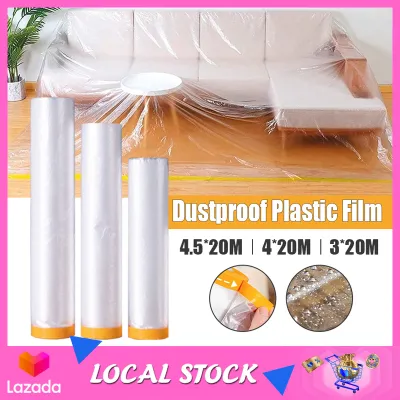
![[SG SELLER]Plastic Dust Cover Dust Prevention Renovation Drop Sheet Protective Plastic Film Furniture Dustproof Cover Paintproof Waterproof Cover Sheet Rolls](https://img.lazcdn.com/g/p/d2c82f6cde5eed649a28d487364fc7d2.png_400x400q80.png_.webp)
![[2-3 Days Delivery] 4.5m x 20m Plastic Dust Cover Protective Plastic Sheet Disposable Furniture Dustproof Cover Protective Cover Plastic Cover Plastic Film for Home Improvement CNY Gift Present](https://img.lazcdn.com/g/p/37fceab8fc43d4b3b58593d55aae9bcb.jpg_400x400q80.jpg_.webp)
![[SG Ready Stock]Masking Film with Tape 240cm/300cm/400cm Painting Protection Covering for Plastic Drop Cloth Sheet Spraying Dust Cover Furniture Dustproof Cover](https://img.lazcdn.com/g/p/cf8629ee8572f06e3fbb5012fda44aa3.png_400x400q80.png_.webp)
Prices are valid at publication and may change. Please refer to the product page for the latest price.
- Material Composition: Choosing between rigid, crystal-clear Polyvinyl Chloride (PVC) and softer, more flexible Polyethylene Vinyl Acetate (PEVA) or Ethylene-Vinyl Acetate (EVA).
- Fit Type: Deciding between cost-effective universal slipcovers and custom-tailored covers that match the exact contours of your furniture.
- Ventilation Requirements: Ensuring the cover has breathable elements to prevent moisture build-up while still blocking airborne particles.
This guide will walk you through these material specifications, precise sizing methods, and use-case recommendations. By understanding these factors, you can select a protective cover that preserves your furniture without risking moisture damage.
Why Plastic Dust Covers Are Essential in Singapore Homes
Singapore’s urban environment presents unique challenges for home maintenance. High-density living means that fine dust from ongoing Build-To-Order (BTO) housing construction, roadworks, and general traffic pollution easily enters open windows. This particulate matter settles quickly on household surfaces, creating a constant cleaning burden for homeowners.

Furthermore, the local climate is characterized by high ambient humidity, often averaging above 80% year-round. When fine dust mixes with this airborne moisture, it forms a sticky, abrasive grime layer. On expensive fabric upholstery, leather sofas, and polished wood finishes, this mixture can cause deep staining, fiber degradation, and surface scratches during cleaning. A high-quality plastic cover acts as an impenetrable physical barrier, intercepting these airborne pollutants before they can settle.
Space optimization is another major consideration in Singaporean households, particularly in HDB flats and condominiums where multi-purpose rooms are common. Homeowners frequently need to store seasonal furniture, guest mattresses, or outdoor balcony sets for extended periods. Utilizing durable plastic covers allows you to store these items safely in service yards, bomb shelters, or utility rooms without worrying about dust accumulation, accidental spills, or pet hair ruining the materials.
Key Material and Design Features to Evaluate
Material Differences
When browsing local retailers or online marketplaces, you will primarily encounter PVC and PEVA/EVA covers. Clear PVC is rigid, highly transparent, and offers excellent structural integrity, making it ideal for flat surfaces and display pieces where visibility is important. However, PVC can have a distinct chemical odor when new and may stiffen over time when exposed to constant air conditioning.
PEVA and EVA are chlorine-free, softer, and drape more like fabric. These materials are generally lower in odor and remain flexible across a wide range of temperatures. Because they are gentler on delicate surfaces, PEVA covers are highly recommended for upholstered furniture, leather items, and soft cushions.
Thickness and Durability
Thickness is typically measured in mils (one-thousandth of an inch) or millimeters. For light, short-term dust protection—such as covering furniture during a weekend painting project—a thin cover of 2 to 4 mils is sufficient and highly flexible. For long-term storage, frequent moving, or protection against pet claws, look for heavy-duty covers ranging from 6 to 12 mils to ensure adequate tear resistance and longevity.
Closures and Seams
How a cover secures to your furniture determines its effectiveness against drafts and pests. Heavy-duty, rust-resistant zippers are essential for full-encasement covers, while elastic hems and adjustable drawstrings work best for quick-use slipcovers. If you have pets or live near high-traffic corridors, Velcro straps can help secure the bottom edges against wind and movement.
Ventilation and Breathability
In Singapore’s humid climate, completely sealing a piece of furniture in airtight plastic can trap moisture, leading to mold and mildew growth. This is especially true when transitioning between air-conditioned and non-air-conditioned states, which causes condensation. To mitigate this risk, look for covers featuring built-in breathable non-woven panels, mesh inserts, or micro-perforations that allow continuous air circulation while keeping dust out.
Recommended Plastic Dust Cover Types by Furniture Category
Best for Sofas and Armchairs
For heavily used soft seating, choose heavy-duty clear PVC or reinforced PEVA covers equipped with elastic bottoms. These covers should feature an anti-slip backing or textured inner surface to prevent the plastic from sliding around on fabric or leather upholstery during use.
Limitations & Advice: Keeping a fully sealed plastic cover on a daily-use sofa can trap body heat and sweat, leading to user discomfort and condensation beneath the plastic. For daily protection, prioritize removable slipcovers that can be easily taken off when guests arrive, or select covers designed with breathable fabric backings that facilitate airflow.
Best for Dining Tables and Chairs
To protect flat wooden or marble dining surfaces from daily spills, scratches, and dust, thick and highly transparent PVC tablecloths are highly effective. For long-term storage of complete dining sets, custom-fitted box covers that drape over the table and tucked-in chairs offer comprehensive protection.
Limitations & Advice: Always check the manufacturer’s label for heat-resistance thresholds before placing warm pots, pans, or plates directly onto a plastic cover. Excessive heat can cause standard PVC to warp, melt, or leave cloudy, permanent white marks on both the plastic and the underlying wood finish.
Best for Mattresses and Bed Frames
For bedroom furniture stored in spare rooms or during renovations, zippered, full-encasement plastic or PEVA covers are the gold standard. These covers seal the mattress entirely, protecting the fabric layers from settling dust, moisture, and pests.
Limitations & Advice: Verify that the product label explicitly states dust-mite blocking capabilities if allergen control is your primary goal. Never sleep directly on a non-breathable, fully sealed plastic cover, as it will trap body heat and sweat; these airtight covers are strictly intended for guest beds, transport, or long-term storage.
Best for Display Cabinets and Electronics
To shield sensitive electronics, televisions, and glass display cabinets without obscuring their design, opt for thin, high-clarity PVC slipcovers or anti-static acrylic covers. These materials prevent dust from settling into cooling vents and delicate ports.
Limitations & Advice: Standard plastics naturally generate static electricity, which actually attracts dust particles to the surface. Ensure you purchase covers treated with an anti-static coating, and measure precisely to avoid a loose, messy appearance that detracts from your home decor.
How to Measure and Ensure a Proper Fit
To avoid the frustration of purchasing a cover that is too tight to install or so loose that it drags on the floor, follow this step-by-step measuring process:
- Measure the Maximum Width (Left to Right): Measure from the outermost points, including any protruding armrests, flared legs, or decorative trim.
- Measure the Maximum Depth (Front to Back): For sofas and chairs, measure from the front edge of the seat to the furthest back point of the headrest or frame.
- Measure the Height (Top to Floor): Measure from the highest point of the furniture down to the floor. When purchasing a cover, select one that is 2 to 5 centimeters shorter than this measurement to prevent the plastic from pooling on the floor and blocking air circulation.
When shopping, you must weigh the trade-offs between universal-fit covers and custom-made options. Universal covers sold by online marketplaces are highly cost-effective and readily available, but they often fit loosely, creating folds where dust and moisture can collect. Custom-made covers from local Singapore upholstery shops offer a perfect, tailored aesthetic and superior protection, though they require a higher financial investment and longer lead times.
Finally, if you are purchasing large, pre-covered furniture items or rigid protective shells, always verify your clearance route. Check the dimensions of your HDB lift, apartment doorways, narrow corridor turns, and staircase clearance to ensure the covered item can be safely transported into your home without tearing the protective layer.
Care and Maintenance for Plastic Covers
To maximize the lifespan and maintain the clarity of your plastic dust covers, establish a regular cleaning routine. Wipe down the exterior surfaces using a soft microfiber cloth dampened with warm water and a small amount of mild dish soap. This easily removes settled dust and light oils without scratching the plastic.
Never use harsh chemical solvents, bleach, glass cleaners, or alcohol-based sanitizers on PVC or PEVA covers. These substances chemically degrade the plastic polymers, leading to permanent clouding, yellowing, and premature brittleness. Additionally, avoid abrasive scrubbing pads or stiff-bristled brushes that can create micro-scratches, which trap dust and ruin transparency.
When storing your covers, ensure they are 100% dry to prevent mold growth inside the folds. Roll thick PVC covers around a cardboard tube rather than folding them, as sharp folds can create permanent creases and weak points that eventually tear. Store the rolled covers in a cool, dry place away from direct sunlight, avoiding hot service yards or balconies where high temperatures can degrade the material.
Frequently Asked Questions (FAQ)
Can plastic dust covers cause mold on wooden furniture?
Yes, fully sealed plastic covers can trap ambient humidity against wooden surfaces, particularly during temperature fluctuations in air-conditioned rooms. To prevent mold, check the manufacturer’s care instructions for your wood finish, choose covers with built-in ventilation holes, and periodically remove the covers to allow the wood to breathe.
Are PEVA covers safer than PVC for indoor use?
PEVA is generally considered a safer, lower-odor, and more environmentally friendly alternative to traditional PVC because it is chlorine-free and releases fewer volatile organic compounds (VOCs). If you or your family members are sensitive to chemical smells, check product labels for certified low-VOC or phthalate-free specifications.
How do I prevent clear plastic covers from turning yellow?
Yellowing is primarily caused by exposure to ultraviolet (UV) light and ambient heat, which break down the plastic polymers over time. To preserve clarity, keep covered furniture away from direct sunlight near windows or balconies, and look for covers specified by the manufacturer as UV-stabilized or UV-resistant.
Community discussion
Share your experience or ask a question. Comments are reviewed before publication.