
Selecting the perfect seating for your dining room is a balancing act between aesthetic appeal, daily comfort, and physical spatial constraints. While traditional wooden or upholstered seating has long been the standard, choosing a high-quality plastic chair with arm rest is an excellent way to introduce modern textures, exceptional durability, and ergonomic support to your home. Modern polymer designs have evolved far beyond basic outdoor furniture, emerging as sophisticated, sculptural elements that can anchor or elevate an entire room’s design language.
Finding the right match requires looking beyond the surface. You must consider how the chair’s silhouette, color, finish, and leg materials interact with your existing dining table and the surrounding architectural elements. By understanding the design markers of different interior styles and combining them with precise physical measurements, you can select an armrest chair that feels like a natural, intentional extension of your home.
Quick Guide: Matching Chair Styles to Your Decor
Before diving into the technical specifications and styling nuances, a quick reference mapping can help clarify which design elements align with your home’s established aesthetic. Plastic armrest chairs are incredibly versatile, but their visual weight, finish, and leg structures must be carefully balanced against your table and wall finishes.
Products mentioned in this guide
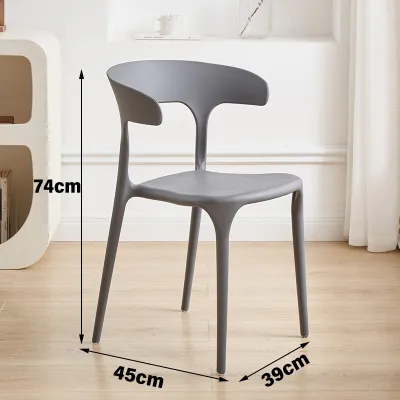
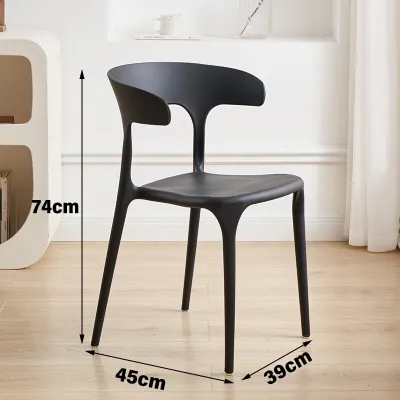
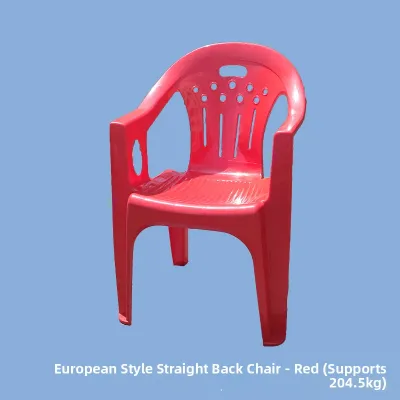
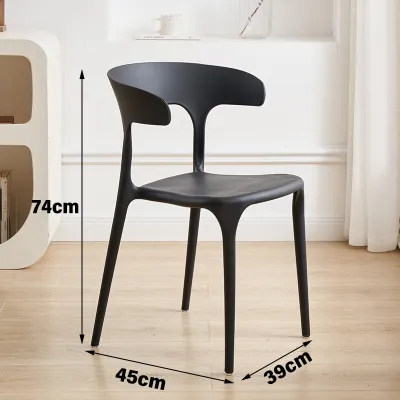
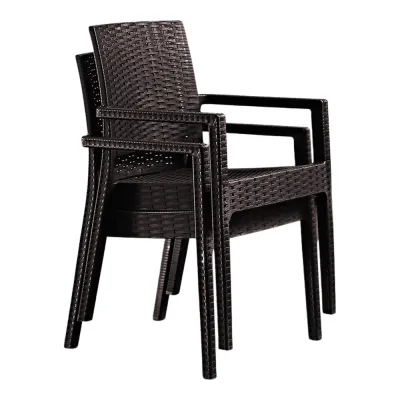
![[ SG ] ⚡ Home Thickened Simple Armrest Backrest Chair Outdoor Backrest Dining Chair](https://img.lazcdn.com/g/p/be5916f17bf72f0d93f20f11de29959c.jpg_400x400q80.jpg_.webp)
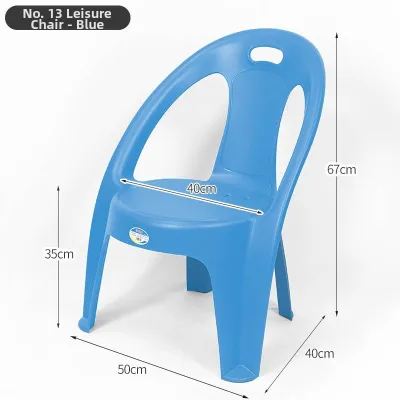
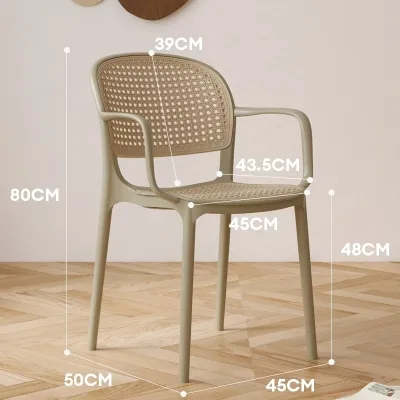
Prices are valid at publication and may change. Please refer to the product page for the latest price.
| Interior Style | Ideal Plastic Finish | Recommended Leg/Base Material | Visual Weight & Silhouette |
|---|---|---|---|
| Modern Minimalist / Scandinavian | Matte or satin pastel, white, or soft grey | Light oak, ash wood, or slim white metal | Light; low-profile, continuous flowing curves |
| Industrial / Urban Loft | Matte charcoal, olive, or textured dark resin | Black powder-coated steel or iron sled bases | Medium to Heavy; angular, wide-set stance |
| Mid-Century Modern | Semi-gloss or vibrant primary/earth tones | Splayed wooden dowels with wire bracing | Medium; classic molded organic shell silhouette |
| Contemporary / Glam | High-gloss solid colors or crystal-clear acrylic | Polished chrome, brass, or gold-toned metal | Light (if transparent) to Bold; sharp, clean lines |
| Eclectic / Transitional | Textured patterns, dual-tone, or fabric-padded | Mixed media, dark wood, or matching plastic | Heavy; sculptural, high-contrast statement shapes |
When selecting a style, remember that the chair base often dictates how well it integrates with your dining table. A chair with warm wooden legs can soften a cold glass-top table, while slim metal legs can prevent a heavy, solid wood table from overwhelming a small dining alcove.
Why Choose a Plastic Chair with Arm Rest?
Opting for a plastic chair with arm rest offers several distinct advantages that traditional materials cannot easily replicate, particularly in busy, multi-functional households. Modern furniture manufacturing utilizes advanced polymers—such as high-grade polypropylene, polycarbonate, and ABS—which deliver exceptional structural integrity while remaining lightweight and easy to reposition.

Practical Durability and Easy Maintenance
Unlike solid wood, which can warp or crack under fluctuating humidity, or delicate fabrics prone to permanent staining, high-quality molded plastic is incredibly resilient. It is naturally resistant to moisture, making it highly suitable for the warm, humid climate of Singapore. For households with young children or pets, the ease of maintenance is unmatched; most spills, food residues, and crayon marks can be wiped away with a damp microfiber cloth and a mild household detergent. However, always refer to the manufacturer’s care instructions, as harsh abrasive cleaners or chemical solvents can permanently dull or scratch polished polymer surfaces.
Ergonomic Support for Multi-Functional Spaces
The inclusion of armrests significantly enhances the comfort of a standard dining chair, transforming it into a supportive seat suitable for extended periods. As dining tables increasingly double as home offices or homework stations, armrests help reduce fatigue by supporting the weight of your forearms, thereby relieving tension in your neck and shoulders. The continuous molded shell of an armrest chair also conforms more naturally to the body’s contours, providing lateral support that standard flat-backed chairs lack.
Sophisticated Textures and Structural Freedom
Modern injection molding allows designers to create complex, fluid shapes that would be cost-prohibitive or structurally impossible to achieve with wood or metal. Today’s plastic chairs are not limited to shiny, cheap-looking finishes. High-end manufacturers utilize micro-textured molds to produce sophisticated matte surfaces that mimic the soft look of ceramic or stone, as well as perfectly clear, light-refracting resins that mimic high-grade glass. This structural freedom allows you to introduce artistic, sculptural elements into your dining room at a fraction of the weight and maintenance of alternative materials.
Top Interior Styles and Matching Plastic Chair Designs
To ensure your new seating complements your home, it helps to analyze how specific plastic chair designs align with popular interior design movements. Choosing the right combination of color, texture, and leg style will make the chairs feel like a cohesive design choice rather than an afterthought.
Modern Minimalist and Scandinavian
Minimalist and Scandinavian interiors prioritize light, simplicity, functionality, and a connection to natural elements. To complement this aesthetic, look for plastic armrest chairs featuring soft, matte finishes in neutral or pastel tones, such as chalk white, warm beige, sage green, or dusty blue. The lines of the chair should be clean, continuous, and organic, with low-profile armrests that flow seamlessly out of the backrest without sharp angles or unnecessary ornamentation.
To maintain the visual warmth characteristic of Nordic design, opt for chairs that pair a molded plastic shell with light-colored wooden legs, such as oak, ash, or beech. If you prefer metal legs, choose slim, tapered designs finished in white or light grey powder coating. These combinations keep the dining area feeling airy and spacious, which is particularly beneficial in compact apartment layouts where heavy, dark furniture can make a room feel closed in.
Industrial and Urban Loft
Industrial design embraces raw materials, exposed architectural elements, and a utilitarian aesthetic. If your home features concrete screed floors, exposed brickwork, or dark wood accents, your plastic chairs should reflect this rugged, textured environment. Look for chairs made from darker, muted polymers, such as charcoal grey, matte black, deep olive green, or navy blue.
Instead of warm wooden legs, select chairs with bases made of black powder-coated steel, iron wire, or heavy-duty sled bases. Designs featuring visible hardware, rivets, or slightly textured plastic finishes that mimic the appearance of brushed metal or cast concrete work exceptionally well. The wider, sturdier stance of an industrial-style armrest chair provides a strong visual anchor when paired with a heavy, reclaimed wood or concrete-topped dining table.
Mid-Century Modern and Contemporary
Mid-century modern design is celebrated for its organic curves, democratic material use, and playful yet functional silhouettes. The classic molded plastic shell chair with integrated armrests—originally popularized in the mid-20th century—is the quintessential choice for this style. Look for iconic silhouettes featuring splayed wooden dowel legs reinforced with black metal wire bracing, or architectural wire tower bases.
For a retro-inspired look, do not shy away from bold, saturated accent colors like mustard yellow, burnt orange, olive, or teal. Alternatively, if your style leans more toward sleek, forward-looking contemporary design, consider transparent acrylic or polycarbonate armrest chairs. Often referred to as “ghost” chairs, these transparent options allow light to pass through completely, making them virtually invisible. This is an excellent design trick to reduce visual clutter in tight dining alcoves while still providing the physical comfort of a full armrest chair.
Eclectic and Transitional
If your home does not adhere to a single design style but instead blends traditional elements with modern touches, an eclectic or transitional approach is ideal. In these spaces, plastic armrest chairs can serve as deliberate, high-contrast statement pieces. For example, pairing a set of brightly colored, highly sculptural plastic chairs with a formal, dark mahogany dining table creates an engaging visual tension that feels curated and artistic.
Look for chairs that feature unique design details, such as intricate geometric cutouts in the backrest, color-blocked shells, or hybrid designs that incorporate removable, fabric-padded arm cushions. To master the eclectic look without causing visual chaos, try using a matching pair of bold plastic armrest chairs solely at the heads (ends) of the dining table, while placing simpler, armless chairs along the sides. This creates a balanced, formal layout while still showcasing your personal style.
Crucial Sizing and Ergonomic Checks Before You Buy
While finding the right aesthetic style is exciting, a chair must fit your physical space and your body to be truly functional. Because armrest chairs are wider and taller than standard dining chairs, skipping these crucial measurements can lead to costly return shipping fees or a cramped, unusable dining area.
- Armrest Clearance and Table Apron Height: This is the most common purchasing mistake. You must measure the distance from the floor to the underside of your dining table's apron (the structural wooden or metal frame directly beneath the tabletop). To allow the chair to slide fully underneath the table when not in use, the maximum height of the chair's armrests must be at least 2 to 3 centimeters lower than the lowest point of the table's underside. If your table has a thick apron and your chairs cannot slide under, they will permanently protrude into your walkway, consuming valuable floor space.
- Seat Height and Depth: For comfortable upright dining, the optimal distance between the top of the chair seat and the top of the dining table is approximately 25 to 30 centimeters. Standard dining seat heights range from 43 to 48 centimeters. Additionally, evaluate the seat depth and backrest angle. For dining, look for a seat depth of 40 to 45 centimeters and a relatively upright backrest angle (around 100 to 105 degrees). Avoid chairs with deep, reclining seat pans, as these are designed for lounging and will force you to strain forward while eating.
- Material and Load Specifications: Always verify the manufacturer's specified weight capacity. High-quality molded plastic chairs should comfortably support at least 110 to 150 kilograms. If your dining table is positioned near large, sunlit windows or a balcony, check if the polymer is UV-stabilized. Prolonged exposure to harsh tropical sunlight can degrade non-stabilized plastics, causing them to become brittle, fade, or yellow over time. Furthermore, look for specifications indicating a scratch-resistant or anti-static matte finish to minimize the visibility of daily wear.
- Base Stability and Floor Protection: Because users naturally lean on armrests when sitting down or standing up, the chair's base must offer excellent tip-resistance. Look for designs where the legs splay outward slightly beyond the perimeter of the seat shell, which distributes weight more evenly. Inspect the connection points where the legs meet the plastic shell; these joints should be reinforced with heavy-duty metal brackets or molded-in metal inserts rather than simple screws threaded directly into the plastic.
- Delivery and Access Checks: If you are purchasing fully assembled plastic armrest chairs, verify the packaged carton dimensions against your apartment's lift door, corridor clearances, and main entryway. While a single unboxed chair easily fits through any standard door, boxed sets of two or four can be surprisingly bulky and may present delivery challenges in older apartment buildings with narrow elevators.
Space Planning and Layout Tips for Armrest Chairs
In many Singaporean apartments, dining spaces are integrated into open-plan living rooms or compact kitchen alcoves. Because plastic armrest chairs have a wider physical and visual footprint than armless alternatives, thoughtful space planning is essential to maintain a comfortable flow.
Calculate Lateral Elbow Room
A standard armless dining chair requires approximately 50 to 55 centimeters of table width. In contrast, a plastic chair with arm rest typically requires 60 to 65 centimeters of lateral space to allow the diner to move their arms freely without bumping into adjacent guests. When planning your layout, ensure you calculate the total length of your table based on these wider dimensions. For example, a 150-centimeter table that comfortably accommodates six armless chairs may only fit four armrest chairs comfortably.
Ensure Adequate Walkway Clearance
To maintain a safe and comfortable home environment, you must leave enough clearance behind the chairs for people to walk past while others are seated. Measure the distance from the edge of the dining table to the nearest wall or piece of furniture. You should allow at least 90 centimeters of clearance; 110 to 120 centimeters is highly recommended if the dining area sits along a primary pathway to the kitchen, hallway, or balcony. Since armrest chairs cannot always be tucked fully under the table, this clearance is vital to prevent constant traffic bottlenecks.
Implement Smart Space-Saving Strategies
If you love the look and comfort of armrest chairs but have a compact dining area, consider these layout compromises:
- The Head-of-Table Approach: Place two comfortable plastic armrest chairs at the head and foot of the table, and use space-saving armless chairs or a low-profile bench along the sides. The bench can be tucked completely under the table when not in use, opening up the walkway.
- Go Transparent: Use transparent polycarbonate armrest chairs. While they occupy the same physical space, their lack of visual weight prevents a small dining nook from looking cluttered or overcrowded.
- Choose Stackable Designs: Some modern molded plastic armrest chairs are specifically engineered to stack neatly. If you frequently host guests but need daily floor space, keep four chairs stacked in a corner or storage area and bring them out only when needed.
Frequently Asked Questions (FAQ)
Do plastic dining chairs with armrests fit under standard dining tables?
Whether a plastic chair with arm rest fits under a standard dining table depends entirely on the height of the chair’s armrests relative to the table’s apron. Standard dining tables typically have a tabletop height of 75 centimeters, but the structural apron support underneath can reduce the actual clearance to 65 or 70 centimeters. Most plastic armrest chairs feature arm heights ranging from 62 to 68 centimeters. To ensure a proper fit, always measure from the floor to the lowest protruding point beneath your tabletop, and verify that your chosen chair’s armrest height is at least 2 to 3 centimeters lower than this measurement.
How do I prevent plastic chairs from scratching my flooring?
To prevent plastic or metal chair legs from scratching your floors—especially common Singaporean flooring materials like vinyl, polished concrete, large-format porcelain tiles, or engineered timber—you must ensure the legs are equipped with appropriate protective glides. While many molded chairs come with basic plastic feet, these can wear down or trap abrasive grit over time, acting like sandpaper on your floor. We highly recommend purchasing aftermarket heavy-duty felt pads for timber or vinyl floors, or soft silicone leg caps for tiled surfaces. Regularly inspect the bottom of the chair feet to clean away trapped dust and replace worn-out protective pads promptly.
Community discussion
Share your experience or ask a question. Comments are reviewed before publication.