
Selecting the ideal pillow for picnic outings requires balancing two competing priorities: rugged environmental protection and plush, relaxing comfort. While a standard bed pillow might seem like an easy solution, outdoor conditions—such as damp grass, dirt, and sudden rain showers—quickly expose the limitations of indoor fabrics and fills. The right choice depends heavily on your transport method and where you plan to set up your picnic spot.
To find the best option, you must compare different brand categories. Outdoor gear specialists design highly packable, weather-resistant pillows that withstand rough ground but may compromise on soft textures. Conversely, home bedding and lifestyle brands focus on aesthetic appeal and luxurious comfort, though they require careful handling to avoid stains and moisture damage. Understanding these category trade-offs allows you to select a pillow that keeps you comfortable without ruined fabrics.
What Makes a Pillow Suitable for Outdoor Picnics?
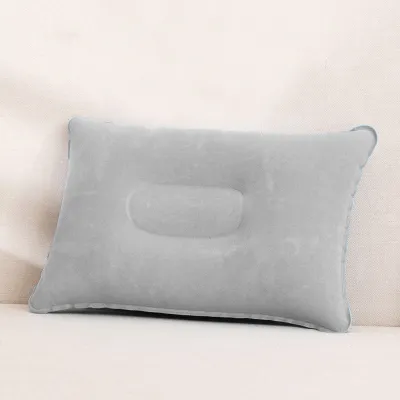
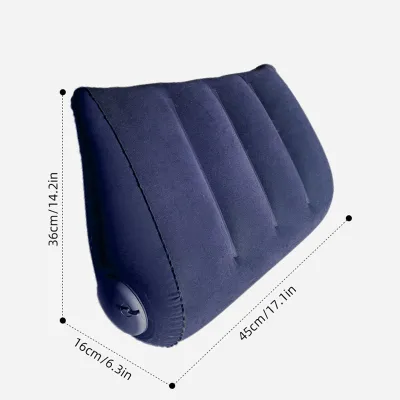
Evaluating a pillow for picnic use requires looking closely at three primary performance pillars: portability, environmental resistance, and ease of maintenance. Portability is essential because a bulky pillow takes up valuable space in your picnic basket or backpack. Look for designs that feature high compressibility, such as inflatable cores or compressible foam, which can shrink to a fraction of their fully expanded size. Some brands include integrated stuff sacks, compression straps, or elastic bands to keep the pillow neatly packed during transit.
Products mentioned in this guide
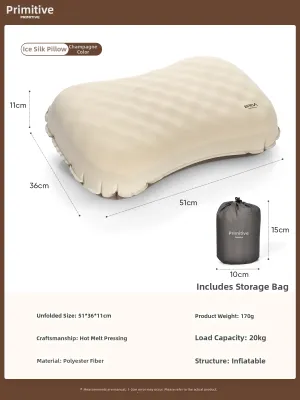
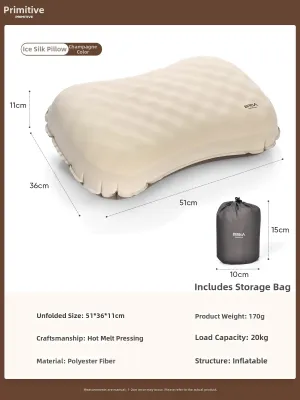
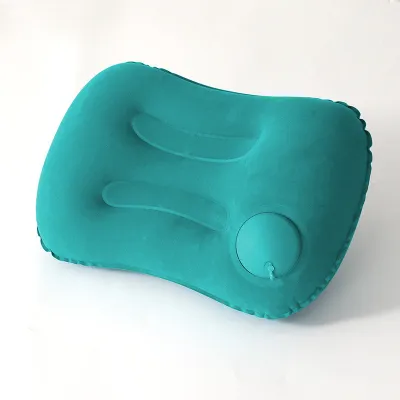
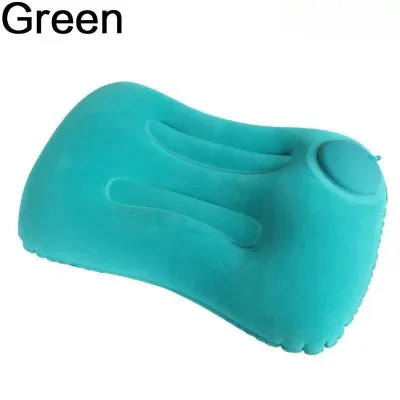
Prices are valid at publication and may change. Please refer to the product page for the latest price.
Weather and environmental resistance protect the pillow from the elements. Damp grass is a constant challenge, even on sunny days, as soil moisture can seep through a picnic blanket. A suitable outdoor pillow utilizes water-repellent outer fabrics or specialized coatings that prevent moisture from reaching the inner fill. Additionally, look for tight fabric weaves that shed dirt, grass clippings, and sand rather than trapping them in the fibers.
Maintenance and cleaning features determine how long your pillow will last after multiple outdoor trips. Because picnics inevitably involve food spills, grass stains, and dirt, the pillow must be easy to clean. Removable covers are highly desirable, as they allow you to wash the outer shell separately from the delicate inner fill. Check the manufacturer’s care instructions to see if the cover is fully machine-washable or if it requires gentle hand-washing and air-drying.
Comparing Brand Categories: Outdoor Specialists vs. Home Bedding Brands
When searching for a pillow for picnic use, you will generally choose between three distinct brand categories, each offering unique design philosophies and trade-offs.

Outdoor and camping brands prioritize technical performance, durability, and extreme packability. These brands typically construct their pillows using rugged synthetic materials like ripstop polyester or nylon, often treated with water-resistant laminates. The inner fills are usually lightweight synthetic fibers, open-cell foam, or adjustable air chambers. While these pillows excel at resisting moisture, shedding dirt, and packing down into tiny storage sacks, they can sometimes feel slippery or make a rustling noise when you move. They are built for utility first, meaning they may lack the cozy, plush feel of a traditional home pillow.
Home bedding and lifestyle brands focus on maximum comfort, aesthetic appeal, and tactile luxury. These brands use familiar, soft fabrics such as cotton canvas, linen, or plush microfiber, filled with down, feathers, or shredded memory foam. A pillow from a home bedding brand feels incredibly soft and supportive, making it perfect for long afternoons of lounging. However, these materials are highly absorbent and prone to staining. Without a protective barrier, they can easily absorb ground moisture, leading to dampness and potential mold growth if not dried promptly. They also tend to be bulky and difficult to compress, making them better suited for picnics where you do not have to walk far from your vehicle.
Hybrid or travel lifestyle brands offer a practical middle ground. These brands design products specifically for casual outdoor activities, travel, and patio lounging. They often pair stylish, home-inspired patterns with moderately weather-resistant backings or removable, washable covers. A hybrid pillow might feature a soft cotton-blend top surface for comfort, combined with a water-resistant polyester base that protects the pillow when placed directly on damp grass. This category is highly versatile, offering a balance of aesthetic charm, reasonable packability, and practical protection for casual park outings.
How to Verify Weather Resistance and Cleaning Claims
Because marketing terms like “outdoor-ready,” “weatherproof,” or “stain-resistant” are not standardized, you must verify these claims by examining product specifications and care labels before purchasing.
Start by reading the care labels to understand the cleaning requirements. A label that specifies “wipe-clean only” or “spot-clean only” indicates that the fabric has a delicate coating or an integrated fill that cannot tolerate machine washing. While convenient for quick cleanups, a wipe-clean pillow may be difficult to sanitize if it suffers a major food spill. Conversely, a fully machine-washable cover or whole-pillow design offers superior hygiene, allowing you to wash away outdoor allergens, dirt, and bacteria after every outing.
Next, check the fabric specifications for technical treatments rather than relying on generic marketing descriptions. Look for terms like DWR (Durable Water Repellent) coatings, polyurethane (PU) backings, or TPU (Thermoplastic Polyurethane) laminates. These treatments provide a physical barrier against water penetration. If a brand does not list specific fabric treatments or synthetic material blends, assume the fabric is highly absorbent and will require an extra protective layer, such as a waterproof picnic mat, to stay dry.
Finally, evaluate the inner fill material and its washability. Synthetic fills, such as polyester fiberfill or closed-cell foam, are highly resilient and dry quickly if they accidentally get wet. Down and feather fills, while incredibly soft, lose their insulating properties and clump together when exposed to moisture, requiring extensive drying time and specialized care. If you prefer a memory foam fill, verify whether the foam is protected by a waterproof inner liner, as raw memory foam acts like a sponge and is notoriously difficult to dry once wet.
Decision Framework: Choosing the Right Brand Type for Your Picnic Style
To select the right pillow brand category, evaluate your typical picnic habits, transport limitations, and comfort preferences.
Choose outdoor gear brands if your picnic style involves hiking, camping, or visiting unpredictable environments. If you need to carry your gear over long distances, packability is paramount, and a highly compressible technical pillow is the logical choice. These brands are also ideal if you frequently picnic on damp grass, sandy beaches, or rocky terrain, where the pillow is likely to come into direct contact with dirt and moisture. The ease of wiping away mud and the quick-drying nature of synthetic outdoor fabrics make these pillows highly practical for rugged use.
Choose home bedding or lifestyle brands if your picnics are casual, vehicle-supported, and focused on maximum relaxation. If you primarily set up your picnic spot on dry, well-maintained lawns close to your car, portability is less of a concern. In these scenarios, you can prioritize the plush comfort, supportive fill, and beautiful designs offered by home bedding brands. These pillows are perfect for creating a cozy, photogenic setup, provided you use a reliable waterproof picnic blanket to shield them from any ground moisture.
Before making a final decision, verify whether you require a dual-use pillow or have specific health considerations. If you plan to use the pillow both outdoors and on your living room sofa, a hybrid brand with a removable, washable cover offers the best versatility. Additionally, if you suffer from seasonal allergies, verify that the pillow materials can withstand frequent washing at high temperatures to remove pollen and dust mites accumulated during your outdoor adventures.
Frequently Asked Questions (FAQ)
Can I use my regular indoor bed pillow for outdoor picnics?
Using a regular indoor bed pillow for outdoor picnics is generally not recommended due to the high risk of damage and hygiene issues. Indoor pillows lack water-resistant coatings, meaning they will quickly absorb moisture from the grass, making them damp and uncomfortable to use. Standard cotton or polyester-blend pillowcases also trap dirt, grass stains, and pollen, which can be difficult to wash out completely. Furthermore, if the inner fill becomes damp and is not dried thoroughly, it can develop mold, mildew, and unpleasant odors, rendering it unusable for sleeping. If you must use an indoor pillow, ensure it is only for a brief period on a completely dry, waterproof picnic mat, and wash the cover immediately afterward.
How do I clean a picnic pillow after it gets muddy or wet?
To clean a picnic pillow safely, always consult the manufacturer’s care tag first, as cleaning methods vary by material. For minor mud or dirt, allow the mud to dry completely, then gently brush it off before wiping the area with a damp cloth and mild soap. If the pillow has a removable cover, unzip it and wash it according to the instructions, typically on a gentle cycle with cold water. If the inner fill gets wet, it is crucial to dry it completely before storing the pillow. Synthetic fills can often be tumble-dried on low heat, while memory foam and air pillows should be air-dried in a well-ventilated area away from direct sunlight. Never store a damp pillow in its stuff sack, as this creates an ideal environment for mold growth.
Community discussion
Share your experience or ask a question. Comments are reviewed before publication.