
Singapore’s tropical climate presents a harsh environment for outdoor furniture. With sudden monsoon downpours, high relative humidity, and intense afternoon sun, placing a standard shoe cabinet outside on a balcony, patio, or corridor can lead to rapid deterioration. To keep your footwear protected and ensure your storage unit lasts, you must select materials specifically engineered to withstand these relentless elements.
The most reliable materials for an outdoor shoe cabinet in this climate are UV-stabilized plastics, rust-resistant metals like aluminum or powder-coated galvanized steel, and naturally resilient hardwoods or outdoor-rated composites. Each material offers distinct advantages and requires specific maintenance routines to prevent warping, rusting, or mold growth. By evaluating your specific outdoor setup—whether it is a fully exposed balcony or a sheltered corridor—you can choose a cabinet that balances durability with aesthetic appeal.
Choosing Plastic and Resin Shoe Cabinets
Plastic and resin shoe cabinets are highly popular for outdoor use because they do not rust and are completely impervious to water damage. However, not all plastics are created equal, and intense sunlight can quickly degrade low-grade materials. When shopping for a plastic cabinet, always check the product specifications for UV-stabilization or weather-proof ratings. Without UV inhibitors, prolonged exposure to sunlight causes plastic to become brittle, fade, and eventually crack under pressure.
Products mentioned in this guide
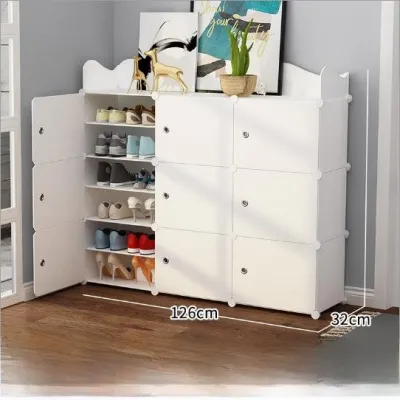
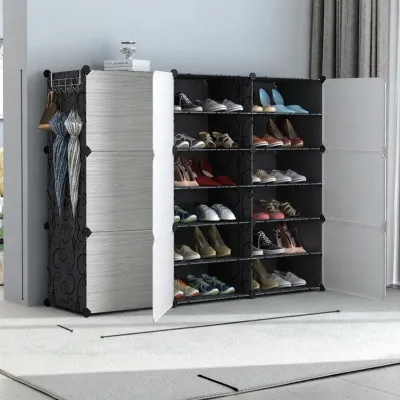
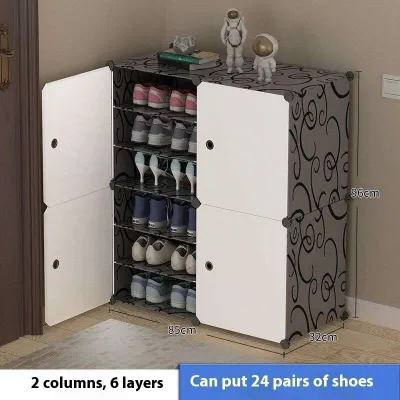
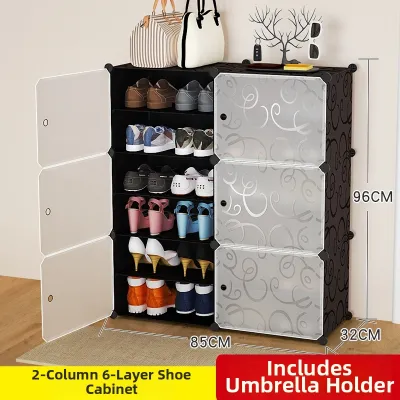
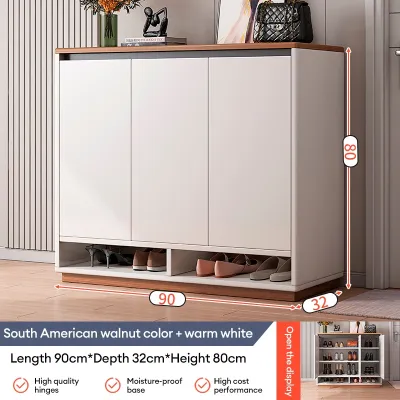
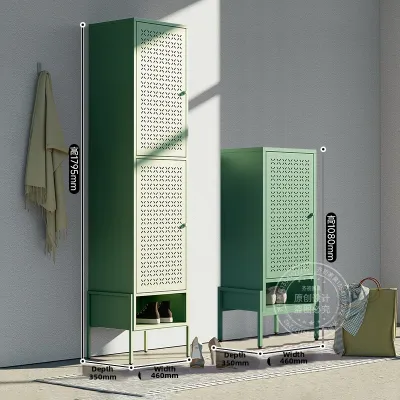
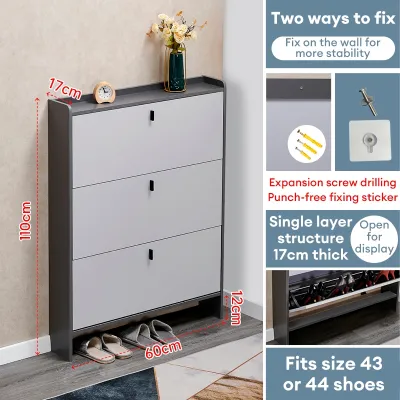
Prices are valid at publication and may change. Please refer to the product page for the latest price.
Another critical factor to verify is the weight capacity of the shelves and the overall structure. High ambient temperatures can soften standard plastics, making them more susceptible to bowing or warping when loaded with multiple pairs of heavy shoes. Look for reinforced shelving designs or models that specify a high load-bearing capacity per shelf.
Regularly inspect your plastic cabinet for early signs of environmental wear. Look closely for a chalky white residue on the surface, fine hairline cracks, or visible stress marks around the joints and hinges. These symptoms indicate that the polymer chains are breaking down due to UV exposure. Once the material begins to degrade in this manner, its structural integrity is compromised, and you should plan to replace the unit before it collapses.
Selecting Metal and Aluminum Options
Metal shoe cabinets offer a sleek, modern aesthetic and exceptional structural strength, but they face a constant threat from high humidity. To prevent rust from destroying your investment, prioritize materials like aluminum, galvanized steel, or high-quality powder-coated steel. Aluminum is naturally highly resistant to corrosion, making it an excellent choice for damp outdoor environments, while powder coating provides a thick, protective barrier over steel.

When evaluating a metal cabinet, pay close attention to the vulnerable points where moisture tends to accumulate. Inspect the hinges, screws, welded joints, and interior corners, as these are the areas where protective coatings are most likely to chip, wear thin, or be applied unevenly during manufacturing. Any exposed metal in these tight spaces will quickly begin to oxidize when exposed to humid air.
To maintain a metal cabinet’s longevity, establish a routine inspection plan. If you notice any scratches, chips, or minor rust spots, address them immediately rather than waiting for the damage to spread. Lightly sand the affected area to remove loose rust, clean it thoroughly, and apply a touch-up coat of rust-inhibiting paint or a specialized metal sealant to restore the protective barrier.
Managing Treated Wood and Composite Options
Wood brings a warm, natural aesthetic to outdoor spaces, but standard indoor wood products will fail rapidly if left outside. You must strictly avoid cabinets made from medium-density fibreboard (MDF), standard plywood, or particleboard. These engineered woods act like sponges, absorbing moisture from the humid air and swelling, warping, or completely disintegrating within a matter of months.
Instead, look for cabinets constructed from naturally weather-resistant hardwoods, such as teak, or high-quality outdoor-rated wood-plastic composites (WPC). Teak contains natural oils that repel water and pests, while composites combine wood fibers with plastic polymers to resist rot. Even with these premium materials, you must check the manufacturer’s care guidelines to understand the required maintenance schedule. Hardwoods typically require periodic applications of protective sealants, varnishes, or natural oils to maintain their water resistance and prevent graying.
Regularly monitor your wooden or composite cabinet for signs of water ingress. Look for swelling along the edges, warping of the doors, delamination of composite layers, or soft spots in the wood. If you detect these issues early, you may be able to dry the unit out and reapply a heavy-duty waterproof sealant, but extensive soft spots usually indicate structural rot that cannot be reversed.
Key Design Features for Wet and Humid Conditions
While material selection is foundational, the physical design of the shoe cabinet plays an equally vital role in mitigating moisture damage. Stagnant, humid air trapped inside a closed cabinet creates the perfect breeding ground for mold, mildew, and unpleasant odors. To combat this, prioritize cabinets featuring louvered doors, slatted shelves, or dedicated ventilation grilles that facilitate continuous airflow around your footwear.
Ground moisture is another major hazard, especially during heavy downpours when water can pool on balconies or corridor floors. Ensure your chosen cabinet is equipped with elevated legs or a raised base. This design feature prevents the bottom of the cabinet from sitting directly in standing water, stopping capillary action from drawing moisture upward into the frame.
Additionally, look for structural elements that actively shed rainwater. A sloped roof or a generous top overhang helps direct driving rain away from the cabinet’s doors, hinges, and front seams. By keeping the primary entry points dry, you significantly reduce the risk of water seeping into the interior compartments and ruining your shoes.
Placement and Maintenance for Longevity
Strategic placement is one of the simplest ways to extend the lifespan of your outdoor shoe cabinet. Whenever possible, position the unit in a shaded or semi-covered area, such as deep under a balcony awning, a recessed entryway, or a sheltered corridor. Minimizing direct exposure to harsh afternoon sunlight and driving monsoon rain will drastically reduce the rate of material weathering.
Post-storm maintenance is also crucial for preventing long-term damage. After a heavy downpour, take a few minutes to wipe down the exterior surfaces of the cabinet with a dry cloth. Pay special attention to clearing out any water that has collected in door tracks, drainage gaps, or around the base, as standing water accelerates rust on metal and rot in wood.
Finally, always prioritize safety when managing outdoor furniture. If you observe severe structural sagging, extensive rust that has eaten through metal joints, or widespread wood rot, stop using the cabinet immediately. In such cases, the structural integrity is compromised, posing a risk of tipping or collapse, and you should consult the manufacturer or replace the unit entirely.
Frequently Asked Questions (FAQ)
Can I keep a regular indoor shoe cabinet outside if I cover it?
Using a waterproof cover over a standard indoor shoe cabinet is generally ineffective in a humid tropical climate. Indoor cabinets made from MDF or untreated particleboard are highly sensitive to ambient humidity. A waterproof cover can actually trap moisture and warm air underneath, creating a greenhouse effect that accelerates mold growth, swelling, and structural warping. For outdoor storage, it is essential to use a cabinet constructed from inherently weather-rated materials.
How do I remove mold from an outdoor shoe cabinet?
To remove surface mold from non-porous materials like plastic or powder-coated metal, wipe the affected areas with a cloth dampened in a mild soap solution or a highly diluted vinegar mixture. Ensure you dry the surfaces completely after cleaning. If mold has penetrated deeply into porous wood or low-grade composite materials, surface cleaning will not solve the issue, as the spores remain embedded. In these cases, you should stop using the cabinet and replace it to protect your footwear and health.

Community discussion
Share your experience or ask a question. Comments are reviewed before publication.