
In Singapore’s compact HDB apartments and modern condominiums, maximizing floor space is a constant challenge. The empty void beneath your bed frame represents prime real estate that often goes underutilized or becomes a chaotic collection point for dust. Integrating a low-profile narrow shelf designed specifically for under-bed storage is one of the most efficient ways to reclaim this hidden square footage.
Unlike bulky storage boxes that are difficult to retrieve, a dedicated shelving system provides structure, easy access, and organization for items that would otherwise clutter your wardrobe. Finding the right fit requires balancing the physical constraints of your bed frame with the unique environmental demands of Singapore’s tropical climate. By selecting the correct dimensions, mobility features, and moisture-resistant materials, you can transform this unused gap into a highly functional storage zone.
How to Measure Your Under-Bed Clearance Before Buying
Before browsing local furniture stores or online marketplaces, you must obtain precise physical measurements of your under-bed space. The most critical dimension is the vertical clearance, which is the exact distance from the floor to the lowest point of your bed frame. Do not assume this height is uniform across the entire bed; measure from multiple points, paying close attention to the center support legs, the bottom edge of the side rails, and any low-hanging wooden slats or mattress support bars that sag slightly under weight.
Products mentioned in this guide
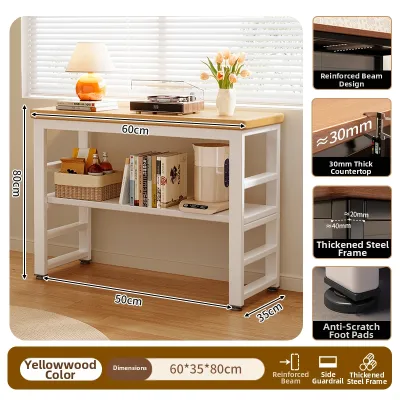
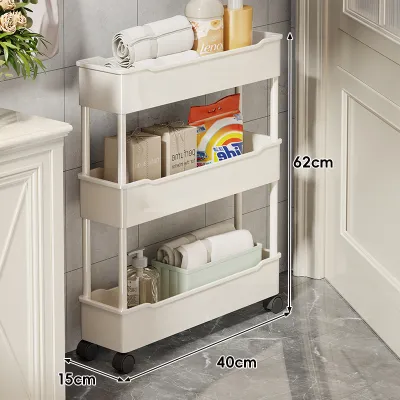
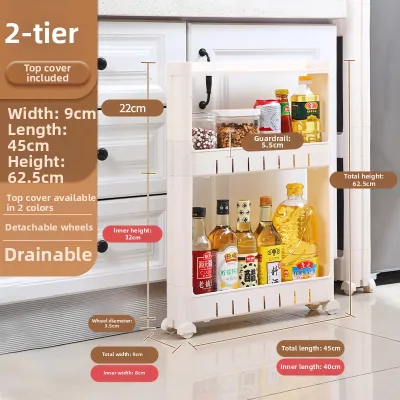
Prices are valid at publication and may change. Please refer to the product page for the latest price.
Next, determine the usable depth of the space beneath the bed. This is the distance from the outer edge of the bed frame to the center support beam, the wall, or the opposite side of the bed if you have access from both sides. Knowing this depth prevents you from purchasing a shelf that protrudes into your bedroom’s walking path or hits structural obstacles underneath. If your bed is positioned against a wall, your storage shelf must be short enough to be pulled out completely without hitting opposite walls or bedroom furniture.
You must also assess the surrounding floor area for potential movement obstacles. Take note of skirting boards along the walls, nearby built-in wardrobes with swinging doors, bedside tables, or thick floor rugs that could obstruct the path of a sliding shelf. A thick-pile carpet or a high-profile rug can significantly increase rolling resistance or catch on the bottom of a low-clearance unit, whereas smooth vinyl, tile, or parquet floors allow for easier movement.
Before finalizing your purchase, compile a comprehensive dimensions checklist to guide your search. You should write down the maximum allowable height (subtracting at least 2 to 3 centimeters for a safety margin), the maximum depth (ensuring it does not hit center supports), and the maximum width (considering how many units you want to place side-by-side). Keep these measurements handy on your phone to verify product specifications instantly when shopping.
Key Features to Look for in a Narrow Shelf
Selecting the right narrow shelf involves evaluating several mechanical and structural features to ensure it operates smoothly in a confined space. Mobility is the first major consideration. Models equipped with low-profile casters or smooth-rolling wheels are highly recommended, as they allow you to pull heavy loads out from under the bed with minimal physical strain. Look for multidirectional swivel wheels if you need to maneuver the shelf around tight corners, or fixed inline wheels if you want the shelf to slide straight out and back in without veering off course.

If you choose a wheeled model, verify whether the casters are lockable to prevent the shelf from shifting on its own when you climb into bed. For homes with delicate parquet or laminate flooring, look for soft polyurethane or rubber-coated wheels rather than hard plastic ones to avoid scratches. In contrast, if your bed has extremely low clearance where wheels cannot fit, a static shelf with smooth felt glides on the base might be the only viable option, though it requires more effort to pull out.
Height adjustability is another highly valuable feature to seek out. Some metal or wire shelving units offer adjustable tier heights, allowing you to customize the distance between shelves depending on what you plan to store. This flexibility is particularly useful if your storage needs change over time, enabling you to switch from storing flat shoe boxes to taller storage canisters without needing to buy a completely new unit.
Weight capacity and structural integrity must not be overlooked, especially if you plan to store heavy items like books, files, or luggage. Check the manufacturer’s specified load limit for both the individual shelves and the overall frame. A flimsy frame will sag over time under the weight of heavy items, which can cause the bottom of the shelf to scrape against your flooring or get stuck under the bed frame. Look for reinforced joints, cross-bracing, or thick-gauge metal frames to ensure long-term durability.
Finally, weigh the trade-offs between open and enclosed designs. Open shelving units offer superior airflow, making them excellent for items that need ventilation, and they allow you to see all your stored items at a single glance. However, they leave your belongings exposed to settling dust. Enclosed drawer-style shelves or units with fitted lids provide excellent dust protection and a cleaner, more streamlined aesthetic, but they slightly reduce the overall internal storage volume due to the thickness of the drawer walls and sliding mechanisms.
Best Types of Narrow Shelves for Small Bedrooms
Different bedroom layouts and storage needs call for specific shelving configurations. Understanding the primary design categories helps you match the shelf’s form factor to your specific lifestyle requirements.
Rolling Drawer-Style Shelves
Rolling drawer-style shelves consist of low-profile frames fitted with integrated pull-out drawers or fabric-lined bins on wheels. These units are designed to act as a secondary chest of drawers, sliding seamlessly under the bed to keep your belongings completely out of sight. The enclosed nature of these drawers makes them highly effective at preventing dust, lint, and pet hair from settling on your stored items.
These shelves are best suited for storing everyday clothing, extra bed linens, pillowcases, socks, and personal accessories that you need to access frequently. Because the drawers slide out individually or as a single unit, you can quickly grab what you need without exposing the rest of your stored items to the open air.
The primary advantage of rolling drawers is their superior dust protection and neat, tidy appearance. However, the trade-off lies in their storage capacity. The physical structure of the drawers, including the runners, side panels, and handles, takes up valuable millimeters of space, resulting in slightly less internal storage volume compared to an open wire rack of the same external dimensions.
Adjustable Wire or Metal Tiered Shelves
Adjustable wire or metal tiered shelves feature a rigid, open-frame design constructed from steel or aluminum wire grids. These units often come with multiple shelves that can be positioned at varying heights along the vertical support posts. The open wire construction allows for maximum airflow around your stored items, which is incredibly beneficial in preventing stagnant air pockets from forming under the bed.
These shelves are ideal for holding heavier, bulkier, or awkwardly shaped items such as travel luggage, electronics, seasonal sports gear, or large plastic storage containers. The high weight tolerance of metal frames makes them far more resilient under heavy loads than plastic or thin wood alternatives.
While these metal racks offer exceptional weight capacity, durability, and customization, they do not offer inherent protection from dust. To keep your items clean, you will need to pair these open shelves with separate lidded storage bins or fabric organizers. This combination gives you the structural strength of metal shelving with the protective benefits of enclosed storage.
Low-Profile Stackable Shelf Units
Low-profile stackable shelf units are modular, static organizers made from lightweight plastics, resins, or engineered wood. These units are designed to sit flat on the floor without wheels, maximizing every millimeter of vertical clearance. They can be linked together horizontally or stacked on top of one another if your bed frame has exceptionally high clearance.
These modular units are best utilized for long-term, seasonal storage of lightweight items, such as holiday decorations, archival document boxes, craft supplies, or winter clothing that you only need to access once or twice a year. Because they lack wheels, they are not intended for daily retrieval.
The main benefit of stackable shelves is their ability to fit into extremely tight vertical spaces where wheeled units cannot go. They are also highly customizable, allowing you to add or remove sections as your storage needs evolve. The drawback is the lack of mobility; accessing items at the back of the shelf requires you to physically slide, drag, or lift the entire unit out from under the bed, which can be cumbersome and may scratch your floors if not done carefully.
Choosing Moisture-Resistant Materials for Singapore's Climate
Singapore’s tropical climate features persistently high humidity levels, which can create a challenging environment for under-bed storage. Because the space beneath a bed has limited airflow, moisture can easily accumulate, leading to mold growth, musty odors, and material degradation. Selecting the right materials for your narrow shelf is essential to protect both the furniture and your stored belongings.
Powder-coated steel and aluminum are excellent structural choices for Singaporean homes. The powder-coating process applies a protective polymer barrier over the metal, which prevents moisture from coming into direct contact with the steel and causing rust. These metal shelves are incredibly strong, do not warp under heavy loads, and are highly resistant to mold. When shopping, inspect the joints, welds, and screw holes carefully; ensure the protective coating is completely intact, as any exposed metal can quickly rust in humid conditions.
High-density polyethylene (HDPE) and polypropylene plastics offer complete immunity to moisture, rot, and mold. These synthetic materials do not absorb water, making them incredibly easy to clean and sanitize with standard household wipes. Plastic shelves are also lightweight and highly affordable. However, they have lower weight capacities than metal frames and can bow or sag permanently if overloaded with heavy books or dense items over long periods.
Engineered wood, such as medium-density fiberboard (MDF) or particle board, should be approached with caution for under-bed storage. Untreated or poorly sealed wood composites act like sponges, absorbing ambient moisture from the air and water spills from daily floor mopping. This moisture absorption causes the wood to swell, warp, peel, and harbor mold spores. If you prefer the look of wood, ensure the shelf is fully sealed with a water-resistant laminate or polyurethane finish on all sides, including the bottom edges that touch the floor.
To maintain a healthy under-bed environment, practice proactive maintenance. Regularly pull out your shelves to sweep or vacuum away dust, which can trap moisture and encourage mold growth. Wipe down the shelves with a dry or lightly damp microfiber cloth, ensuring they are completely dry before sliding them back under the bed. Placing disposable moisture absorbers, silica gel packets, or activated charcoal bags on the shelves is a highly effective way to control local humidity and eliminate musty odors.
How to Organize and Maximize Your Under-Bed Shelf Space
Once you have selected and assembled your narrow shelf, implementing a strategic organization system will help you maximize its storage potential. Start by using uniform, stackable storage bins that fit the exact dimensions of your shelf tiers. Utilizing matching rectangular bins eliminates wasted triangular gaps and corner spaces, creating a clean visual look while protecting your items from dust. Transparent plastic bins are particularly useful, as they allow you to identify the contents without having to open every container.
Establish a practical zoning strategy based on how frequently you need to access your belongings. Place daily or weekly items, such as frequently worn shoes, pajamas, or workout gear, at the very front of the shelf or on the top tier where they are easiest to reach. Reserve the back of the shelf or the bottom tiers for seasonal items, travel gear, or archival documents that you only need occasionally. This minimizes the amount of time and effort required to retrieve your most common items.
To prevent items from sliding around when you pull the shelf out or push it back in, install non-slip shelf liners or silicone drawer mats. These liners provide traction, keeping your bins and loose items securely in place during movement. They also add an extra layer of protection for the shelf surface, preventing scratches and containing minor spills or dirt from shoes.
Finally, do not underestimate the power of clear labeling. Because under-bed storage is naturally out of your direct line of sight, it is easy to forget what is stored where over time. Attach clear, bold labels to the front-facing side of every storage bin or drawer. This simple step ensures that every family member can find what they need instantly, preventing unnecessary searching and keeping your under-bed storage system organized for the long term.
Frequently Asked Questions (FAQ)
How much weight can a typical narrow under-bed shelf hold?
The weight capacity of a narrow under-bed shelf varies significantly depending on its construction materials, frame thickness, and wheel quality. Lightweight plastic or fabric-hybrid shelves typically support between 5 to 10 kilograms per tier. In contrast, heavy-duty powder-coated steel wire shelves can often support 15 to 30 kilograms per shelf, provided the weight is distributed evenly. Always consult the manufacturer’s specific load guidelines and avoid placing heavy items on a single point to prevent warping or structural failure.
Are fabric under-bed storage bins better than narrow shelves?
Fabric storage bins and rigid narrow shelves serve different purposes. Fabric bins are lightweight, highly affordable, collapsible when not in use, and excellent for soft goods like winter jackets or extra blankets. However, they lack structural support, can sag or tear under heavy loads, and do not slide as smoothly as wheeled shelves. Rigid narrow shelves offer superior durability, better stackability, and protect fragile items from being crushed under the bed.
How do I prevent dust from collecting on open under-bed shelves?
To keep dust off open under-bed shelves, store your items inside lidded plastic boxes, zippered fabric organizers, or vacuum-sealed storage bags before placing them on the rack. This setup combines the structural strength and airflow of a metal shelf with the dust protection of an enclosed container. Additionally, perform regular maintenance by vacuuming under your bed using a low-profile crevice tool attachment at least once a month to keep dust accumulation to a minimum.
Community discussion
Share your experience or ask a question. Comments are reviewed before publication.