
Finding furniture that serves multiple purposes is a necessity for anyone living in a compact Singapore apartment. With standard Housing & Development Board (HDB) flat sizes and modern condominium layouts requiring strategic space planning, every square meter of floor space must be utilized efficiently. Multi-functional storage benches offer an elegant solution to this spatial puzzle by combining comfortable seating with hidden, accessible storage compartments. By integrating these dual-purpose pieces into your foyer, living room, or bedroom, you can keep daily clutter out of sight while maintaining an open, welcoming home environment.
Selecting the right storage bench requires balancing physical dimensions, aesthetic appeal, and functional utility. A poorly chosen piece can easily block walkways, restrict door clearances, or degrade quickly under the stress of daily use and tropical humidity. To make an informed investment, you must understand how to evaluate these products against your home’s layout, choose the correct design category for your specific needs, and verify crucial structural details before finalizing your purchase.
How to Evaluate Storage Benches for Compact Singapore Homes
Before browsing online catalogs or visiting local furniture showrooms, you must establish a clear set of criteria based on your home’s physical layout and daily routines. Evaluating a storage bench involves analyzing your available floor space, assessing the piece’s multi-functional utility, and selecting materials capable of withstanding local environmental conditions.
Products mentioned in this guide
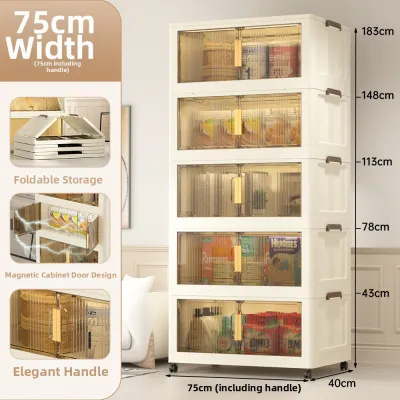
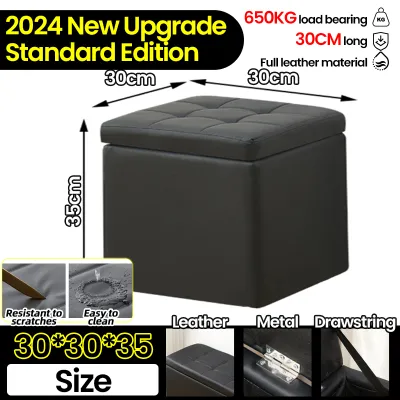
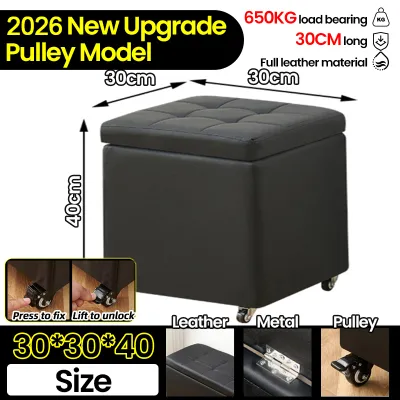
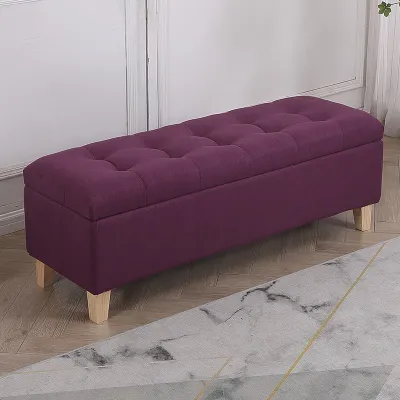
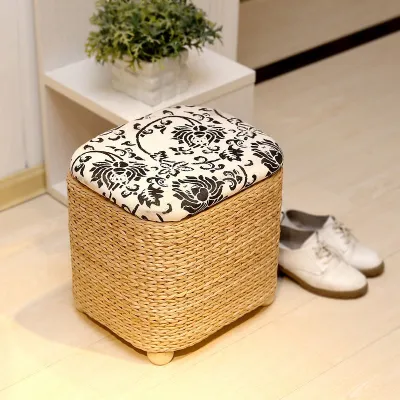
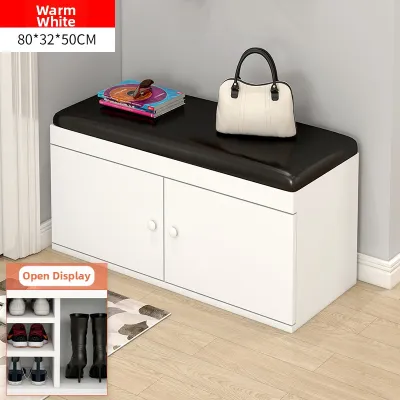
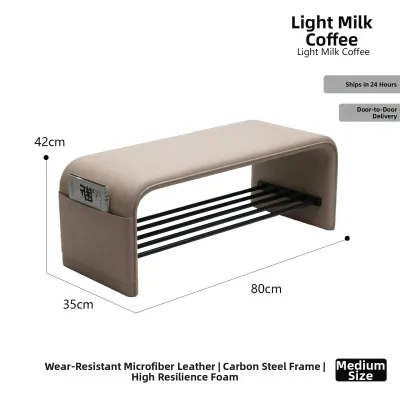
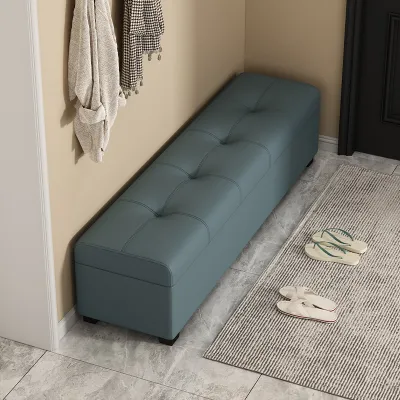
Prices are valid at publication and may change. Please refer to the product page for the latest price.
Space Planning and Footprint
Accurate spatial planning is the foundation of successful furniture integration in compact homes. When measuring your intended location, do not rely solely on open wall measurements; you must account for architectural details that affect how a piece of furniture sits in a room. Skirting boards, for example, typically project 1.5 to 2 centimeters from the wall, preventing flat-backed benches from sitting completely flush unless the design includes a rear recess.
You must also map out the swing paths of nearby doors and cabinets. In a narrow foyer, a heavy main door or a bomb shelter door requires a specific clearance arc; a bench that sits even slightly within this path will cause daily frustration and potential surface damage. Walkway clearance is equally critical. For high-traffic areas like entryways and corridors, aim to preserve a clear path of at least 90 to 100 centimeters. This ensures that household members can walk past comfortably without having to turn sideways or bump into the furniture.
Multi-Functionality Assessment
The true value of a multi-functional storage bench lies in its ability to perform all its designated roles simultaneously without one function compromising another. For instance, if you choose a bench primarily for entryway seating, the storage compartment should be easily accessible even when someone is sitting on it. Benches that require you to lift the entire seating lid to access the contents can be inconvenient if you use the storage for items you need to retrieve daily, such as shoes or keys.
Look for designs that incorporate lateral drawers, open lower shelves, or drop-down front panels. These mechanisms allow you to retrieve stored items while the top surface remains occupied. Additionally, consider whether the bench can serve a tertiary purpose, such as acting as a temporary room divider between an open-concept kitchen and living room, or doubling as a side table when placed next to a sofa.
Material and Climate Considerations
Singapore’s tropical climate, characterized by high relative humidity that frequently exceeds 80 percent, presents unique challenges for furniture preservation. Standard materials like untreated medium-density fibreboard (MDF) or low-grade particleboard can absorb airborne moisture over time, leading to swelling, structural warping, and mold growth. Therefore, you must check the manufacturer’s specifications for protective surface treatments.
Look for benches finished with high-pressure laminates, polyurethane lacquers, or water-resistant sealants that shield the core material from moisture. If you prefer solid wood, ensure it is a species naturally resilient to humidity, such as treated teak or oak, and verify that it has been properly kiln-dried and sealed. Ventilation is another critical factor. Storage compartments should feature slatted doors, open backs, or dedicated ventilation eyelets to encourage continuous airflow, preventing musty odors from developing on stored fabrics or footwear.
Best Multi-Functional Storage Bench Types for Space-Saving
Different areas of your home demand different functional configurations. To help you identify the most effective design for your specific living space, we have categorized the most common and practical storage bench types available on the market today.

Entryway Shoe Storage Benches with Integrated Seating
The entryway is the first zone of your home, and in compact layouts, it is often the most cluttered. An entryway shoe storage bench addresses the dual challenge of organizing footwear and providing a stable platform for putting on or removing shoes.
Design and Ventilation Features These benches typically feature open slatted shelves, wire mesh racks, or drop-front cabinets beneath a solid or upholstered seating surface. Open slatted designs are highly recommended for Singapore entryways because they maximize air circulation around damp or warm shoes, allowing them to dry quickly after a rainy day. Drop-front shoe cabinets keep footwear completely out of sight, presenting a cleaner visual profile, but they must feature rear ventilation holes to prevent humidity buildup.
Depth and Clearance Constraints Because foyers in HDB flats and executive condominiums are often narrow, the depth of your entryway bench is critical. Look for slim-profile designs with a depth of 30 to 35 centimeters. A bench within this range can comfortably accommodate standard shoe sizes without protruding excessively into the entryway corridor. If your household has larger shoe sizes, look for designs with angled internal shelves, which allow shoes to be stored diagonally to save depth.
Weight Capacity and Floor Protection Always verify the manufacturer’s specified weight capacity for the seating surface. A reliable entryway bench should support at least 100 to 120 kilograms for single-seater models, and up to 200 kilograms for wider designs meant to accommodate two people simultaneously. Furthermore, ensure the bench is equipped with non-slip, non-marking rubber feet or felt pads. These protect delicate flooring materials, such as polished homogeneous tiles, luxury vinyl tiles (LVT), or engineered timber, from scratches caused by the bench shifting under weight.
Fold-Down or Expandable Benches for Dining and Working
For homes where the dining area or living room must also function as a home office, fold-down or expandable storage benches offer exceptional versatility. These transformable pieces of furniture adapt to different times of day, folding away to maximize floor space when not in use.
Mechanical Hardware and Stability These benches feature integrated drop-leaf tables, pull-out desks, or nesting stools that slide out from the main storage body. The longevity of an expandable bench depends heavily on its mechanical hardware. Look for heavy-duty steel hinges, smooth-glide ball-bearing drawer runners, and secure locking pins that hold the extended components firmly in place. When the table or desk is expanded, the structure must remain perfectly stable under downward pressure; check that the design includes support legs that distribute weight evenly to the floor.
Storage Capacity vs. Mechanism Space Because these benches house complex folding mechanisms, their internal storage capacity is often smaller than that of standard static benches. You must evaluate this trade-off carefully. Inspect the internal dimensions of the storage compartment to ensure it can still hold your targeted items, such as laptop chargers, documents, or dining linens. The moving parts of the mechanism should be physically isolated from the storage zone so that stored items do not obstruct the folding action or get caught in the hinges.
Ease of Use and Safety Locks Consider the physical effort required to transform the bench. High-quality models utilize gas-lift struts or counterbalanced spring systems that allow a single person to open or close the mechanism smoothly without straining. Ensure the bench features safety locks or magnetic catches that prevent the expandable sections from sliding open accidentally, which can be a safety hazard in tight spaces where residents might bump into the furniture.
Upholstered Storage Ottomans and Lift-Top Benches
Upholstered storage ottomans and lift-top benches are ideal for living rooms and bedrooms, where soft textures and deep storage are highly valued. These pieces serve as comfortable footrests, casual coffee tables, and deep storage chests for bulky household items.
Fabric Durability and Maintenance Because these benches feature fabric coverings, selecting a durable and easy-to-clean material is essential. Look for performance fabrics that offer high stain resistance and a high Martindale rub count (ideally 20,000 rubs or higher for domestic use). Synthetic fibers like polyester blends, microfibers, or treated canvas are excellent choices for Singapore homes because they resist moisture absorption and are easy to spot-clean. Always consult the manufacturer’s care label before applying any cleaning solutions, and perform a spot test on a hidden area of the fabric.
Lid Safety and Hinge Mechanisms Lift-top benches feature heavy upholstered lids that can pose a safety risk if they slam shut unexpectedly. To prevent finger-trapping accidents, especially in households with young children or elderly family members, choose benches equipped with safety tension hinges or soft-close gas struts. These specialized hinges hold the lid open at any angle and ensure it descends slowly and gently when closed. Avoid simple lift-off lids unless they are exceptionally lightweight, as they can be cumbersome to lift and place aside when retrieving items.
Storage Efficiency and Footprint Compare the internal volume of the ottoman against its external footprint. Some heavily padded designs feature exceptionally thick walls and baseboards, which reduce the actual storage space while taking up significant floor area. For a compact home, look for streamlined designs with thin but structurally sound walls (constructed from high-quality plywood or metal frames) that maximize the interior storage capacity without occupying excessive physical space in your room.
Comparing Multi-Functional Storage Bench Designs
To help you determine which storage bench category best aligns with your home layout and functional requirements, the table below compares the key design characteristics and maintenance priorities of each type.
| Bench Type | Primary Functions | Best Suited Area | Space Footprint Profile | Key Maintenance Check |
|---|---|---|---|---|
| Entryway Shoe Bench | Seating, shoe organization, small item storage | Foyer, narrow entryways, bomb shelter corridors | Shallow depth (30–35 cm), medium height | Clean slatted ventilation paths; tighten leg joints periodically |
| Expandable/Fold-Down Bench | Seating, hidden storage, workspace/dining extension | Dining rooms, study nooks, living-dining areas | Medium depth, variable width when extended | Lubricate mechanical hinges; inspect locking pins for wear |
| Upholstered Ottoman | Soft seating, deep storage, footrest/coffee table | Living rooms, family rooms, foot of the bed | Deep footprint (40–50 cm square or rectangular) | Vacuum fabric regularly; check tension on soft-close gas struts |
What to Verify Before Buying and Assembling Your Bench
Once you have selected a specific storage bench design, you must perform several final verification steps to ensure the piece fits your home safely and can be assembled without complications.
Dimension Verification
Before placing your order, conduct a physical walkthrough of the installation site with a measuring tape. Mark the exact footprint of the bench on your floor using masking tape or painter’s tape. This simple exercise provides a realistic visual representation of how the bench will affect the flow of movement in the room.
Additionally, check the vertical space directly above and behind the proposed bench location. Ensure the bench will not block access to critical wall fixtures, including:
- Electrical outlets and USB ports
- Light switches and air-conditioning controllers
- Data points and fiber optic termination points
- The lower edge of your home's distribution board (DB box) door
If the bench features pull-out drawers or drop-down doors, measure the clearance path in front of the bench to ensure these compartments can open fully without striking walls, rugs, or other furniture.
Delivery and Access
Many homeowners overlook the logistics of moving furniture from the delivery vehicle to the final room. You must verify whether the bench will arrive fully assembled or flat-packed. For fully assembled benches, measure the width and height of all entry points, including:
- The service lift or passenger lift door and interior cabin dimensions
- The main corridor width and any sharp 90-degree turns
- Your home's front gate and main door frame clearance
If the bench is flat-packed, verify the dimensions of the largest box to ensure it can be transported safely. Flat-packed furniture is easier to navigate through tight spaces, but it requires set assembly time and tools. Confirm if the retailer provides professional on-site assembly services, or if you will need to prepare your own tools, such as a rubber mallet, a spirit level, and a screwdriver set.
Safety and Stability
Safety is paramount, particularly for benches that feature tall backrests, integrated coat racks, or heavy pull-out drawers. If the center of gravity shifts forward when drawers are fully extended, the bench can tip over, posing a risk of injury. Check if the manufacturer includes an anti-tip wall anchoring kit, and follow the installation instructions strictly to secure the bench to your wall if required.
When assembling the bench yourself, read the manufacturer’s instruction manual completely before starting. Tighten all cam locks, screws, and dowels securely, but avoid over-tightening, which can strip the threads or crack the engineered wood panels. If you discover any misaligned pre-drilled holes, damaged panels, or missing hardware during the unboxing process, do not attempt to force the assembly. Stop immediately and contact the manufacturer or retailer’s customer support team for replacement parts to ensure the structural integrity of the finished piece is not compromised.
Frequently Asked Questions (FAQ)
How much weight can a typical storage bench hold?
The load-bearing capacity of a storage bench varies significantly based on its structural materials, joint construction, and overall width. Generally, a high-quality entryway or dining storage bench constructed with a solid wood or reinforced steel frame can support between 120 and 150 kilograms for a single-seat section, and up to 200 to 250 kilograms for double-seat configurations. Benches constructed from thin particleboard or lightweight MDF typically have much lower weight limits, often capped around 80 to 100 kilograms. To ensure safety and prevent structural failure, always check the manufacturer’s officially specified weight rating for both the seating surface and the internal shelves before purchasing.
Are storage benches suitable for humid areas like bathrooms?
Most standard storage benches are not suitable for high-moisture environments like bathrooms. Standard wood, upholstered fabrics, and standard MDF will quickly degrade, warp, or develop mold when exposed to steam and direct water contact. If you require a storage bench for a bathroom or a semi-outdoor balcony, you must verify that the product is specifically rated for wet-area use. Look for benches constructed from moisture-resistant materials, such as marine-grade polymer, powder-coated aluminum, or naturally water-resistant woods like premium treated teak. Additionally, ensure the space has adequate mechanical ventilation, such as an exhaust fan, to keep humidity levels low and protect the furniture over the long term.
Community discussion
Share your experience or ask a question. Comments are reviewed before publication.