
Maximising floor area in a compact HDB flat or condominium requires furniture that works twice as hard. A multi-functional wooden bench provides the perfect combination of comfortable seating and hidden storage, making it an excellent choice for space-constrained Singapore homes. By choosing a piece that serves both functional and aesthetic purposes, you can keep your living spaces organised, welcoming, and free of visual clutter.
Selecting the right wooden bench involves balancing dimensions, storage mechanisms, and material finishes to suit your specific room layout. Whether you need a streamlined shoe organiser for a narrow entryway, a blanket chest for the foot of your bed, or a low-profile window seat, understanding what to look for ensures your investment remains durable and practical. This guide breaks down the essential selection criteria, spatial planning steps, and maintenance practices to help you find the ideal storage bench for your home.
Why Wooden Storage Benches Are Ideal for Compact HDBs and Condos
Space is a premium commodity in modern Singapore apartments, where entryway corridors are often narrow and bedrooms must accommodate multiple storage needs. A wooden bench solves this spatial puzzle by occupying a single footprint while performing two distinct roles: providing a sturdy seat and housing a concealed storage compartment. This dual-purpose design eliminates the need for separate, bulky storage units and standalone chairs, freeing up valuable floor space and creating a more open, breathable home environment.
Products mentioned in this guide
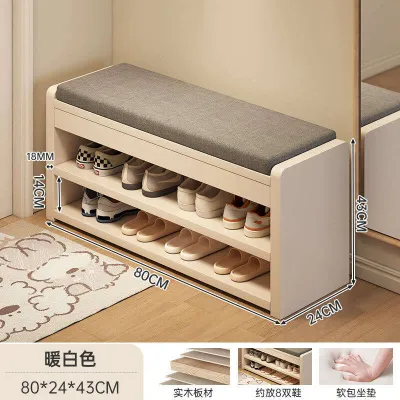
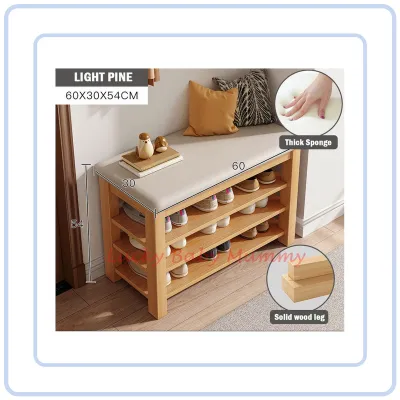
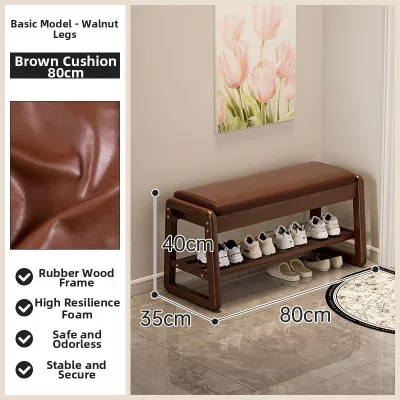
Prices are valid at publication and may change. Please refer to the product page for the latest price.
Beyond sheer utility, wood brings an organic warmth that balances the clean lines and hard surfaces of modern interior design. Many local apartments feature tiled or vinyl flooring alongside minimalist white walls, which can sometimes feel sterile. Introducing a wooden bench—whether crafted from warm teak, light oak, or rich walnut veneers—adds texture and character to the space. The natural grain patterns create a welcoming focal point, making your home feel more grounded and inviting from the moment you step through the door.
Concealing everyday items is also crucial for maintaining a calm, stress-free living environment. Visual clutter, such as scattered shoes, bags, and loose accessories, can make even a well-designed room feel cramped and chaotic. A storage bench allows you to sweep these items out of sight instantly, keeping your home tidy without sacrificing accessibility. This hidden storage capacity is particularly beneficial for busy households where quick, convenient storage solutions are essential for daily organization.
Key Features to Look for in Space-Saving Wooden Benches
Dimensions and Proportions
Before purchasing a bench, you must carefully evaluate its physical dimensions relative to your room’s layout. For narrow hallways or entryways, look for shallow-depth benches measuring between 30 cm and 35 cm to ensure they do not block the main walkway. The standard seating height for a comfortable bench is between 40 cm and 45 cm, which aligns well with typical dining chairs and sofa heights. Ensure the overall length of the bench leaves at least 10 cm to 15 cm of clearance on either side of adjacent walls or doorways to prevent a cramped appearance.

Storage Mechanisms
The way a bench opens and stores items dictates how easy it is to use on a daily basis. You can choose from three primary storage styles, each offering distinct advantages:
- Lift-top lids: These feature a seat that hinges upward, exposing a deep, continuous storage chest underneath. This design is highly efficient for storing bulky, infrequently used items like winter wear, extra bedding, or travel gear. However, you must clear any cushions or decorative items off the seat before opening the lid.
- Pull-out drawers: Benches with drawers or pull-out bins offer convenient, compartmentalised storage that is easy to access without disturbing anyone sitting on the bench. This style is excellent for organising smaller items like socks, dog leashes, or mail, though the drawer slides require extra clearance space to extend fully into the room.
- Open lower shelves: Featuring slatted wood or wire racks beneath the seat, open shelving provides immediate access to frequently used items. This setup is highly practical for shoe storage, as it allows you to slip shoes on and off quickly without operating any doors or drawers.
Wood Finishes and Treatment
Singapore’s tropical climate, characterised by high relative humidity and warm temperatures, demands careful attention to wood finishes. Unprotected wood can absorb moisture from the air, leading to warping, swelling, or mold growth. When shopping, verify that the bench has been treated with a moisture-resistant sealant, polyurethane lacquer, or water-resistant oil finish. These protective coatings seal the wood pores, making the surface easier to wipe clean and protecting the frame from occasional liquid spills or damp footwear.
Safety Hardware
For benches featuring lift-top lids, high-quality safety hardware is non-negotiable, particularly in households with young children or elderly family members. Look for designs equipped with soft-close hinges, hydraulic gas struts, or safety lid stays. These mechanisms prevent the heavy wooden lid from slamming shut unexpectedly, protecting fingers from getting trapped and reducing wear and tear on the wood joints. Test the lid to ensure it can hold its position at various angles without falling under its own weight.
Best Types of Wooden Storage Benches for Different Rooms
Entryway Shoe Storage Benches
The entryway serves as the transition zone between the outside world and your home, making it prone to shoe clutter and dropped bags. A shallow-depth entryway bench helps establish an organised drop-zone without obstructing the front door’s swing path. Look for models that combine a solid wooden seat with ventilated lower compartments. This configuration provides a stable place to sit while putting on or taking off footwear, keeping your daily-wear shoes neatly tucked away but easily accessible.
In Singapore’s humid climate, proper ventilation is essential for shoe storage to prevent dampness and unpleasant odours. Benches with open slatted shelves or cabinet doors featuring woven rattan or louvred panels allow air to circulate freely around your shoes. If you prefer a cushioned seat for comfort, choose a bench with a removable, washable fabric cover, or opt for a smooth, hard wooden top that can be easily wiped down with a damp cloth after holding grocery bags or wet umbrellas.
Bedroom End-of-Bed Storage Benches
Placing a storage bench at the foot of your bed is an excellent way to utilise underused floor space while adding a touch of boutique-hotel elegance to your bedroom. This placement is ideal for storing extra bed linens, heavy blankets, or seasonal clothing that does not fit inside your primary wardrobe. When selecting a bedroom bench, choose a design that matches or complements your bed frame’s wood tone to create a cohesive, balanced look.
To maintain comfortable movement around the bedroom, measure the clearance between the end of the bench and the opposite wall, wardrobe doors, or walkway. You should aim for at least 60 cm of open space to walk past comfortably. Lift-top designs with safety stays are particularly well-suited for this position, as they provide deep, undivided storage compartments that can accommodate bulky items like spare pillows or duvets without snagging delicate fabrics on exposed drawer runners.
Living Room Window or Console Benches
Living rooms often contain awkward architectural features, such as bay windows or empty spaces behind floating sofas, that are difficult to furnish. A low-profile, elongated wooden bench can transform a bay window into a cosy reading nook while preserving the flow of natural light into the room. Opt for a bench height that sits just below the window sill, and add a custom seat cushion to create an inviting spot to relax.
Alternatively, a console-style storage bench placed behind a floating sofa can act as a subtle room divider in open-plan layouts. Benches with front-facing drawers or sliding doors are ideal for this setup, allowing you to store media remotes, board games, coasters, or reading materials within arm’s reach of the seating area. Ensure the wood finish of the bench coordinates with your coffee table or television console to maintain visual harmony across the entire living space.
How to Measure and Plan Your Space Before Buying
Space Mapping
To avoid purchasing a bench that is too large or awkward for your room, you should physically map out its footprint on your floor before making a decision. Use painter’s tape or masking tape to outline the exact width and depth of the bench on the floor. Leave this tape in place for a day or two as you move around the room to assess how the physical presence of the furniture will impact your daily foot traffic. Ensure that there is a minimum of 60 cm to 80 cm of clear walkway space around the taped outline so family members can pass each other without bumping into the bench.
Delivery and Access Checks
Many high-quality wooden benches are delivered fully assembled, which means you must plan for the delivery path as carefully as the final placement. Measure the height and width of your apartment’s entry door, any tight corridor turns, and the dimensions of your building’s lift cabin. Solid wood furniture cannot be disassembled or bent to navigate tight corners, so verifying these access points beforehand prevents delivery day complications. If your building only has stair access or narrow lift doors, look for flat-pack designs that can be assembled directly inside your apartment.
Clearance for Operation
A bench’s functional footprint extends beyond its closed dimensions when you start opening drawers or lifting lids. If you choose a bench with pull-out drawers, measure the depth of the drawer when fully extended and add at least 40 cm of standing room so you can comfortably access the contents. For lift-top designs, ensure there are no low-hanging wall shelves, light fixtures, or wall-mounted televisions directly above the bench that could obstruct the lid when it is fully opened.
Maintenance and Care for Wooden Furniture in Humid Climates
Routine Cleaning
Keeping your wooden bench clean is the first step in preserving its finish and structural integrity. Dust the surface at least once a week using a soft, dry microfiber cloth to remove abrasive dust particles that can scratch the protective lacquer over time. If a liquid spill occurs, blot it immediately with a clean, dry cloth rather than wiping, which can spread the moisture. Avoid letting water pool on the surface, as this can penetrate the finish and cause unsightly water rings or localized wood swelling.
Environmental Placement
To prevent your wooden bench from warping, cracking, or fading, you must position it away from extreme environmental conditions. Avoid placing the bench in direct, harsh afternoon sunlight, as prolonged UV exposure can break down protective finishes and cause the wood to discolour or split. Similarly, keep the bench away from the direct path of air-conditioning drafts. The rapid temperature fluctuations and dry air from air-con units can cause the wood to lose moisture too quickly, leading to shrinkage and loose joints.
Humidity Management
Singapore’s indoor humidity can fluctuate significantly, creating an environment where mold and mildew thrive, especially in enclosed spaces. If your bench features closed storage compartments, place disposable moisture absorbers or silica gel packets inside to keep the interior air dry. Periodically leave the cabinet doors or lift-top lid open for a few hours on dry days to allow fresh air to circulate through the storage area, preventing musty odours from developing on stored linens or shoes.
Surface Care
Always consult the manufacturer’s care label before applying any commercial polishes, waxes, or cleaning agents to your wooden bench. Many modern finishes only require a light wipe with a slightly damp cloth followed immediately by a dry microfiber buff. Avoid using harsh chemical cleaners, multi-purpose sprays, or abrasive scouring pads, as these can strip away the protective sealant and leave the raw wood vulnerable to moisture. If the wood begins to look dry or dull after several years, apply a high-quality wood wax or oil recommended by the manufacturer to restore its natural lustre.
Frequently Asked Questions (FAQ)
How much weight can a typical wooden storage bench hold?
The load capacity of a wooden storage bench depends heavily on its frame construction, material thickness, and joinery methods. Generally, a well-constructed solid wood bench can support between 120 kg and 200 kg of static weight, making it perfectly safe for two adults to sit on simultaneously. To ensure maximum stability, look for structural indicators such as thick solid wood legs, reinforced corner brackets, and traditional mortise-and-tenon or dowel joinery. Avoid benches that rely solely on thin panels, glue, or simple staples, as these are prone to wobbling and structural failure over time. Always check the manufacturer’s specifications for the exact weight limits of your chosen model.
Is solid wood better than engineered wood for storage benches?
Both materials offer distinct advantages depending on your budget, aesthetic preferences, and maintenance habits. Solid wood (such as teak, oak, or rubberwood) is highly durable, can be sanded down and refinished if scratched, and possesses a premium, natural appearance. However, solid wood is more reactive to humidity fluctuations and requires careful environmental placement to prevent warping. High-quality engineered wood (such as plywood or MDF finished with a real wood veneer) offers excellent dimensional stability, meaning it is less likely to expand or contract in Singapore’s humid climate. It is also generally more budget-friendly, though you must ensure the edges are fully sealed to prevent moisture from penetrating the inner core.
Community discussion
Share your experience or ask a question. Comments are reviewed before publication.