
Finding the right furniture for space-constrained Singapore homes requires balancing physical dimensions with multi-functional utility. In modern HDB flats and condominiums, where square footage is at a premium, every piece of furniture must justify its footprint. Integrating a dedicated stool storage solution is an effective way to eliminate visual clutter, provide flexible seating for guests, and keep daily essentials organized without requiring bulky, permanent cabinets.
By serving as both comfortable seating and a hidden storage compartment, these versatile pieces adapt to the shifting needs of compact households. Whether you are trying to optimize a narrow entryway, add seating to a dining nook, or make use of a tight bedroom corner, selecting the right storage stool requires a careful evaluation of structural integrity, material suitability, and spatial constraints.
Key Features to Evaluate for Stool Storage in Compact Spaces
Before purchasing any storage stool, you must assess several physical and structural criteria to ensure the piece is safe, functional, and compatible with your home’s layout.
Products mentioned in this guide
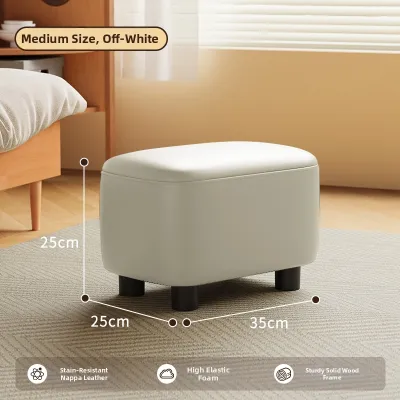
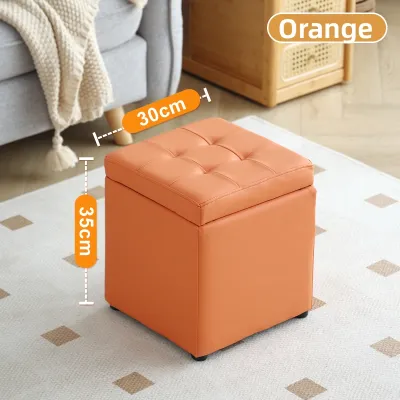
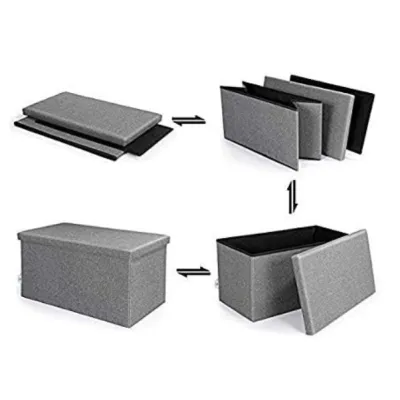
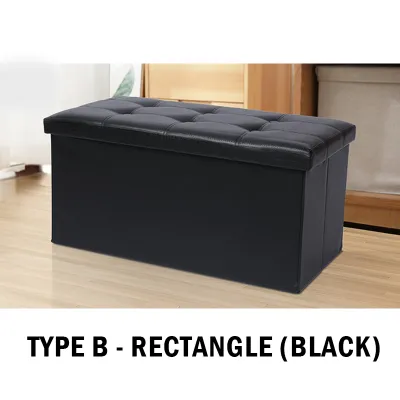
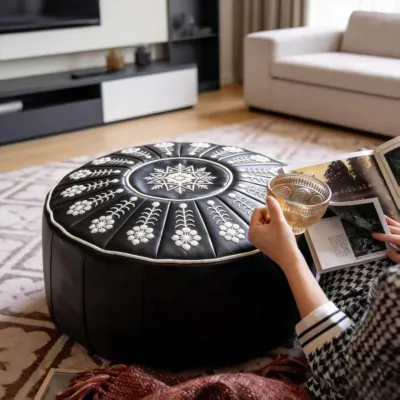
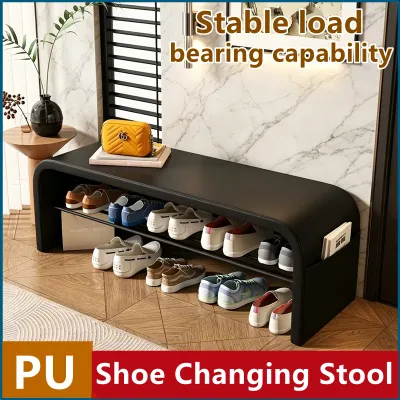
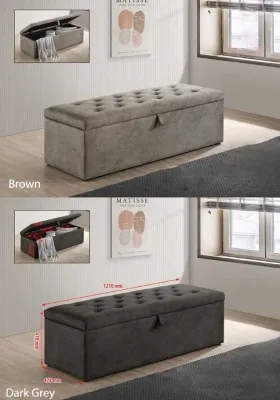
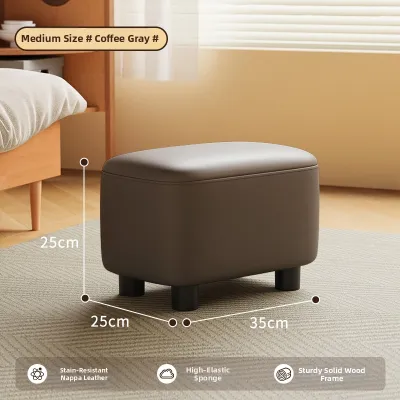
Prices are valid at publication and may change. Please refer to the product page for the latest price.
Spatial Footprint and Delivery Access
Always measure the exact floor area where you plan to position the stool. In compact Singapore layouts, even a few centimeters of overhang can obstruct walkways or prevent doors from opening fully. Beyond the final placement zone, you must verify the delivery path. Measure the width of your front door, the clearance of your HDB metal gate, and the interior dimensions of your building’s lift car. A storage bench that arrives fully assembled must be able to navigate these tight corners and corridors without causing damage to your walls or the furniture itself.
Weight Capacity and Frame Stability
A storage stool must be structurally sound enough to support the weight of an adult safely. Do not rely solely on the name of the exterior material (such as faux leather or linen) to judge its strength. Instead, check the manufacturer’s specified weight capacity, which should ideally be at least 100 kg for a single seat and over 150 kg for a bench. Look for frames reinforced with solid wood, high-density fiberboard (HDF), or metal brackets. Avoid stools constructed with thin cardboard or low-grade plastic cores, as these can buckle under dynamic loads.
Lid Mechanisms and Safety Hinges
The mechanism used to open and close the stool directly affects its safety and convenience. If you have young children or pets at home, prioritize slow-close safety hinges or pneumatic struts. These mechanisms prevent the heavy lid from slamming down suddenly, minimizing the risk of pinched fingers. Alternatively, lift-off or removable lids offer complete, unobstructed access to the interior, but you must have enough adjacent space to set the lid down when retrieving items. Hinged lids stay attached, which is highly convenient but slightly reduces the opening clearance.
Interior Storage Efficiency and Lining
Examine the internal dimensions rather than relying on the external measurements of the stool. Internal hinges, corner support blocks, and frame thickness can reduce the actual usable storage space by several centimeters. Additionally, check the interior lining material. A high-quality storage stool features a smooth, finished lining—such as non-woven polyester fabric or sealed wood veneer—to prevent delicate items like blankets, linens, or clothing from snagging on rough wooden edges or splinters.
Best Storage Stool Categories for Small Homes
Different areas of a compact home demand specific materials and designs. Understanding the strengths and limitations of each category allows you to match the right stool to your household’s daily routines.

Upholstered Storage Ottomans for Living and Bedroom Use
Upholstered storage ottomans offer soft, comfortable seating that blends seamlessly into relaxation zones like living rooms and bedrooms. These pieces excel at softening the visual lines of a room while keeping soft goods hidden but accessible.
Ideal Scenarios
In a compact living room, a medium-sized upholstered ottoman can serve as a multi-functional coffee table when paired with a flat wooden or metal tray on top to stabilize cups and plates. In a condo master bedroom, placing an upholstered storage bench at the foot of the bed provides a convenient spot to sit while dressing, while the interior compartment holds extra bedsheets, seasonal duvet covers, or decorative throw pillows.
Selection Criteria
When choosing an upholstered piece, verify the foam density used in the seat cushion. High-resilient polyurethane foam with a density of at least 30 kg/m³ is recommended to ensure the seat retains its shape and support over years of daily use. Check the fabric’s durability specifications, such as the Martindale rub count; a rating of 20,000 rubs or higher indicates the fabric can withstand regular residential wear. Opt for synthetic polyester blends or treated performance fabrics that offer natural stain resistance and are easier to spot-clean.
Limitations and Care
Upholstered fabrics are prone to trapping dust, pet hair, and allergens, which can be problematic in Singapore’s humid climate. They require regular vacuuming with a dedicated fabric brush attachment to maintain hygiene. These pieces are highly susceptible to liquid spills and stains, making them less suitable for high-traffic dining zones or entryways where wet umbrellas are common. Always check the manufacturer’s fabric care label for specific cleaning codes before applying any water-based or solvent-based cleaning agents.
Wooden Storage Benches for Entryways and Dining Nooks
Wooden storage benches provide a rigid, highly durable seating option that is exceptionally well-suited for high-traffic, utilitarian zones of the home.
Ideal Scenarios
A wooden storage bench is an excellent addition to an HDB entryway, offering a stable platform for family members and guests to sit while putting on or taking off shoes. It can also be integrated into a dining nook, tucked neatly under the dining table when not in use to keep the surrounding walkway clear.
Selection Criteria
For entryway use, ensure the bench features built-in ventilation—such as slatted front panels or rear ventilation holes—to prevent moisture and odors from building up inside the shoe compartment. Verify that the internal shelf depth is at least 32 cm to accommodate standard adult shoe sizes. If the bench is intended for dining, ensure the seat height is compatible with your dining table; standard dining tables are approximately 75 cm high, meaning the bench seat should stand between 45 cm and 48 cm high to allow comfortable leg clearance. Look for protective polyurethane or lacquer coatings that shield the wood from moisture and scratches.
Limitations and Care
Without cushioning, solid wood benches can feel uncomfortable during long dinners or extended seating periods. You can resolve this by adding removable, washable seat cushions secured with non-slip backings. Wooden furniture requires regular dusting with a dry microfibre cloth to prevent dust buildup. Periodically inspect the joint hardware, as wood naturally expands and contracts slightly in response to humidity fluctuations, which can loosen screws and dowels over time.
Foldable and Nesting Stools for Flexible Guest Seating
For homeowners who host social gatherings but want to maintain maximum open floor space during the week, foldable and nesting storage stools offer unparalleled flexibility.
Ideal Scenarios
These stools are perfect for accommodating occasional guests in a small living room. When the guests leave, the stools can be collapsed flat or nested inside one another, then tucked away inside a utility closet, under a sofa, or in the gap beside a wardrobe.
Selection Criteria
When evaluating foldable storage stools, prioritize lightweight designs that do not compromise on safety. Examine the folding joints, hinge pins, and locking mechanisms carefully. The base insert must fit snugly into the bottom of the stool to provide lateral stability, and any locking tabs must click securely into place. Check the exact folded thickness; high-quality collapsible stools should fold down to less than 8 cm in thickness to ensure they fit into very narrow storage gaps.
Limitations and Care
Foldable stools generally have lower weight capacities—often capped at 80 kg to 90 kg—and offer significantly less internal storage volume due to their thin, collapsible walls. They are not designed for heavy, daily seating. To prevent structural failure or tipping, users must strictly follow the manufacturer’s unfolding and locking instructions precisely before sitting down, ensuring the stool is placed on a completely flat, non-slip floor surface.
Strategic Placement Ideas to Maximize Floor Space
Integrating storage stools into a compact layout requires strategic placement to ensure they enhance functionality without creating physical obstacles.
Entryway Drop Zones
Position a slim storage bench directly adjacent to your main entrance. This creates an organized transition zone where you can sit comfortably to manage footwear. Use the internal compartment to store outdoor essentials that often clutter the entryway, such as reusable grocery bags, umbrellas, raincoats, and shoe cleaning kits. Keeping these items enclosed immediately makes your home’s entrance feel wider and more welcoming.
Living Room Centers
Instead of committing to a large, heavy coffee table that permanently dictates the flow of your living room, opt for a modular approach. Group two smaller storage ottomans side-by-side in the center of the room. This setup allows you to easily separate them when hosting guests to provide individual seats or footrests. When you need clear floor space for activities like home workouts or cleaning, you can quickly slide them against the wall or tuck them into corners.
Bedroom and Bay Window Corners
Many apartments in Singapore feature built-in bay windows that can be difficult to furnish effectively. Placing a low storage stool or custom-height bench flush against the bay window ledge transforms an underutilized architectural feature into a functional reading nook. The interior storage space is ideal for keeping bulky, seasonal items out of sight, such as winter clothing used for overseas travel, extra bed linens, or spare pillows.
Household Shelter Optimization
The mandatory household shelter (bomb shelter) in Singapore HDB flats is a vital safety feature, but its heavy steel door can make layout planning challenging. If you place a storage bench near the shelter, you must ensure that its footprint lies completely outside the door’s outward swing path, which typically requires a clearance of 90 cm to 100 cm. A slim, mobile storage stool with lockable castor wheels can be easily rolled out of the way, ensuring you maintain immediate, unobstructed access to the shelter at all times.
Maintenance and Safety Checks for Daily Use
To ensure your storage stools remain safe, sturdy, and visually appealing over years of daily use, establish a routine maintenance schedule.
Routine Surface Care
For upholstered stools, vacuum the fabric weekly using an upholstery nozzle to remove dust and allergens that thrive in humid climates. If a spill occurs, blot the area immediately with a clean, dry cloth; do not rub, as this can push the liquid deeper into the fibers. For wooden or laminate stools, wipe the surfaces weekly with a dry or slightly damp microfibre cloth. Avoid using abrasive scrubbing pads or harsh chemical cleaners, which can erode the protective sealant and expose the wood to moisture damage.
Hardware and Structural Checks
The physical impact of sitting down and standing up exerts dynamic forces on the stool’s joints and hinges. Every six months, perform a quick structural inspection. Use a screwdriver or hex key to tighten any loose screws, bolts, or bracket connections. If the metal hinges or pneumatic struts begin to squeak or feel stiff, apply a small drop of silicone-based lubricant. Avoid using heavy oils or WD-40 near fabric linings, as these can migrate and cause permanent stains.
Safety Boundaries
Always adhere strictly to the manufacturer’s stated weight limits to prevent structural failure. Never stand on a storage stool to reach high shelves, hang curtains, or change light bulbs. Standing concentrates your entire body weight onto a small, localized area of the lid, which can cause the lid to crack, the hinges to bend, or the stool to tip over. If you must reach a high area, always use a certified, stable step ladder instead.
Frequently Asked Questions (FAQ)
Can a storage stool support the weight of an adult for daily seating?
Yes, a well-constructed storage stool can easily support the weight of an adult for daily use, provided its internal frame is engineered for weight-bearing stability. Look for stools built with solid timber corner blocks, reinforced steel brackets, or thick engineered wood panels. Always verify the manufacturer’s specified weight capacity before buying. Avoid using lightweight folding stools with cardboard cores for daily seating, as these are designed only for occasional, temporary use.
How do I prevent a storage stool from smelling musty in a humid climate?
To prevent musty odors in Singapore’s humid climate, never store damp shoes, unwashed fabrics, or wet umbrellas inside the stool’s compartment. Place safe, non-toxic silica gel packets or hanging moisture-absorbing sachets inside the storage area to capture excess humidity. Periodically leave the stool lid open for a few hours on dry, sunny days to allow fresh air to circulate through the interior, and ensure the inner lining is kept clean and dry according to the manufacturer’s care guidelines.

Community discussion
Share your experience or ask a question. Comments are reviewed before publication.