
Finding the right shoes changing stool for a Singapore home is an exercise in spatial optimization. With typical HDB flats and modern condominiums featuring increasingly compact entryways, every square centimetre must perform dual duties. A well-chosen storage stool provides a stable, dedicated seat for putting on and removing footwear while discreetly housing shoes, umbrellas, or maintenance kits. This dual-purpose utility streamlines your daily transition from the bustling outdoors to a calm indoor sanctuary.
To make an informed decision, homeowners must weigh seating comfort against storage capacity, all while respecting the physical limits of their foyer. In Singapore’s warm, humid climate, material selection and structural integrity are equally paramount. This guide examines how to evaluate these versatile furniture pieces, explores the most effective design configurations for tight layouts, and details the safety checks required to secure a durable addition to your home.
How to Evaluate Storage Stools for Singapore Entryways
When selecting a shoes changing stool, the primary challenge is balancing ergonomic seating with useful storage volume. A stool that is too high or too deep can make shoe-changing awkward, especially when bending down to tie laces. Conversely, a unit that is too small will fail to accommodate standard shoe sizes or household essentials. Ideally, look for a seat height between 40 and 45 centimetres. This range aligns with standard dining chair heights, allowing most adults to plant their feet firmly on the ground while leaning forward. The depth should ideally sit between 30 and 40 centimetres; anything deeper risks protruding too far into the entryway, while anything shallower reduces the storage compartment to a negligible size.
Products mentioned in this guide
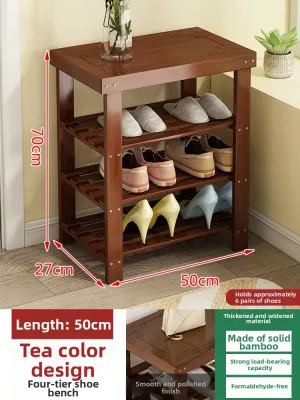
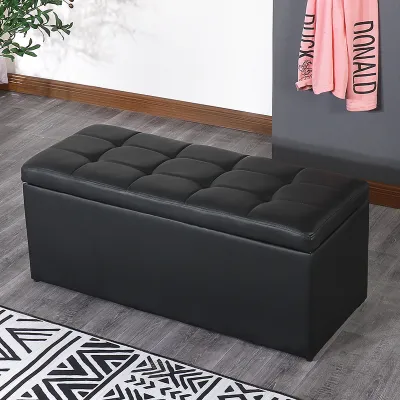
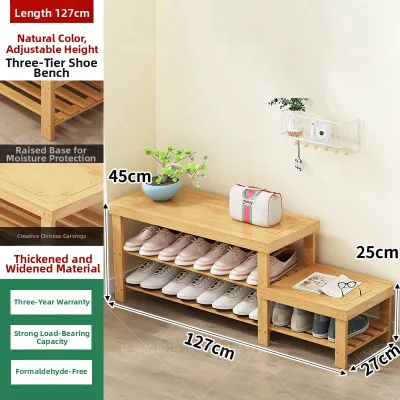
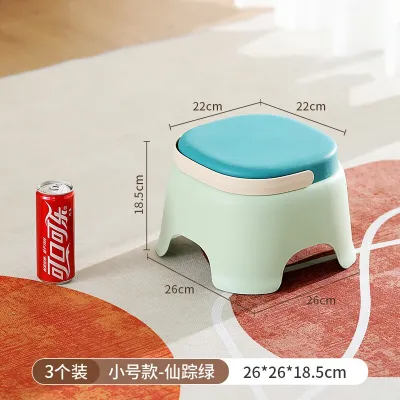
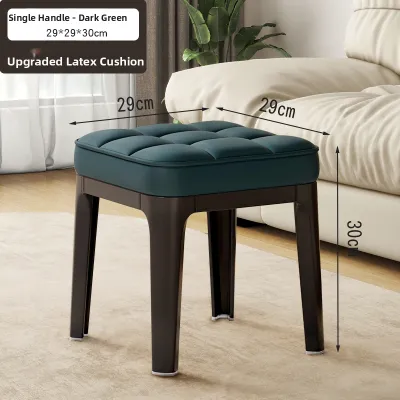
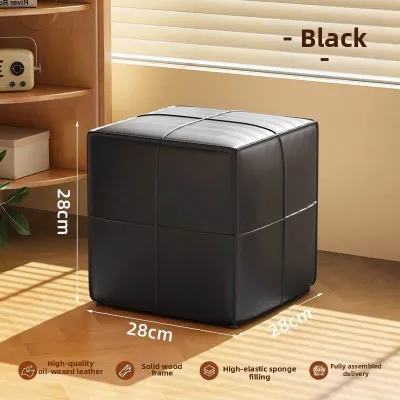
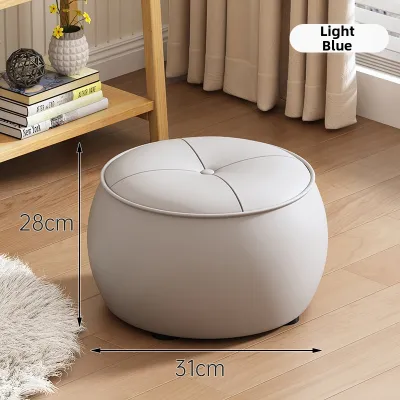
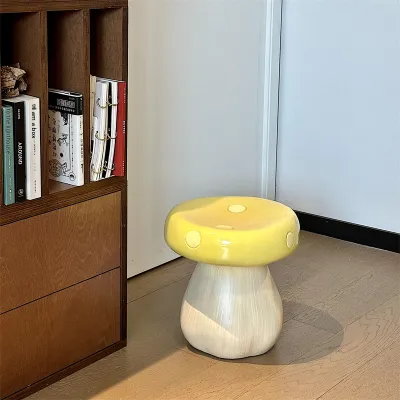
Prices are valid at publication and may change. Please refer to the product page for the latest price.
Precision measurement of your foyer is non-negotiable. Before browsing online marketplaces or visiting local furniture showrooms in areas like Ubi or Tanjong Pagar, map out the exact footprint of your entryway. Use a physical measuring tape to mark the proposed location of the stool. Crucially, you must account for the swing radius of your main door, the metal gate, and any adjacent doors, such as a household shelter door or a shoe cabinet. A stool that blocks the door’s path even by a few millimetres will quickly become a daily frustration and a safety hazard during emergencies. Ensure there is at least 60 to 80 centimetres of clear walkway space in front of the stool when someone is seated.
Household demographics dictate both the structural requirements and the accessibility of your storage stool. If your household includes elderly family members, stability is the absolute priority. A shifting or wobbly stool can lead to dangerous falls. For seniors, a stool with a slightly firmer cushion and integrated armrests or a raised side frame can provide crucial leverage when standing up. For families with toddlers or young children, ease of access is key. Low-profile open cubbies allow children to retrieve and put away their own shoes independently, fostering good habits early on. Furthermore, look for rounded corners and soft edges to minimize the risk of bumps and bruises in high-traffic transition zones.
Visual weight plays a significant role in how spacious your entryway feels. In compact HDB flats, a solid, block-like storage bench that sits flush against the floor can make a narrow corridor feel cramped and dark. To counteract this, consider designs with exposed legs or elevated bases. Lifting the main body of the stool even 10 to 15 centimetres off the floor allows light to pass underneath, creating the optical illusion of a larger floor area. Additionally, opting for lighter wood tones, neutral upholstery, or soft pastel finishes helps reflect light, keeping the foyer bright and welcoming.
Top Multi-Functional Storage Stool Types for Compact Foyers
Choosing the right configuration of a shoes changing stool depends heavily on what you intend to store and how often you need to access it. Different structural designs offer distinct trade-offs between storage capacity, accessibility, and footprint.

Flip-Top Storage Benches
The classic flip-top storage bench features a hinged seat that lifts up to reveal a deep, undivided compartment below. This design is highly valued for its ability to maximize hidden storage capacity. Because there are no internal drawers, dividers, or slide mechanisms to occupy space, you can utilize every single cubic centimetre of the interior. This makes flip-top benches exceptionally suited for storing bulky, irregularly shaped items that you do not need to access multiple times a day, such as seasonal footwear, boot trees, shoe polishing kits, raincoats, or wet umbrellas. It keeps these items completely out of sight, preserving a clean, minimalist aesthetic in your foyer.
However, the lift-up lid design introduces several functional limitations. First, you must completely vacate the seat before you can access the storage compartment. If someone is already sitting down to put on their shoes, they must stand up for you to retrieve an item. Second, items stored at the very bottom of a deep compartment can be difficult to reach, often requiring you to rummage through everything stacked on top. Additionally, flip-top benches require adequate vertical clearance. If you plan to place the stool beneath a low-hanging coat rack, a wall-mounted mirror, or decorative shelving, ensure the lid can open fully without striking these overhead fixtures.
Safety is a critical factor when evaluating flip-top mechanisms. Heavy wooden lids can easily slam shut, posing a significant risk of pinching fingers, particularly for young children. When inspecting a flip-top bench, look for models equipped with high-quality soft-close hinges, gas struts, or hydraulic lid supports. These mechanisms control the descent of the lid, ensuring it closes slowly and smoothly. A reliable lid support should also be capable of holding the seat open at various angles, allowing you to use both hands to organize the interior without fear of the lid dropping unexpectedly.
Drawer-Integrated Shoe Cabinets with Seating
Drawer-integrated shoe cabinets with seating represent a hybrid approach, combining the structured storage of a traditional shoe rack with a padded top cushion. These units typically feature pull-out drawers, drop-down cabinets, or open sliding shelves. The primary benefit of this design is immediate, effortless access. You can retrieve or put away your daily-wear shoes while remaining comfortably seated on the bench. Because the storage is divided into dedicated tiers or compartments, it naturally encourages organization and provides excellent ventilation, preventing the accumulation of stale odors that can occur in sealed, unventilated compartments.
The trade-off for this convenience is a larger physical footprint and increased weight. Drawer-integrated units require robust internal frames and heavy slide mechanisms, making them significantly heavier than simple hollow benches. This weight makes them difficult to move during deep cleaning or when rearranging your entryway. Furthermore, you must account for the clearance required to pull the drawers or drop-down compartments fully open. In narrow HDB corridors, an open drawer can completely block the walkway, forcing other household members to wait.
When purchasing a drawer-integrated stool, pay close attention to the hardware. Look for heavy-duty, ball-bearing drawer slides that operate smoothly under the weight of multiple pairs of shoes. If the unit features a drop-down door with a wire basket, inspect the pivot hinges and magnetic latches to ensure they can withstand repeated daily use. The top cushion should be securely attached to the wooden frame, ideally using heavy-duty hook-and-loop fasteners or recessed screws, to prevent it from sliding out of place when you sit down. A removable cushion cover is also highly desirable, allowing for easy washing or spot cleaning.
Modular and Stackable Storage Ottomans
For homeowners who value flexibility and adaptability, modular and stackable storage ottomans offer an innovative solution. These systems consist of individual, compact cube-shaped stools that can be used independently or grouped together to form a larger seating bench. The primary advantage of modular design is its extreme versatility. If you have guests over, you can easily separate the cubes to provide scattered seating throughout your living room. When not in use, they can be tucked away into awkward corners, aligned neatly against a wall, or stacked vertically to reclaim valuable floor space.
Despite their adaptability, modular ottomans have clear storage limitations. Because each unit is relatively small, the individual storage compartments are compact, making them unsuitable for large shoes, boots, or bulky household items. They are best reserved for small essentials like keys, mail, shoe horns, or children’s slippers. Furthermore, stacking these units requires strict adherence to safety guidelines. Stacked ottomans can easily tip over if they are not properly balanced or if someone attempts to climb or sit on an improperly configured stack.
To ensure safety and stability, carefully inspect how the modular units connect. High-quality stackable systems often feature interlocking wooden dowels, magnetic alignment pins, or heavy-duty straps that secure the units together. If you plan to use them on smooth flooring surfaces like polished marble, glazed porcelain tiles, or vinyl, verify that each ottoman is fitted with robust anti-slip rubber pads on its base. These pads prevent the stools from sliding apart when a user sits down or stands up, reducing the risk of sudden slips or structural collapse.
Crucial Specifications and Safety Checks Before You Buy
Investing in a shoes changing stool requires careful scrutiny of product specifications and material labels. Relying solely on product photos or generic descriptions can lead to purchasing a unit that is structurally unsafe or ill-suited for the local environment.
- Dimensions and Clearance: Always cross-reference the manufacturer's exact product dimensions against your physical foyer measurements. Do not rely on visual estimations from online listings, as close-up photography can make small stools appear much larger than they are. Measure the maximum width, depth, and height of the unit, taking care to include any protruding hardware, such as external drawer handles, decorative trim, or flared legs. Ensure that when the stool is placed in its designated spot, it leaves a clear, unobstructed path of at least 60 centimetres for daily foot traffic.
- Weight Capacity and Stability: A shoes changing stool must be structurally capable of supporting the dynamic weight of a sitting adult. Always locate and check the manufacturer's stated maximum weight capacity, which is typically printed on the product tag, assembly manual, or official specification sheet. A safe standard for a single-seat stool is a static weight capacity of at least 100 to 120 kilograms. For longer benches designed to seat two people simultaneously, look for a capacity of 200 kilograms or more. To maximize stability, prioritize stools with a wide, low-profile base rather than tall, narrow designs. Look for solid wood or reinforced steel frames, and check that the legs are fitted with non-slip foot pads to prevent sliding on smooth tiles.
- Material and Surface Treatment: Singapore's high relative humidity levels, combined with occasional exposure to wet umbrellas, damp shoes, and dripping raincoats, present a challenging environment for furniture. Do not assume that wood or fabric is naturally resistant to these conditions. Instead, check the product label for specific material treatments. For wooden stools, look for moisture-resistant polyurethane coatings, water-based lacquers, or marine-grade varnishes that seal the wood and prevent warping, swelling, or mold growth. If opting for an upholstered seat, check for stain-resistant and water-repellent fabric treatments, such as synthetic polyester blends, treated canvas, or commercial-grade faux leather. Removable and machine-washable cushion covers are highly recommended, as they allow you to easily wash away dirt, sweat, and outdoor grime.
- Assembly and Fixing: Before purchasing, verify whether the storage stool is delivered fully assembled or requires self-assembly. If self-assembly is required, review the provided manual to ensure you have the necessary tools and technical capability. Pay close attention to any requirements for wall anchoring. If the manufacturer specifies that a tall or heavy unit must be anchored to the wall to prevent tipping, do not skip this step. If the provided mounting hardware or instructions conflict with your specific wall type—for example, if the kit contains plastic wall plugs designed for drywall, but your foyer wall is solid HDB concrete—stop assembly immediately. Consult a qualified professional handyman or contact the manufacturer to obtain the correct masonry anchors and drill bits suitable for concrete walls.
Space Planning and Placement Tips for HDB and Condo Foyers
Proper placement of your shoes changing stool enhances both the safety and the aesthetic flow of your home’s entryway. A poorly positioned stool can disrupt the natural movement of your household, turning a helpful amenity into an annoying obstacle.
To optimize spatial flow, always position the storage stool flush against a solid, structural wall. Avoid floating the stool in the middle of the foyer or placing it in a way that forces users to walk around it to reach the living room. Placing it against a wall provides a reassuring sense of physical backing when sitting down and ensures the walkway remains completely clear. If your entryway features a niche or an alcove—common in older HDB flats or larger condominium layouts—this is the ideal spot to tuck the stool away, keeping it completely out of the main traffic path.
Integrating a mirror directly above the storage stool is a highly effective design technique for compact entryways. A wall-mounted mirror serves a practical purpose, allowing you to quickly check your appearance before stepping out the door. Visually, the mirror reflects light and the opposite wall, immediately making a small, enclosed foyer feel twice as bright and spacious. When mounting the mirror, ensure it is securely anchored to the wall studs or concrete, and position it at a height where it can be comfortably used by both standing and seated individuals.
Adequate lighting is essential for safety and convenience in the entryway. When sitting down to tie intricate laces or searching through a dark storage compartment for a specific pair of shoes, poor visibility can lead to eye strain or accidental trips. Ensure your foyer is equipped with bright, warm overhead lighting, such as recessed downlights or a flush-mount ceiling fixture. If your main ceiling light does not adequately illuminate the interior of the storage stool, consider installing motion-activated LED strip lights inside the drawers or cabinet compartments. These battery-operated lights turn on automatically when the drawer is opened, making it easy to find what you need without turning on bright overhead lights late at night.
Finally, maintain a strict “clear zone” around the base of the storage stool. Avoid placing loose throw rugs, decorative door mats, or stray items of clothing directly in front of or around the stool. Loose rugs can easily slide on polished tiles when you stand up, creating a serious slipping hazard. Ensure that when the storage drawers or flip-top lids are fully open, they do not catch on the edges of any floor coverings. Keeping the floor area completely clear ensures that the stool remains safe and easy to use for every member of the household, including guests.
Frequently Asked Questions (FAQ)
How much weight can a typical storage stool support?
Weight capacities are not universal and vary significantly based on the stool’s internal frame, manufacturing materials, and overall structural design. A standard single-seat storage stool typically supports between 100 and 120 kilograms of static weight, while heavy-duty or multi-seater benches can support upwards of 200 kilograms. You must always check the manufacturer’s product label or specification sheet for the exact weight limit of your specific model. Do not make assumptions based on visual appearance, as lightweight materials or poor joint construction can drastically reduce actual load-bearing capacity.
Are fabric storage stools suitable for Singapore's humid weather?
Fabric storage stools can be used in Singapore, provided you select the right materials and maintain them properly. To prevent mold and mildew growth in our humid climate, check the product tag for moisture-resistant fabric treatments, synthetic fibers like polyester or nylon, or removable, machine-washable covers. Ensure your entryway is well-ventilated by keeping windows open or using a fan. Avoid placing fabric stools directly next to wet umbrella stands, damp footwear, or open doorways where driving rain could saturate the upholstery.
Do storage stools require wall anchoring?
Whether a storage stool requires wall anchoring depends on its height, weight distribution, and design. Low-profile, wide-base ottomans and standard single-tier benches are highly stable and rarely require anchoring. However, taller drawer-integrated shoe cabinets, units with heavy drop-down doors, or stacked modular configurations can pose a tipping hazard, especially when drawers are fully extended or if children attempt to climb them. Always consult the manufacturer’s assembly instructions and use the provided anti-tip hardware to secure the unit to your wall if recommended.
Community discussion
Share your experience or ask a question. Comments are reviewed before publication.