
Living in Singapore often requires a smart approach to interior design. With the average size of modern Build-To-Order (BTO) flats and compact condominiums becoming more streamlined, maximizing every square meter is a necessity rather than a luxury. Homeowners frequently face the challenge of keeping their entryways, bedrooms, and living areas clutter-free without sacrificing style or comfort. This is where a versatile bench with storage becomes an invaluable addition to your home, serving as a practical double-duty solution that solves multiple spatial challenges at once.
A bench with storage eleganty combines comfortable seating with hidden or open organizational compartments within a single footprint. Instead of crowding your foyer with a separate shoe rack, a standalone stool, and a decorative console, a single well-chosen storage bench can perform all of these functions seamlessly. By consolidating these needs, you free up valuable floor space, create a more open visual flow, and establish a highly functional zone in any room.
This guide provides a comprehensive framework to help you evaluate the various types of storage benches available in Singapore. Rather than focusing on fleeting promotions or temporary trends, we will examine the core functional designs, load-bearing capacities, material requirements for our humid climate, and essential spatial measurements. By understanding these technical and practical aspects, you can confidently select a high-quality piece of furniture that perfectly matches your household’s daily routines and layout constraints.
Products mentioned in this guide
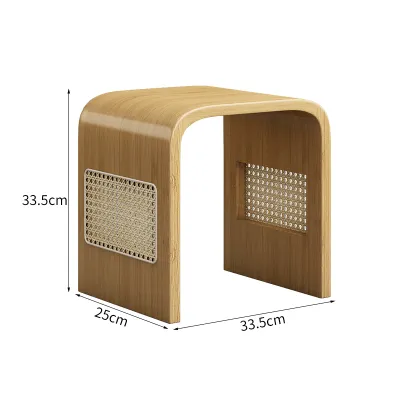
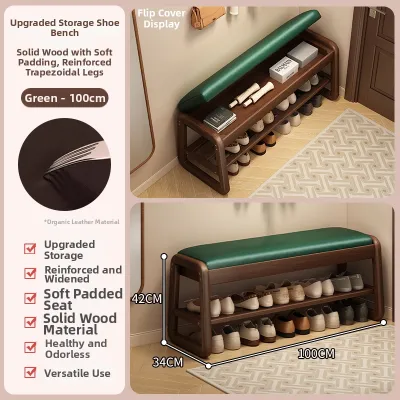
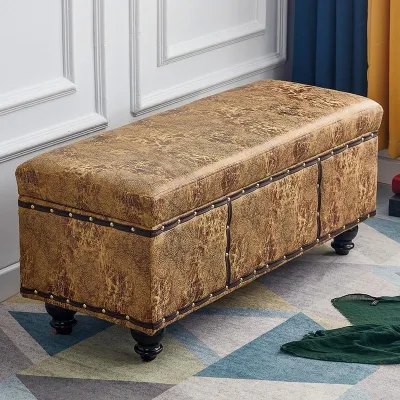
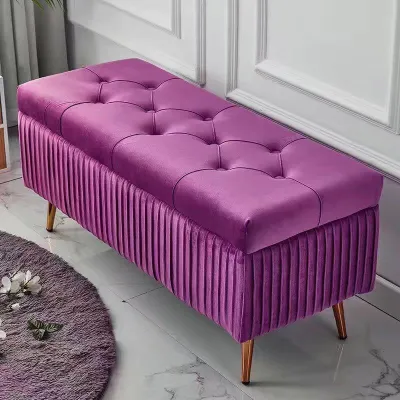
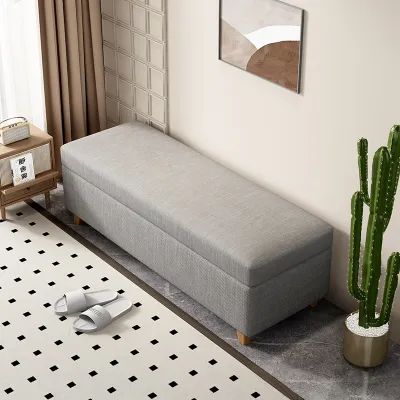
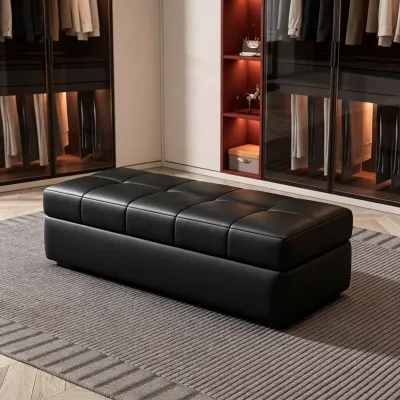
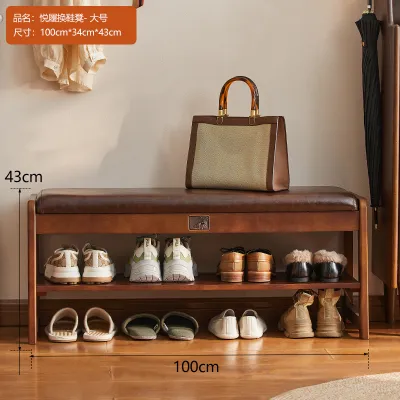
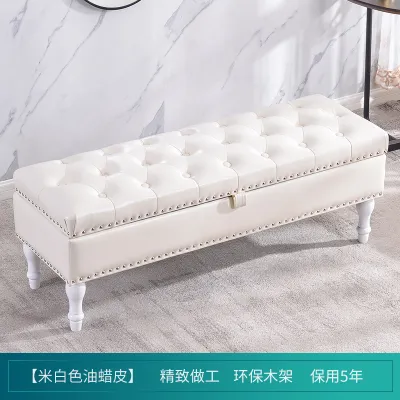
Prices are valid at publication and may change. Please refer to the product page for the latest price.
Key Features to Evaluate Before Buying a Storage Bench
Investing in a bench with storage requires looking beyond surface aesthetics. Because this piece of furniture serves a dual purpose—supporting human weight while organizing household items—it must meet strict standards of structural integrity, accessibility, and material durability. Evaluating these key features beforehand ensures your purchase remains safe, functional, and visually appealing for years to come.
Storage Mechanism and Accessibility
The way you access the storage compartment dictates how practical the bench will be in your daily life. There are three primary storage configurations, each suited to different types of items and usage frequencies:
- Lift-Up Lids (Hidden Compartments): This design features a hinged top seat that lifts to reveal a deep, undivided storage well. It is ideal for storing bulky, infrequently used items such as extra bedding, seasonal clothing, cushions, or board games. Because the compartment is fully enclosed, your items remain completely hidden and protected from dust. However, accessing these items requires you to stand up and remove any decorative objects or trays placed on top of the seat.
- Open Shelving and Cubbies: Commonly found in entryway designs, this style features open shelves or grid-like cubbies beneath the seating surface. It is designed for high-frequency access, allowing you to slide shoes, slippers, or outdoor gear in and out without lifting a lid or pulling a handle. The primary benefit is excellent ventilation, which is crucial for damp footwear. The trade-off is that your stored items remain fully visible, which can look cluttered if not organized neatly.
- Pull-Out Drawers: Benches with built-in drawers offer a neat middle ground. They keep items hidden from view while allowing you to access contents without disturbing anyone sitting on the bench. Drawers are excellent for organizing smaller accessories like keys, mail, dog leashes, or shoe-cleaning kits. When choosing this option, ensure you have sufficient floor clearance in front of the bench to pull the drawers out completely.
Weight Capacity and Structural Stability
Unlike standard storage boxes, a storage bench must safely support the weight of one or more seated adults. Before purchasing, always check the manufacturer’s specified static weight capacity. A reliable entryway or bedroom bench should comfortably support at least 100 kg to 150 kg for single-seater models, and upwards of 200 kg for multi-person benches.
To verify structural stability, examine the joint construction and frame materials. Look for benches assembled with sturdy wood dowels, metal corner brackets, or heavy-duty screws rather than those held together solely by industrial glue or thin staples. If the bench wobbles when you apply light pressure to the side, or if the frame flexes when you sit down, the structural joints may fail over time under regular use. This is particularly important in households with young children who might jump on the furniture, or elderly family members who rely on a steady surface to sit while putting on footwear.
Cushioning and Upholstery Standards
The comfort and longevity of the seating surface depend heavily on the quality of the cushioning and the type of upholstery fabric used. If you plan to use the bench daily, look for high-density polyurethane foam cushioning (ideally with a density rating of 30 kg/m³ or higher). Low-density foam may feel soft initially but will quickly flatten and lose its shape, leaving you sitting directly on the hard wooden or metal support frame underneath.
For the upholstery, prioritize materials that can withstand high-traffic wear and Singapore’s humid climate. Synthetic fibers like heavy-duty polyester and nylon blends offer excellent resistance to stretching, abrasion, and staining. If you prefer a leather look, high-grade polyurethane (PU) leather is easy to wipe clean with a damp cloth, making it highly practical for entryways. However, ensure the PU leather is of high quality to prevent peeling in humid conditions. For homes with pets or young children, look for performance fabrics that have been treated for stain resistance, or select benches with removable, machine-washable cushion covers.
Dimensions and Clearance Zones
A common mistake when buying a bench with storage is focusing solely on whether the unit physically fits against a wall, while ignoring the surrounding clearance zones. You must ensure the bench does not obstruct walkways, door swings, or cabinet doors.
In narrow hallways or foyers, a standard walkway should maintain a clear path of at least 60 cm to 90 cm to allow people to pass comfortably. Measure the depth of the bench—typically ranging from 35 cm to 45 cm—and add this to the space required for walking. If you choose a model with drawers or drop-down doors, measure the depth of these components when fully extended to ensure they do not strike opposite walls, baseboards, or adjacent furniture.
Best Multi-Functional Storage Bench Types by Room and Use Case
To maximize the utility of a storage bench, it is helpful to match the specific design of the bench to the unique functional demands of the room it will occupy. Different spaces in a Singaporean home require different balances of accessibility, concealment, and aesthetic style.

Entryway Shoe Storage Benches with Seating
The entryway is the first transition zone of your home, making it the most practical spot for a multi-functional bench. An entryway storage bench serves as a dedicated drop zone for outdoor gear, a comfortable seat for putting on and removing footwear, and an organized shoe storage unit.
- Ideal Features: Look for benches that feature open bottom tiers, slatted wooden shelves, or wire mesh grids. These open designs promote continuous airflow around your footwear. In Singapore's warm, humid climate, allowing worn shoes to ventilate naturally is essential to prevent moisture buildup, mold growth, and unpleasant odors. A sturdy, solid wood or metal top provides a reliable surface to sit on while tying laces.
- Space and Safety Checks: Carefully measure your foyer width to ensure the bench does not block the swing arc of your main entrance door or digital lock sensor. Additionally, be mindful of the Singapore Civil Defence Force (SCDF) fire safety guidelines for HDB common corridors. If you plan to place the bench outside your flat, the corridor must maintain a clear, unobstructed escape path of at least 1.2 meters. Do not place bulky furniture in shared walkways if it compromises building safety regulations.
- Limitations to Consider: Because the lower shelves of these benches are open, your shoes will be visible to guests, requiring a degree of neatness to maintain a tidy appearance. Furthermore, open shelves collect household dust and outdoor dirt carried in on shoe soles, meaning you will need to wipe down the shelves and vacuum beneath the bench regularly. These units are also generally unsuitable for tall footwear, such as boots, unless the internal shelves are adjustable or removable.
Bedroom End-of-Bed Benches with Hidden Compartments
Placing a storage bench at the foot of your bed adds a touch of boutique hotel elegance while providing deep, out-of-sight storage for bulky household items that would otherwise clutter your wardrobe.
- Ideal Features: The most effective bedroom benches feature a fully enclosed, upholstered design with a lift-up lid. This hidden compartment is perfect for stowing extra bed linens, heavy winter blankets used for overseas travel, spare pillows, or even carry-on suitcases. The upholstered top also serves as a convenient spot to lay out clothes for the next day or sit while putting on socks.
- Safety and Hardware Checks: Because bedroom storage benches often feature large, heavy lids, high-quality hardware is critical. Ensure the lift mechanism is equipped with hydraulic gas struts or heavy-duty safety hinges that hold the lid open automatically. This prevents the lid from slamming shut unexpectedly, protecting your fingers and ensuring smooth, quiet operation. Soft-close mechanisms are particularly important in households with young children.
- Limitations to Consider: A bedroom bench requires a generous amount of clearance at the foot of the bed. Ensure there is at least 60 cm to 80 cm of space between the bench and the opposite wall or wardrobe doors so you can walk past and open closet doors comfortably. Additionally, if the gas struts are of poor quality or lack sufficient lifting power, raising a heavy, fully upholstered lid can require significant physical effort.
Living Room Ottoman-Style Storage Benches
In the living room, flexibility is key. An ottoman-style storage bench can easily transition between a footrest, extra seating for guests during social gatherings, and a stylish coffee table when paired with a flat wooden tray.
- Ideal Features: Look for fully upholstered benches with tufted tops or sleek, minimalist fabric finishes. These designs blend seamlessly with your main sofa set. The interior compartment can be used to quickly clear away living room clutter, such as throw blankets, decorative cushions, board games, video game controllers, or reading materials before guests arrive.
- Versatility and Styling: To use the ottoman bench as a coffee table, choose a model with a firmer, flatter top cushion. Placing a sturdy, wide tray on top provides a stable surface for drinks, snacks, or decorative candles, while still allowing you to remove the tray instantly when extra seating is needed.
- Limitations to Consider: Fabric-upholstered ottomans are highly susceptible to liquid spills, food stains, and pet hair. If your household includes pets or if you frequently enjoy meals in the living room, woven fabrics may absorb food odors over time. Always check the manufacturer's cleaning codes before purchasing. For high-use living areas, choosing a bench upholstered in stain-resistant performance fabric or easy-to-wipe synthetic leather is often the most practical choice.
Material and Durability Checks for Singapore's Climate
Singapore’s tropical climate features high temperatures and relative humidity levels that often exceed 80% year-round. These environmental factors can cause low-quality furniture materials to warp, rust, mold, or degrade rapidly. Understanding how different materials respond to moisture is essential for making a durable choice.
Wood and Engineered Wood
Solid wood is highly durable and offers natural beauty, but it expands and contracts in response to humidity. Hardwoods like teak, oak, and rubberwood are excellent choices for Singapore homes because they possess natural oils and dense grain structures that resist moisture absorption and fungal growth. Ensure the wood is sealed with a high-quality protective topcoat, such as a polyurethane lacquer or water-resistant oil finish.
If you select engineered wood, such as Medium-Density Fibreboard (MDF) or particleboard, you must be more cautious. Standard engineered wood absorbs airborne moisture easily, which causes the fibers to swell, bubble, and eventually crumble. To prevent this, verify that the bench features high-quality laminate or wood veneer finishes with complete edge banding. Edge banding seals the raw, porous edges of the inner boards, blocking moisture from entering. Avoid placing cheap, unsealed engineered wood benches in high-humidity zones like entryways or near bathroom doors.
Metal Frames and Hardware
Metal storage benches or those with metal legs provide a sleek, modern aesthetic and excellent structural strength. However, untreated iron or carbon steel will rust quickly when exposed to humid air or wet items like damp umbrellas and wet shoes placed on entryway shelves.
When evaluating metal components, look for materials that have been powder-coated, chrome-plated, or treated with rust-resistant coatings. Powder coating creates a thick, protective barrier that shields the underlying metal from moisture and physical scratches. Alternatively, look for frames made from stainless steel or lightweight aluminum, both of which are naturally highly resistant to corrosion and rust.
Upholstery Care and Mold Prevention
Because storage benches are often used to keep items sealed away for long periods, the upholstery fabric must resist mold and mildew. Natural fibers like cotton and linen are highly breathable but can absorb ambient moisture and hold onto organic dust, creating an environment where mold can thrive if not regularly vacuumed or aired out.
Synthetic fabrics, particularly polyester, acrylic, and nylon, are highly resistant to mold and mildew because they do not retain moisture. For easy maintenance, synthetic leather (PU or PVC) is highly practical as it can be wiped down with a mild disinfectant solution. However, cheap PU leather can dry out, crack, and peel when exposed to body oils, sweat, or direct sunlight streaming through windows. Look for high-grade, hydrolysis-resistant PU leather designed to withstand warm, humid environments.
Verifying Manufacturer Material Claims
Do not rely solely on marketing buzzwords like “waterproof,” “anti-mold,” or “weatherproof” in product listings. Instead, take the time to verify these claims by reading the detailed product specifications and care instructions.
Check if the manufacturer explicitly states the type of wood seal used, the metal treatment process, or the fabric cleaning code. If a product description lacks these technical details, contact the retailer directly to clarify the materials used. A reputable furniture brand will be able to provide specific care guidelines and confirm whether the materials are rated for humid indoor environments.
How to Measure Your Space and Ensure Safe Assembly
Before finalizing your purchase, taking precise measurements and planning for the delivery and assembly process will help you avoid costly return fees and ensure the safety of your household.
Measuring the Physical Footprint
When measuring the area where you plan to place your bench with storage, do not simply measure the bare wall space. You must account for several structural elements that can affect how the furniture fits:
- Skirting Boards and Baseboards: Skirting boards project outward from the bottom of your walls by about 1.5 cm to 2.5 cm. If your storage bench has a flush-back design, these boards will prevent the bench from sitting completely flat against the wall, leaving a gap at the top. Measure the space from the outer edge of the skirting board rather than the wall itself.
- Power Outlets and Light Switches: Ensure the height and width of the bench do not block access to wall sockets, light switches, or internet data ports. If the bench must sit in front of an outlet, ensure there is enough clearance to plug in cords without bending them sharply.
- Door and Drawer Swings: Open nearby room doors, wardrobe doors, and cabinet drawers completely to ensure they do not collide with the bench. A collision can scratch your new furniture or restrict access to your storage.
Delivery, Lift Access, and Corridor Clearances
Many storage benches, especially larger bedroom models or solid wood entryway benches, are delivered fully assembled or in large, heavy flat-packs. It is essential to ensure these packages can physically reach your apartment.
Measure the height, width, and diagonal clearance of your apartment’s main entrance door, as well as the dimensions of your building’s lift car and lift doors. This is particularly important in older HDB estates or private condominiums with compact passenger lifts. If a pre-assembled bench cannot fit inside the lift, delivery staff may have to carry it up the stairwell, which often incurs additional handling fees. Always check the packaged dimensions provided by the retailer against these access points before ordering.
Assembly Safety and Structural Integrity
If your storage bench arrives flat-packed, assembling it correctly is vital for your safety. Follow the manufacturer’s step-by-step assembly manual carefully, and use the recommended tools:
- Do Not Rush the Process: Lay out all screws, dowels, and wooden panels before starting. Identify each piece clearly to avoid installing panels backward, which can expose raw, unsealed edges to the air.
- Tighten Hardware Correctly: When assembling engineered wood furniture, do not over-tighten screws or cam locks, as this can strip the pre-drilled holes and permanently weaken the joint. Conversely, under-tightened screws will cause the bench to wobble and degrade over time.
- Perform a Wobble Check: Once assembly is complete, place the bench on a flat, level surface and apply gentle pressure to check for stability. If the bench wobbles, check if the legs are uneven or if any screws require further tightening.
- Periodic Maintenance: After a few weeks of regular use, check the joints and hinges again. It is natural for screws to loosen slightly as the furniture settles under weight, so re-tightening them periodically will maintain structural safety.
Stability and Child Safety Considerations
While most storage benches have a low center of gravity and are inherently stable, safety precautions are still necessary, particularly in homes with young children or active pets.
If you choose a bench that is exceptionally tall, narrow, or features a lightweight frame, ensure the weight is distributed evenly inside the storage compartment. Heavy items should always be placed at the very bottom of the compartment to keep the center of gravity low. Teach children not to stand on the edge of the seat or climb onto the bench, as this uneven weight distribution can cause the unit to tip forward. If you have toddlers who are prone to climbing, consider anchoring taller benches to the wall using safety brackets for absolute peace of mind.
Community discussion
Share your experience or ask a question. Comments are reviewed before publication.