
In space-constrained Singapore homes, such as standard 3-room or 4-room HDB flats and compact condominiums, every square meter of floor space must perform double duty. A multi-functional bench storage solution offers an elegant way to resolve the tension between seating needs and storage limitations, particularly in high-traffic zones like entryways, living rooms, and master bedrooms. By combining a sturdy seat with hidden internal compartments, these versatile furniture pieces eliminate visual clutter while keeping daily essentials within easy reach. Selecting the ideal bench storage for your home requires balancing physical dimensions, accessibility, and structural durability to ensure the piece enhances your daily routine without obstructing your walkways.
Optimizing a compact layout is not merely about finding smaller furniture; it is about choosing pieces that consolidate multiple functions into a single footprint. A well-designed storage bench serves as a comfortable spot to put on shoes, a welcoming seating option for guests, and a highly efficient organizational hub. To make an informed purchase, you must evaluate how different designs interact with your home’s layout, traffic patterns, and unique storage requirements.
How to Choose the Right Bench Storage for Compact Layouts
When integrating a storage bench into a compact layout, precise physical proportions are paramount. In many modern Singaporean apartments, entryways and hallways are narrow, often measuring between 1.1 and 1.3 meters in width. To maintain a safe and comfortable walkway, any furniture placed in these zones must leave at least 80 to 90 centimeters of clear passage. Consequently, a bench depth of 35 to 40 centimeters is generally ideal. This depth provides sufficient surface area for an adult to sit comfortably while ensuring the bench does not protrude excessively into the primary traffic path. Height is equally critical; a standard seat height of 40 to 45 centimeters allows users to sit with their feet flat on the floor, which is the most ergonomic position for putting on or taking off footwear.
Products mentioned in this guide
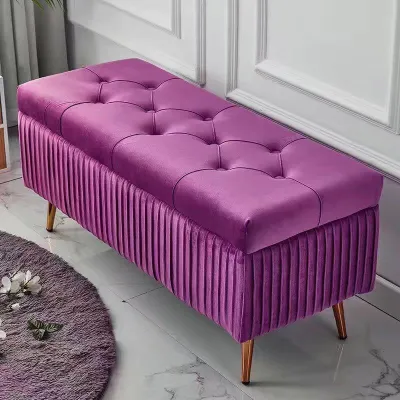
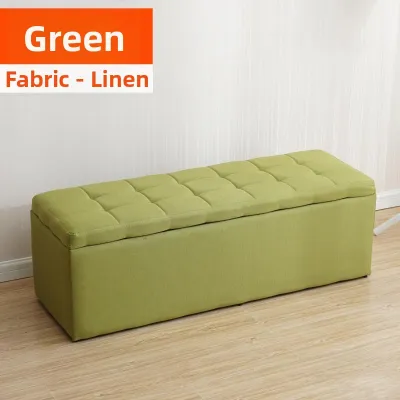
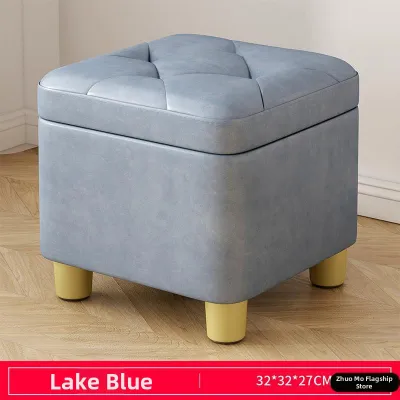
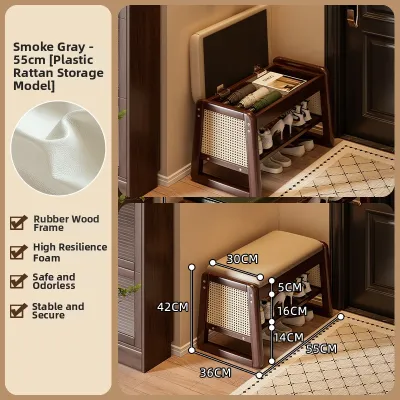
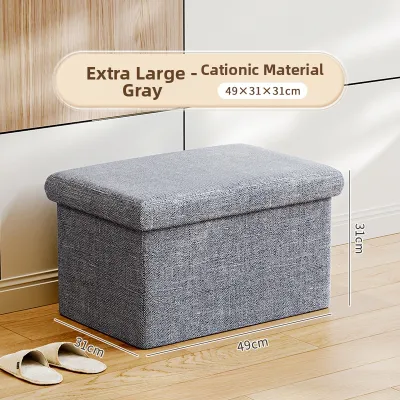
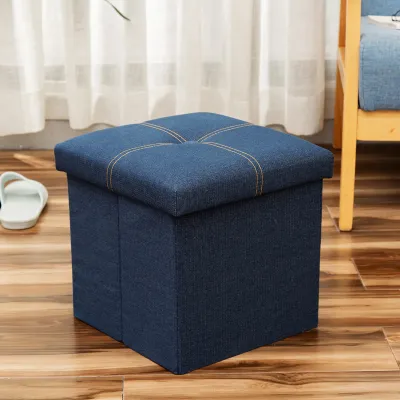
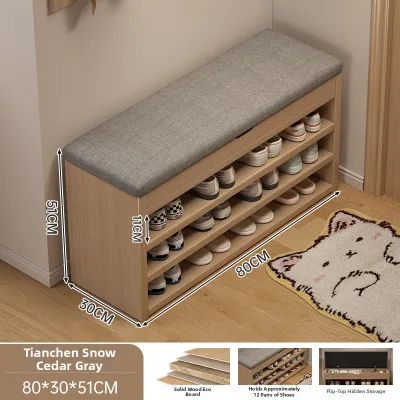
Prices are valid at publication and may change. Please refer to the product page for the latest price.
The way you access the storage compartment should directly correspond to what you plan to store inside it and how often you need those items. Lift-top mechanisms, where the entire seating surface swings upward on hinges, are highly efficient for maximizing internal volume because they lack the structural dividers required by drawers. However, they require you to stand up and clear any cushions, throws, or decorative items off the seat before you can open the lid. This makes them highly impractical for daily-use items. Conversely, pull-out drawers or front-opening cabinets allow you to access the interior contents while someone is sitting on the bench, making them the superior choice for high-frequency items like daily shoes, umbrellas, and dog leashes.
Because a storage bench must withstand the dynamic load of people sitting down and standing up, its structural integrity is non-negotiable. Look for frames constructed from solid hardwoods like oak, teak, or rubberwood, or high-density engineered woods reinforced with sturdy metal brackets. Inspect the joints; high-quality benches utilize mortise-and-tenon joinery or heavy-duty dowels rather than simple glue and nails. Leg placement also plays a vital role in stability; legs positioned at the absolute corners of the frame prevent the bench from tipping when weight is concentrated on one edge. Finally, consider the surface finish. In Singapore’s humid tropical climate, choosing a moisture-resistant lacquer, polyurethane coating, or high-pressure melamine laminate is essential to prevent warping, bubbling, and mold growth.
Top Storage Bench Designs to Maximize Space in Small Homes
Selecting the right design configuration depends heavily on the specific room and the types of items you need to organize. Different structural styles offer distinct spatial advantages and limitations. By understanding how lift-top, drawer-integrated, and modular cube designs function in real-world scenarios, you can select a piece that aligns perfectly with your household’s organizational needs.

Lift-Top Benches for Infrequent, Bulky Storage
Lift-top benches are the ultimate solution for containing large, bulky items that would otherwise monopolize valuable closet space. These designs utilize the entire internal cavity of the bench, providing an uninterrupted storage chest that is perfect for seasonal clothing, extra bedding, heavy winter coats used for overseas travel, or travel gear. Placing a lift-top bench at the foot of a queen-sized bed in a master bedroom is a classic space-saving technique. It creates a clean, finished look while utilizing an area of the room that is frequently left empty or underutilized.
Before purchasing a lift-top design, you must carefully evaluate the overhead clearance of the chosen location. Because the lid swings upward and backward, the bench cannot be placed directly beneath low-hanging wall shelves, decorative art frames, or low window sills that would block the lid from opening fully. Additionally, if the bench is placed against a wall, you may need to pull it forward slightly to allow the lid to clear the wall surface during its upward swing. Measuring these vertical and rear clearances prevents the frustration of a restricted opening mechanism.
Safety is a critical consideration for any lift-top furniture, particularly when the lid is constructed from heavy solid wood or thick upholstery. To prevent the lid from slamming shut unexpectedly—which can cause painful injuries or damage the bench frame—insist on high-quality safety hardware. Look for soft-close hydraulic gas struts or adjustable friction hinges that can hold the lid open securely at any angle. These mechanisms slow the descent of the lid, ensuring safe, quiet, and controlled closing, which is especially important in households with young children or elderly family members.
Drawer-Integrated Benches for High-Frequency Access
For busy entryways, mudrooms, or living areas where quick access is essential, drawer-integrated benches are incredibly practical. These designs feature one or more drawers that slide out horizontally from the front of the bench. This configuration allows you to retrieve shoes, keys, mail, or shopping bags instantly without needing to stand up or disturb anyone sitting on the seat. It functions essentially as a low-profile chest of drawers that doubles as a sturdy seating platform, making it an incredibly efficient multi-functional piece for tight foyers.
When evaluating drawer-integrated designs, pay close attention to the quality of the drawer slides and the internal dimensions. Opt for full-extension, ball-bearing drawer runners that allow the drawer to pull out completely, giving you full visibility and access to the very back of the compartment. Check the internal depth of the drawers to ensure they can accommodate your specific storage needs; for instance, storing men’s athletic shoes or high heels typically requires an internal drawer depth of at least 30 to 35 centimeters. Additionally, verify the weight rating of the drawer bottoms. Reinforced drawer bases or solid wood drawer bottoms are essential to prevent sagging or breaking under the weight of heavy footwear or tools.
The primary spatial trade-off of a drawer-integrated bench is the clearance required in front of the unit. To use the drawers comfortably, you must have enough floor space for the drawer to extend fully, plus additional space for you to stand or kneel in front of it. Before buying, measure the distance from the front of the bench to the opposite wall or nearest piece of furniture. If your entryway is exceptionally narrow, a drawer that extends 40 centimeters might completely block the hallway or collide with an adjacent door, in which case a sliding-door cabinet bench or an open-front shoe bench might be a more suitable alternative.
Modular Cube Benches for Adaptable, Open Storage
Modular cube benches offer a highly flexible, lightweight approach to home organization. These units typically feature an open frame divided into square or rectangular compartments, combining the utility of a low bookcase with the functionality of a bench. They are exceptionally well-suited for dynamic spaces such as children’s bedrooms, playrooms, home offices, or casual living rooms where storage needs change frequently. Because of their open, airy design, they have a lighter visual footprint than solid, enclosed benches, making small rooms feel larger and more open.
To maximize the utility of an open cube bench while maintaining a tidy appearance, you can utilize a variety of storage inserts. Fabric bins, felt baskets, woven rattan boxes, or custom-fit wooden drawers can be slid directly into the cubes to conceal loose items like toys, cables, craft supplies, or pet accessories. This modular approach allows you to customize the ratio of open display space to closed storage. You can leave some cubes open to showcase books or decorative objects while using baskets in others to hide everyday clutter, easily updating the look and function of the bench as your needs evolve.
However, open-storage designs come with specific maintenance considerations that you must be prepared to manage. In Singapore’s tropical climate, dust accumulates quickly on open shelves, especially if you rely on natural ventilation through open windows. Items stored directly in open cubes will require regular dusting, and the compartments themselves can easily become visual clutter magnets if not kept meticulously organized. If you prefer a low-maintenance, set-and-forget storage solution, an enclosed drawer or cabinet bench may be more practical than an open modular cube system.
Essential Space Planning and Clearance Checks Before You Buy
Before committing to a specific storage bench, you must verify that the physical piece can actually make its way into your home. Many HDB flats and private condominiums feature tight elevator entrances, narrow corridors, and sharp turns in communal stairwells. Measure the height, width, and diagonal clearance of your building’s lift doors, as well as your own front doorway. If you are purchasing a long, fully assembled bench, ensure it can navigate these tight corners without scraping walls or getting stuck. If delivery access is exceptionally restricted, look for flat-packed options that can be assembled directly inside the room where the bench will reside.
To avoid spatial errors, it is highly recommended to map out the physical footprint of the bench using low-tack painter’s tape on your floor. Do not just map out the static frame; you must also visualize the dynamic movement of the bench’s moving parts. Extend the tape to represent the maximum distance a drawer will pull out, or outline the upward arc of a lift-top lid. Walk around the taped area for a few days to ensure that opening the bench does not block main traffic paths, obstruct the swing of nearby doors (such as household shelter doors), or collide with dining chairs and coffee tables. This simple exercise provides a realistic preview of how the furniture will interact with your daily movements.
A high-quality storage bench must be rated to support both the weight of the items stored inside and the people sitting on top. Check the manufacturer’s technical specifications for both the static weight capacity of the seating surface (which should ideally be at least 120 to 150 kilograms for a two-seater bench) and the maximum load limit for the internal storage compartments. Additionally, consider the stability of the bench when it is fully loaded or when drawers are fully extended. If you select a taller, narrower bench, or if you plan to place it in a high-traffic zone where children or pets play, look for units that include anti-tip anchoring hardware. Securing the bench to the wall prevents accidental tipping, ensuring a safe environment for everyone in the household.
Routine Care to Maintain Seating Comfort and Storage Function
To preserve the appearance and comfort of an upholstered bench seat, consistent care is essential. Fabric upholstery should be vacuumed weekly using a soft brush attachment to remove dust, pet hair, and airborne particles that can settle into the fibers. For minor spills, spot-clean immediately with a clean, damp microfiber cloth, blotting gently rather than rubbing to avoid spreading the stain. If your bench features a leather or synthetic leather seat, wipe it down regularly with a slightly damp cloth to remove body oils and sweat. Always consult the manufacturer’s care label before applying any commercial fabric protectors, leather conditioners, or chemical cleaners, and perform a spot test on an inconspicuous area first.
The mechanical hardware of a storage bench is subjected to constant stress from daily use. Over time, the vibrations from sitting down and opening compartments can cause screws, hinges, and drawer slides to loosen slightly. Make it a habit to inspect these metal components every six months. Use a screwdriver to tighten any loose screws on hinges, drawer runners, and handles to prevent misalignment and structural wobble. If you notice squeaking or resistance when opening a lift-top lid or sliding a drawer, apply a small amount of dry silicone lubricant spray to the moving joints. This simple maintenance step ensures smooth, silent operation and prevents premature wear on the hardware.
The wooden or engineered wood surfaces of your bench require regular dusting with a soft, dry microfiber cloth to maintain their finish. Avoid using harsh chemical cleaners or abrasive scrubbing pads, which can scratch the protective topcoat and leave the wood vulnerable to moisture. Because Singapore’s high relative humidity can trap moisture inside enclosed storage compartments, preventing mold and musty odors is a key priority. Place moisture-absorbing silica gel packs, activated charcoal bags, or small dehumidifier tubs inside the storage compartments, and replace them regularly. Periodically leave the bench lid or drawers open for a few hours on dry days to allow fresh air to circulate through the interior, keeping your stored items clean, dry, and odor-free.
Community discussion
Share your experience or ask a question. Comments are reviewed before publication.