
Maximising every square metre is a necessity for homeowners living in Singapore’s compact HDB flats and condominiums. When floor space is at a premium, a multi-functional storage bench serves as an exceptionally practical addition to your home, offering both comfortable seating and hidden organization. The ideal bench for your space is one that aligns perfectly with the physical dimensions of your room, provides accessible storage without blocking walkways, and features durable construction capable of withstanding the local climate.
Assessing Space and Layout Constraints in HDB Flats
Modern Singapore apartments, particularly built-to-order (BTO) HDB flats, are designed with highly optimized layouts where every centimetre counts. Entryways are often narrow corridors, dining areas frequently merge directly into living rooms, and bedrooms must accommodate wardrobes, beds, and study desks. Introducing any new piece of furniture requires careful planning to prevent the home from feeling cluttered or restricted. A dual-purpose bench helps solve this dilemma by consolidating seating and storage into a single footprint, effectively freeing up floor area elsewhere.
Before purchasing a bench, conducting precise spatial measurements is essential. Start by mapping out the exact floor area where the furniture will sit, using a physical tape measure rather than relying on visual estimation. You must account for the swing radius of nearby doors, including main entrance doors, bedroom doors, and built-in wardrobe panels. A bench that blocks a door from opening fully creates an immediate daily inconvenience and can pose a safety hazard during emergencies.
Products mentioned in this guide
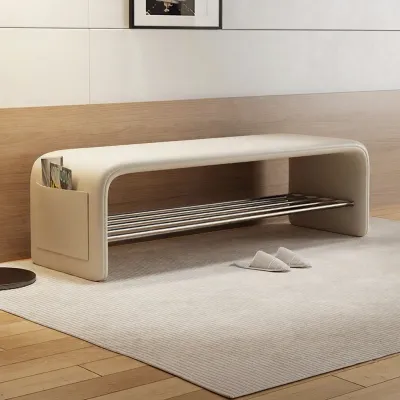
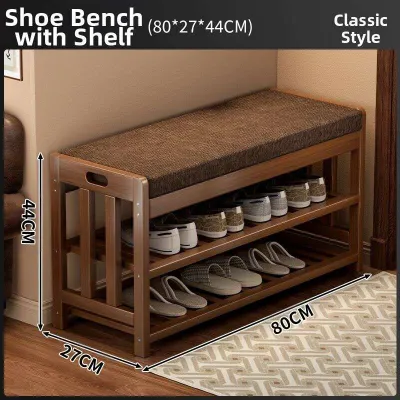
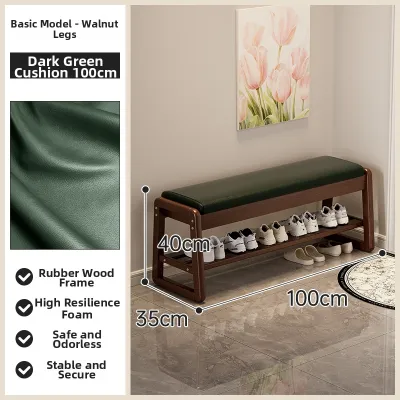
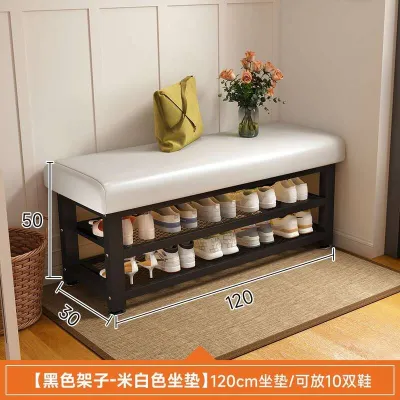
Prices are valid at publication and may change. Please refer to the product page for the latest price.
Walkway clearance is another critical factor to verify. In high-traffic zones like entryways and hallways, maintain a clear passage of at least 90 to 100 centimetres to allow two people to pass comfortably. If you place a bench in a narrow foyer, its depth should ideally not exceed 35 to 40 centimetres. For dining nooks, measure the clearance between the bench and adjacent walls or cabinets, ensuring there is enough room to pull the bench out and sit down without bumping into surrounding structures.
Finally, consider the height profile of the space. If you plan to place the bench beneath a low window bay, a wall-mounted mirror, or a row of hanging coat hooks, measure the vertical clearance carefully. The height of the bench, including any seat cushions, should allow for comfortable sitting while leaving sufficient head and shoulder room beneath any overhanging fixtures.
Essential Features for Space-Saving Storage Benches
Selecting the right storage bench requires evaluating how the unit opens and how easily you can access its contents within a confined layout. Different storage mechanisms demand different types of clearance, which can dramatically impact their usability in tight spaces.

Lift-Top Hinges Lift-top benches feature a hinged seat that lifts upward to reveal a deep, undivided storage compartment underneath. This design is highly effective for maximizing total storage volume, making it ideal for large, bulky items. However, lift-tops require completely clear overhead space to open, meaning you must remove any decorative cushions, blankets, or temporary items from the seat before you can access the interior.
Pull-Out Drawers and Cabinets Benches with pull-out drawers or sliding cabinet doors offer front-facing access, allowing you to retrieve items without disturbing anyone sitting on the bench. The primary trade-off is that drawers require significant front clearance to slide open fully. In a narrow hallway or compact bedroom, a deep drawer might strike against an opposite wall or bed frame, rendering the storage difficult or impossible to use.
Open Shelving and Cubbies Open shelving provides immediate, barrier-free access to shoes, storage baskets, or daily essentials. This configuration requires zero extra clearance to operate, making it the most space-efficient choice for tight walkways. The main drawback is visual clutter; items stored on open shelves remain fully visible, which can make a small entryway look disorganized if not kept tidy.
Beyond storage mechanics, structural integrity and comfort are paramount. Because a bench functions as active seating, check the manufacturer’s specified weight capacity to ensure it can safely support multiple adults. Look for frames constructed from sturdy materials like solid timber, engineered wood with reinforced joints, or powder-coated steel. For the seat cushion, high-density foam (at least 30 kg/m³) offers the best balance of long-term support and resistance to sagging over time. Budget-wise, entry-level benches on online marketplaces typically range from S$50 to S$150, while premium solid wood or highly customized units can range from S$200 to over S$500.
Multi-functional features can further elevate the utility of a bench in a small apartment. Some designs incorporate integrated shoe racks, modular internal dividers, or even fold-out side tables that serve as temporary workspaces or dining extensions. When shopping, prioritize features that directly solve your specific organizational challenges rather than opting for overly complex mechanisms that add unnecessary bulk.
Given Singapore’s tropical climate, material selection must be approached with care. High relative humidity can cause solid wood to warp, untreated metals to rust, and low-grade MDF to swell or grow mold. Always verify the manufacturer’s care instructions and surface treatments. Look for water-resistant laminates, rust-resistant hardware, and breathable fabrics or treated synthetic leathers that are easy to wipe down and maintain.
Ideal Bench Configurations for Different Apartment Zones
Different areas of a Singapore home present unique functional demands. Matching the configuration of your bench to the specific zone ensures you maximize both utility and comfort.
Entryways and Foyers
The entryway is the primary transition zone of the home, requiring a bench that can handle daily footwear and small personal items while maintaining a clean appearance. A slim-profile bench with a depth of 30 to 35 centimetres is ideal for this area. Look for models featuring open slatted shoe shelves or ventilated cabinet doors; these designs promote airflow, which helps dry out damp shoes and prevents unpleasant odors from building up in Singapore’s humid air. Ensure the bench has a verified weight limit of at least 120 kilograms so family members and guests can sit securely while putting on their shoes. Added conveniences like small side hooks for umbrellas or a shallow top drawer for keys and mail can keep the foyer exceptionally organized.
Bedroom Ends and Window Bays
In the bedroom, dead space at the foot of the bed or along a bay window can be transformed into a highly productive storage zone. A deep lift-top storage bench is perfect for this application, providing a concealed home for bulky, infrequently used items such as spare bedsheets, winter travel clothing, or seasonal duvets. To maintain a cohesive aesthetic, select a bench height that sits slightly below or flush with your mattress. It is highly recommended to choose a model equipped with soft-close safety hinges. These specialized hinges prevent the heavy lid from slamming shut unexpectedly, protecting fingers from injury and ensuring quiet operation during early mornings or late nights.
Compact Dining and Living Areas
For multi-purpose living and dining spaces, flexibility is key. A backless bench is an excellent choice for small dining nooks because it can be tucked completely underneath the dining table when not in use, instantly opening up valuable floor space. If the bench will be positioned near dining activities, prioritize easy-to-clean, stain-resistant upholstery such as polyurethane (PU) leather or performance fabrics that have been treated with water-repellent coatings. Alternatively, a lightweight or modular bench design allows you to easily reposition the unit to serve as extra seating when hosting guests in the living room, making it a highly versatile asset for social gatherings.
Safety, Upkeep, and Climate Adaptation
Ensuring the long-term safety and durability of your storage bench involves proactive maintenance and smart installation practices. For taller or top-heavy benches, especially those featuring high backrests or integrated coat racks, anchoring the unit to the wall is highly recommended. This precaution prevents accidental tip-overs, which is particularly important in households with young children, elderly family members, or active pets who might climb or lean on the furniture.
Routine hardware checks are essential for maintaining structural stability. Every six months, inspect the bench to ensure all screws, brackets, and joints remain tight. If the bench features drawers or sliding doors, clean the tracks regularly to remove dust and debris, and apply a small amount of silicone lubricant if you notice any sticking. For hinged lids, check that the soft-close mechanisms are functioning smoothly and adjust the tension if the lid begins to drop too quickly.
Managing indoor humidity is a continuous task in Singapore. Enclosed storage compartments can easily trap moisture, creating an ideal environment for mold, mildew, and musty odors. To combat this, place silica gel packets, charcoal deodorizers, or commercial moisture-absorbing tubs inside the storage areas. Periodically leave the bench lids or cabinet doors open on dry, breezy days to allow fresh air to circulate through the interior.
Always consult the manufacturer’s specific care label and warranty guidelines before applying any cleaning agents or attempting structural repairs. Avoid using harsh chemical solvents, bleach, or abrasive scrubbing pads, as these can strip away protective clear coats, damage wood veneers, or discolor fabric upholstery. For routine cleaning, a slightly damp microfiber cloth followed immediately by a dry towel is usually the safest and most effective method.
Frequently Asked Questions (FAQ)
Can a storage bench be used as a primary dining seat in a small HDB?
While a backless storage bench is an excellent space-saver that tucks away neatly, using it as primary, everyday dining seating has ergonomic trade-offs. Standard dining chairs provide back support that prevents fatigue during longer meals. If you decide to use a bench for daily dining, ensure the seat height aligns comfortably with your dining table (typically leaving a 30-centimetre gap between the seat and the tabletop). Additionally, opt for a bench with high-density foam cushioning to provide adequate support, and limit its use to shorter meals or casual dining.
How do I prevent mold inside a storage bench in Singapore's humid weather?
To prevent mold growth inside enclosed bench compartments, place high-quality moisture absorbers or silica gel packs inside the storage area and replace them regularly. Avoid storing any damp items, such as wet umbrellas, unwashed sports gear, or rain-slicked shoes, directly inside closed spaces. Ensure the bench is positioned in a well-ventilated area of your home, away from direct sources of moisture like bathrooms, and leave the storage lids or doors open for a few hours every couple of weeks to allow the interior to air out completely.
Community discussion
Share your experience or ask a question. Comments are reviewed before publication.